
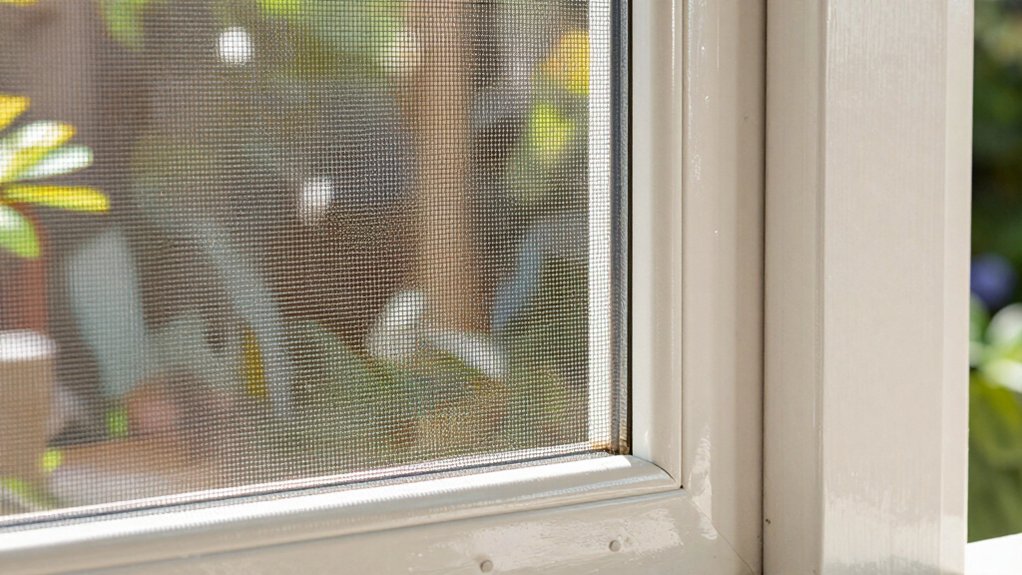
Re-screening is the simplest, most effective fix to keep bugs out while preserving airflow. Start by inspecting for small punctures, loose spline, or frame gaps, then remove the old screen and spline. Clean the channels, replace with a new screen, and re-tension the fabric so it’s taut and smooth. Reinstall the frame and seal any gaps to block pests. If issues persist, you’ll gain more practical fixes and tips beyond this guide.
Why Re-screening Matters for Comfort and Bugs
Re-screening matters for comfort and bugs because a tight, intact screen keeps insects out while letting in fresh air. When you re-screen, you preserve airflow without inviting pests or dust inside. You’ll notice fewer drafts and less clogging around the frame, improving overall comfort in every season.
Regular upkeep saves you effort later, since problems are easier to address before they escalate. To stay practical, plan a simple routine: inspect for tears, loose corners, and warped frames, then replace with appropriate materials. Consider screen cleaning as part of maintenance, removing dirt that weakens fibers and reduces visibility.
Schedule seasonal replacement if you see wear beyond repair, ensuring long-term performance and a clearer view. This approach minimizes disruptions and sustains reliable ventilation.
Spot Damage on Your Screen and Frame
Spot damage to your screen and frame can undermine both comfort and protection. Over time, small punctures, bent edges, or loose hardware weaken the barrier against bugs and drafts. Inspect the screen frame for warping, rust, or gaps where the frame meets the sash.
Look for mesh tears near corners or along seams; even tiny holes can expand quickly with use. If you notice loose or missing spline, replace it to restore tension and prevent sagging.
Clean the frame to remove debris that can cause corrosion or paint failure, then test the hinge areas for smooth operation. Addressing these issues early saves you from bigger repairs later and keeps your patio door or window reliably bug-free.
How to Choose Durable Screen Material and Hardware
Choosing durable screen material and hardware starts with understanding your climate and how you use the door or window. Your next choice hinges on exposure: sun, rain, wind, and temperature swings affect longevity.
For screen material, select options with UV resistance and corrosion protection if you’re near saltwater or humidity. Consider fiber, aluminum, or fiberglass meshes, weighing tear resistance against visibility and airflow.
When evaluating hardware durability, prioritize corrosion-resistant frames, reinforced corners, and rust-proof fasteners. Look for reinforced spline channels and strong brushing to reduce sag.
Your goal is consistent operation and a tight seal, not just appearance. Fit matters: ensure compatibility with existing frames and tracks, plus easy replacement parts.
With careful selection, you’ll maximize protection and minimize maintenance costs.
Step-by-Step Re-screening for Patio Doors and Windows
Ever wondered how to re-screen patio doors and windows efficiently without a full replacement? Here’s a straightforward, practical guide you can follow.
- Remove the existing spline and old screen, keeping the frame intact.
- Clean the frame channels and inspect for any warped areas or tears in the screen fabric.
- Re-stretch a new screen, secure with fresh spline, and test for tautness along all sides.
- Reinstall the frame, check operation, and seal any gaps to reinforce screen repair and pest prevention.
Keep the focus on precise tension, smooth edges, and a tight seal. When done right, you’ll prevent bugs from entering and extend the life of your existing doors and windows.
Troubleshooting Common Issues and Maintenance Tips
To troubleshoot common screen issues and keep maintenance simple, start with a quick inspection of the frame, spline, and fabric for wear, gaps, or loose edges.
If you notice torn fabric or frayed edges, replace the screen fabric or reseat the spline promptly to restore tightness and prevent drafts.
Check for sagging or misaligned corners, then re-tension or re-seat as needed.
Clean the tracks and seals to stop dirt buildup that can hinder operation.
For insect prevention, ensure no gaps exist around the perimeter and reseal any small openings.
When you observe persistent gaps, consider professional screen repair to guarantee a proper seal.
Regular maintenance, including simple cleaning and prompt repairs, extends life and reduces bug intrusion.
Conclusion
Re-screening restores comfort, keeps bugs out, and protects your home. You’ll spot wear early, choose durable materials, and upgrade hardware for lasting performance. You’ll measure carefully, fit snugly, and seal gaps to prevent drafts. You’ll re-screen with confidence, reuse existing frames, and extend the life of doors and windows. You’ll maintain regularly, repair promptly, and enjoy clearer views. You’ll save money, hassle, and frustration by taking control of maintenance. You’ll reap cleaner air, steadier temps, and quieter, bug-free living.