
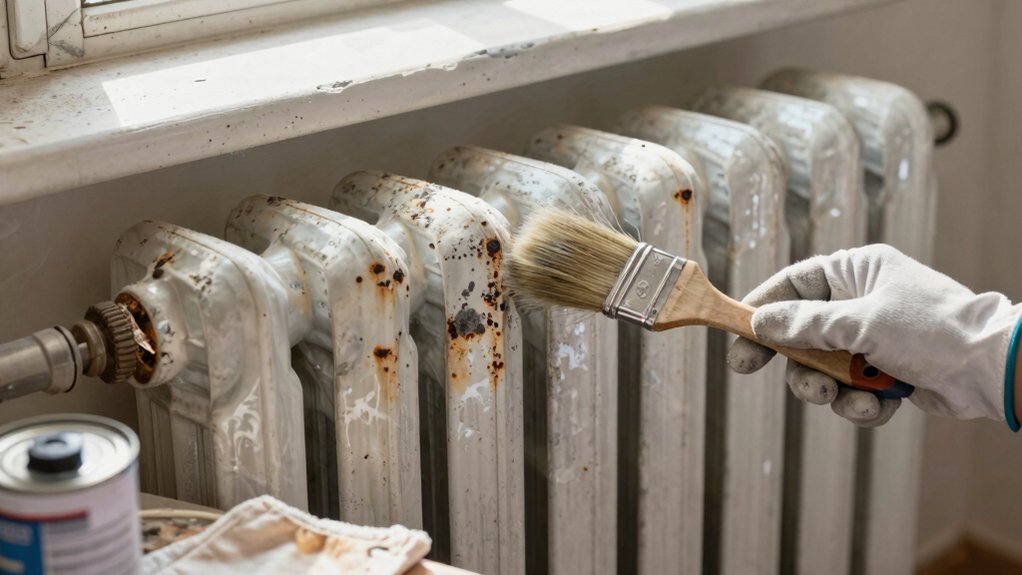
Yes. It’s safe to paint an old radiator if you first turn off, cool, and depressurize the system. Use heat‑resistant, low‑fume paints compatible with metal, and follow proper prep, ventilation, and curing guidance. Clean and rust‑free surfaces, mask surrounding areas, and ventilate well during application. Wear a respirator and avoid harsh solvents. Wait for full cure before reheating, and inspect for leaks or corrosion. If issues arise or costs spike, consider professional help or replacement chances. You’ll find more specifics below.
Is It Safe to Paint a Radiator? Core Safety Criteria
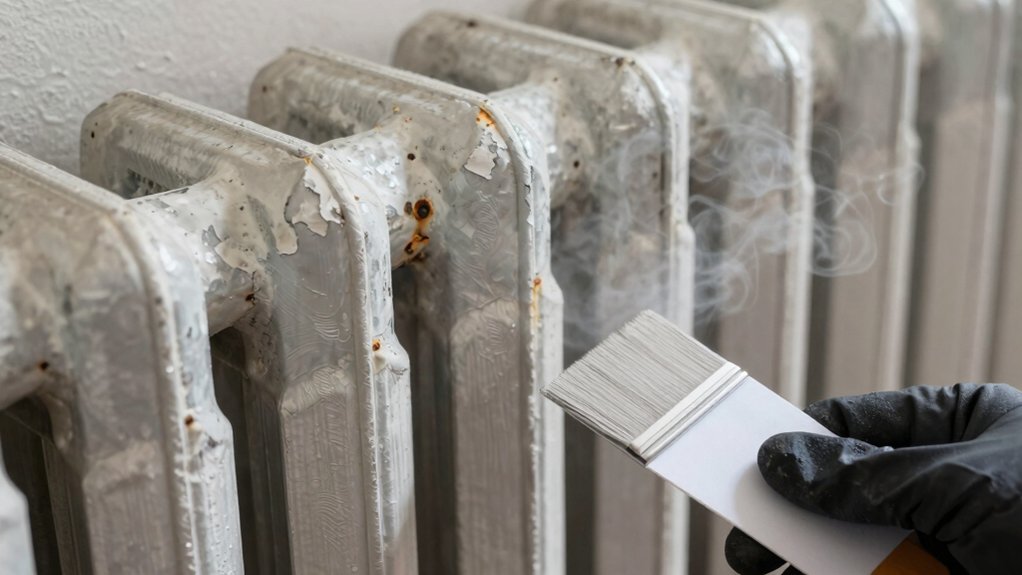
Yes, you can paint a radiator, but safety comes first. Before any coat, verify radiator safety: ensure the system is off, cool, and depressurized, with no leaks or pressure stresses present.
Check paint compatibility with radiant heat; use a product labeled for metal radiators and high-temperature environments, not general wall paints. Read manufacturer guidelines on curing times and ventilation, and wear a respirator if fumes are possible.
Remove accessories and cover nearby surfaces to prevent accidental overspray. Clean the surface with a degreaser, then lightly scuff to improve adhesion.
Apply thin, even coats and avoid excess paint that could trap heat. Confirm full cure before reenergizing the system.
Remember radiator safety and paint compatibility to minimize risks and ensure durable results.
Heat-Resistant Paints That Minimize Fumes (Types and Ratings)
When choosing paints for a warmed radiator, you want materials that tolerate high heat and keep fumes to a minimum. Heat-resistant paints designed for radiators come in low-odor formulas and cured films that resist cracking as temperatures cycle. Look for ratings such as 200–250°C (392–482°F) and check the VOC limits; lower VOCs equal fewer fumes without sacrificing performance.
For practical durability, select enamel or epoxy-based finishes labeled as radiator color-safe and corrosion resistant. Water-based options exist, but ensure they’re explicitly rated for metal and high heat. Consider matte versus semi-gloss finishes in relation to cleaning ease and heat reflection.
How to Prep Your Radiator Before Painting
Before you paint, prep is everything: it guarantees adhesion, durability, and a smooth, even finish. Start with a thorough surface check, fixing any rust spots and loose parts before you begin.
Next, expose the radiator by removing nearby decor and shutting off power or fuel as appropriate, then ventilate the area.
Clean the surface using warm water and a mild detergent, then rinse and dry completely to prevent moisture trapping. Wipe down with isopropyl alcohol to remove oils.
For radiator cleaning, focus on fins, pipes, and joints, loosening grime with a soft brush.
Choose your paint color selection carefully in a well-lit space, testing a small area first.
Mask surrounding metalwork to avoid overspray, and sand glossy areas for better adhesion.
A Step-by-Step Safe Way to Paint Your Radiator
To start your step-by-step painting, you’ll guarantee a safe surface and proper ventilation first.
Clean and sand the radiator as you’ve planned.
Then seal off the room and set up a fan to direct fumes away from you.
Stay focused on Safe Surface Prep and Ventilation Steps as you proceed, documenting any adjustments you make.
Safe Surface Prep
Ready to get a durable, heat-safe finish? Safe surface prep starts with a clear plan and clean, stable substrate. Remove loose paint and rust using a wire brush or abrasive pad; avoid gouging the metal. Wipe surfaces with a degreasing cleaner, then rinse and dry thoroughly to prevent moisture trapping.
Inspect for paint peeling and repair with a compatible filler, sanding smooth once dry. To prevent future failures, treat bare metal with a rust-inhibitor if recommended by your paint brand. Mask nearby components and seal gaps to avoid overspray. Check that the radiator insulation around joints remains intact and not wet.
Final wipe-down: dust-free, dry, and ready for primer. Proper prep minimizes coating failures and promotes even adhesion.
Proper Ventilation Steps
Proper ventilation is non-negotiable for a safe radiator paint job. Begin by opening windows and doors to establish cross-ventilation. Then switch on a dedicated exhaust fan directed away from living areas.
Keep your work area temporarily unoccupied during painting and drying. Use a respirator or at least a NIOSH-rated mask, and avoid inhaling fumes.
Space out coatings to minimize odor build-up and pause between coats to let fumes dissipate.
Check lead safety if you’re painting an older radiator; assume possible lead-containing dust and use disposable rags and sealed containers for cleanup.
Verify paint compatibility with the radiator surface and nearby metal.
Dispose of waste correctly, and ventilate for a full hour after finishing.
Your careful steps protect health and ensure lasting results.
When to Call a Pro or Consider Replacement Options
If you notice persistent leaks, severe rust, or coolant smells, it’s time to call a pro and explore replacement options.
Consider the radiator’s age, efficiency, and repair cost versus a new unit to decide if replacement makes sense.
While painting, keep safety front and center and know when to stop and seek professional help.
When To Hire A Pro
When you’re unsure about the repair scope or safety risks, it’s time to hire a professional or consider replacement options. A pro evaluates radiator coatings, surface prep, and coating compatibility with your system, ensuring you don’t trap underlying issues.
If corrosion, leaks, or age-related failures appear, replacement may be more cost-efficient than DIY repairs. Experts can determine whether masking, heat-resistant primers, or specialty paints are viable without violating boiler codes or warranty terms.
They also verify airflow and venting after work, preventing overheating or fumes. For complex projects, such as multi-zone systems or antique radiators, a licensed technician preserves your safety and preserves paint durability.
When in doubt, prioritize professional assessment to avoid risky, costly missteps.
Replacement Considerations
Replacement considerations: you should call a pro or consider replacement if the radiator shows persistent leaks, significant corrosion, ticking or banging noises, or a loss of heat that can’t be traced to simple repairs.
If you’re weighing options, assess overall efficiency, compatibility with your system, and long‑term costs. Consider replacement when repairs exceed a practical threshold or when aesthetics matter, since radiator aesthetics impact room appeal. Also evaluate paint durability, since chipped or inconsistent coatings can mask issues and require frequent touchups.
A pro can verify boiler compatibility and determine if a modern unit reduces fuel use. When replacement is chosen, think about zoning, valve work, and future access for maintenance.
- Persistent leaks or corrosion demand professional assessment
- Noise indicating circulation or venting issues
- Heat loss after standard repairs
- Aesthetic goals and paint durability concerns
- System compatibility and long-term cost efficiency
Safety While Painting
Before you start painting, check for signs that you should call a pro or consider replacement: persistent leaks, significant corrosion, ticking or banging noises, or heat loss that can’t be traced to simple fixes. If any of these appear, pause, consult a professional, and assess options beyond cosmetic work.
If you proceed, prioritize safety and system integrity first. Turn off the boiler and let the radiator cool completely.
Use low-odor, heat-resistant paints and apply thin coats to avoid sealer buildup that could trap heat. Ventilate the space while you work.
Consider color selection that complements the room without obscuring components. Remember that aesthetic appeal matters, but not at the expense of performance or safety.
When in doubt, defer to a pro to prevent future damage or injury.
Aftercare, Maintenance, and Safety Tips for Painted Radiators
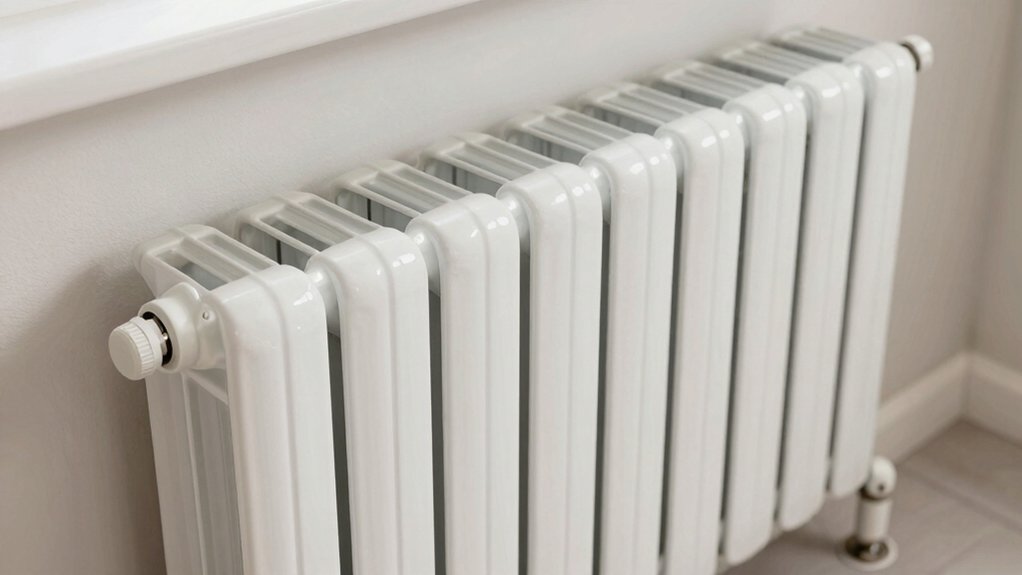
To keep painted radiators looking their best and functioning safely, establish a simple care routine: wipe down with a damp cloth to remove dust, inspect for chipped paint, and touch up any damaged areas promptly. Regular cleaning prevents grime buildup that dulls radiator aesthetics and signals compromised paint durability. Use mild soap if needed, then dry completely before reheating.
Inspect seals and brackets yearly; tighten loose components to avoid vibrations. Avoid harsh solvents that can lift finish, and never sand glossy surfaces. Repaint only when you can fully cure in a well-ventilated space. Schedule maintenance to coincide with seasonal heating starts.
- Clean regularly to preserve radiator aesthetics and paint durability
- Patch chips promptly with compatible paint
- Check mounting hardware and seals annually
- Avoid harsh solvents and aggressive sanding
- Recoat only after full cure in ventilated areas
Conclusion
Painting a radiator can be safe if you prep, choose heat-resistant paint, and ventilate well. Follow the steps, let it cure fully, and avoid overheating en route. If you notice peeling, fumes that sting your eyes, or corrosion, pause and reassess. When in doubt, call a pro. With proper care, your radiator stays functional and fresh—for you, it’s like a well-titted engine purring smoothly. You’ll gain peace of mind, and the room looks sharper.