
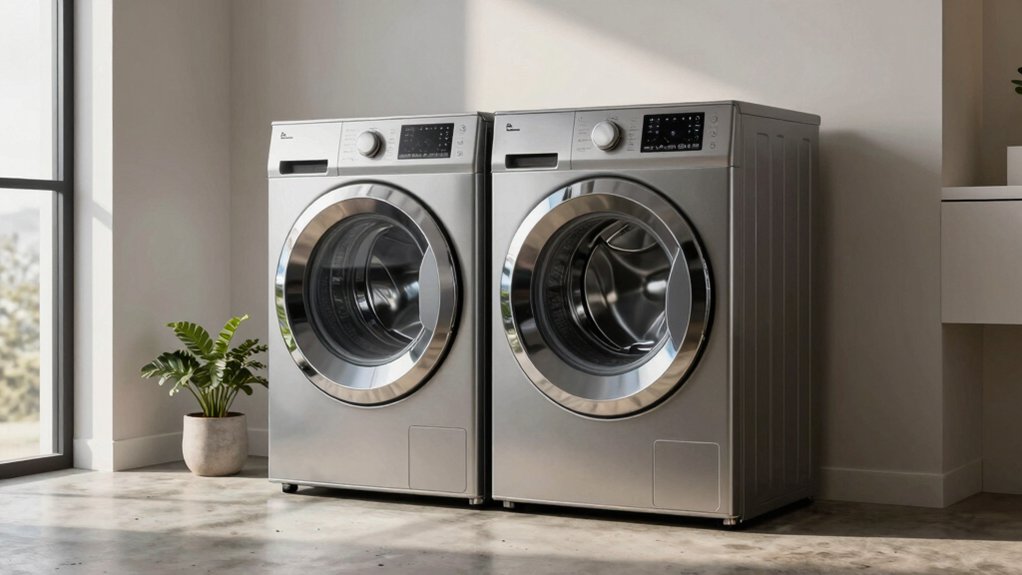
Heat pump dryers and water heaters use ambient heat to dry clothes and heat water, not electric resistance or flames. They recycle energy from the air, capture latent and sensible heat, and boost efficiency with a compressor that concentrates low-grade heat. They cut peak demand, lower bills, and pair well with smart controls and renewables. Choose a unit with appropriate capacity, space fit, and strong energy ratings for your climate. If you keep exploring, you’ll learn how to maximize savings and performance.
What Is a Heat Pump Dryer and Water Heater: and Why They Matter
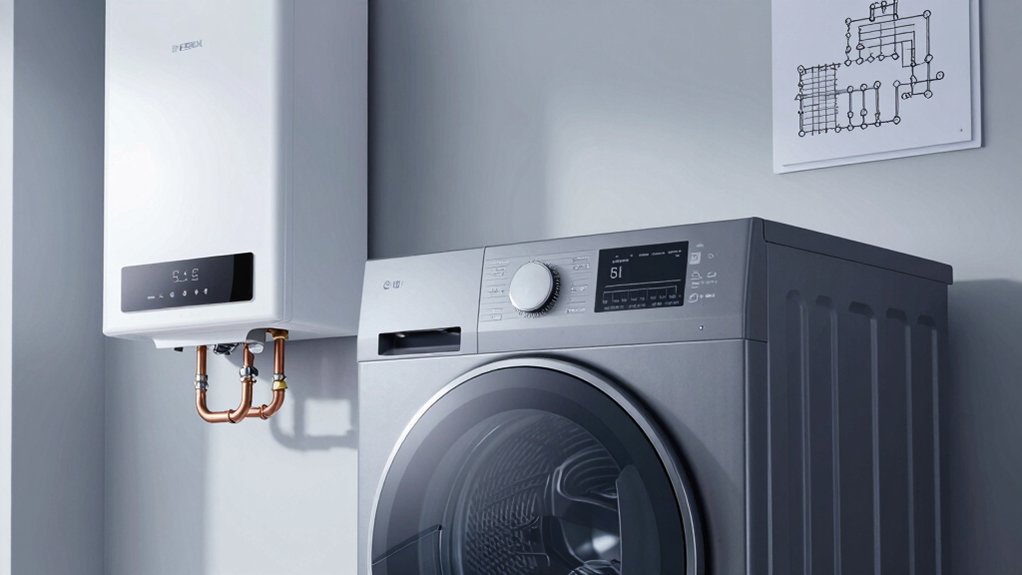
A heat pump dryer and water heater pair uses ambient heat to do the work, rather than relying on electric resistance or gas flames alone. You’ll recover and reuse thermal energy from the air to dry clothes and heat water, boosting efficiency without escalating electricity use.
In operation, a heat exchanger extracts latent and sensible heat, transferring it to the dryer drum and the water tank, while a compressor concentrates low-grade heat into higher temperatures suitable for laundry and domestic hot water. This approach reduces peak demand and lowers utility bills, especially when combined with smart thermostats or storage strategies.
Energy storage considerations matter for timing and cycling, while Noise levels stay manageable with modern variable-speed fans and sound-dampening enclosures. Overall, it’s a compact, practical upgrade.
How Heat Pumps Cut Your Home Energy Use
Heat pumps cut your home energy use by moving heat rather than generating it. Instead of burning fuel or generating heat from electricity, they transfer warmth from outdoors or adjacent spaces into your home during cool periods, and reverse during hot periods. This shift leverages refrigerant cycles and high-efficiency compressors to amplify existing ambient heat with far less energy input.
Because they rely on ambient sources, you can achieve meaningful savings even when outdoor temperatures aren’t extreme. Modern units pair with renewable energy sources to maximize efficiency, reducing peak demand and overall consumption.
Smart controls optimize operation, adapting to your routines, weather, and indoor setpoints. When integrated with renewable energy and smart controls, heat pumps deliver consistent, predictable reductions in utility costs.
Choosing a Heat Pump Unit: Capacity, Efficiency, and Space
When you choose a heat pump unit, you’ll want the right capacity to match your load and prevent short cycling.
We’ll compare efficiency metrics so you can weigh operating costs against upfront price, with a focus on real-world performance.
Space constraints matter too, since installation space affects ducting, clearance, and future flexibility.
Capacity Considerations
Choosing the right heat pump unit starts with capacity: too small, and performance suffers; too large, and you waste money and space. Start by mapping your laundry and hot-water loads across daily cycles, not peak bursts alone. Use conservative sizing for simultaneous demands—family use and occasional high-load days matter.
Consider drum capacity, cycle frequency, and tolerance for longer runtimes when temperatures swing. If you’re near the upper limit, you’ll gain faster recovery but risk higher upfront cost and footprint.
Ventilation requirements influence performance in confined spaces; ensure adequate air exchange to maintain efficiency. Noise levels matter in living areas, so compare inverter-driven models and installation options that minimize vibration.
Precision sizing reduces service calls and keeps long-term operating costs predictable.
Efficiency Metrics
Efficiency isn’t a separate feature—it’s the measure of your unit’s operating cost and performance over time. When you compare heat pump dryers and water heaters, focus on energy ratings that reflect actual energy use under typical loads, not ideal lab conditions.
Look for consistently high efficiency in common operating ranges, and note how performance benchmarks hold up across climate variations and cycle lengths. Capacity should align with your household demand without oversized standby losses.
Assess Seasonal Energy Efficiency Ratio (SEER) or Energy Factor (EF) equivalents your region uses, and translate them into expected monthly costs.
Space considerations matter, but don’t sacrifice efficiency for marginal footprint gains. A unit with strong energy ratings and robust performance benchmarks saves you money, reduces maintenance, and stabilizes long‑term energy bills.
Heat Pumps vs Conventional Models: A Clear Comparison
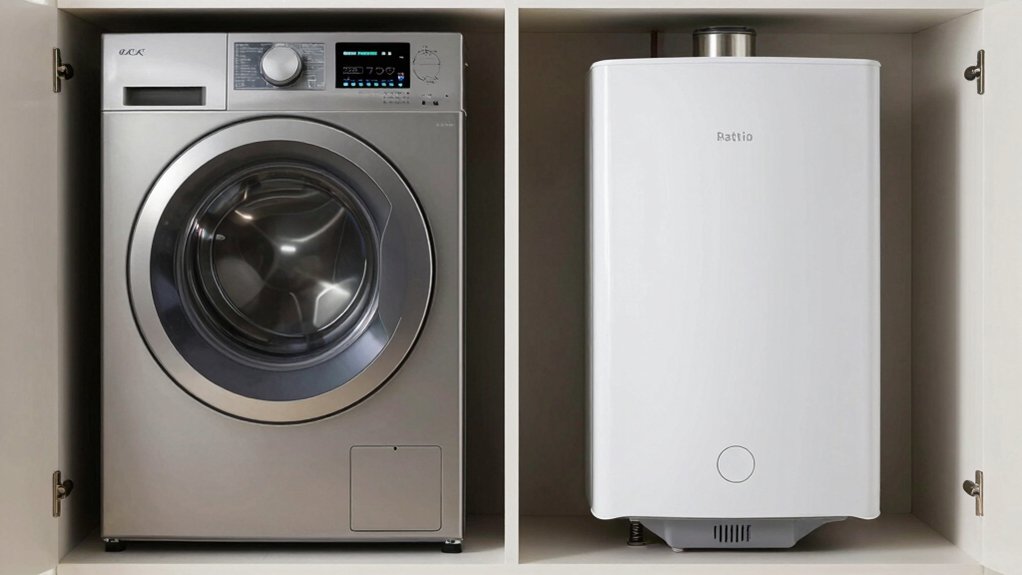
Heat pump models and conventional dryers differ most in energy use and operating cost, with heat pumps capturing heat from the surrounding air to do the drying at a lower temperature and power draw.
You’ll notice the big gap in electricity consumption: heat pumps recycle heat, so you get lower bills and gentler handling of fabrics. Traditional models rely on resistive or gas heat, which dries faster but wastes energy and wears clothes faster.
Noise Levels vary: heat pump units tend to run cooler and quieter, though compressor design matters.
Smart Controls let you optimize cycles, monitor performance, and adjust humidity targets remotely.
Real-World Savings, Costs, and Payback
Real-world savings come from lower energy use and gentler drying, but payback depends on your usage, local electricity costs, and the upfront price difference.
A solid cost analysis accounts for upfront costs, operating expenses, and potential incentives. In practice, you’ll see reduced monthly bills as you shift to high-efficiency operation, especially if your loads are frequent and lengthy.
Drying cycles typically run cooler and longer, increasing overall efficiency without compromising care for fabrics.
Environmental impact matters too: lower energy demand reduces your home’s carbon footprint.
Consider purchase price, expected lifespan, and maintenance needs when evaluating value. In many markets, tax credits or rebates shorten payback.
Track real consumption after installation to confirm projected ROI and refine future appliance choices.
Installation, Maintenance, and Troubleshooting Tips
Proper installation, routine maintenance, and proactive troubleshooting keep heat pump dryers and water heaters running efficiently and safely. You should place the unit on a level surface, ensure proper ventilation, and follow manufacturer clearances to prevent heat buildup and ducting issues.
Regular filter and coil cleaning reduces energy use, supports energy conservation, and preserves performance. Check electrical connections, thermostats, and sensors for secure, accurate operation; loose parts or miscalibration waste energy and shorten appliance lifespan.
Schedule annual professional inspections for refrigerant integrity and condensate drainage. Use manufacturer-recommended settings and avoid overloading cycles to minimize wear.
Address leaks, unusual noises, or error codes promptly to prevent cascading failures. Keep documentation handy, log maintenance, and replace gaskets and seals as needed to sustain efficiency and reliability.
Conclusion
You’ll notice the coincidence: your upgrade to a heat pump dryer and water heater aligns with smarter choices you already make—smaller bills, less heat waste, and a quieter home. These units leverage ambient energy, turning necessity into efficiency without sacrificing comfort. If you plan ahead, you’ll see steady payback as each cycle quietly compounds savings. In short, the right system fits your space, your habits, and your budget, delivering reliable performance when you need it most.