

Spring is the strongest window to sell in the UK. You’ll find more buyers, higher demand, and quicker offers as the season unfolds, with autumn offering a solid, urgent push before winter slows activity. Prices don’t shift wildly by season, but timing matters: regional sparks (London often leading) and school-term cycles influence momentum. Use midweek launches, staging, and realistic pricing to accelerate, while knowing you might pause during slowdowns. If you keep going, you’ll uncover how to optimize timing further.
Why Spring Signals Strong Demand for UK Buyers

Spring consistently brings heightened demand for UK homes. You’ll notice buyers rally as gardens wake up, with Garden landscaping boosting curb appeal and measurable interest spikes in listings that showcase outdoor space.
Data shows spring sales cycle shortens by weeks versus winter, and homes with spring-ready photos perform better in viewings.
You’re not just selling bricks; you’re selling lifestyle, belonging, and future memories, which buyers instinctively seek in this season.
Effective Home staging translates that intent into a tangible impression: bright rooms, tidy layouts, and strategic accents that guide buyers to envision living there.
As competition tightens in peak weeks, a well-timed launch paired with tasteful updates positions you ahead, optimizing price, speed, and confidence for buyers who feel they belong in your space.
What to Expect in an Autumn Selling Window
Autumn brings a distinct market rhythm: demand remains solid, but buyers often act with more urgency due to the countdown to winter and school terms. You’ll notice fewer days on market, yet higher intent among motivated buyers who’ve eliminated uncertainty from summer plans.
Listings with quarterly price assessments and precise marketing reach convert faster, especially when you showcase Seasonal decor that signals a ready-to-mall home for the holidays. Data indicates an uptick in activity around mid-autumn, driven by end-of-term decisions and mortgage timing, not just aesthetics.
Embrace transparency: provide clear timelines, recent comps, and contingencies. Offer flexible viewing options, including virtual tours, to widen your pool.
This window rewards preparation, clarity, and a welcoming, belonging-focused presentation.
Do Seasons Move UK Property Prices? What the Data Shows
Seasonal cycles do influence UK property prices, but the impact is nuanced rather than uniform. You’ll see patterns in volumes and pricing momentum across quarters, yet real moves hinge on broader market signals, not calendar dates alone.
Data shows modest seasonal skews: spring can boost listing activity and price momentum, while late summer often tempers demand. But year-to-year shifts—rates, inflation, and buyer sentiment—can overwhelm seasonal effects, creating notable market fluctuations.
For you, this means focusing on trend alignment rather than chasing peak seasons. Look for consistent momentum, not one-off spikes.
In practical terms, you may identify investment opportunities when valuations reflect tempered demand yet solid fundamentals. Treat seasonality as a guide, not a guarantee, and couple it with price signals, liquidity, and your personal readiness to act.
London vs. Up North: When Sellers Shine by Region
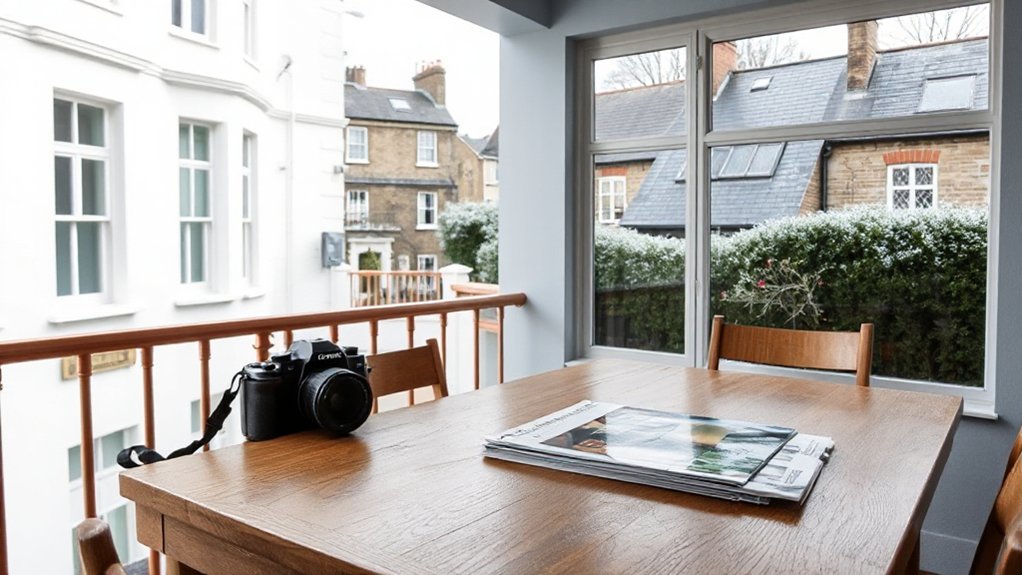
London tends to outperform its regional peers on seller momentum when demand concentrates in prime areas, but the North isn’t far behind where affordability and growth prospects attract buyers. You’ll see stronger listing competition in London’s prime belts.
Yet Up North markets offer steadier turnover as stock meets value-conscious buyers. This regional split shapes your strategy: consider market saturation in your area to calibrate timing and inventory levels, ensuring you don’t overwhelm buyers with too many similar homes at once.
Pair that with targeted pricing strategies—anchor pricing to local comps, then test micro-edges with smaller adjustments. By aligning your plan to regional dynamics, you’ll project confidence, attract committed buyers, and reinforce a sense of belonging in your selling journey.
How Bank Holidays and School Terms Drive Listing Momentum
Bank holidays and school terms shape when buyers are most active, and those timings can tilt listing momentum as you prepare to put a property on the market. You’ll notice peak inquiries around long weekends and term start weeks, when households coordinate moves with holidays and school calendars.
Data shows buyers move faster after breaks, while listings lingering over holiday periods can lose visibility. Planning around term times helps you align showings, open days, and marketing bursts with higher engagement.
Consider Holiday traditions that anchor family schedules, and anticipate Moving delays that arise from school-year logistics. By timing your price adjustments and photo refreshes to these rhythms, you foster belonging and trust with buyers who share similar routines.
Why Friday to Sunday Showings Speed Up Offers
Friday to Sunday showings create brisk momentum that translates into faster offers, as concentrated viewing windows boost buyer competition. You’ll see a tighter feedback loop and clearer demand signals during these prime open-house hours.
Supporting Weekend Showing Momentum and Weekend-to-Offer Acceleration, this cadence helps sellers price more accurately and secure stronger terms within Prime Open-House Windows.
Weekend Showing Momentum
Weekend showings create a momentum effect: as Friday through Sunday slots fill up, buyers feel urgency and fear of missing out, prompting faster, more competitive offers. Weekend momentum shapes buyer psychology, turning steady interest into decisive action and higher early bids.
- Saturday queues concentrate attention, signaling scarcity and value.
- Sunday closings become plausible, accelerating decision timelines.
- Early-week preparation improves offer quality through rapid feedback loops.
You’ll notice data trends: higher viewing-to-offer ratios on weekends, shorter negotiation windows, and stronger conditional acceptance metrics. By aligning showings with peak buyer energy, you cultivate a sense of belonging among interested parties—felt as exclusivity without elitism.
Weekend-to-Offer Acceleration
Even as the week unfolds, showing activity from Friday through Sunday accelerates offers by concentrating buyer attention and compressing decision timelines. You’ll observe a spike in viewings, followed by quicker bid clusters as weekend momentum narrows choices and heightens perceived demand.
Data indicates Friday previews prime buyers who’ve allocated weekend time, while Sunday closings often hinge on final impressions and urgency. To leverage this, align Open house strategies with concise, compelling sessions and targeted marketing that highlights seasonal decor to evoke warmth and aspirational living.
Presenters should reinforce consistent messaging, reducing friction for offers and encouraging a clear comparative path. This approach builds belonging, signaling you understand buyer rhythms and respond with disciplined, evidence-based scheduling and communication.
Prime Open-House Windows
1) Schedule back-to-back open houses on Friday evening, Saturday, and Sunday morning to create a sense of urgency.
2) Prepare curb appeal and interiors in advance, aligning home staging with the viewing rhythm to maximize perceived value.
3) Follow up within 24 hours with a clear, competitive bid timeline to sustain momentum and yield stronger offers.
This approach reinforces belonging and helps buyers envision a future in your home.
How Weather and Daylight Shape Buyer Mood

Weather and daylight profoundly influence buyer mood, and the impact is measurable: sunnier days and longer daylight correlate with higher foot traffic, more favorable impressions of homes, and quicker decision-making.
When the forecast stays bright, you’ll notice buyers linger, inspect light-filled rooms, and mentally stage spaces as ready-to-move-in. Conversely, overcast or stormy spells tend to soften urgency and raise sensitivity to price and security.
You can leverage data by scheduling viewings during peak daylight and avoiding glare on live-in photos. Consider how climate change and urban noise shape expectations: buyers increasingly value daylight-strewn interiors and quiet streets, which can tilt perceptions of value.
Align your listing with these realities to foster belonging and confidence in your sale strategy.
Should You List in Winter? Navigating the End-of-Year Slowdown
Winter markets tend to be slower, but a well-timed listing can still attract decisive buyers when demand shifts aren’t as seasonal.
You’ll want to weigh End‑Of‑Year Activity Shifts against Winter Listing Benefits, using recent data on closing times, price retention, and buyer depth.
If you plan around these Winter Market Dynamics, you can capture momentum before year-end fatigue settles in.
Winter Market Dynamics
Winter markets can be challenging, but knowing when to list still pays off: demand tends to tighten, yet buyers who search during holidays are often serious, meaning homes that show well can attract strong offers.
- Focus on presentation: crisp spaces, minimal clutter, and tasteful holiday decor to convey warmth without distraction.
- Align pricing with pace: expect shorter viewing windows and tighter competition, so price thoughtfully to attract serious comparisons.
- Timing for offers: holidays can yield rapid responses from motivated buyers seeking end-of-year moves.
Why this works: data shows fewer listings but steadier buyer intent during winter weeks, so well-prepared homes stand out.
You’ll build belonging by presenting a ready-to-act home, reducing negotiation friction and accelerating closure. Winter blues fade when buyers feel they’ve found a thoughtfully cared-for property.
End‑Of‑Year Activity Shifts
As the calendar year winds down, activity patterns shift in ways that can either hinder or help your listing, depending on how you respond. End‑of‑year demand often contracts, yet serious buyers continue, attracted by motivated sellers and less competition in some regions.
You’ll benefit from data‑driven pricing, staging, and timing that align with holiday rhythms rather than fight them. Highlight practical value, not just aesthetic appeal, and address buyer concerns—especially moving expenses—early in negotiations.
Consider how holiday decorations can evoke warmth without clutter, signaling a well‑loved home rather than a burden. If you plan to move, coordinate dates and costs to minimize friction, and communicate flexibility and reliability.
Informed pacing preserves urgency, even as the market slows.
Winter Listing Benefits
If you’re weighing whether to list now, the answer isn’t a simple yes or no — it’s a calculated audit of factors like demand, days on market, and seller motivation. You’ll also notice winter dynamics that shift buyer certainty and competition.
Key considerations to guide your decision:
- Holiday decorations signal readiness and warmth, helping buyers picture living there.
- Winter gardening prep accents exterior curb appeal even in colder months.
- End-of-year activity can suppress volume but concentrate qualified buyers with urgency.
With data, you’ll see pricing tightens but opportunities persist for well-presented homes. If your motivation is timely sale and you’ve prepared to showcase comfort and practicality, winter listing can be a strategic fit that fosters belonging and swift progress.
Matching Your Selling Strategy to Demand Cycles
Demand peaks and lulls in the UK housing market aren’t random; they follow identifiable cycles driven by seasonality, mortgage rates, and buyer sentiment. To align your strategy, you’ll map demand cycles to your listing plan, pricing, and marketing mix.
Observe market fluctuations: you may time improvements or staging to coincide with higher buyer showings in spring and autumn, while preserving flexibility during slower periods. Leverage data on average days on market and price progression to calibrate your expectations.
Consider buyer psychology: highlight value and urgency when demand tightens, then broaden exposure and incentives as activity softens. By matching actions to cycle phases, you’ll reduce days on market, protect equity, and nurture a community of informed buyers who feel they belong.
The Best Days to Launch a New UK Listing

Launching a new UK listing isn’t left to chance; the timing can measurably boost views and offers. You’ll benefit from choosing days that align with buyer activity, online algorithms, and mortgage considerations.
This matters because small timing shifts can influence engagement, especially when Property tax and Mortgage rates shape affordability.
- Launch on midweek days (Tuesday–Thursday) to catch peak browser sessions.
- Avoid weekends when attention leaks to leisure; secure momentum when decision-making is freshest.
- Align with payday and market updates when buyers are more financially prepared.
Pricing With Seasonal Demand in Mind
Seasonal demand isn’t a guessing game; it’s a predictable pattern you can plan around. In pricing, you translate cycles into numbers: demand surges in spring, eases in summer, and softens in winter, with local variations shaping price floors and ceilings.
You’ll want metrics from recent months—average days on market, final sale-to-list ratios, and price-per-square-foot—to set a realistic initial ask that aligns with market sentiment.
Consider market saturation: if nearby listings pile up, price confidence must be tempered; if you’re surrounded by fewer competitors, you can press a tighter margin with stronger staging.
Property staging becomes a price amplifier, reducing time on market and boosting perceived value.
Align your price with timing, backed by data, and invite buyers to belong.
Staging Tips That Capitalize on Timing
Staging early to capture peak buyer attention can shorten time on market and boost perceived value, so start prepping well before the rush.
Use timely tricks—brightening spaces, decluttering, and highlighting seasonal keywords—to align with current demand surges and show rooms at their best.
The data support prioritizing a staged, deadline-driven timeline to maximize appeal during peak windows.
Stage Early Peak
Timing your staging matters: staging early can amplify buyer urgency and shorten time on market, especially if you align it with favorable buyer activity and listing momentum. When you stage ahead, you signal confidence and care, which resonates with buyers seeking belonging and stability.
Data shows homes that surface during peak interest windows convert faster and at higher asking prices, even when accounting for property tax and moving costs.
Key steps to seize the early peak:
1) Align photos and curb appeal with upcoming market momentum to maximize initial inquiries.
2) Stage rooms for clarity and flow, minimizing clutter to reduce perceived moving costs.
3) Schedule showings strategically around weekends and bank holidays when buyer activity spikes.
Timely Staging Tricks
You’ve seen how staging early can boost buyer urgency and shorten days on market; now, apply timely tricks that lock in momentum. Timely staging hinges on data-driven decisions and market analysis that identify regional preferences, price bands, and buyer demographics.
Start with a focused home renovation plan that highlights structural strengths, declutters without stripping character, and supports a cohesive narrative of value. Prioritize lighting, neutral palettes, and intentional room pairings that maximize perceived space for both family life and entertaining.
Coordinate timelines with listing dates, ensuring improvements align with peak browsing periods and local demand. Use professional photos and virtual tours to extend the effect of your staging.
This approach reinforces belonging, signaling you understand buyers’ needs and offer compelling, timely value.
Marketing Channels That Work as Demand Shifts
As demand shifts, the channels you choose must align with where buyers are most active and price expectations are evolving. You’ll see performance shift as data signals change, so prioritize channels that track engagement and conversion in real time.
Use these proven options to reach motivated buyers:
1) Virtual tours you can share instantly, boosting perceived value and reducing unnecessary viewings.
2) Social media campaigns tailored to local markets, delivering fast feedback and broad reach with precise targeting.
3) Email segmentation that nudges interested buyers with timely updates, price tweaks, and open-house invites.
Rely on analytics to refine spend, not guesswork. When you align channels with evolving buyer behavior, you can shorten time on market and optimize offers.
This approach creates belonging by inviting informed participation from your audience.
Pre-Sale Checks to Prevent Delays in Peak Seasons

Preparing for peak selling season starts with a tight checklist: guarantee Pre-Sale Property Checks are complete, lock in a Document Readiness Checklist, and align Timing and Access Prep so viewings aren’t delayed.
The data show that homes with vetted documents and accessible scheduling win more offer momentum and faster closings.
Start now by validating all critical items so you can avoid bottlenecks as demand tightens.
Pre-Sale Property Checks
- Garden upgrades to boost curb appeal and first impressions
- Structural and safety checks to prevent lender hold-ups
- Neighborhood trends insights to align pricing and marketing
These checks reflect data-driven priorities that reinforce belonging—showing you care about the home, the community, and the buying journey.
Prioritize exterior presentation, essential repairs, and up-to-date utilities.
When you align property readiness with market signals, you set a confident, trusted narrative for buyers and lenders alike.
Document Readiness Checklist
In peak selling seasons, having a Document Readiness Checklist isn’t optional—it’s a strategic lever that accelerates offers and reduces lender hold-ups. You’ll align disclosures, title checks, and conveyancing milestones so buyers’ surveys won’t stall your sale.
This isn’t guesswork; it’s a data-informed guardrail that trims delays and builds buyer confidence. Include proof of ownership, gas and electrical safety certificates, and accurate property details to minimize renegotiations.
Pair the checklist with practical steps for home staging to present your property at its best, while marking financial planning milestones—costs, taxes, and expected receipts—to avoid last‑minute shortfalls.
Timing and Access Prep
- Verify legal considerations and property renovations align with compliance timelines.
- Lock access windows and pre-book inspections to prevent delays.
- Sync listing updates with lender timelines and peak-season ebbs and flows.
This prep builds belonging, confidence, and momentum as you move toward a timely sale.
Local Market Indicators to Watch Before Listing
Several key local indicators can signal the most favorable timing to list your home. You’ll want to track month-to-month price momentum, turnover rates in your postcode, and days-on-market trends, as these reveal thermal shifts in demand.
Market fluctuations beyond national averages can create micro-climates where buyers cluster, easing negotiations or accelerating offers when supply tightens. Monitor local inventory relative to your area’s typical absorption rate, noting seasonal upticks and quiet spells that shape competition.
Pay attention to buyer psychology indicators—confidence signals from mortgage approvals, concession frequency, and inquiry depth—that foretell bidding behavior.
Use this data to align your listing with peak activity windows, price positioning, and your personal timing, ensuring you join the market when buyers feel secure, informed, and ready to move.
How to Accelerate a Sale With Realistic Expectations
Setting realistic timelines helps you manage expectations and reduce listing friction, since data shows most homes attract steady interest within 4–12 weeks depending on market conditions.
Stage for quick offers by presenting a clean, well-lit property and a compelling price band, which research links to higher early viewing-to-offer conversion.
Set Realistic Timelines
To set realistic timelines, start by aligning your expectations with current market data and typical sale cycles in the UK. You’ll gain clarity by factoring in market saturation and proven pricing strategies, not wishful thinking. This keeps momentum steady and confidence high.
1) Align pricing with value: compare comps, avoid overpricing, and monitor how demand shifts.
2) Set milestones: establish showings, feedback windows, and decision deadlines to prevent stalls.
3) Scout contingencies: build buffers for slower periods, lender delays, and appraisal variances.
A data-driven approach elevates your listing, signaling belonging to buyers who trust stability. With disciplined timelines, you preserve momentum, reduce days on market, and improve negotiating position, while staying aligned with market rhythms rather than chasing hype.
Stage for Quick Offers
Invest in curb appeal to convert inquiries into offers: tidy façades, seasonal decor that feels inviting, and a well-lit entry.
Acknowledging constraints with buyers builds trust, so outline a concise offer process, mandatory disclosures, and a reasonable contingency framework. By communicating your position transparently, you create a sense of belonging and momentum among serious buyers, speeding decisions without eroding value.
Pair pricing credibility with visible upkeep to drive quicker, closer negotiations.
When to Pause Listing Activity to Protect Your Position
Strategically pausing listing activity can protect your position when market signals turn uncertain, such as rising interest rates, reduced buyer demand, or seasonal slowdowns. By delaying exposure, you preserve leverage for when conditions improve, and you gather clearer data on buyer sentiment and pricing dynamics. Use pause periods to reassess pricing bands, marketing tactics, and target audiences without pressuring negotiations.
- Monitor Market fluctuations: track price trajectories, days-on-market, and demand shifts to time re-entry precisely.
- Schedule Listing pauses strategically: align breaks with seasonal lows or anticipated policy changes to minimize impact.
- Rebuild momentum with refreshed campaigns: update photos, reposition value, and sharpen your narrative for higher-quality inquiries.
Listing pauses help you regain control, sustain confidence, and position yourself for stronger offers.
Practical Checklists for Spring, Autumn, and Year-Round Selling

Spring, autumn, or year-round selling isn’t just about timing—it’s about data-informed routines that keep your listing competitive. You’ll follow practical checklists that translate seasonal trends into actionable steps, helping you feel confident in every decision.
In spring, focus on curb appeal with garden landscaping that signals vitality and care, plus light, airy home staging that brightens rooms without overdoing it.
Autumn calls for seasonal warmth and neutral fixes that appeal to broad buyers, paired with updated photos that reflect current coziness.
Year-round efficiency comes from recurring maintenance, consistent pricing, and prompt responsiveness to inquiries.
Quick Framework: Choose Your Optimal Selling Window
To pick your ideal selling window, start with a simple, data-driven filter: match your listing to peak demand periods without overpricing or rushed timelines. You’ll align seasonal decor to buyer mood, and account for market saturation in your price strategy.
3 practical steps:
- Assess regional demand curves and holiday capture windows.
- Calibrate listing timing to avoid peaks with high inventory.
- Lock in pricing that reflects current market conditions and seasonal decor appeal.
A smart frame keeps you data-driven, not guesswork. Track price momentum, time-on-market, and buyer activity weekly, then adjust promptly.
This approach builds belonging—where buyers feel seen, informed, and confident. The result: a smoother sale, fewer delays, and a window that maximizes value.
Frequently Asked Questions
How Long Before Selling Should I Prepare My Home?
You should start preparing about 4–6 weeks before listing. You’ll benefit from home staging, decluttering, and quick repairs to maximize appeal.
Monitor market trends and adjust accordingly. Lighter pricing, sharper photos, and clear narratives boost buyer confidence.
You’ll feel you belong when spaces feel effortless and welcoming.
This data-driven approach helps you stand out, accelerate viewings, and secure stronger offers, especially as seasonal shifts and demand ebb or rise in line with market trends.
Do Mortgage Rates Affect My Listing Timing?
Mortgage rates do affect your listing timing. When rates rise, buyers slow, so you might wait for favorable Market trends.
When they fall, demand often surges, speeding your sale. Track Interest rates monthly and align your price, amenities, and timing accordingly.
You’ll gain confidence by anchoring decisions to data, not guesswork, and stay competitive with market-ready details.
Informed choices help you join a community of buyers who feel seen and supported in your home journey.
Is It Better to Sell With a Lease or Vacant?
It’s better to sell vacant. You’ll attract more buyer interest, show spaces clearly, and accelerate offers.
Market trends and recent data favor ready-to-move-in homes, while lease scenarios can deter perception of flexibility. You’ll appeal to buyer demographics seeking immediacy and certainty, and you’ll compare timelines more easily.
Keep staging neutral, highlight layout, and present clear vacancy timelines. This approach projects confidence, reduces prolonged negotiations, and aligns with current market trends and the preferences of your target buyer demographics.
How Do I Price for a Quick Sale?
You should price for a quick sale by using aggressive, data-driven pricing strategies and by tracking market fluctuations daily.
Start with comps, set a competitive anchor, and offer a time-limited incentive to attract buyers quickly.
Monitor demand shifts, adjust price in small increments, and avoid overpricing.
You’ll build trust through transparency, signal value, and create urgency.
This approach aligns with market fluctuations, helps you sell faster, and fosters a sense of belonging among buyers seeking certainty.
What Costs Rise With Seasonal Selling?
Costs rise with seasonal selling mainly due to higher marketing spend, professional photography, and extended listing durations during peak windows. You’ll also face additional energy, utility, and presentation costs as demands from market trends shift with seasonal demand.
You’ll notice pricier staging in spring and summer, and potentially stricter conveyancing timelines at busy periods. Plan for these bumps, align budgets with market trends, and lean into seasonal demand to reinforce belonging and confidence in your decision.
Conclusion
You’ll be best served by tuning to the data, not myths. Spring nudges demand upward, autumn narrows competition, and regional quirks shift timing. If listings align with school terms and bank holiday rhythms, you’ll likely move faster at a fair price. But don’t chase peak hype; pace yourself with realistic expectations and solid pricing. Consider a pause if momentum wanes, then re-enter with fresh clarity. In short, time it, price well, and let the market kindly respond.