
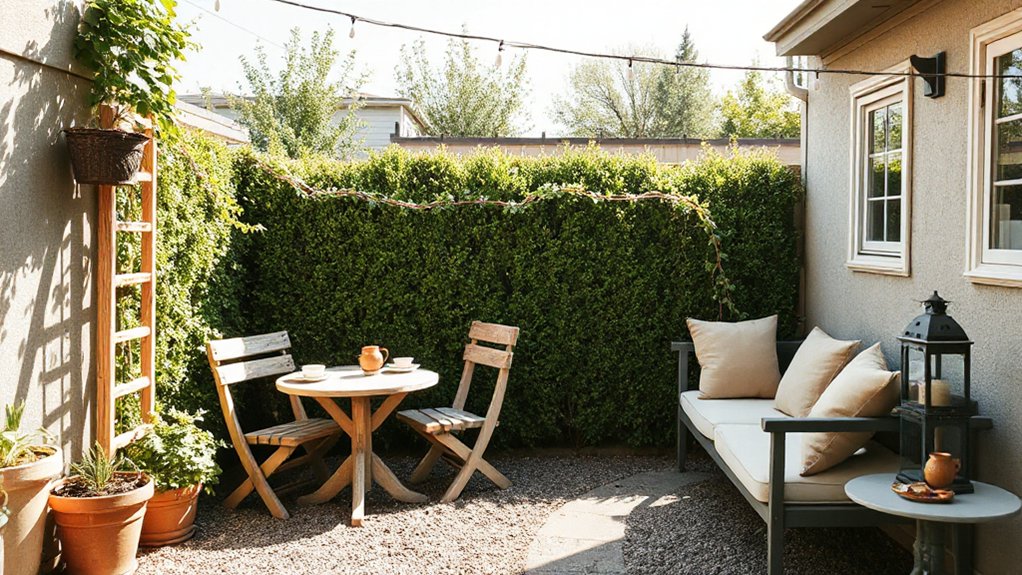
Maximize every square foot with seating that doubles as storage and defines cozy gathering zones. Start by mapping zones for seating, circulation, and planting, then group plants by light and moisture to support easy paths. Choose compact, weather‑resistant pieces with hidden storage and modular capability to reconfigure for family life. Use light colors, layered lighting, and safe, rounded designs to keep the space feel open. If you keep exploring, you’ll uncover practical layouts that suit your family’s rhythm.
Why Small Gardens Deserve Seating Solutions
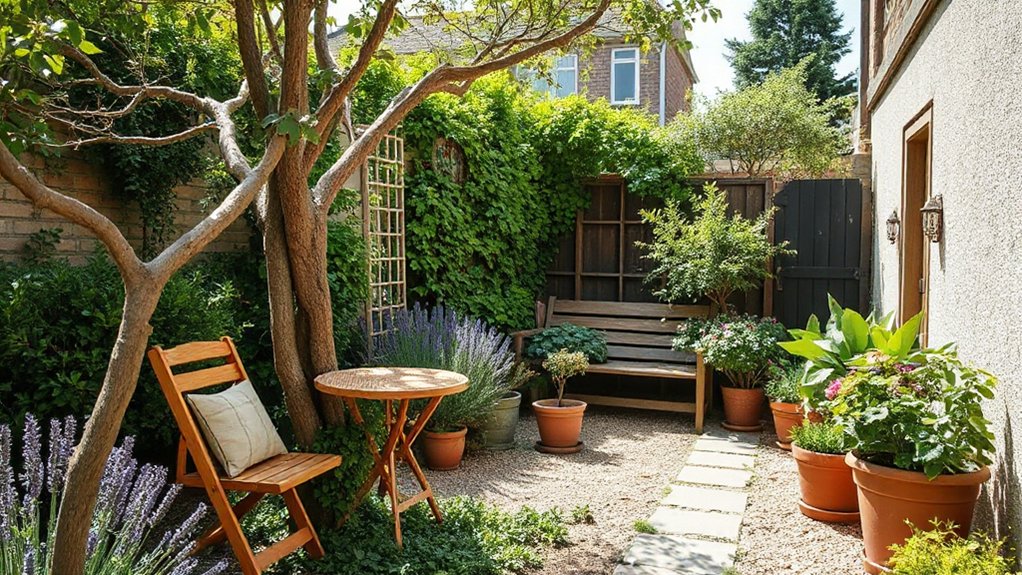
Small gardens still deserve seating solutions because they extend usable outdoor time without needing extra space. You’ll gain a practical edge when seating doubles as storage, a staging area for garden decor, and a quiet retreat after busy days.
In compact spaces, every element should earn its place; consider how seating frames views, guides movement, and invites conversation. You’ll notice that thoughtful planting arrangements enhance comfort, with shrub borders or vertical planters creating microenvironments that feel larger than they are.
Choosing materials that weather well reduces upkeep, keeps routines smooth, and preserves the sense of belonging you’re seeking. With purposeful design, your seating becomes a functional, welcoming center for shared moments and personal respite.
Map Your Space: Zones, Sun, and Shade
Start with a clear map of your outdoor space by identifying zones for seating, circulation, and planting, so you can place elements where they’ll perform best. You’ll gain clarity when you tag sun and shade patterns across the day, then align seating to the sunniest pockets and shade refuges for hot afternoons.
Map planting zones alongside zones for movement, so paths stay clear and inviting. This clarity supports garden decor that feels intentional, not accidental.
- Identify sunlit seating pockets for morning coffee
- Reserve shaded nooks for long conversations
- Group plants by moisture and light needs in cohesive zones
Compact Dining That Fits: Tables and Chairs for Tight Spots
If you’re working with a tight footprint, choose compact dining options that maximize seated capacity without crowding the space. Start with a pedestal or drop-leaf table to free floor area when not in use, then pair it with slim, stackable chairs that tuck neatly under the table.
Opt for rounded edges to reduce collisions and improve flow between garden decor elements. Consider extendable or angular shapes to align with irregular borders without sacrificing seating.
Use vertical eye-lines to feel openness: choose two to four seats in a row, not a long bench.
Plant placement and specimen selection should frame the dining zone, guiding movement while preserving comfort.
Prioritize materials that resist weathering and maintain a cohesive, inviting atmosphere for gatherings.
Multi-Purpose Furniture for Year-Round Use
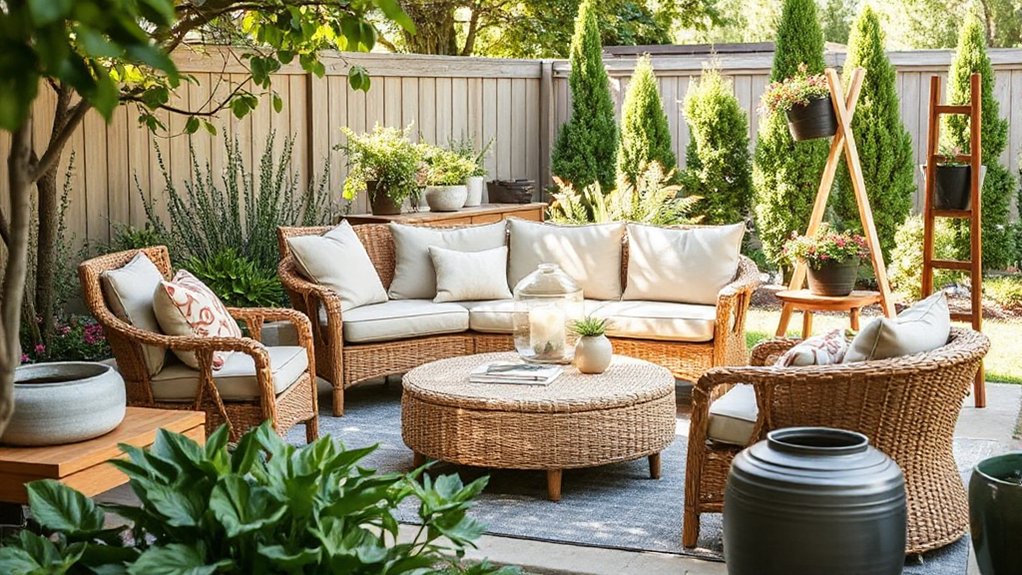
Multi-purpose furniture shines when you’re planning year-round use, because it maximizes function without sacrificing space. You’ll appreciate versatility that adapts to seasons, guests, and chores, keeping your small garden feeling connected to home.
When selecting pieces, prioritize modular basics that don’t overwhelm sightlines, and choose materials built for weather swings. Multi purpose furniture should support daily life, not complicate it, so invest in clever storage, easy-clean surfaces, and secure fastenings.
- Convertible seating with hidden storage for blankets and cushions
- Nesting tables or benches that expand without crowding
- Foldable surfaces that transform into dining or workspace areas
This approach fosters belonging: people gather, contribute, and feel seen, even in tight spaces. year round use, multi purpose furniture.
Storage-Smart Seating to Save Space
Hidden-stow seating lets you reclaim floor space without sacrificing comfort, so you can keep essentials tucked away yet accessible.
Multi-function outdoor benches combine seating with built-in storage, simplifying clutter control while staying stylish.
As you plan, weigh how each option balances ease of use with overall garden flow and lasting durability.
Hidden-Stow Seating Solutions
Hidden-stow seating pairs form with your garden plan, letting you reclaim floor space without sacrificing comfort. You’ll notice how hidden storage and covert seating integrate seamlessly, supporting both daily use and hosting needs.
- It functions as a compact station for cushions, garden tools, or snacks.
- It shifts from casual seating to a storage hub without adding clutter.
- It encourages mindful placement, maximizing sightlines and social connection.
This approach stays practical and analytical: you evaluate each piece for sturdiness, access, and ease of cleaning, ensuring the system remains inviting for everyone.
Multi-Function Outdoor Benches
As you extend the idea of compact, hidden storage into everyday seating, multi-function outdoor benches become a practical backbone for small gardens. You’ll gain storage without sacrificing style, turning underused nooks into tidy, usable corners.
These benches support flexible seating arrangements, adapting from solo lounging to group gatherings with ease. Look for hinged lids, weather-resistant materials, and easy-access compartments that soothe clutter without adding bulk.
The right design preserves sightlines, so your space feels open and welcoming while still offering stash-ability for cushions, games, or tools. Prioritize durability, maintenance, and comfort in equal measure, ensuring outdoor furniture earns a spot in daily routines.
With thoughtful choices, you foster belonging, simplicity, and calm in every outdoor moment.
Flexible Layouts for Sun and Shade
When designing flexible layouts for sun and shade, start by mapping how light shifts across your space throughout the day and across seasons. You’ll gain clarity on how to place elements for comfort, access, and flow, not just visibility. Use adaptive zones to guide seating areas, dining spots, and plant pockets. This approach balances comfort with practicality and fosters belonging as everyone can claim a preferred light corner.
1) Position outdoor furniture to migrate with shade using movable screens or screens-in-a-row as needed.
2) Create a mixed-use zone pairing shade solutions with sunlit dining to extend usability from dawn to dusk.
3) Layer soft textures and subtle color shifts to unify both sunny and shaded nooks.
The Best Tiny-Patio Seating: Swings, Benches, Stools
Swing your layout toward comfort with compact options, then assess how each choice—swings, benches, or stools—fits your tiny patio’s traffic flow and reuse needs.
Consider swing comfort tips first: seat height, back support, and the ease of getting on and off, so you don’t trade space for strain.
We’ll compare tiny-patio seating options for efficiency, durability, and the ability to pair with multiuse surfaces, inviting discussion on what works best in your space.
Swing Comfort Tips
If you’re choosing tiny-patio seating, swings, benches, and stools each offer distinct comfort trade-offs you can leverage in a small garden. To optimize swing comfort, align seating高さ and back support with your posture, and guarantee a gentle swing rhythm that doesn’t jar joints.
Seating ergonomics matter: choose cushions with firm density, breathable fabric, and quiet fastenings to prevent shifting.
- Assess posture: back, hips, knees, and feet align when seated, reducing fatigue.
- Test cushions: opt for medium firmness and moisture-wicking covers for all-season use.
- Fine-tune height: adjust swing chains or seat heights so ankles rest naturally and shoulders relax.
Prioritize comfort data over aesthetics alone, and invite family to test prototypes. This builds belonging through shared, practical insights.
Tiny-Patio Seating Options
Tiny-patio seating boils down to choosing compact, versatile pieces that maximize comfort without crowding your outdoor space. Start with swings, benches, and stools that fold or stack for easy reconfiguration. You’ll want weatherproof materials, neutral tones, and subtle textures that blend with plant arrangements rather than overpower them.
Position seating to create intimate nooks while keeping traffic flow clear, so you feel invited rather than boxed in. For comfort, add cushions with quick-dry covers and consider a small, multi-purpose table that doubles as a step for raised planters.
Think about pest control in the design: planters raised off the ground, gaps for airflow, and natural deterrents. Acknowledge shared spaces, and invite others to inhabit the tiny patio as a warm, belonging-rich retreat.
Built-In Benches That Double as Planters
- Choose low‑maintenance perennials and compact shrubs to minimize pruning and pests.
- Plan integrated drip irrigation and self‑watering pockets to curb water waste and garden pests.
- Align bench seating with raised planters to encourage conversation and effortless viewing of greenery.
This setup blends belonging with function, inviting ongoing care and shared moments.
Leveling and Layering to Maximize Ground Use
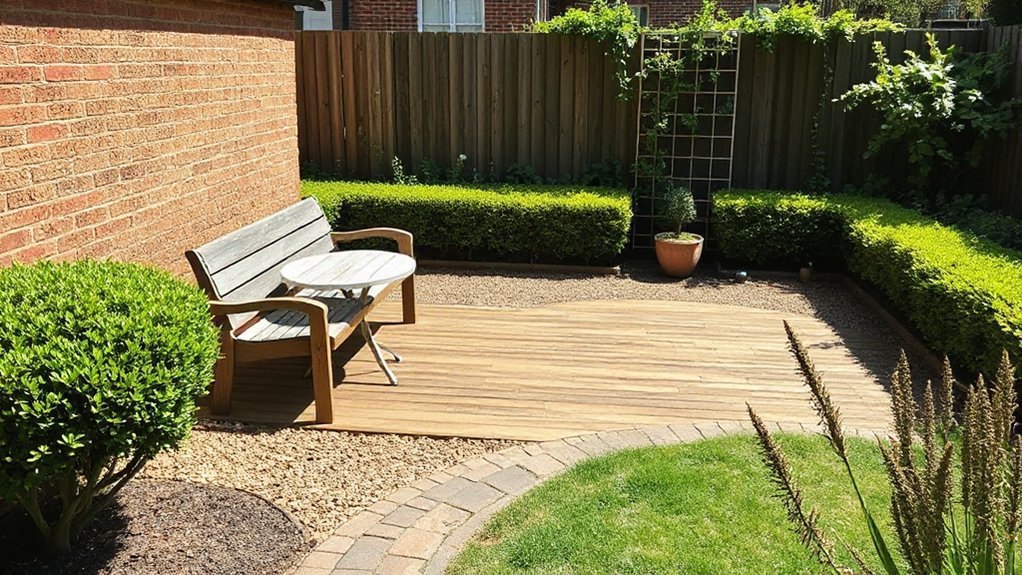
You can optimize every square foot by leveling uneven ground and layering different elevations for function and flow. Think in terms of Ground-Level Optimization, Tiered Patio Concepts, and Space-Efficient Zoning to create distinct usable zones without crowding the area.
This approach helps you maximize seating options while preserving sightlines and ease of movement.
Ground-Level Optimization
- Prioritize flat, compacted soil before laying pavers or decking, then add a permeable base to prevent pooling.
- Use a small-grit mulch or rubberized infill to boost traction while preserving root access for plants.
- Plan a cohesive path-and-bed sequence that guides foot traffic, minimizes wear, and supports easy maintenance.
Tiered Patio Concepts
Tiered patios let you maximize ground use by stacking living levels without expanding their footprint. You’ll design with purpose, zoning spaces for dining, lounging, and planting, then connect them with steps or ramps that feel integral, not add-ons.
Tiered gardens create microclimates—sunny tiers for herbs, shaded ones for seating—that boost usability without crowding your yard. Elevated decks provide drama and view, while keeping circulation clear and safe for kids and guests.
Use durable materials that weather gracefully and unify levels, so gradual changes feel seamless. Consider built-in benches and planters to fuse seating with greenery, increasing occupancy without clutter.
Plan sightlines and sight distances from each level to preserve a sense of belonging; everyone feels connected, whether hosting or relaxing.
Space-Efficient Zoning
Maximize ground efficiency by using leveling and layering to define distinct zones without expanding your footprint. You’ll carve purpose into every square inch, balancing function with flow, and cultivating garden feng shui that feels welcoming. Layering creates micro-areas for sitting, dining, and prep, while preserving sightlines and easy circulation for family moments.
- Plan zones with low, layered barriers—pavers, gravel, and ground covers—that hint at boundaries without crowding.
- Place seating and dining along sightlines, ensuring outdoor privacy with trellises, screens, or vertical greenery.
- Use height variation to draw focus, using staging for plants and storage to reduce clutter and enhance belonging.
The result is practical, calm, and inclusive—a space that serves everyone.
Weather-Ready Materials That Last in Small Gardens
Weather-ready materials matter in small gardens because every square foot counts, and durability under sun, rain, and temperature swings saves time and money. You want seating that remains sturdy without constant upkeep, so choose weather-tested options like powder-coated metal, treated timber, and recycled composite blends.
Think maintenance-light, not maintenance-free: seal or stain periodically, match fasteners to climate, and avoid coatings that trap moisture. Plan for drainage, ventilation, and air flow so cushions dry quickly.
Consider modular designs that adapt with seasons, and pick garden art and wildlife-friendly materials that weather gracefully. With resilient choices, you create a sense of belonging where guests relax together.
Garden art and wildlife habitats subtly reinforce your space’s durable, inviting identity.
Color and Texture That Visually Expand a Tight Nook
Color tricks for space and textures that read bigger set the benchmark here, guiding you to choose light, cool tones and low-contrast palettes that blur into the background. Use textures with subtle, linear patterns and matte finishes to minimize visual noise.
While doing so, sparse, purposeful accents avoid crowding the eye. Start by testing swatches across surfaces to confirm that color and texture work together to visually enlarge the nook.
Color Tricks For Space
Small spaces read as bigger when you use color and texture strategically: light, cool hues recede, while warm tones advance, making walls feel farther apart and the nook feel more open. You can harness color psychology and color coordination to shape perception without crowding the eye.
- Use a cohesive palette: choose 2–3 colors that harmonize and repeat them across furniture, cushions, and planters.
- Accent with contrast: add a single, bold color on one focal piece to draw the eye without overwhelming the space.
- Dimensional variety: pair matte finishes with subtle gloss so surfaces read different distances.
Practical takeaway: plan color blocks like a layout map, test in daylight, adjust until everything feels connected and inviting.
Textures That Read Bigger
Texture choice can make a tight nook feel larger by playing with light, depth, and contrast. You’ll want textures that reflect and refract, not overload.
Opt for smooth surfaces paired with subtle ribbing or weaves to create visual depth without crowding the eye. Light-colored materials and glazed finishes bounce more light, while matte, tactile fabrics add dimension.
Consider how garden decor elements and plant placement interact: place glossy pots near darker corners to pull the eye outward, and use softer textures closer to seating to invite linger.
Balance scale so textures echo across the space rather than compete. Choose varied patterns that repeat in restrained cadence.
This approach strengthens belonging, guiding you to a calm, cohesive nook.
Lighting Ideas to Extend Evenings Outdoors
Outdoor lighting isn’t just about visibility; it shapes mood, safety, and how long you can enjoy your space. When planning, think in layers: functional task light, ambient glow, and focal accents that invite lingering conversations under stars.
- Garden lighting: position low-voltage paths to guide feet without glare, using warm-toned lamps for a welcoming feel.
- Outdoor illumination: mount string or inset fixtures to soften edges, creating a cohesive outdoor room rather than a jumble of beams.
- Accent strategies: highlight a specimen plant or water feature with narrow-beam spots to draw the eye and foster a sense of belonging.
Keep controls simple with dimmers and timers to adapt as seasons shift and gatherings grow.
Budget-Friendly Seating Ideas That Still Look Great
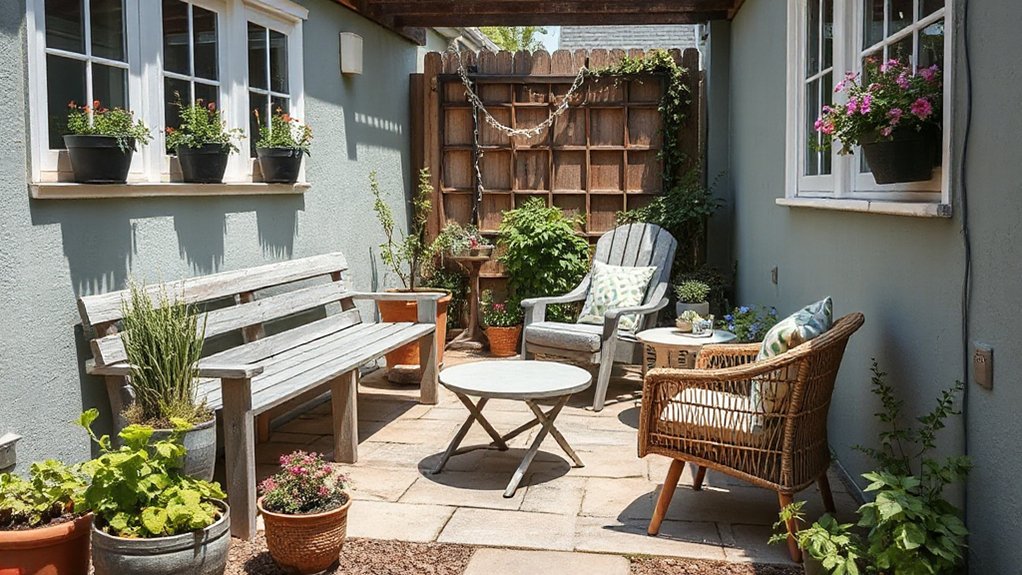
You can get stylish seating on a budget by mixing readily available pieces with a few smart updates. Think practical choices that combine comfort, durability, and visual appeal, like durable cushions on a compact bench or repurposed finds refreshed with new fabric.
This approach matches our Budget-Friendly Seating Ideas with stylish yet affordable options, inviting you to test how small changes yield big impact.
Budget-Friendly Seating Ideas
- Use stackable chairs and inexpensive cushions that weather well, storing them indoors when not in use.
- Create focal points with garden art or a simple herb bed, turning seating into a sociable retreat while supporting wildlife habitat.
- Build DIY benches from pallets or salvaged boards, painting them a unifying color to unify different textures.
This approach keeps costs down, strengthens belonging, and preserves a thoughtful, resourceful garden vibe.
Stylish Yet Affordable Options
If you’re aiming for stylish seating without blowing your budget, start with versatile staples that blend form and function. The core idea is to combine budget options with durable materials that weather well, so you don’t chase replacements each season.
Look for modular pieces that you can rearrange to suit gatherings, then add small, high-impact accessories: cushions in bold but cohesive tones, a lightweight coffee table, or a foldable bench.
Style tips emphasize reusable concepts over impulse buys—choose colors and textures that echo your garden’s natural palette to create cohesion.
Prioritize comfort and scalability: opts for cushions with resistant fabric, easy-clean surfaces, and stackable chairs that store neatly.
This approach delivers stylish, affordable seating that feels intentional and inclusive for everyone who visits.
DIY: Assemble Modular Seating
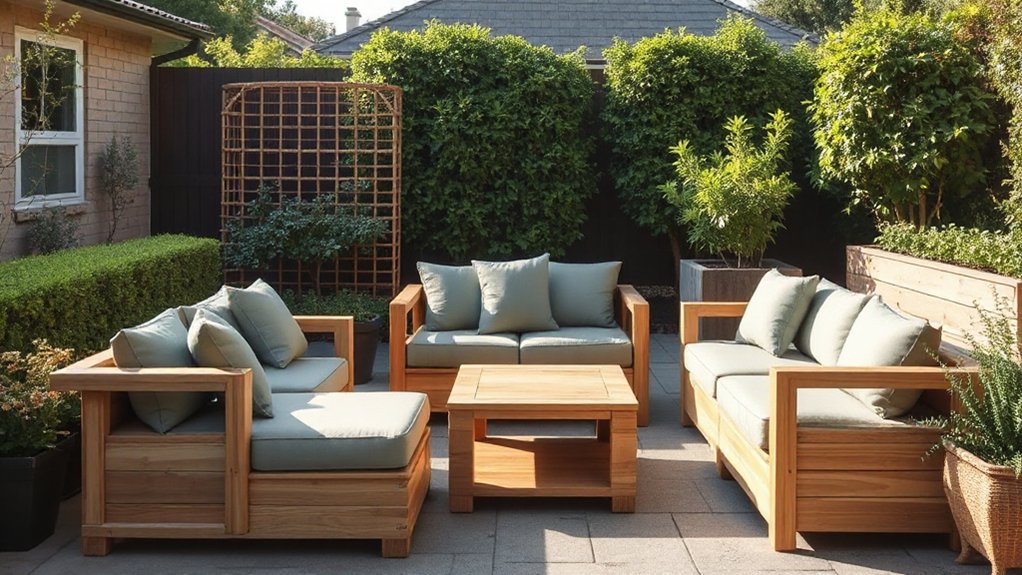
Modular seating makes small gardens feel bigger by letting you tailor comfort and layout on the fly. You’ll gain flexibility as you build benches, stools, and backrests from lightweight frames and weatherproof cushions. This approach keeps traffic flow clear and invites everyday conversation around focal features like plant arrangements and water features.
To get solid results, plan joints, storage, and easy disassembly from the start.
- Design compact modules that can be reoriented for group meals or quiet chats.
- Use durable, low-maintenance materials and fastenings that resist weather and fading.
- Integrate hidden storage for cushions, blankets, and outdoor accessories.
With careful assembly, you create belonging through adaptable seating that supports both togetherness and solitude.
Safety Tips for Compact, Family-Friendly Layouts
Smart layouts keep kids safe and playtime smooth by prioritizing sightlines, clear paths, and sturdy, non-slip surfaces. In compact spaces, position seating to create natural boundaries that guide movement without trapping you. Keep high-traffic zones well away from grills, fireplaces, or hot surfaces, and ensure chairs are stable on turf or decking.
Integrate low, open sightlines so you can supervise while tending tasks, and choose furniture with rounded edges to minimize bumps. For fire safety, place a designated, unobstructed area for any flame source, and store tools and fuels securely out of reach.
Child proofing means locking cabinets, securing loose cords, and using covers on outlets. Regularly inspect fixings, cushions, and cushions’ seams for wear, replacing damaged pieces promptly.
Accessorizing Small Spaces Without Clutter
1) Pick compact furniture with built-in storage to hide essentials and reduce surface clutter.
2) Use artificial turf strategically to define zones without adding visual heaviness, while upgrading feel and ease of maintenance.
3) Implement a simple pest control plan—sealed containers for dry goods, targeted repellents, and unobtrusive traps—so you breathe easy.
You’ll feel a cohesion across textures, colors, and scales, making the space welcoming without distractions.
You’ll notice how fewer, deliberate choices foster belonging, helping guests settle in quickly.
The result is a tidy, functional garden retreat that reads calm, not crowded.
Case Study: Tiny Garden Seating That Works for Families
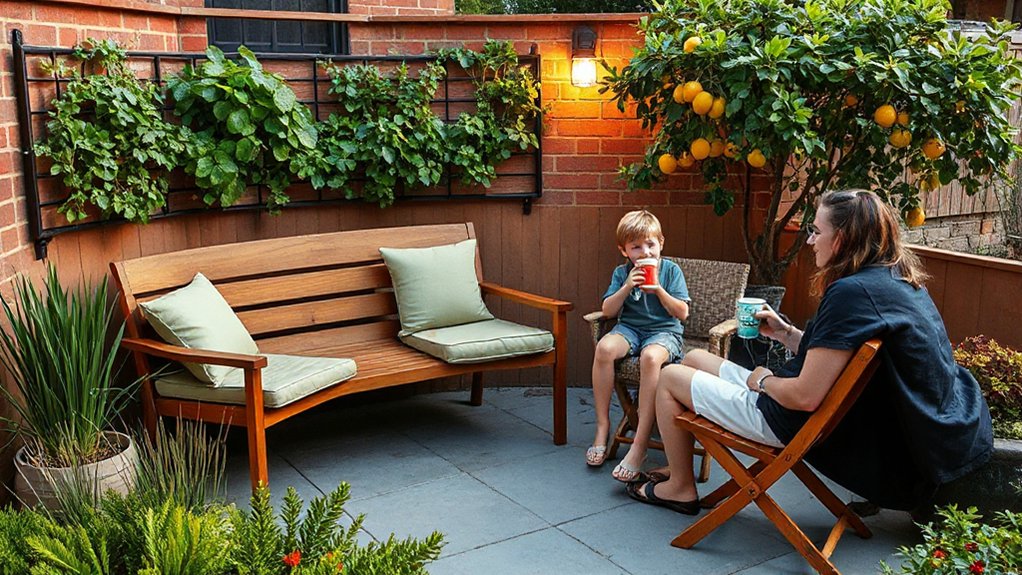
Even in a tiny yard, families can get functional seating that fits—and fits well. This case study distills actionable patterns you can apply, not fluff.
First, choose modular pieces you can rearrange for dining, play, or conversation, then add cushions with washable covers for practicality.
In tight footprints, built‑in benches with storage release hidden capacity, while folding options keep options open without crowding a path.
Observe how placement supports flow: a narrow path should bisect seating to minimize obstruction, not block access to garden art or play zones.
Integrate greenery to soften edges and attract wildlife habitats, creating a sense of belonging rather than separation.
Prioritize durable materials, low maintenance, and accents that reflect your family’s style, so every gathering feels inclusive and purposeful.
Maintenance Routines to Keep Seating Inviting
Maintenance matters when you want seating to stay inviting, and a simple routine beats costly surprises. You’ll create consistency by pairing quick checks with targeted care, so your space feels welcoming every week.
Focus on two core areas: Garden pests and Plant selection.
- Inspect weekly for pests on plants surrounding seating, removing infestations early to protect fabric and wood.
- Swap or prune vulnerable plants with resilient options, prioritizing species that deter pests and tolerate sun, shade, and foot traffic.
- Clean surfaces after use and seal wooden furniture seasonally to prevent moisture damage and staining, keeping seating comfortable and durable.
A thoughtful routine reinforces belonging: tidy corners invite conversation, while informed plant choices reduce maintenance surprises and foster shared pride.
Frequently Asked Questions
How Do I Measure for Safe Seating in a Tight Yard?
To measure for safe seating in a tight yard, first map usable space with painter’s tape.
Then subtract a clear circulation gap of at least 36 inches around each seat.
Opt for space saving furniture that fits your paths, and choose compact seating arrangements that don’t block sightlines.
Confirm weight limits and stability, test with you in mind, and allow room for cushions and legs.
This practical approach helps you belong, safely enjoying your cozy outdoor haven.
What Materials Are Best for Kid-Friendly Patio Furniture?
Your best bet is weather resistant materials like powder-coated steel or high-density resin, plus sturdy wood treated for durability.
Choose eco friendly options such as FSC-certified teak or recycled composite to cut environmental impact.
Prioritize rounded edges, kid-safe finishes, and non-slip surfaces.
Light, modular pieces are practical for tight spaces, easy to rearrange, and build a cozy sense of belonging.
You’ll get long-lasting, low-maintenance furniture that stands up to curious little hands.
How Can I Create Airflow Around Compact Seating Areas?
To improve airflow around compact seating areas, place chairs where natural cross breezes can reach, and leave at least 3 feet of clear space for movement.
Use light, porous cushions and open-weave fabrics to prevent stagnation.
Install a ceiling fan or oscillating pedestal for steady airflow, and position seating to channel outdoor ventilation, not trap it.
This airflow enhancement makes the area feel cooler, more inviting, and fosters belonging through practical, comfortable design.
Which Seating Options Allow Easy Pruning of Nearby Plants?
You’ll want seating that stays out of your pruning zone, so choose hanging benches and movable stools that clear plant paths easily. Hanging benches keep you elevated and out of reach of low branches.
Movable stools give you instant access for quick cuts. Position them where sunlight and airflow won’t bend around tangled shrubs, and you’ll prune comfortably without disrupting guests.
This flexible setup supports belonging, practicality, and thoughtful garden flow.
How Can I Incorporate Seating Without Blocking Views or Paths?
Seating that doesn’t block views or paths works, especially when you use compact, modular pieces you can rearrange.
Here’s a tip: homes with well‑designed outdoor layouts report 40% higher sense of belonging, so start by defining sightlines and traffic flow.
Incorporate decorative cushions for comfort and color, and place wireless speakers subtly to avoid clutter.
Choose low, open-scale furniture and use corner nooks or wrap‑around benches to keep paths clear and social areas inviting.
Conclusion
You step outside to a scene that feels roomy despite its limits. Imagine seating as silhouettes shaped by sun and shade, gathering spots tucked into nooks, and compact furniture that doubles as storage. Every chair empty or filled becomes a plan: safer, smarter, tidier. You’ll notice the space breathe as fabrics fade into the grass, and meals unfold on rain-warmed surfaces. With deliberate choices, your small garden invites family moments to linger, year-round, without crowding the horizon.