
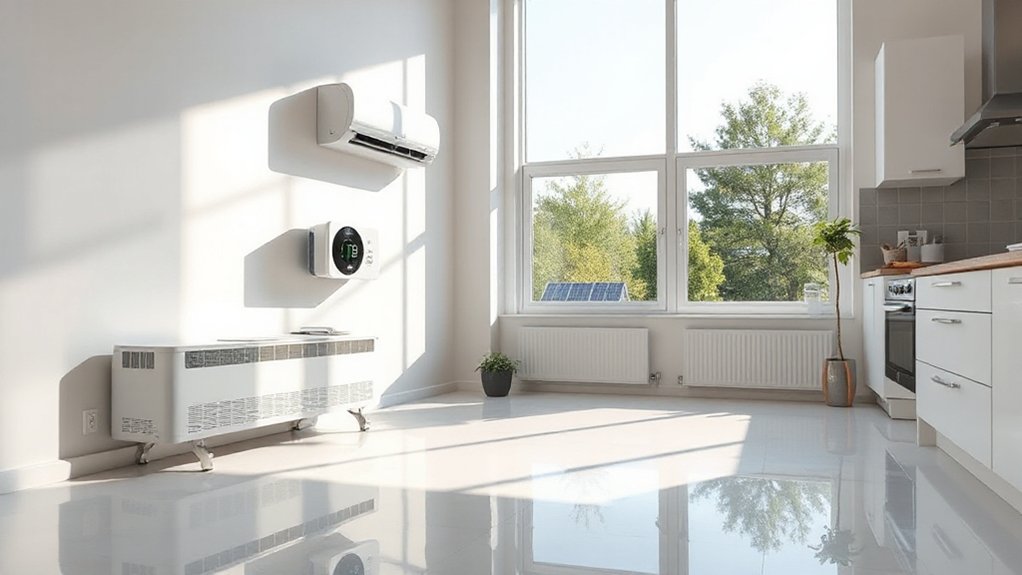
To boost your EPC rating in 2025, start with high-impact upgrades backed by data: insulate and seal gaps, upgrade to high-efficiency appliances, and install smart heating controls. Use a clear cost baseline and ROI, comparing total ownership and potential subsidies. Add renewable options where feasible and layer improvements based on neighbor data and analytics. Track progress with monthly dashboards, adjust based on energy data, and avoid scope creep. If you keep going, you’ll uncover deeper, actionable steps.
What EPC Rating Is and Why It Matters in 2025

An EPC rating is a standardized measure of a property’s energy performance, rating from A (most efficient) to G (least efficient). In 2025, you’ll rely on this score to understand running costs, comfort, and compliance.
A higher rating signals lower energy bills, reduced carbon footprint, and better year-round warmth, which translates into real-world savings. Data show buildings with stronger EPCs typically attract more interest from buyers and tenants, preserving or enhancing property value.
You’ll find the rating informs future upgrades and financing options, shaping decisions about insulation, heating systems, and efficiency measures. Knowing your current score helps you benchmark against peers, set practical targets, and communicate value to stakeholders with credibility.
Energy efficiency isn’t just compliance; it strengthens your property value.
Prioritize Upgrades That Deliver the Biggest EPC Gains
Focus on the upgrades that deliver the largest EPC gains first, because the math is decisive: certain measures cut energy use far more than others. You’ll see faster improvements by prioritizing high-impact fixes that consistently reduce bills and emissions, while still fitting your home’s profile.
Ground your choices in data, not vibes, and align with what neighbors have found effective. Energy efficient appliances and Renewable energy options should anchor your plan, then layer in targeted improvements.
This approach builds confidence and a sense of shared purpose with your community, not a bunch of one-off tweaks.
- Upgrade to high-efficiency appliances
- Insulate and seal gaps to minimize heat loss
- Install renewable energy options where feasible
- Prioritize energy-saving lighting and smart plugs
How Smart Heating Controls Cut Bills Without Complicating Life
Smart heating controls slash bills by delivering the right heat where and when you need it. You’ll see real impact by using smart thermostats to optimize timing and load, instead of guessing room by room.
Data shows you can cut heating energy by up to 15–20% with schedules that adapt to occupancy and external conditions. Energy analytics translate daily usage into actionable tweaks, revealing waste and guiding adjustments without extra effort.
You don’t sacrifice comfort; you gain predictability and control, whether you’re home or away. The system learns routines, reduces overshoot, and preserves comfort during cold snaps.
Implementing these controls is practical, cost-effective, and fosters a smarter, more connected home you can proudly steward.
Insulation Tweaks That Pay off Across Seasons

Could small insulation tweaks deliver big year-round savings? Yes, and you’ll feel the impact across seasons. Tightening gaps and zoning insulation boosts comfort, lowers heat loss, and supports efficient systems.
When you couple these tweaks with garden landscaping and solar panel integration, you create a more resilient, energy-aware home that families rally around.
- Seal air leaks around doors, windows, and headers to reduce drafts and steady temperatures.
- Add targeted insulation in lofts and external walls where heat loss is highest.
- Install underfloor insulation in living zones to stabilize floors and comfort.
- Use reflective barriers and smart fabric gaps to complement solar gains without compromising insulation.
These steps translate to measurable EPC gains, fostering a shared commitment to long-term efficiency.
When to Replace vs. Tweak Heating Systems for EPC ROI
When should you replace a heating system versus tweaking it for EPC ROI depends on cost, efficiency gains, and remaining expected life.
We’ll weigh upgrade costs against reliability, maintenance needs, and performance targets, using clear ROI thresholds.
Start with a cost-per-kW-hour and payback horizon to guide whether tweaks suffice or a replacement is warranted.
Replace vs. Tweak Thresholds
Deciding whether to replace or tweak an existing heating system hinges on a clear ROI signal: if minor upgrades push the EPC rating by multiple points more cost-effectively than a full replacement, tweaks win; otherwise, a replacement is typically the smarter financial move.
- threshold comparison: quantify point gains per pound spent to determine value
- upgrade versus retrofit: distinguish simple component upgrades from full-system changes
- payback tempo: calculate payback period to reveal timing of benefits
- system compatibility: verify tweaks don’t compromise overall efficiency or warranty
When you compare options, anchor decisions in documented EPC forecasts, installed costs, and expected lifespan.
If tweaks yield sharper ROI with lower disruption, pursue them; if not, plan a replacement that maximizes long-term performance and comfort.
ROI of System Tweaks
If you’re weighing tweaks versus replacement, start with a clear ROI lens: quantify the expected EPC point gain per pound spent for each option and compare it to the upfront and ongoing costs.
When tweaks outperform, you’ll see measurable EPC uplift from targeted measures like optimizing boiler controls, sealing ducts, or boosting insulation, with lower capital risk.
Assess payback timelines, maintenance needs, and the durability of gains.
Prioritize Energy efficient appliances and Renewable energy options only if they deliver a sustained point increase above the cost curve.
If ROI is modest or uncertain, prefer tweaks that preserve system resilience.
You’ll cultivate confidence, belonging, and steady performance as you balance incremental gains against full system replacement.
Data-backed decisions win EPC outcomes and long-term comfort.
Low-Cost Improvements You Can Implement This Month
Start with sealing drafts to cut heat loss right away, which can deliver measurable annual savings with minimal cost.
Switch to LED lighting across the home to reduce energy use and extend bulb life, backed by efficiency data.
Then optimize your thermostat settings to balance comfort and consumption, using programmable or smart controls for consistent, data-backed gains.
Seal Drafts Efficiently
Sealing drafts is one of the quickest, most cost-effective ways to cut heat loss this month. You’ll reduce air leakage and improve comfort with targeted fixes that pay back fast, data shows.
By tightening major junctions, you lower phantom heat loss and boost EPC metrics.
- Inspect windows and doors for gaps, then apply weatherstripping to minimize air leakage.
- Seal attic hatches and pipe penetrations to stop heat from rising or escaping.
- Use caulk on interior cracks around molding, outlets, and shared walls.
- Add door sweeps and draft stoppers for frequently used gaps without replacing fixtures.
Switch To LED Lighting
Scan labels for color temperature and lumen output to match your space and activities, and plan a phased swap to spread costs. Pair LEDs with energy efficient appliances to compound savings, since simultaneous efficiency boosts multiply overall consumption reductions.
Consider Renewable energy options like simple rooftop solar or community schemes if available, which can elevate your rating further while stabilizing bills. Track your progress with monthly bills and adjust lighting patterns for peak hours to maintain a tight, belonging-focused efficiency mindset.
Optimize Thermostat Settings
Would you believe you can shave energy use and boost your EPC rating this month by simply tightening thermostat habits? You can, with practical controls that align comfort with efficiency. Use smart thermostats to enhance daily peaks and reduce waste, and implement temperature zones to target lived-in areas while limiting unused space. The goal is steady, data-driven adjustments that don’t compromise habit or comfort.
- Set daily schedules that match occupancy and outdoor temps.
- Create temperature zones so your main living areas stay comfortable while unused rooms sleep.
- Enable adaptive or learning features on smart thermostats for ideal routines.
- Review monthly energy data to fine-tune thresholds and prevent overshoot.
These steps reinforce belonging through predictable comfort and measurable savings, advancing your EPC score.
Budgeting, Grants, and ROI for EPC Upgrades
Budgeting for EPC upgrades starts with a clear cost baseline and a realistic ROI timeline. You’ll map upfront costs against long-term savings using published retrofit analyses and supplier quotes, then stress-test scenarios for energy price shifts.
Grants and subsidies matter: identify eligible programs, application windows, and required documentation so you don’t miss funding that halves payback periods.
Prioritize upgrades with the strongest ROI, such as insulation and high-efficiency systems, while maintaining comfort.
When evaluating options, compare total cost of ownership rather than sticker price alone. Energy efficient appliances and renewable energy options often stack with incentives, accelerating returns.
Track progress with a simple dashboard, reviewing every quarter to ensure alignment with your budget, timelines, and EPC targets.
You belong in a smarter retrofit journey.
How to Measure EPC Progress and Avoid Common Pitfalls
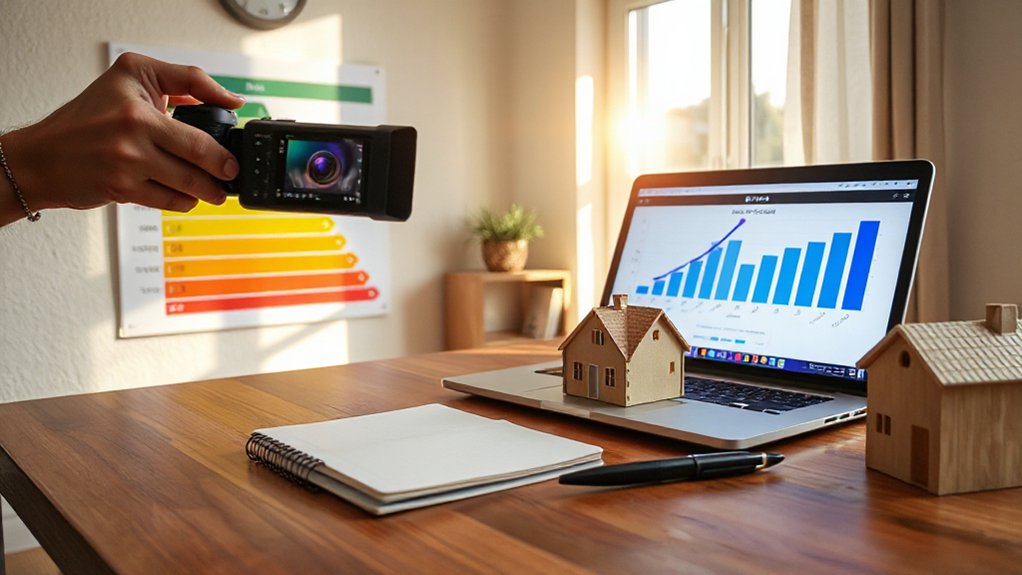
To keep your EPC upgrades on track, you’ll set concrete progress metrics and monitor them regularly. Track energy auditing results, cost-per-improvement, and year-over-year score changes against certification standards to gauge impact. Use objective data, not feeling, to keep everyone aligned and accountable.
- Set a baseline: document current EPC, energy auditing findings, and associated costs.
- Define milestones: target score improvements, implemented measures, and near-term savings.
- Review cadence: monthly dashboards, quarterly audits, annual revalidation against certification standards.
- Corrective actions: promptly adjust scope, budget, or methods when metrics drift.
This approach builds belonging through shared, data-driven progress. It also helps you anticipate pitfalls like scope creep, inflated savings, and misinterpreted metrics, ensuring transparent, reliable outcomes.
Frequently Asked Questions
How Often Is an EPC Rating Updated After Improvements?
An EPC rating updates whenever your property’s energy efficiency changes and a new assessment is completed through the Certification process.
In practice, expect updates after completed improvements that are recorded and re-verified. The frequency depends on when you undertake qualifying upgrades and schedule re-assessments.
Make sure you document renovations, gather utility data, and work with accredited assessors.
This keeps your Energy efficiency rating current, accurate, and aligned with regulatory standards, fostering trust and belonging in your housing community.
Do EPC Ratings Affect Tenant Demand and Rents?
Answer: Yes, EPC ratings influence tenant demand and rents. When your rating improves, tenant preferences shift toward better insulation, lower energy bills, and comfort, boosting demand in the rental market.
You’ll likely command higher rents and shorter vacancy periods, especially in premium segments. Data show stronger interest for A–B rated homes.
You should track metrics, advertise energy benefits, and highlight improvements to attract conscientious renters who value efficiency and cost savings.
Can DIY Upgrades Impact EPC as Much as Professional Work?
DIY upgrades can impact EPC ratings, but the effect often trails professional work. You’ll see bigger, more consistent gains with measured upgrades, like insulation and boiler optimization, when compared to typical DIY fixes.
However, your DIY impact matters if you follow best practices and building science. In practice, you’ll want a professional comparison to quantify improvements, verify compliance, and maximize overall EPC gains while you still farm out the expertise where it matters most.
Are There Regional Grants That Target Specific EPC Improvements?
Yes, regional funding exists that targets specific EPC improvements, and grant eligibility depends on location and project type.
You’ll find grants that reward insulation, heating upgrades, and heat-recovery systems, often with caps and matched funding. Check local authority portals and energy agencies for precise criteria.
You qualify by submitting energy assessments, costings, and compliance plans.
Apply promptly, as funds are limited; demonstrate measurable, data-backed improvements to join a supportive, improving community.
What Is the Typical Timeline to See EPC Score Changes?
Typically, you’ll see EPC score changes within 1–4 weeks after completing upgrades and submitting paperwork.
If your installer coordinates assessments quickly, expect updates in under two weeks.
Insulation upgrades often yield faster boosts than windows, but both can move you noticeably within a single billing cycle.
You’ll track progress through your assessor’s portal, and you can feel confident when Energy efficient windows and better insulation become visible in your energy data.
Conclusion
You’re not chasing a number—you’re shaping comfort, cost, and climate impact. Start with the big EPC gains: upgrade where it matters most, then layer in smart controls and insulation that pay back season after season. Measure progress, adjust, and avoid flashy but ineffective fixes. Budget smartly, chase grants, and treat every retrofit as a data point, not a guess. With disciplined steps and real savings, your score climbs—and so does your daily living quality.