
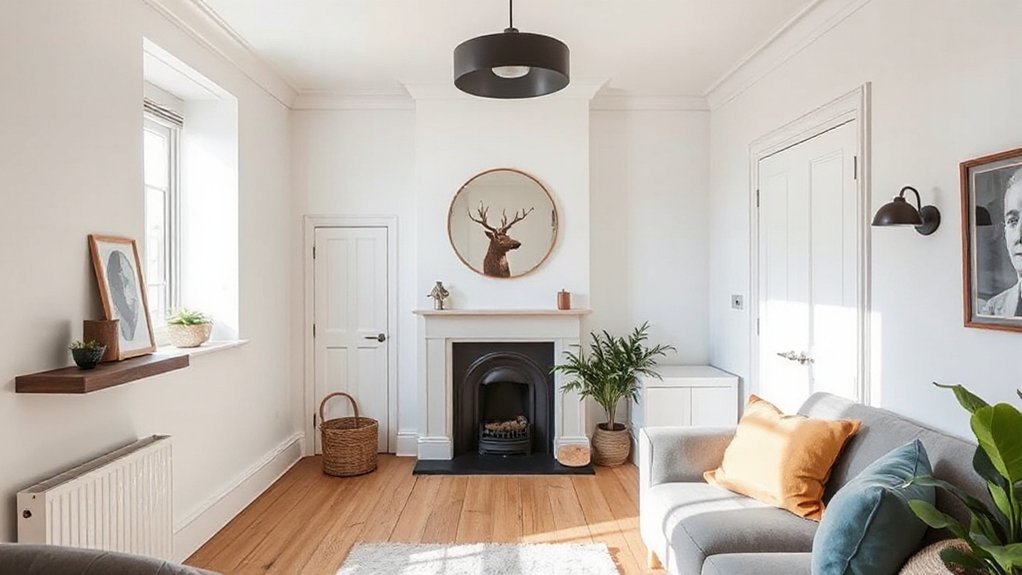
To modernise a UK terraced house without major renovation, start with a smart plan: fix layout first, prioritise built-in storage, and keep routes tight between kitchen, dining, and living. Use a cohesive light palette, era-appropriate details, and layered lighting to unify spaces. Choose durable, wipe-clean finishes and add texture with textiles and natural woods. Introduce reflective mirrors and soft reflectivity to boost light. Small, strategic upgrades plus regular upkeep will sustain the look—and you’ll uncover more practical steps ahead.
Set a Realistic Budget for a No-Renovation Refresh
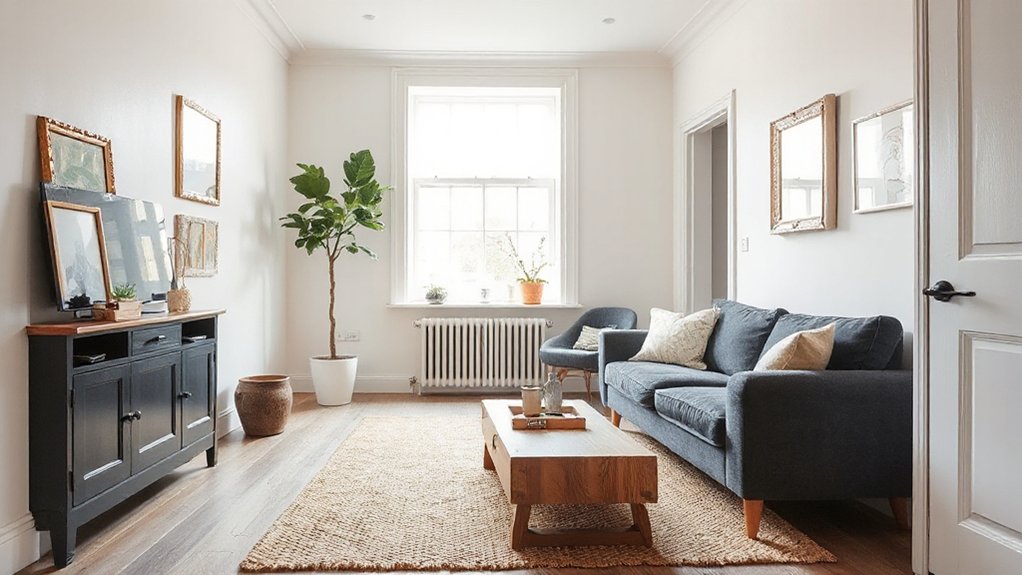
A realistic budget begins with a clear scope: define what a “no-renovation” refresh actually covers and what it doesn’t. You’ll map the essentials first, then flag optional upgrades that truly elevate without walls coming down.
Budget planning hinges on prioritizing features that transform perception—lighting, textiles, finishes, and articulation of space—over costly structural changes.
Source materials thoughtfully: compare prices, verify delivery timelines, and consider sustainable alternatives that align with your style.
Build a contingency for unexpected tweaks, but keep it lean by choosing ready-to-install fixes rather than bespoke elements.
Track every line item in one place, from paints to hardware, and review weekly.
Communicate decisions early to the team, so everyone stays aligned with your design-forward, belonging-minded goals.
Material sourcing becomes your leverage for polish without disruption.
Plan Space First: Smart Storage and Layout Fixes
Plan space first by prioritizing storage needs and layout logic before any finishes. You’ll access a calmer home by embracing smart storage solutions that vanish into the background and still serve every daily ritual. Think vertical storage, built-ins, and modular pieces that adapt as life shifts.
Prioritize layout fixes that shorten routes between kitchen, dining, and living zones, creating a natural flow and reducing visual clutter. Use multi-purpose furniture with hidden compartments to reclaim floor space without compromising style.
Choose clever placements for cabinets, rails, and hooks to keep surfaces clear. This approach builds belonging through environments that feel personal and practical.
Smart storage and thoughtful layout fixes empower you to enjoy more usable space, less fuss, and a room that genuinely supports everyday living.
Use a Light, Cohesive Color Palette to Unite Spaces
You’ll create a calm, unified backdrop by sticking to a light color palette across rooms. Use cohesive tones—soft whites, warm beiges, and pale neutrals—to smooth progression from kitchen to living spaces.
Let accents and textures carry the personality, not the color, to keep the flow cohesive and modern.
Light Palette Harmony
Light palettes unify a terraced layout by carrying a single tonal story from room to room. You’ll create calm, connected spaces by selecting a main light shade and using lighter variations for ceilings and trims.
Aim for warmth as you balance colour contrast with soft, airy hues to keep rooms feeling open rather than clinical. Use subtle shifts in tone rather than jarring changes; this sustains cohesion while defining zones.
Choose paint finishes that reflect light—matte walls with satin trims, or eggshell throughout—so texture remains tactile without shouting. Keep furniture and textiles in the same cool-to-warm spectrum to reinforce unity.
This approach supports belonging: everyone experiences a breathable flow, with each room feeling part of one welcoming story.
Cohesive Flow Across Spaces
A single, light palette is your strongest tool for uniting a terraced plan. You create cohesion by repeating tones across rooms, not loud contrasts. Embrace interior symmetry to establish rhythm: mirror widths, align shelving, and align doorways so movements feel intuitive.
With a cohesive base, you can introduce subtle shifts that signal progressions without jarring the eye. Think furniture articulation: choose pieces that speak the same language—clean lines, soft curves, and similar leg heights—to weave spaces together.
Keep surfaces matte and textiles in the same warmth to avoid disjointed shifts. Use built-in or slim profiles to maintain sightlines, so rooms read as one flow.
Finally, tune lighting and accessories to echo the palette, reinforcing unity without dulling personality.
Preserve Period Charm With Era-Appropriate Details
Preserve period charm by selecting era-appropriate details that feel authentic, not gimmicky. You’ll balance original features with clean, modern updates—think skirting boards, door hardware, and lighting that nod to the era without overpowering the space.
Start with a focused checklist of elements to restore or reinterpret, so your design stays cohesive and timeless.
Era-Appropriate Details
To keep a terraced interior feeling authentic, prioritize era-appropriate details that celebrate craftsmanship without overdoing it. You’ll blend subtle period cues with modern practicality, keeping lines clean while honoring history.
Focus on textures, finishes, and craftsmanship that feel timeless, not gimmicky. This approach supports belonging by inviting guests to notice, not overpower.
- Vintage furniture with clean silhouettes that fit modern living
- Classic textiles in muted palettes and tactile weaves
- Hand-finished woods and matched veneers for warmth
- Subtle mouldings and hardware that echo original character
- Thoughtful contrast between old and new, never competing
These choices create a cohesive narrative, reinforcing a lived-in, purposeful space. Use restraint, curate deliberately, and let each detail offer a quiet nod to eras past without overwhelming today’s comfort.
Preserve Period Charm
If you want to preserve period charm without compromising today’s comfort, start by prioritizing era-appropriate details that feel authentic, not ornate. Focus on subtle, truthful cues: choose vintage textiles for upholstery and window treatments that echo the era without overpowering modern needs.
Layer textures—linen, wool, and cotton—in a restrained palette to create warmth without heaviness. For lighting, opt for period lighting fixtures that blend with contemporary bulbs and dimmers, delivering ambience without distraction.
Preserve original moldings and door hardware where feasible, restoring or repairing rather than replacing. Keep layouts practical; allow modern storage and seating to integrate with characterful features.
The aim is belonging through thoughtful, honest detailing that respects history while supporting daily life.
Upgrade Lighting for Mood and Efficiency
Smart lighting opens mood and efficiency in a UK terraced home. You’ll shape spaces with light by prioritising zones, dimming, and color temperature that suits each room’s mood and function. Focus on lighting design as a unifying thread across gaps and textures, not just fixtures. Choose bulb selection that supports energy goals without sacrificing warmth or clarity.
- Layer light sources: ambient, task, and accent for depth
- Opt adjustable LEDs with tunable white for versatile scenes
- Match bulbs to fixtures for consistent color
- Use dimmers to modulate ambience and save energy
- Consider smart controls for timing and ease of use
Reconfigure Furniture to Improve Flow
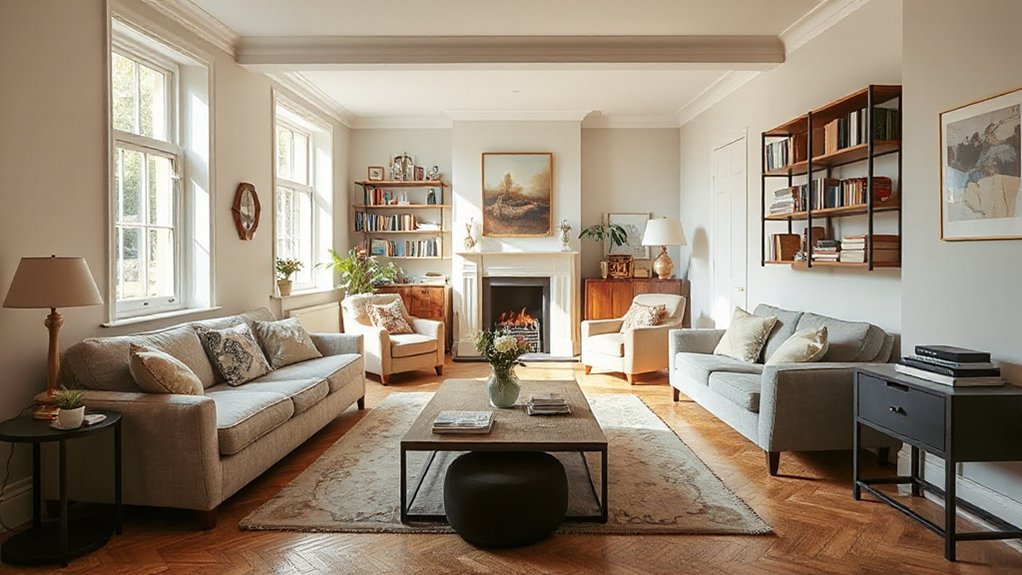
Reconfigure your space to optimize traffic flow and avoid bottlenecks. Place zones strategically—living, dining, and work areas—so movement feels natural and rooms read clearly.
Keep pathways clear and furniture oriented to guide sightlines and foster effortless shifts.
Optimize Traffic Flow
Where should you start when optimizing traffic flow in a terraced house? Begin with clear sightlines and purposeful zones. Move furniture to create logical paths between entry, living, and dining areas, avoiding clutter near doorways.
Use low-profile pieces and avoid matching sets that visually box you in; instead, mix textures to define spaces seamlessly. Consider multi-use furniture to maintain open circulation while meeting needs for energy efficiency and outdoor landscaping cues, like bringing natural light deeper and tying indoor spaces to the garden.
- Prioritize shared pathways over obstacles
- Position seating to frame movement without blocking doors
- Use rugs to cue zones, not to trap traffic
- Choose compact, versatile pieces for flexibility
- Update lighting to guide flow at different times
This approach fosters belonging without renovations.
Zone Furniture Strategically
To zone furniture effectively, start by sketching intentional grids that align with how you live. You’ll map traffic paths, sightlines, and focal points, then place seating and storage to reinforce calm zones rather than clutter.
Use furniture placement to carve intimate nooks in open plan spaces, creating micro-areas for work, dining, and lounging without walls. Prioritise scale: avoid oversized pieces that shrink flow; choose low-profile forms that preserve sightlines and access.
Leverage lighting design to define zones—warm, focused light at reading corners, ambient glow for social zones, and task lighting where you work. Anchor each zone with a rug or console to cue its purpose.
Keep circulation clear, store accessories out of traffic lines, and reassess quarterly to sustain a cohesive, welcoming layout.
Select Durable, Family-Friendly Finishes
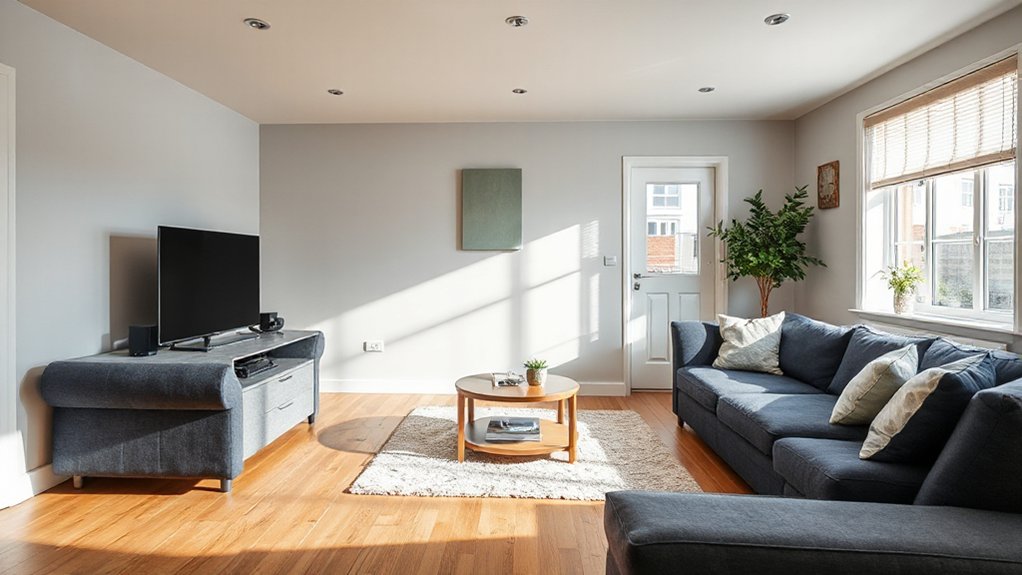
Durability and practicality should guide your material choices from day one. You’ll select durable finishes and family friendly materials that withstand daily wear while easing family life. Look for surfaces you can wipe clean, resist scratches, and hide fingerprints.
Choose textures that mask scuffs and maintain warmth in shared spaces. Prioritize boards and laminates with good edge protection, and fabrics with stain resistance. Build a cohesive, resilient palette that ages well and feels welcoming.
- Durable finishes that tolerate busy homes
- Family friendly materials with wipe-clean practicality
- Low-maintenance textures for high-traffic zones
- Hidden-sip and spill resilience in soft furnishings
- Built-in longevity through timeless neutrals and smart contrasts
Paint Techniques That Add Depth and Cohesion
Paint is your easiest tool for unifying a terraced interior, so start with a cohesive base palette and use depth tricks to guide the eye. You’ll layer textures and tones to create warmth without clutter, keeping the movement calm and intentional.
Choose a dominant mid-tone for walls, then introduce two complementary hues in trim, cabinetry, or textiles to establish cohesion. Textured finishes—matte walls, subtle limewash, or thin plaster—add tactility that reads as deliberate rather than busy.
Pattern layering should be restrained: repeat a simple motif across cushions, upholstery, and wall art, offsetting with solid blocks to prevent visual overload. Use lighter ceilings to lift rooms, and sabbath-like consistency across corridors to reinforce belonging and flow.
Make Small Rooms Feel Larger With Mirrors and Layout Tweaks
Mirrors can create an instant perception of space; place them opposite light sources to bounce daylight and widen walls.
Tiny rooms benefit from a well-timed layout tweak—think doorways, flow, and furniture placement that unclutters sightlines.
Start with Mirror Placement Magic to maximize brightness, then refine Spatial Layout Tweaks for a truly roomier feel.
Mirror Placement Magic
Could a few well-placed mirrors really open up a cramped room? Yes. Mirror placement works by bouncing light and creating visual depth, so you feel more air, not more clutter. Choose reflective surfaces that mirror the eye line and avoid crowded frames.
Position mirrors opposite windows to double daylight, or flank a doorway to extend sightlines. Petite rooms benefit from vertical mirrors that stretch the ceiling height, while oversized panels can visually widen narrow spaces.
Consider frames in light metals or neutral tones to keep the look cohesive with your furnishings. Remember: reflections should enhance function, not reflect mess.
- Reflect daylight across the room
- Use vertical mirrors to add height
- Pair with light, neutral frames
- Place opposite a window for brightness
- Avoid cluttered, multiple focal points
Spatial Layout Tweaks
Want small rooms to feel bigger? Start with subtle spatial tweaks that enhance flow without knocking walls down. Use mirrors to visually extend depth: position tall, floor-to-ceiling reflections opposite light sources to double daylight. Consider corridor and entryways with mirrored panels or a narrow console mirror to create a sense of movement and openness.
Embrace open plan vibes by defining zones through furniture arrangement rather than walls: a sofa angle, a rug, and a slim credenza can signal living, dining, and workspace without crowding the space. Practice smart zoning: switchable screens or tall bookcases on casters offer flexible separation.
Choose cohesive palettes and consistent materials to unify areas, boosting belonging and perceived space in every room.
Flooring Options That Respect Character and Budget
Flooring options that respect both character and budget start with a clear plan: identify the features your terrace house already has and choose finishes that enhance them without clashing. You’ll balance durability with charm, selecting materials that age gracefully and suit proportions. Aim for contrast that highlights timber beams or plasterwork, while keeping joints tight and seams discreet. Consider flooring that’s easy to maintain and consistent with room flow.
- Align tone with existing wood or tile patterns
- Choose long-lasting options that breathe easily
- Integrate furniture placement to guide movement
- Use decorative accents to tie floors to walls
- Prioritize subtle texture over loud pattern
Kitchen Refresh on a Budget: Essential Updates
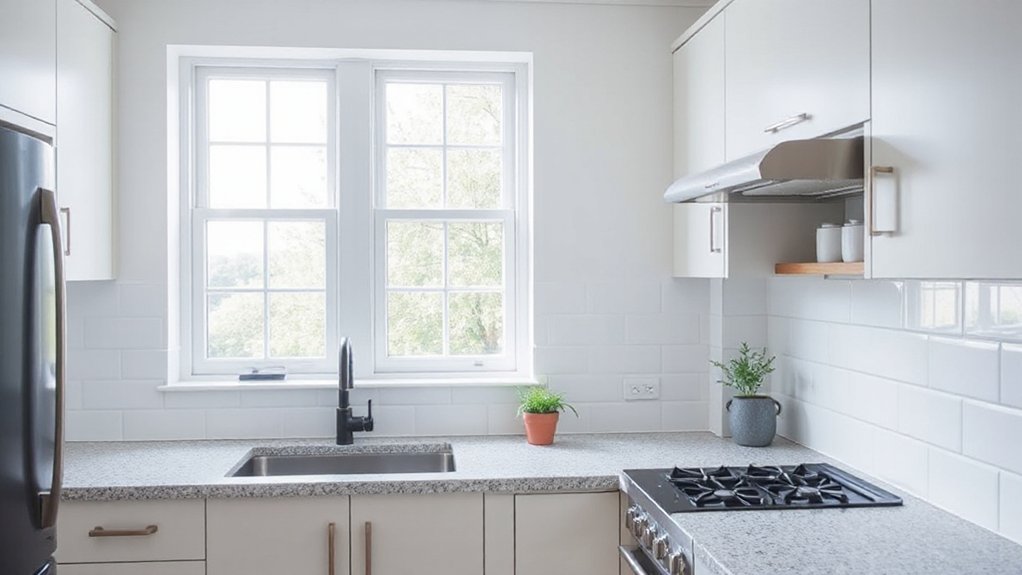
A kitchen refresh on a budget starts with prioritising updates that reveal the most impact for the least cost. You’ll focus on tangible changes you can see daily: refreshed cabinetry, hardware swaps, and smarter lighting.
Keep surfaces clean and cohesive—paint a single wall or the island in a fresh, neutral hue to create instant polish. Introduce character with vintage furniture pieces that fit the scale of a terraced kitchen, avoiding clutter by selecting one or two statement items.
If you’re handy, add a practical backsplash that’s easy to wipe. Consider artistic murals on a small accent panel to inject personality without a full remodel.
Small accents, durable choices, and a confident palette unite form and function while inviting belonging.
Bathroom Refresh Without Breaking the Bank
If you want a bathroom refresh on a budget, start with the essentials that deliver daily impact: fresh paint, updated hardware, and smart, water-efficient fixtures. You’ll feel a renewed sense of belonging as you curate a space that respects history through thoughtful design, balancing Historical authenticity with modern needs.
Focus on neutral tones that echo period charm, then layer with sustainable materials that last. Keep performance top of mind, choosing durable, easy-to-clean surfaces. Tidy lines and compact storage keep the room feeling calm and cohesive.
- Prioritize moisture-resistant paint in light tones
- Choose hardware that nods to era without clutter
- Opt for water-saving taps and a low-flow shower
- Select sustainable tiles and vanities
- Embrace natural textures for warmth and depth
Easy Hardware and Fixture Upgrades That Pay Off
Upgrading knobs, taps, and fixtures is the fastest way to lift a terraced interior without a full remodel. You’ll notice immediate cohesion when you swap in coordinated hardware across doors, cabinets, and sinks.
Choose finishes that echo the home’s era while staying clean and modern—brushed brass, matte black, or satin nickel all work with subtle contrast. Focus on scale and quality; mis-sized handles look cheap and disrupt flow.
For a touch of vintage charm, select hardware with gentle curves and softened edges, but keep lines simple to avoid clutter. Period authenticity matters: avoid ultra-modern shapes that clash with period details.
Finally, consider replacing latches or hinges to eliminate squeaks and improve motion, reinforcing the sense of thoughtful, inhabited space.
Brighten Rooms With Window Treatments That Stay Uncluttered
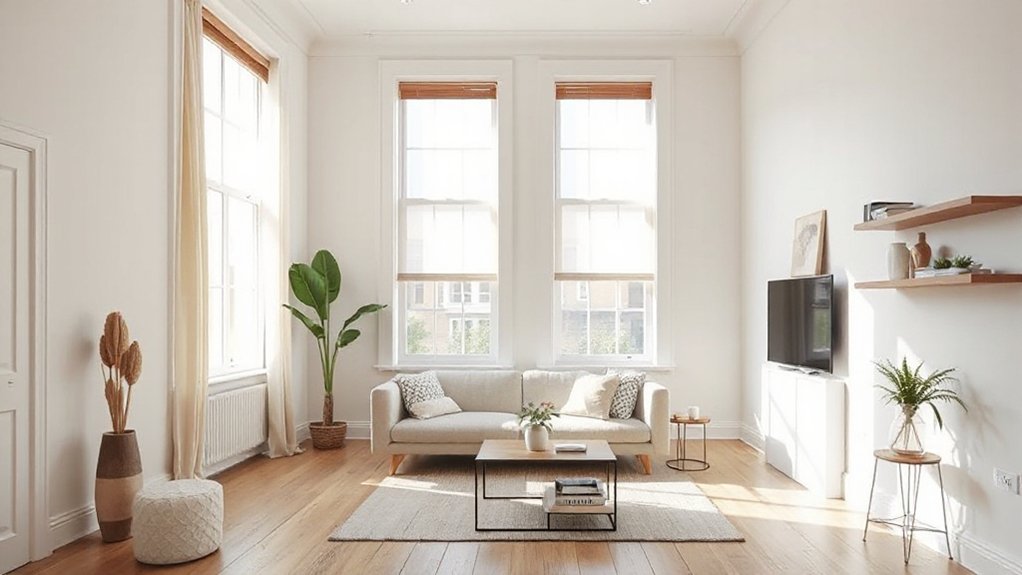
To brighten a terraced interior without clutter, choose window treatments that light up the room and stay out of the way. You want options that soften glare but don’t compete with architecture. Opt for light fabrics, slim profiles, and cordless or hidden-slat mechanisms to keep surfaces clean and uncluttered.
Prioritize Neutral palettes that reflect rather than absorb daylight, and curtains or blinds that stack neatly when open. Practical decisions beat flashy trends here, while still feeling design-forward. Window treatments should invite warmth, not demand attention, so integrate hardware that blends with trim.
Clutter control hinges on choosing scalable, easy-to-maintain solutions that you can adjust seasonally.
- Opt for light fabrics and slim profiles
- Choose cordless or hidden-slat mechanisms
- Favor neutral tones that reflect daylight
- Let stacks be tidy and unobtrusive
- Prioritize easy maintenance and adjustability
Subtle Tech Upgrades That Don’t Require Wallwork
Subtle tech upgrades can boost a terraced interior without wall rework. You’ll leverage smart tech that blends in, not shout out. Start with a single hub of control—a discreet smart speaker or wall-mounted panel—that feels natural in the living room or kitchen nook.
Choose hidden features: behind-shelf outlets, under-cabinet lighting, and plug-in USB hubs tucked in furniture joints. Favor wireless charging pads embedded in coffee tables or sideboards to reduce cable clutter.
Opt for smart lighting that adapts with scenes, so you don’t need new fixtures or plasterwork. Keep devices compact, with matte finishes and neutral tones that echo the room’s palette.
The result is calm, connected living where tech supports convivial moments, not dominates them. Belonging feels effortless, not engineered.
Acoustic Tweaks for Calmer, Quieter Interiors
You’ll start by selecting acoustic materials that dampen sound without adding bulk or clutter, focusing on mid to high-frequency control for everyday living spaces.
Plan quiet room layouts that separate noisy zones (like kitchens) from calmer zones (like lounges).
Place soft furnishings and rugs to absorb reflections.
Pair these choices to create a calmer, more comfortable interior that respects the tight terraced footprint while preserving design-forward appeal.
Acoustic Materials Selection
Acoustic materials choice should start with practical room goals: reduce unwanted noise, balance reverberation, and improve speech clarity without overwhelming design. You’ll select finishes and panels that blend with your scheme while delivering real gains in calm.
Prioritise mass, absorption, and placement to hit soundproofing solutions and noise reduction techniques without adding clutter. Think modular, reversible, and easy to maintain; these qualities keep your home feeling modern and inviting.
- choose absorptive panels with a natural finish for warmth and texture
- add rugs or felt underlays to quiet footfall without sacrificing style
- use multi-layer curtains to dampen street noise and echoes
- incorporate bookshelf arrays as decorative sound diffusers
- opt for closed storage to reduce reflective surfaces while keeping vibe
You’ll create a quieter, more confident living space that still feels distinctly you.
Quiet Room Layouts
Ever wonder how room layout can quiet the space before you even reach for the remote? Start by defining a quiet room as a dedicated micro-zone: position seating away from shared walls, orient so natural light ends at soft focal points, and keep noise paths clear.
Use furniture placement to create a buffer from stairs or corridors, and employ rugs and textiles to absorb echoes. In a peaceful retreat, layer surfaces with midtone woods, plush fabrics, and matte finishes that soften reflections.
Keep tech tucked and audible prompts minimal; let lighting and ventilation support calm rhythms. Aim for clear sightlines to a single, comforting feature—fire, art, or a plant cluster.
Small shifts compound; your space feels inclusive, serene, and truly belonging.
Colour Psychology: Choosing Schemes That Feel Contemporary
Color psychology sets the tone for a contemporary interior by pairing hues that feel fresh, calm, and cohesive. You can harness color theory to map rooms that flow, yet feel distinct, using contrast to guide attention and light to lift mood.
Consider the psychological impact of muted greens and warm neutrals to evoke serenity, while accenting with saturated pops for personality. Keep palettes simple to avoid visual fatigue and to reinforce a sense of belonging across spaces.
Balance cool and warm tones so surfaces read approachable, not clinical.
- Use a limited core palette to create rhythm
- Pair light walls with deeper trims for definition
- Choose undertones that harmonize with natural light
- Apply color to focal architectural features
- Test swatches at wall scale before committing
Affordable Detailing: Mouldings, Trims, and Textures
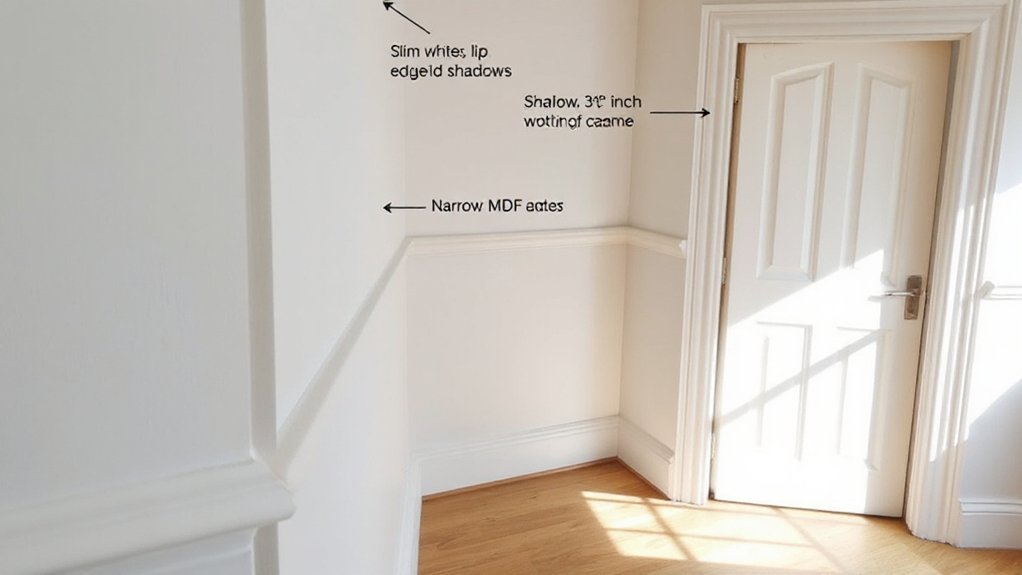
Affordable detailing can transform a budgeted terrace into a refined home by focusing on simple, high-impact additions. You’ll gain impact with mouldings and trims that echo period character without full-scale revamps.
Choose slim, aligned profiles to heighten ceilings and doorways, avoiding heavy embellishment that reads like dated. Custom mouldings let you tailor the room’s rhythm—think a pared-back cornice, subtle architrave, and matching skirting that pulls elements together.
Introduce textures through tonal boards, plaster, or lightweight wall panels for depth without bulk. Vintage charm appears in refined details rather than obvious showpieces, so select pieces that feel integrated, not ornamental.
The result is cohesive warmth, a sense of belonging, and a design-forward look achieved with thoughtful, affordable tweaks.
Accessorising for a Modern Terraced Vibe
Start with a restrained palette of two to three complementary tones and let texture do the work. You’ll curate accessories that feel deliberate, not decorative clutter, so every item reinforces the modern terraced vibe.
Choose vintage accents sparingly—think chair legs, a mirror, or a lamp with character—so they read as thoughtful bridges between eras.
Let statement art anchor rooms, pairing bold pieces with quiet surroundings to avoid crowding. Keep scale balanced with furnishings that respect proportions common to terraced layouts.
- Vintage accents thoughtfully placed to ground the space
- Statement art sized to fit wall niches and eye level
- Textured textiles for tactile warmth without heaviness
- Simple lighting that highlights focal pieces
- Careful storage to maintain clean, breathable surfaces
Maintenance Habits to Keep the Refreshed Look Long-Term
To keep the refreshed look long-term, establish quick, repeatable routines that protect surfaces and textures from daily wear. Start with a simple cleaning cadence: dust weekly, wipe high-use surfaces with a damp microfiber cloth, and seal treatable timber or metal accents seasonally.
Choose sustainable materials for additions and replacements to reinforce your design-forward ethos. Rotate textiles and swap throw cushions to refresh light patterns without major purchases.
Keep indoor plants in practical placements that aid air quality and soften edges, while guiding watering schedules to suit light levels. Use doormats, coasters, and felt pads to minimize scratches and scuffs.
Acknowledge small upkeep as part of belonging—consistent care sustains character, comfort, and a cohesive, modern terraced feel.
Frequently Asked Questions
How Can I Set a Realistic Refresh Budget Quickly?
Set a realistic refresh budget quickly by first outlining your must-haves and nice-to-haves, then estimate renovation costs for each item.
Allocate a buffer of 10–15% for surprises.
Use per-room caps: allocate your total budget across priorities, and track every spend in a simple sheet.
Compare quotes from trades early, and pair durable finishes with timeless styles to stretch value.
Budget planning now prevents regrets later; you’ll feel confident and connected with your home.
What Storage Ideas Fit Small Terraced Layouts Best?
You’ll find that hidden storage and vertical shelving fit small terraced layouts best.
Start with a hidden storage bed or ottoman, then use vertical shelving to draw the eye upward and free floor space.
You’ll gain cohesion by pairing slim cabinets with open display units, keeping surfaces clear.
Think modular, interchangeable pieces to adapt as your needs grow.
This approach builds belonging, practicality, and a design-forward rhythm you’ll feel confident living in.
Which Lighting Changes Deliver the Biggest Mood Boost?
Ambient lighting delivers the biggest mood boost, with layered options you’ll actually use. You’ll want a mix: soft ceiling glow, adjustable wall sconces, and floor lamps near seating for intimate zones.
Add Statement fixtures as anchors or focal points in key rooms to elevate the vibe without renovations. You’ll feel more connected, and your space will read thoughtfully curated.
Keep controls simple, choose warm tones, and group lighting to curate atmospheres for relaxing or entertaining.
How Can Period Charm Coexist With Modern Finishes?
Period charm can coexist with modern finishes by highlighting vintage detailing while embracing material contrasts. You’ll pair satin brass hardware with sleek white walls, and keep crown moulding intact while introducing contemporary lighting and furnishings.
Mix reclaimed timber floors with polished concrete accents, then balance bold art against muted backgrounds. You’ll preserve character, yet feel fresh and inclusive, inviting community around you with thoughtful scale, texture, and accessible design that says you belong.
What Low-Cost Tweaks Noticeably Improve Flow and Space?
To boost flow on a budget, you’ll swap in lightweight, vintage fixtures and add color accents strategically.
Use a single, cohesive color palette across walls, ceilings, and furnishings to widen spaces. Then introduce vintage fixtures in key spots—like a brass faucet or retro light fixture—to anchor rooms.
Choose removable storage and low-profile furniture to minimize clutter, and place mirrors to bounce light.
These tweaks foster belonging while feeling design-forward and practical.
Conclusion
You’ve lit a quiet fire in a compact shell, where every inch counts. Like a lighthouse on a tight street, a simple refresh guides the eye and steadies the mood, casting clarity over chaos. The door is ajar to fresh, cohesive spaces; the walls hum with modern restraint while echoing their history. Maintain the glow with smart routines, and your terraced home will stay bright, balanced, and effortlessly current without tearing it down.