
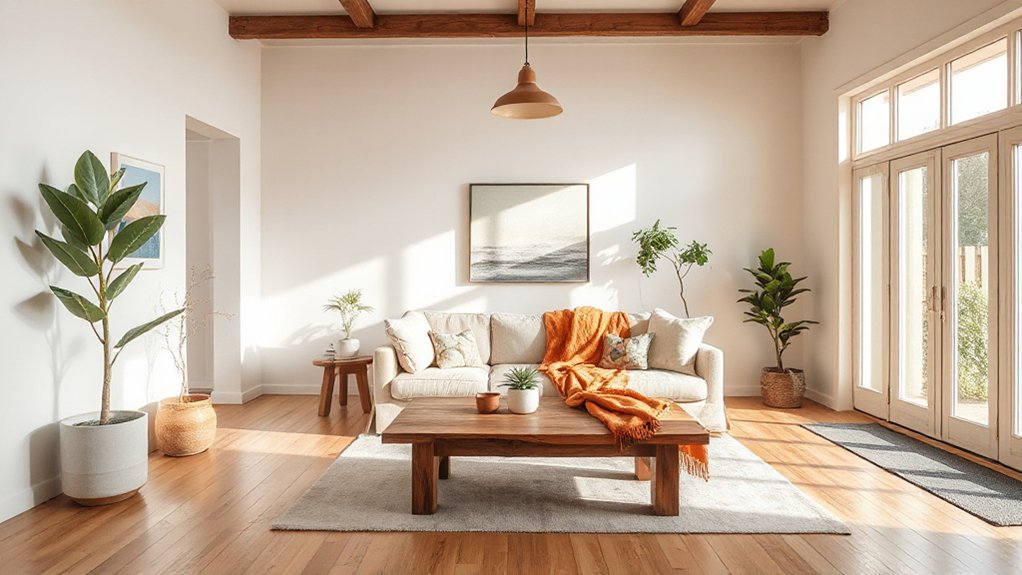
You can add character to a plain new-build by layering warm color foundations with textured surfaces. Start with warm neutrals and cohesive undertones, then introduce texture on focal walls and trims. Choose flexible, everyday layouts and personal touches—photos, vintage accents, and seasonal accessories—that feel authentic. Layer fabrics, rugs, and greenery to create depth, and curate art with purpose. Keep clutter low, then let lighting highlight your favorite pieces. If you keep going, you’ll uncover even more practical steps to personalize your space.
Identify Character Gaps in Your Plain Build
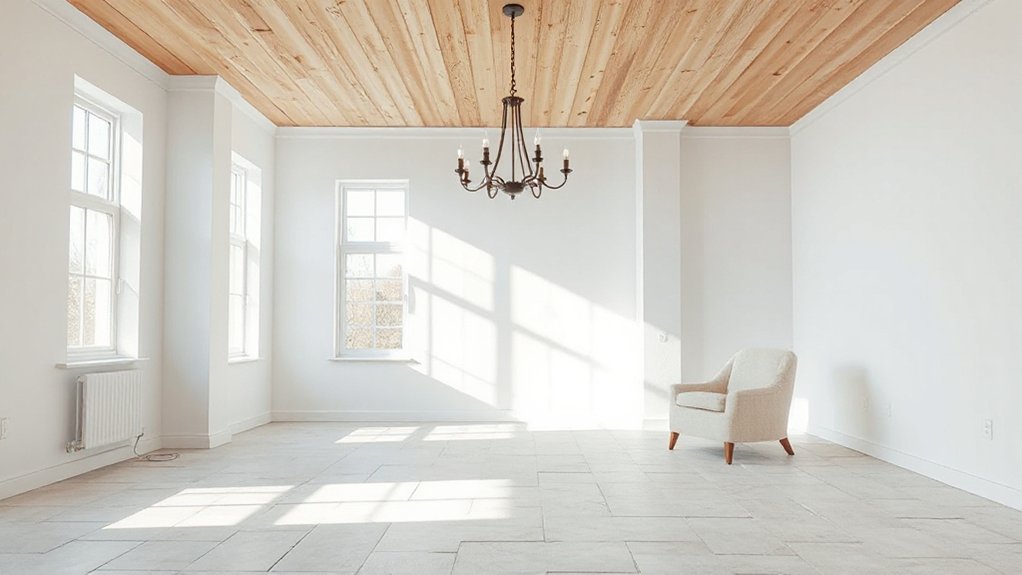
Identifying character gaps in your plain-build home starts with a clear, honest assessment of what’s missing. You’ll scan rooms for architectural details that feel either copied or bland, noting where materials, textures, or forms don’t tell a story.
Look for mismatches in ceiling height, trim style, window proportions, and finishes, then map how these gaps affect the sense of belonging you want. Consider cultural influences that speak to your family’s roots, hobbies, or community context; a home should reflect you, not just trends.
Prioritize achievable fixes first—hardware, lighting, and focal accents—before bigger renovations. This practical, credible approach keeps you focused, motivated, and empowered to infuse personality with intention, ensuring every element feels connected, welcoming, and uniquely yours.
Choose a Warm, Cohesive Color Foundation
Start with a warm palette that feels inviting across rooms, linking walls, trim, and floors so the flow reads as one cohesive story. Prioritize colors that echo natural light and architectural features, so your foundation stays steady as you add character.
Keep the palette simple at first, then layer texture and accents to heighten warmth without shouting.
Warmth Through Palette
Choosing a warm, cohesive color foundation starts with a simple premise: you want spaces that feel inviting and unified. You’ll select a palette built from warm neutrals, soft browns, terracotta accents, and gentle creams that ground rooms without overwhelming them.
Use color psychology to guide your choices: warm tones can reduce visual noise and create a sense of safety, while subtle contrast adds depth without shouting. Aim for mood enhancement through consistent undertones across walls, trims, and furnishings, so each room reinforces belonging rather than stray vibes.
Keep lighting in mind, as it shifts warmth. Create flow by repeating a few key hues, then layer texture and natural materials to deepen warmth. This approach yields cohesive, welcoming environments your family will instinctively gravitate toward.
Cohesive Foundation Choices
To establish a warm, cohesive color foundation, pick a core palette of warm neutrals and soft browns that you can carry across walls, trim, and furnishings. Your goal is consistency without monotony, so choose two or three dominant hues and support them with subtle variations.
Apply the same undertone—warm beige, taupe, or greige—throughout living spaces, then introduce contrast through textures rather than color casts. Bring in vintage accents and architectural details, such as wood molding, brass fixtures, or aged tile, to deepen character without clashing.
Use lighting as a unifier: warm LEDs or incandescent tones can harmonize your palette. Finally, test chips under different times of day to guarantee your foundation reads inviting, cohesive, and lived-in.
Layer Textures for Warmth and Depth
Layer textures add warmth and depth by combining materials with contrasting surfaces and tactile qualities. You’ll create inviting spaces by mixing soft, plush fabrics with rugged, natural textures, and balancing matte with subtle sheen. Texture isn’t decoration alone—it guides how you move through a room and feel in it, fostering belonging.
- Textural contrasts: pair wool throws with leather seating and wood accents for a layered, cohesive look
- Tactile layers: add rugs, cushions, and woven baskets to invite touch
- Material tempo: vary scale and weight to avoid flatness while keeping rhythm
- Subtle sheen: introduce metallic or glazed surfaces sparingly to highlight depth without glare
This approach stays practical, credible, and concise, helping you craft a warm, collected home.
Tell Your Space’s Story With Furniture
A well-chosen set of furniture can narrate your space as clearly as furniture choices themselves. You’ll tell your story by selecting pieces that fit your daily rhythms and values, not just trends.
Start with a reliable foundation: a durable sofa, a timeless coffee table, and seating that encourages conversation.
Then layer personality with textures and color that feel like you. Vintage accents, whether a worn leather chair or a midcentury lamp, add character without shouting.
Let bold patterns appear in a rug, throw, or upholstery to anchor rooms and guide flow.
Don’t overmatch; mix finishes and scale for balance.
Prioritize comfort and function, so you’ll inhabit the spaces you’ve crafted.
Your space becomes inviting, intentional, and unmistakably yours.
Curate Art and Accessories With Purpose
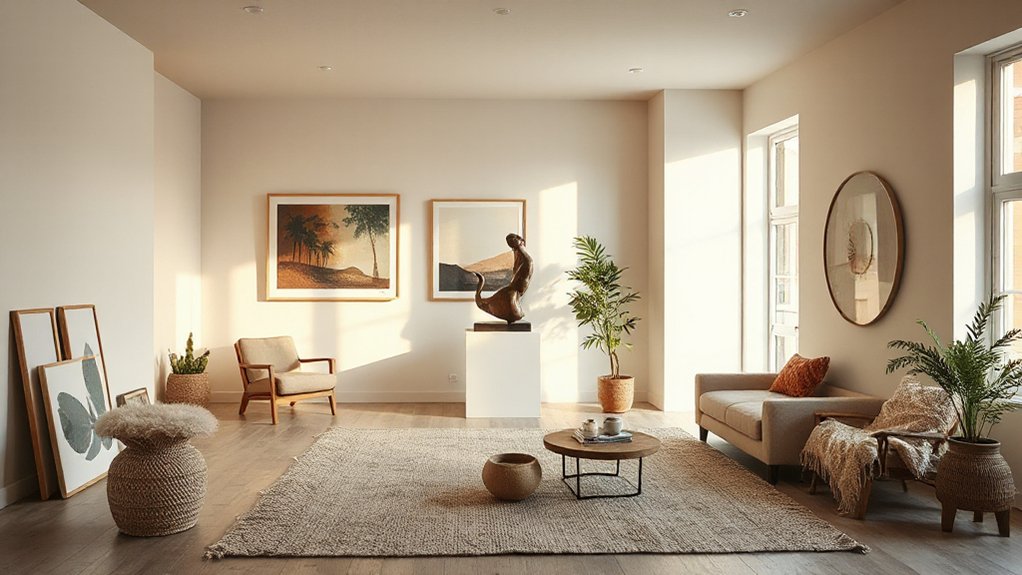
- Start with your daily rituals as the core
- Align sizes and textures for harmony
- Use light to highlight favorites
- Rotate pieces seasonally for freshness
Mix Metals and Finishes for Cohesion
Mixing metals and finishes is about creating cohesion between the bold decisions you’ve made and the calmer textures you’ll encounter daily. You’ll build balance by selecting a dominant metal finish for major fixtures and using complementary tones for hardware, lighting, and accents.
Think contrast with care: warm brass paired with matte black, or cool nickel softened by brushed gold. Keep finishes consistent in tone, not in matchy-same style, to avoid rigidity.
Introduce a unifying element—repeating a metal shade or texture in several rooms—so spaces feel related rather than random. Prioritize durability and ease of maintenance, so your choices stand the test of daily life.
When done well, metal finishes reinforce finish cohesion and invite everyone to belong.
Create Focal Points Without Overwhelm
Creating focal points without overwhelming the space starts with a clear purpose: pick one feature to anchor each room and let other elements support it. You’ll achieve a curated feel by framing that anchor with simpler surroundings, so every detail reinforces it rather than competes.
Use personalized accents to tell your story without clutter, and establish artistic focal points that draw the eye without shouting. Keep scale and proportion in check, so the room breathes and feels intentional.
- Choose a single statement piece per room (art, furniture, or architectural detail)
- Layer textures around the anchor for depth, not volume
- Use color pulls to unify the space with subtle contrasts
- Highlight personal items as part of the design narrative
Build Zones That Invite Conversation
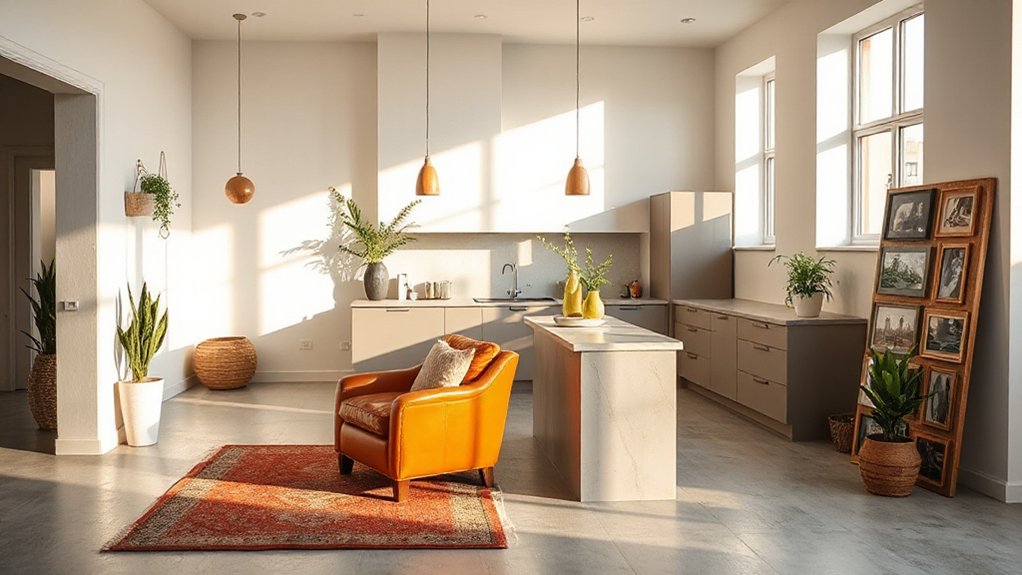
Zones that invite conversation start with intentional seating and clear sightlines. You design zones that flow, not isolate, so conversations feel natural.
Place a sofa cluster opposite a welcoming coffee nook to create a dedicated chat zone, then lay the kitchen and living areas so you can join in without shouting.
Use outdoor lighting to extend sociable hours; soft, warm glows along paths and entry points invite lingering.
Guarantee sightlines stay open from entry to gathering spots, with furniture arranged to face the center.
Integrate kitchen appliances in a way that supports cooking reactions—snack prep becomes a mini social moment rather than a solitary task.
Hit balance between functionality and warmth, so guests feel you built in belonging from day one.
Use Personal Keepsakes Without Clutter
Personal keepsakes add character without clutter when you curate thoughtfully. You can blend sentiment with space by choosing pieces that tell your story and serve a purpose. Keep only what feels meaningful, and group items to imply a life well-lived rather than crowd a shelf.
A Sentimental display works best when you vary height, shape, and texture, creating a deliberate rhythm. Minimize clutter by rotating pieces seasonally or storing duplicates off-site. Your goal is a calm, welcoming home that still feels personal.
- Curate a small rotation of items that spark joy
- Create a dedicated display shelf with varied heights
- Pair keepsakes with negative space to breathe
- Label or photograph memories for easy rotation and memory preservation
Integrate Lighting to Shape Mood
Lighting isn’t just about visibility; it shapes how a space feels. You’ll shape mood by layering lighting: ambient glow for a welcoming base, task lights for focus, and accent pieces to highlight art or architectural details.
Keep controls simple—group lights into scenes you can switch with one tap or switch. Dimmers are your friend; they let you shift vibe from bright to cozy without changing fixtures.
Use warm color temperatures (around 2700–3000K) in living zones to foster belonging, and cooler tones (3000–4000K) where you work or cook.
Avoid over-saturation; complement with dimming, not clutter. Test during different times of day, then document preferred settings.
With thoughtful integration, lighting becomes a quiet, consistent companion that reinforces your home’s character. ambient glow, mood lighting.
Select Grounding Rugs for Proportion and Comfort
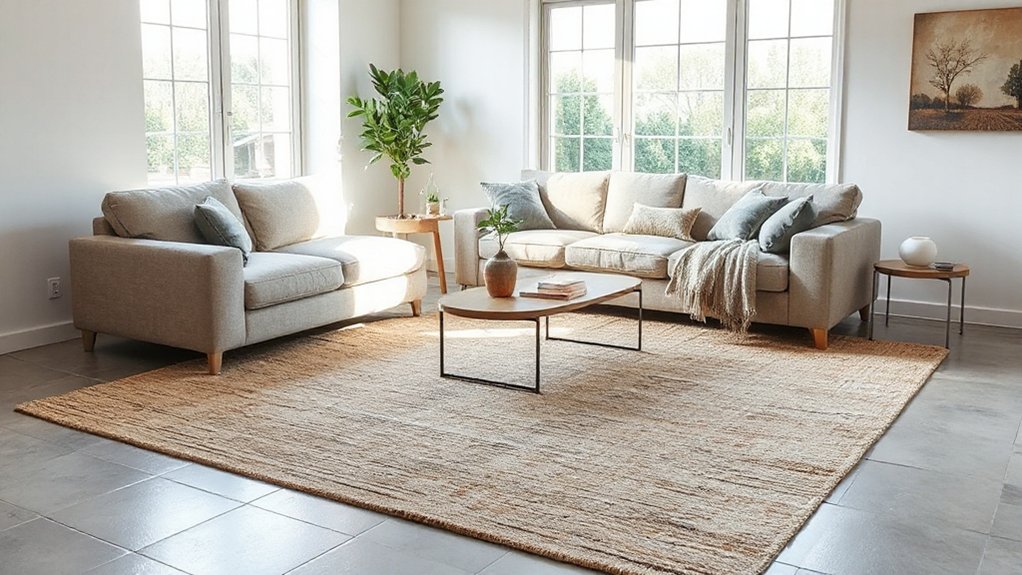
A grounding rug does more than cover the floor—it anchors furniture, defines zones, and adds comfort underfoot. When you choose a rug, you’re shaping scale and flow, so any space feels intentional and inviting.
Consider flooring options you already have, then pick a rug that complements tones, textures, and light. For proportion, align rug edges with furniture legs or room boundaries, avoiding awkward half-underlays.
Comfort comes from pile height and softness under foot, plus safe, non-slip backing. Think about traffic—durable fibers for hallways, plush for living areas.
Your goal is cohesive rug placement that enhances use without crowding sightlines.
- Match rug size to furniture footprint for balanced proportion
- Layer with a runner in narrow halls or entryways
- Choose durable fibers for high-traffic zones
- Plan color and texture to unify flooring options and furniture
Add Greenery for Freshness and Life
Fresh greenery breathes life into a new-build by softening edges and adding natural texture. You’ll quickly notice how indoor plants animate corners, create focal points, and improve air quality without overhauling layouts.
Choose varied heights and leaf types to introduce depth, then group plants in pairs or trios to establish natural vignettes that feel intentional, not random. For quick impact, place a tall specimen beside a sofa, and a low pot near an entryway table.
Balance greens with simple flower arrangements that echo your color palette, keeping arrangements compact to avoid crowding. Water routines should be consistent, with drainage kept clear to prevent spills.
Integrate greenery into shelves and counters for daily reminders that you belong here.
Design Hidden Storage Without Sacrificing Style
You can hide storage without dulling the design by choosing cabinetry whose seams and hardware blend with the room. Aim for seamless cabinet integration that disguises pantry and laundry needs while keeping surfaces clean and cohesive.
Consider functional display solutions that show off good storage pieces without shouting, so practicality meets style.
Hidden Storage Aesthetics
Hidden storage can blend seamlessly with your home’s design, so clever organization doesn’t demand visible evidence. You deserve spaces that feel purposeful, not distracting, and you’ll notice how subtle details elevate everyday living.
Favor materials and finishes that echo built-in aesthetics, while keeping concealed compartments accessible and durable. Use clean lines, soft hardware, and deliberate alignments to hint at function without shouting it.
Hidden compartments should enhance flow, not crowd it, so choose pulls or touch latches that feel natural to operate. Prioritize consistency across rooms, and let lighting reveal texture rather than clutter.
Your home grows character through thoughtful placement, not showmanship.
- Concealed compartments blend with decor while remaining easily reachable
- Hidden compartments behind artwork or panels add discovery without clutter
- Integrated trays and risers maximize storage without bulk
- Custom dividers keep spaces organized and visually calm
Seamless Cabinet Integration
Choose materials that mirror your floors and countertops for a cohesive look, so every corner reads as intentional rather than separate pieces.
Integrated storage should solve real needs: a pull-out pantry, hidden charging stations, and discreet utensil drawers keep counters clean and inviting.
Don’t force novelty if it disrupts flow; instead, embed storage within cabinetry that already exists, maintaining balance and ease of use.
With thoughtful placement and high-quality finishes, your Seamless cabinet creates calm, practical living spaces you’ll confidently call home.
Functional Display Solutions
- Smart display shelves with hidden brackets
- Recessed niches for memorabilia and books
- Hidden pull-out organizers for small items
- Statement lighting to feature favorites without glare
Prioritize Scale and Proportion in Rooms
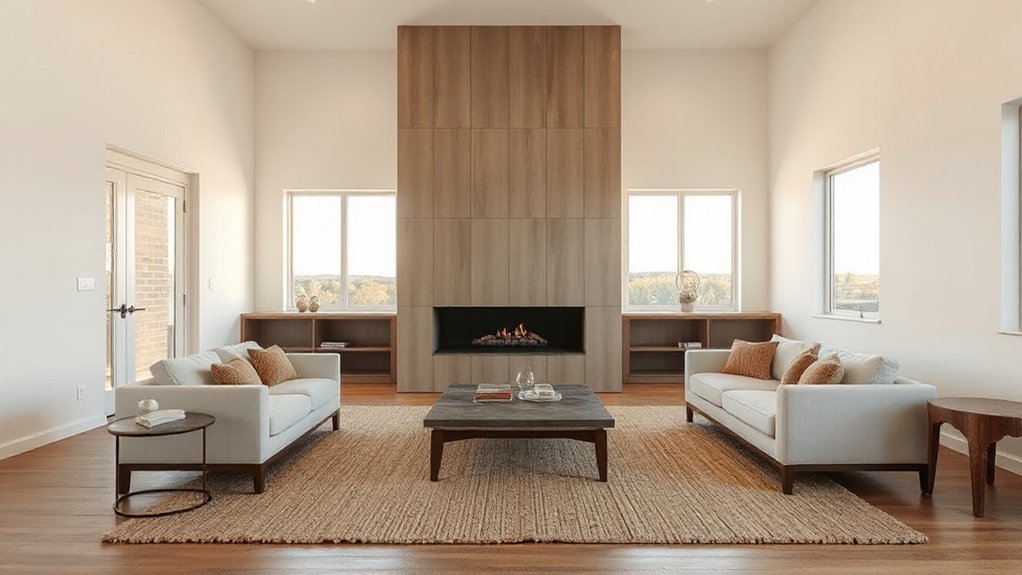
When you design a new-build home, scale and proportion aren’t afterthoughts—they’re foundational. In each room, start by sensing how furniture fits against walls, windows, and doors. Choose pieces that relate to the room’s dimensions, not just your tastes, so traffic flows feel natural and inviting.
Use architectural details to anchor scale—chunkier mantels, substantial baseboards, or clear ceiling lines create cohesiveness without clutter. Balance proportions by pairing tall verticals with lower, broader forms, so walls don’t feel overwhelmed or underused.
Lighting techniques matter: evenly lit spaces read as calmer and larger, while targeted accents highlight key features. Keep color and pattern restrained to preserve harmony.
With intentional scale, rooms feel comfortable, belonging invites you to linger, and character emerges without shouting.
Bring Nature Indoors With Materials
Nature isn’t an afterthought in a new build; it’s a material language you can touch and feel. You’ll bring warmth and texture by choosing natural materials that age gracefully. Think wood, stone, cork, and clay that patina over time, echoing the landscape outside.
Pair these with indoor plants to soften edges and create microclimates that feel alive. Select finishes with honest grain, tactile surfaces, and subtle imperfections that tell a story.
Integrate materials in visible ways—floors, surfaces, and built-ins—to reinforce belonging through continuity. Use lighting to highlight natural textures, not distract from them.
Your home becomes a grounded, welcoming space that invites discovery and daily comfort.
- Indoor plants
- Natural materials
- Honest finishes
- Visible grain and texture
Add Wall Treatments That Create Subtle Texture
You can add subtle texture to walls with layered surface treatments that don’t overwhelm the room. Start with a base finish and introduce restrained techniques—like soft plaster, subtle trompe l’oeil patterns, or a lightly embossed wallpaper—to create depth without shouting.
This approach blends practicality with detail, so your walls feel crafted and cohesive.
Subtle Wall Texture Techniques
There are several subtle-wall textures you can add during a new-build to enhance depth without overpowering the room. You’ll find that small changes make a big impact, so choose textures that feel warm and timeless. These techniques balance sophistication with approachability, helping you belong in a space that’s uniquely yours.
- Textured wall finishes that read soft from across the room
- Subtle plaster techniques for understated character
- Lightly brushed or troweled surfaces for gentle variation
- Subdued seam-free patterns that hide imperfections
When you plan, consider how each option plays with lighting and color. Keep the palette simple, and let texture do the talking. The result should be inviting, durable, and easy to live in, without shouting.
Layered Surface Treatments
Start with textured wall finishes in focal areas like a living wall or behind a seating niche to anchor the space. Use layered paint techniques on trims, ceilings, and feature walls to avoid flatness while keeping cohesion.
Keep patterns simple, repeating gentle textures rather than busy motifs, so the room remains calm and cohesive. Pair matte, satin, and low-sheen finishes to enhance tactile interest without glare.
Test samples at different times of day to verify warmth and harmony. This approach builds belonging by offering familiar, comforting surfaces you can live with daily.
Plan a Flexible, Easy-to-Reconfigure Layout
A flexible, easy-to-reconfigure layout starts with a simple, adaptable plan: designate a core living area that can fluidly absorb shifts in family size or routines, and place plumbing, electrical, and data runs where they can support changes without major renovations. You’ll gain versatility without sacrificing comfort, and energy efficiency becomes easier to maintain through centralized hubs and reusable wall cavities.
Plan zones that can morph—a dining space doubling as a workspace, a lounge that converts to a quiet retreat, and compact, movable storage that scales with needs. Integrate practical guest flow, daylighting, and garden landscaping cues to feel connected to the outdoors.
Build flexibility into furniture layouts to invite belonging and collaboration.
- Design a central core with movable partitions
- Run shared services along a single corridor for ease
- Use multipurpose furniture to curb clutter
- Align layout with garden landscaping for cohesion
Personalize With Seasonal and Subtle Touches
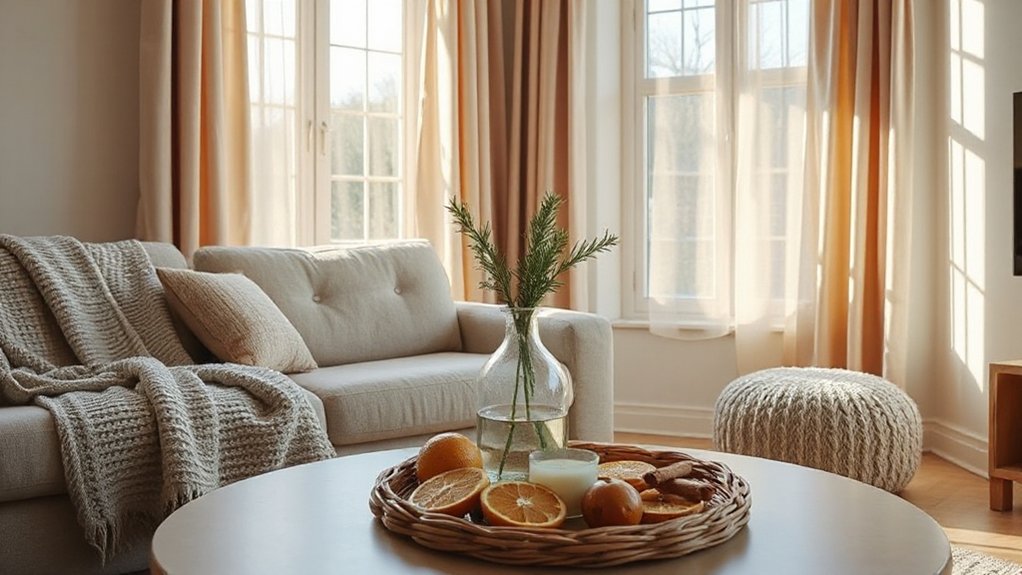
Seasonal and subtle touches personalize a new-build without overwhelming its clean lines. You can introduce warmth with seasonal accents that shift as the year changes, keeping the space feeling lived-in rather than staged.
Start with small, personal touches—a favorite throw, a family photo wall, or heirloom ceramics—that anchor rooms without clutter. Rotate elements seasonally: swap pillow covers, swap towels, adjust a centerpiece, or place a vase of fresh greenery.
Choose finishes and colors that echo your everyday life, not fashion trends, so the home still reads cohesive. Lean into practical details: easy-to-clean textiles, washable surfaces, and accessible storage for quick updates.
These simple moves build belonging, proving you’ve personalized the space while preserving its calm, modern character. Seasonal accents become your authentic, welcoming signature.
Frequently Asked Questions
How Can I Budget for Character Upgrades in a New Build?
You should budget 5–10% of your home’s purchase price for character upgrades, adjusting as you go. Start with a priorities list, then allocate a buffer for unexpected costs.
Source Vintage accessories and artistic accents gradually, tracking every purchase. Use find-and-replace opportunities—thrift shops, sales, repurposed fixtures—to stretch dollars.
Include installation and travel time. Stay flexible, compare options, and celebrate small wins.
This approach makes your space feel authentically yours, while keeping the budget under control.
What Small Changes Create the Strongest First Impression?
You want the strongest first impression from small changes: start with custom paint on key walls and doors, then swap in unique hardware on cabinetry and fixtures.
Choose a cohesive color story and finish, so it feels intentional, not random.
Add lighting that flatters your space, plus a few curated textures for warmth.
You’ll feel belonging as guests notice your character-forward choices.
Custom paint and unique hardware anchor the look, inviting conversation and comfort.
Which Textures Read as Timeless in Modern Spaces?
In spaces with timeless texture, you’ll notice that 70% of designers still rely on natural fibers. Textural contrast helps you read depth, while material selection anchors the room.
You gravitate toward matte stone, warm timber, and loomed textiles that age gracefully. You read as deliberate, grounded, and confident.
Pair tactile surfaces with clean lines, add a soft-winish rug, and balance with metal accents. Your home feels connected, welcoming, and undeniably you.
How Can I Layer Lighting for Mood and Function?
You can layer lighting for mood and function by combining ambient, task, and accent lighting. Use dimmable fixtures to adjust ambiance, and place accent lighting to highlight architecture or art.
Aim for layered illumination that evolves with your day, and keep the wiring simple for reliability. Start with a solid ceiling light, add floor or table lamps for warmth, and insert accent lighting to draw attention to focal areas.
Accent lighting, layered illumination, and thoughtful placement create belonging.
What Are Quick Personalization Ideas After Move-In?
You can personalize quickly by placing artwork strategically and choosing window treatments that reflect your vibe.
Start with artwork placement at eye level in main rooms to anchor the space, then mix scales for visual interest.
Add soft window treatments like sheer drapes or upgraded blinds to control light and texture.
Keep a cohesive color palette, swap out throw pillows, and display personal photos.
You’ll feel a sense of belonging as spaces reflect you.
Conclusion
To add character to your plain new-build, identify gaps, choose a warm foundation, layer textures, tell your space’s story with furniture, curate purposeful art, bring nature indoors, add subtle wall treatments, plan a flexible layout, and personalize with seasonal touches. Embrace coherence, contrast, and care. Build confidence with texture, color, and scale. Mix objects you love, mix eras you trust, mix patterns you adore. Create connection, curate comfort, celebrate change, and make it yours—today, tomorrow, and beyond.