
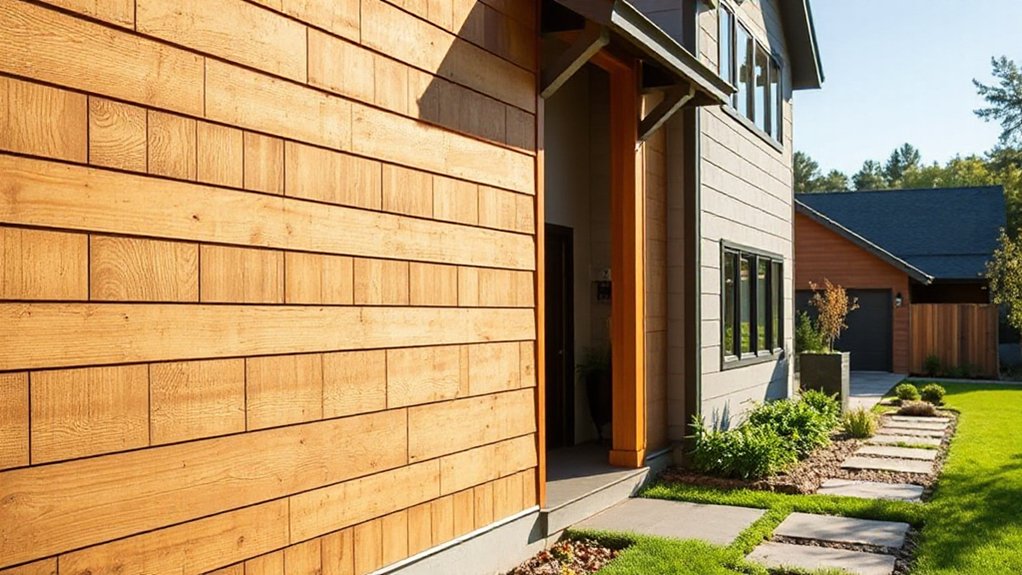
Choosing the best exterior siding starts with climate-appropriate durability and a price you can live with long term. Pick a material that matches your home’s style and local weather, then weigh upfront costs against maintenance and longevity. Consider performance traits like resistance to warping, fading, and moisture, plus how easy it is to install and seal. Make certain proper flashing and ventilation, and plan for warranties. If you keep going, you’ll uncover how to tailor this to your house.
Why Exterior Siding Matters: Value, Curb Appeal, and Comfort
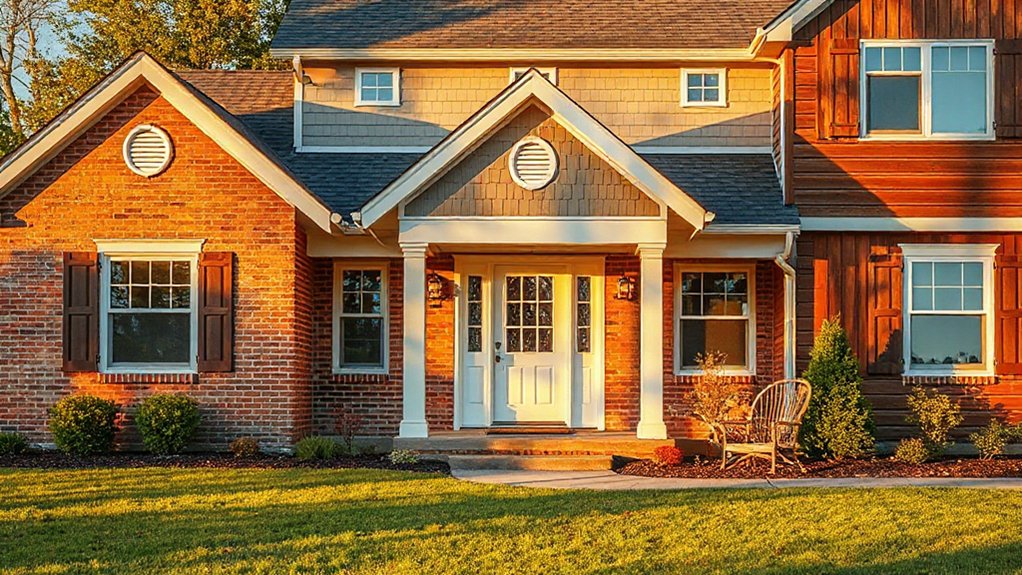
Exterior siding isn’t just a cosmetic choice—it sets the baseline for value, curb appeal, and home comfort. You’ll notice how the material communicates durability, energy efficiency, and your neighborhood’s character.
When siding aligns with landscaping integration, the exterior looks intentional, cohesive, and easier to maintain, boosting perceived value without overspending. You’ll feel more confident inviting neighbors and guests because consistent design signals care and belonging.
Quality siding reduces drafts, shields against weather, and stabilizes indoor temperature, improving comfort year-round.
Historical authenticity matters, too: compatible textures, profiles, and hues preserve a home’s story while modernizing performance. Your choice should honor the past while delivering practical benefits, so your exterior feels both welcoming and enduring, reflecting your standards and the pride you bring to your community.
How to Choose Siding: Core Criteria by Climate and Budget
Siding choice hinges on climate realities and your budget, so start by matching material performance to local weather patterns and maintenance costs.
Consider how insulation, durability, and moisture resistance align with your climate, then balance upfront price against long-term savings.
Climate-Based Material Performance
What climate demands isn’t just about resisting rain or sun; it’s about choosing materials that perform reliably under your local conditions. You’ll assess siding not only for weather tolerance but for how it ages where you live, considering humidity, temperature swings, and UV exposure.
Pick systems that resist warping, cracking, and fading while maintaining color cohesion over time. Think about how driveways, rooftops, and nearby landscaping influence moisture and heat, and select materials that handle that reality without costly maintenance.
Color coordination and texture variety matter here, because the right finish and surface behavior help your home feel integrated with its surroundings. When you choose accordingly, you reinforce belonging—siding that looks consistent, lasts, and ages gracefully with your climate.
Budget-Conscious Siding Choices
Because budget shouldn’t force you into poor choices, start by identifying the balance between upfront cost and long-term value, then map that to your climate needs and expected maintenance.
Budget-conscious siding isn’t about cheapest options; it’s about smart trade-offs that honor durability and curb appeal. Consider materials with solid performance histories and practical warranties, then align them with your color palettes to sustain harmony over time.
Material trends matter, but choose timeless accents that resist fading and weathering in your climate. Prioritize installation quality, weather resistance, and routine upkeep so you avoid costly surprises later.
Shortlist options that fit your budget, then test how each looks on your home’s facade under different light. Your choice should feel secure, cohesive, and welcoming.
The 4 Most Popular Siding Materials: Quick Guide to Pros and Cons
Choosing exterior siding starts with understanding the four most popular options, so you can pick a material that balances curb appeal, durability, and cost. You’ll weigh appearance, maintenance, and long-term value as you compare options.
Siding installation matters as much as looks, because proper fit and weatherproofing protect your home’s envelope. Vinyl offers affordability and ease of care, but can crack in extreme cold.
Fiber-cement blends stunning texture with robustness, while wood delivers warmth but requires upkeep.
Metal siding provides modern lines and resilience, yet can dent and show aging.
Consider material recycling opportunities in your area, and how each choice fits your neighborhood aesthetic. Informed decisions create belonging—homes that feel cohesive, cared for, and ready for the seasons ahead.
Fiber Cement: Durability, Fire Resistance, and Maintenance
Fiber cement combines durability with practical maintenance, and its composite makeup helps it stand up to weather without frequent upkeep. You’ll appreciate how this material resists cracking and warping, because its dense add-ons reduce movement that invites wear.
In terms of fire resistance, fiber cement performs especially well, providing a safer exterior layer that doesn’t feed flames as readily as wood does. You won’t need to chase repaint cycles as often, since paint adheres well and maintenance coats aren’t required yearly.
You gain a consistent, refined look that holds its color longer with less fading. With proper installation and flashing, you create a resilient shell for your home.
fiber cement delivers reliability, value, and a sense of belonging in sturdy, low-maintenance siding.
Vinyl Siding: Budget, Styles, and Longevity
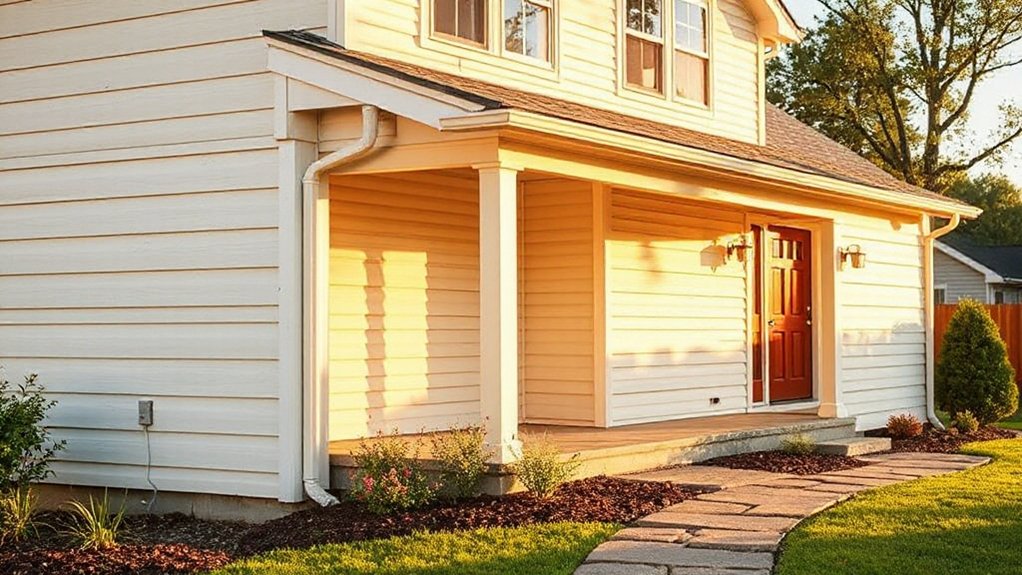
Vinyl siding can trim upfront costs while still delivering curb appeal, so consider your budget against maintenance needs and long-term value.
With a wide range of styles—from classic clapboard to modern panels—your choice should support your home’s architecture and resale appeal without sacrificing durability.
Longevity factors like UV resistance, thickness, and proper installation determine how well your investment holds up over time.
Budget Considerations
Even though vinyl siding offers low upfront costs, you should weigh long-term value alongside initial price. When budgeting, factor in installation, maintenance, and potential aesthetic upgrades that preserve curb appeal over time.
Choose a durable profile and insulated options to reduce heating and cooling bills, aligning with your energy goals. Consider surrounding projects that influence costs, like garden landscaping and minor exterior fixes, so you’re not surprised by overlaps or compatibility issues.
Plan for color choices that resist fading, since repainting interior spaces isn’t a direct substitute for exterior refresh. Keep a realistic contingency for unforeseen repairs, but avoid over-investing in trends.
Style Options
What style options for vinyl siding deliver the best balance of budget, aesthetics, and longevity? You’ll find choices that blend value with character.
Horizontal profiles offer timeless appeal and easy maintenance, while shingle and board-and-batten textures introduce architectural interest without breaking the bank.
Choose a thickness that supports durability yet remains affordable, and opt for a premium finish with fade resistance to preserve curb appeal.
Color trends matter—neutral foundations with bold accents can refresh your home without costly remodeling.
Material sustainability matters too: look for recycled-content options and low-VOC coatings that minimize environmental impact.
With thoughtful selection, you join a community that values lasting beauty and prudent investment, aligning your home’s exterior with both modern sensibilities and enduring credibility.
Longevity Factors
While budget, style, and longevity are linked, prioritizing durability can actually save money over time, especially with vinyl siding. You gain confidence in a material that resists cracking, fading, and warping, while maintaining curb appeal.
To maximize longevity, consider these factors:
1) Exterior texture and surface finish: choose a texture that hides minor imperfections and holds paint-like color better over decades.
2) Color longevity: pick fade-resistant pigments and UV-blocking seals to keep shade true after sun exposure.
3) Installation and maintenance: professional installation plus occasional cleaning prevents moisture problems and extends life.
Wood Siding: Appearance, Aging, and Care
Wood siding adds natural warmth and texture to a home, but its appearance, aging, and care hinge on material type, exposure, and maintenance. You’ll benefit from choosing properly graded wood and high-quality finishes, then applying consistent care techniques to extend life.
Expect evolving color and grain as part of its character, not a flaw, when you accept gentle weathering and periodic refreshes.
For wood aging, monitor for cracking, cupping, or stained patches, and address promptly to avoid deeper damage.
Care techniques emphasize proactive sealing, regular cleaning, and recoat intervals suited to climate.
Keep siding protected from moisture intrusion, ensure proper drainage, and inspect fasteners annually.
With attentive maintenance, wood can sustain beauty and performance, fostering a sense of belonging through enduring, organic charm.
Brick and Stone Veneer: Longevity, Weight, and Aesthetic
Brick and stone veneer offer lasting curb appeal with a lighter footprint than full masonry, while delivering durable texture and warmth. You gain authentic character without the heft of solid stone, plus easier installation and maintenance. For longevity, choose quality anchors and proper flashing to minimize moisture risk.
- Weight and installation: veneer reduces structural strain, easing retrofits and new builds alike.
- Preservation and recycling: compatible with historical preservation goals and material recycling practices when sourced responsibly.
- Aesthetic versatility: blends with brick, stucco, and wood tones to create timeless curb appeal.
Together, these factors support a home that feels rooted and inclusive. You’ll enjoy enduring beauty, lower long-term costs, and a design that honors tradition while embracing modern efficiency.
Metal Siding: Aluminum and Steel Pros and Cons
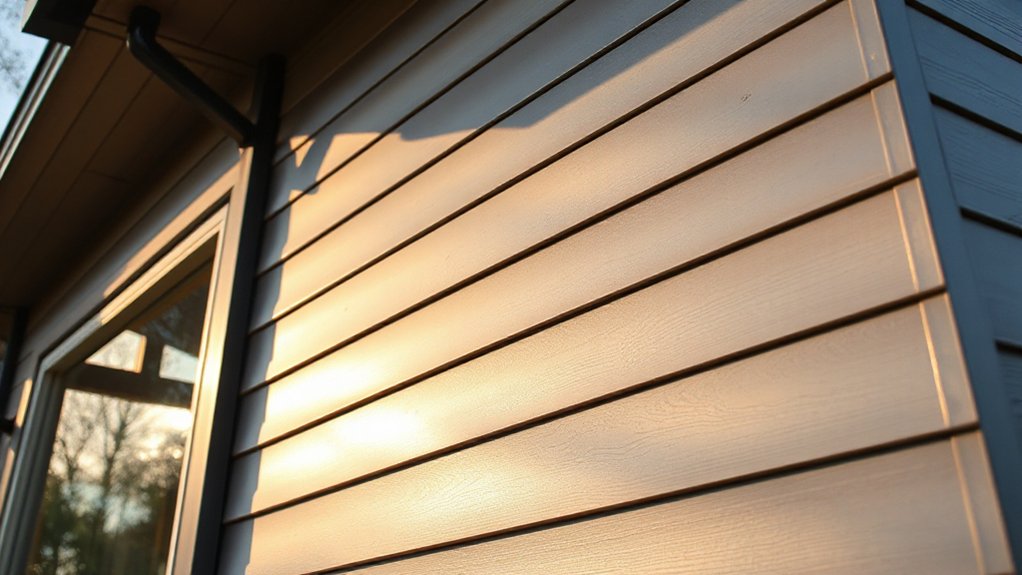
Metal siding, whether aluminum or steel, offers a durable, low-maintenance option with distinct trade-offs. You’ll appreciate its material durability, resisting rot and pests while maintaining a crisp, modern curb appeal that strengthens your home’s sense of belonging.
Aluminum is lightweight, often more affordable, and secures quickly with minimal structural stress. However, it can dent and fade with impact or harsh weather.
Steel delivers exceptional strength and longevity, especially when coated to resist corrosion. Yet, it may require more upfront investment and maintenance to guard against rust in vulnerable climates.
Both options provide excellent fire resistance and energy efficiency when paired with proper insulation. Your choice should weigh aesthetic alignment, installation ease, and long-term upkeep against your neighborhood’s look and climate realities.
How Weather and Climate Drive Siding Performance
Weather and climate shape how siding performs long after installation. Your choice must account for seasonal extremes, humidity, and sun exposure, which testing shows influence durability, color retention, and warranty coverage. When you consider climate, you’re embracing long‑term value and comfort for your home.
- Climate considerations: assess local temperature ranges, moisture, and UV exposure to match siding with expected stressors.
- Material compatibility: confirm substrates, paints, and sealants cohere with chosen siding to prevent gaps, warping, or corrosion.
- Performance forecasting: analyze historical weather data and performance claims to predict maintenance needs and lifespan.
Siding System Essentials: Rails, Soffits, Gutters, and Drainage
You’ll align rails to frame your cladding, then cap openings with soffits to improve airflow and reduce heat buildup.
Gutters guide rainwater away from foundations, while properly sized drainage directs runoff to safe discharge zones.
This isn’t just about looks; it’s about longevity and peace of mind, especially when you’re investing in siding installation.
Prioritize seamless connections, proper flashing, and regular inspection.
Before you commit, demand material testing results and installation best practices from your contractor to guarantee consistent performance, weather resilience, and a space you’re proud to call home.
Slab vs. Lap Siding: Installation Implications and Costs
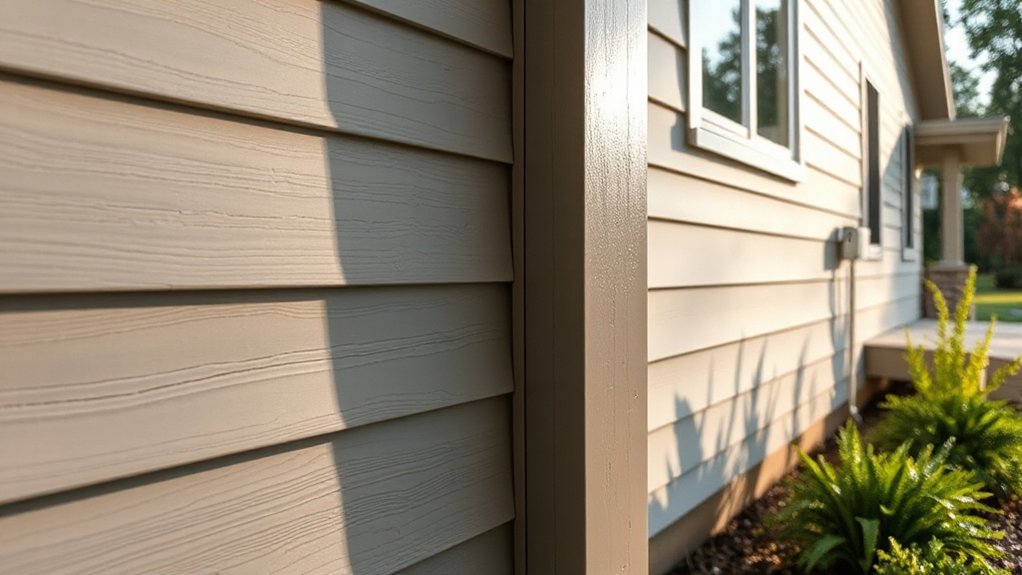
Choosing exterior siding isn’t just about looks; it impacts how you install, maintain, and budget for your home. Slab and lap siding each bring distinct installation challenges and cost implications, so your choice should fit your practical expectations and sense of belonging in your neighborhood. You’ll feel more confident when you understand the tradeoffs.
1) Slab siding typically installs faster upfront but may require more meticulous detailing for seam and drainage integrity, affecting long-term maintenance and cost comparison.
2) Lap siding often adds complexity with overhangs, nailing patterns, and expansion gaps, influencing labor time and potential weather-related risks.
3) Budget requires weighing material price against labor, long-term durability, and seasonal performance to align with your household goals.
Matching Siding to Home Style: Craftsman, Colonial, Modern
Your home’s style is a clue to the siding that will feel authentic. Consider how Craftsman, Colonial, and Modern aesthetics pair with materials that reinforce mood—textures, profiles, and colors that sing in harmony.
Start by aligning the material with the home’s proportion and detailing for materials that fit the vibe and endure the climate.
Styles That Sing
To make a home feel cohesive, choose siding that mirrors the architectural language of its style. When you align Craftsman, Colonial, and Modern with siding choices, you create garden integration and architectural harmony that feels earned, not forced.
1) Craftsman cues: emphasize natural textures and earthy tones, letting occasional wood grain echo the landscape.
2) Colonial rhythm: opt for clean profiles with subtle corner boards and restrained color palettes that respect historic cadence.
3) Modern clarity: favor smooth, minimal panels in bold contrasts to highlight form over ornament.
This intentional pairing helps you belong in your home’s story — you’ll sense the heritage without sacrificing contemporary comfort.
Aligning material and design makes every outdoor moment feel deliberate, inviting, and connected to your landscape.
Material Meets Mood
Material and mood go hand in hand: the right siding underpins the story your home tells. When you match materials to style, you reinforce belonging and curb appeal.
Craftsman exudes warmth with wood textures and earthy color options, emphasizing handcrafted integrity.
Colonial favors symmetry and restrained palettes, so opt for traditional textures and muted tones that nod to history without feeling dated.
Modern homes thrive on clean lines, high-contrast finishes, and smooth, low-maintenance surfaces—texture variations become architectural punctuation rather than ornament.
Consider how color options interact with light across seasons to sustain curb appeal.
Insulation and Energy: How Siding Affects Detail and Comfort
Exterior siding isn’t just about curb appeal; it also shapes insulation and overall comfort. When you prioritize insulation benefits, you improve everyday living, reduce drafts, and enjoy steadier temperatures with less energy use. Your choice matters for energy efficiency, too, because tighter envelopes mean fewer conditioned-air leaks and lower bills.
Here are key considerations:
1) Material density and air gaps influence thermal resistance and sound control.
2) Venting, underlayment, and installation quality affect continuous insulation and moisture management.
3) Reflective or darker finishes can alter heat gain, impacting cooling needs and comfort.
Informed choices build a home you belong to, where every room feels consistent and considerate.
Weatherproofing Essentials: Seams, Flashing, and Gaskets
Seams, flashing, and gaskets aren’t flashy details—they’re the frontline of weatherproofing. You’ll want tight seams and continuous protection where your siding meets roofs, windows, and doors.
Seam sealing is your first line of defense against water intrusion and air leakage, so don’t skimp on material quality or proper application. Focus on clean, dry substrates, compatible sealants, and moving joints accounted for with expansion gaps.
Flashing installation matters just as much; make certain joints are flashed from the lowest point up, with overlaps that shed water away from the structure.
Gaskets around openings seal gaps and cushion shifts. Test for reveal consistency and look for visible gaps at corners.
When done correctly, you gain lasting performance and a sense of belonging that comes from solid, careful workmanship.
DIY vs Pro Installation: What You Can Do and What to Leave
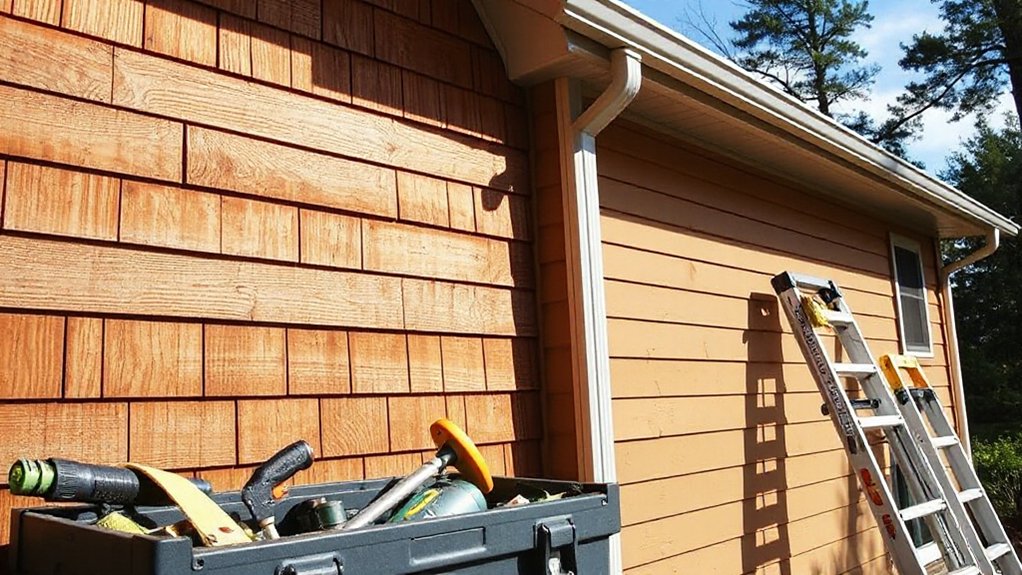
DIY often pays off for simpler siding tasks, but know your limits: you can handle choosing and installing basic products, prepping the surface, painting or staining, and replacing small sections with matching materials.
Bigger jobs—like full siding removal, complex flashing, or working at height—are best left to pros.
- DIY pitfalls: underestimating moisture risks, skipping professional-quality flashing, and compromising warranty.
- Contractor selection: verify licenses, request portfolios, and ask for clear timelines and detailed bids.
- Safe execution: use proper fall protection, stay within skill scope, and document any weather delays that affect performance.
Knowing when to hire helps you lock in durable curb appeal.
With the right team, you’ll feel a shared pride in your home’s exterior transformation.
Maintenance Timeline: Cleaning, Repainting, and Replacing Panels
Cleaning, repainting, and panel replacement each follow clear triggers and cadences, so you’ll want a practical maintenance calendar that aligns with the siding you chose.
Set cleaning frequency by dirt buildup and environmental exposure.
Plan repainting by coating type and warranty guidelines.
Replace panels at first signs of structural damage or persistent leaks.
This framework keeps your exterior performing, looking fresh, and protecting your investment.
Cleaning Frequency Guidelines
How often you clean exterior siding depends on climate, exposure, and the siding material itself. You’ll establish cleaner results and lasting curb appeal by aligning frequency with practical needs, not generic rules. Cleaning schedules matter because consistency prevents buildup and damage, while stain removal becomes easier when you stay ahead.
- Assess seasonal exposure and set a baseline: a light quarterly sweep plus targeted washes after heavy pollen or mildew.
- Prioritize stain removal methods by material type, using mild cleaners to protect finishes and avoid harsh impacts.
- Schedule proactive inspections alongside cleanings to catch caulking, seams, or hardware issues early.
Staying intentional with these steps helps you belong to a community that preserves beauty, value, and confidence in your home’s exterior.
Repainting Intervals Timing
Repainting intervals should align with your siding material, climate, and the wear you notice, not just a calendar. You’ll gauge timing by fade, peeling, chalking, and moisture issues, then plan backward from maintenance goals you share with your family and neighbors.
If you choose wood, expect shorter intervals and more seasonal upkeep. With vinyl or metal, inspections every 3–7 years guide repaint decisions, often driven by color trends and protective coatings.
Always prep properly, seal gaps, and select durable finishes that suit your climate. Favor eco-friendly options that minimize VOCs and environmental impact while keeping performance high.
This approach supports lasting curb appeal, resilience, and a sense of belonging within your neighborhood.
Panel Replacement Triggers
If you want a reliable maintenance timeline, start by identifying panel replacement triggers that go beyond cosmetic wear: structural gaps, persistent water intrusion, warped or cracked panels, or failure of fasteners and trim.
Recognize these panel triggers as clear replacement concerns, not minor maintenance. Addressing them early protects your home’s integrity and value, fostering a sense of belonging in a resilient community.
- Inspect for gaps and loosened fasteners that compromise siding integrity.
- Track persistent water intrusion and staining indicating underlying damage.
- Monitor warping, cracks, or trim failures that signal panel replacement needs.
Color and Finish: Fading, Sealing, and Long-Term Look
Color and finish shape the house’s long-term look, and choosing wisely now will save time and money later. You’ll want pigments and coatings that resist color fading while maintaining depth and warmth across seasons.
Think about how the finish seals the surface: a well-sealed sidings protects against moisture, mold, and UV degradation, keeping your exterior vibrant longer. When evaluating options, consider fade resistance ratings, UV stabilizers, and the reputation of the brand’s topcoats.
A consistent finish across panels minimizes touch-ups and helps unity in curb appeal. Invest in a color you love that can endure routine cleaning, gentle maintenance, and occasional inspections.
Your goal isn’t perfect perfection, but enduring character, lower upkeep, and a home that feels grounded in belonging.
Warranty and Manufacturer Support: What to Look For
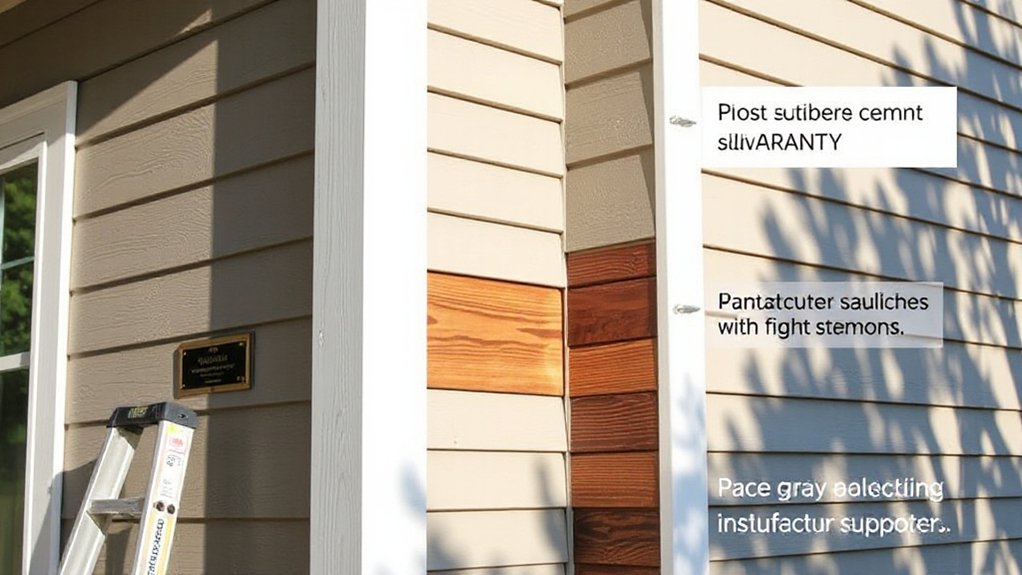
When you’re evaluating siding, check the warranty lengths and exactly what’s covered, including materials, labor, and fade or hail events.
Look for clear manufacturer support availability, with reachable help lines and documented response times.
Understand replacement and service policies up front, so you know how claims are processed and who handles installation or cosmetic fixes.
Warranty Lengths and Coverage
Warranty length and coverage aren’t one-size-fits-all, so you should verify exactly what’s covered, for how long, and under what conditions before you buy. When you review options, focus on practical protections and reliable support that aligns with your home’s needs.
This matters because clear warranty coverage gives you confidence and peace of mind.
- Warranty length: note the duration for both materials and workmanship, and any pro-rated terms.
- Coverage specifics: identify what’s included, what’s excluded, and what remedies you receive if issues arise.
- Manufacturer support: confirm access to service, required maintenance, and ease of claim processing for a smooth experience.
Manufacturer Support Availability
Solid support means faster resolutions, fewer missteps, and durable results you’ll feel confident about years later. Look for clear channels—phone, email, online portals—and documented lead times for replacement parts.
Additionally, assess whether support scales with your project, from small renovations to larger exterior updates. Consider how the color palette and exterior texture choices align with available marketing and design resources.
Strong manufacturer support helps you protect your investment and your sense of belonging to a trusted brand family.
Replacement and Service Policies
nn1. Warranty coverage specifics: durations, exclusions, and what constitutes a claim.
n2. Manufacturer support and response times: accessibility, on-site visits, and expedited repair options.
n3. Material sourcing and maintenance guidance: availability of replacements, compatible accessories, and recommended exterior maintenance routines.
Knowing these details supports durable performance, easier renovations, and smoother upkeep. A siding system backed by thoughtful replacement and service policies reinforces your confidence in exterior maintenance, reduces surprises, and reflects a brand that values long-term relationships.
Hidden Costs to Plan For During Siding Projects
Hidden costs can quietly derail a siding project if you don’t plan for them upfront. You’ll want a realistic contingency and a clear budget that accounts for material spoilage, disposal fees, and permit costs you may not anticipate.
Hidden costs can creep in from weather-related delays, requiring temporary housing or alternate timelines, so build slack into your schedule and finances. Expect charges for site prep, flashing upgrades, and waste removal that aren’t in the sticker price, and confirm all warranty coverage to avoid surprise repairs.
Staying organized helps you prevent project delays and keeps you engaged with the team. By budgeting thoughtfully and communicating early, you demonstrate ownership, avoid feeling sidelined, and move toward a finished, cohesive exterior you’ll be proud of.
How to Vet a Siding Contractor: Questions That Save Time
To vet a siding contractor efficiently, start with a focused set of questions that reveal competence, reliability, and value. You want answers that confirm credibility, not vague promises.
1) What certifications and contractor certifications do you hold, and can you share proof?
2) How do you stay current with siding material innovations and best practices?
3) Can you provide recent project references and a transparent, written timeline?
Beyond responses, assess communication style, timeliness, and warranty details. Look for documentation of insured workmanship and material warranties.
Ask about installation methods compatible with your chosen siding and climate. Confirm project milestones, cleanup, and permit handling.
A competent pro will invite questions and explain costs clearly. This diligence saves time and builds trust, helping you belong to a community of informed homeowners. siding material innovations, contractor certification.
Frequently Asked Questions
How Long Does Siding Typically Last in Extreme Climates?
Siding typically lasts 15 to 40 years, depending on material and installation.
In extreme climates, expect shorter lifespans if you ignore maintenance, moisture control, or proper ventilation.
Material durability varies: brick and fiber cement endure longer, while wood or vinyl may weather faster with harsh temperature swings.
Climate adaptability matters most; choose options that resist freezing, heat, and intense sun.
Regular inspections and prompt repairs help you maximize longevity, ensuring your home feels secure and you truly belong.
Which Siding Resists Pests and Rot Best?
A shield standing tall against storms, you’ll want pest resistant materials that also beat rot. Among siding options, fiber cement and vinyl with proper sealing resist insects and decay best.
For homeowners craving belonging, you’ll appreciate rot proof options backed by warranties and maintenance ease.
You’ll want treated wood varieties only if constant upkeep is doable; otherwise, choose fiber cement or high-grade vinyl.
In short, pick pest resistant materials for lasting protection.
Can Siding Affect Indoor Humidity and Temperature?
Yes, siding can affect indoor humidity and temperature. It acts as part of your home’s envelope, helping with temperature regulation and moisture control.
Proper installation, ventilation, and insulation matter more than material alone; gaps or poor underlayment let in humidity and heat swings.
Choose breathable, well-sealed options, and maintain steady airflow to reduce indoor moisture.
When you select wisely, you’ll feel more comfortable, supported, and part of a home that breathes with you.
What Are Hidden Costs Beyond Installation Quotes?
“Hidden costs aren’t a trap; they’re a wake-up call.” You’ll weigh maintenance costs and material warranties, not just sticker price.
You’ll budget for repainting, sealing, and potential repairs over years, plus moisture-related checks and insect control.
You’ll savor the peace of mind that comes with reputable warranties and documented upkeep plans.
You’ll feel you belong in a trusted, informed community, making choices that protect value, curb surprises, and support lasting curb appeal.
How Often Should Gutters and Flashing Be Checked With Siding?
You should check gutters and flashing at least twice a year, and after major storms. Gutter maintenance matters because clogged or damaged gutters can back up water and compromise siding.
Schedule a flashing inspection when you clear debris or notice streaks, peeling paint, or leaks. You’ll protect your home’s look and value by staying proactive, building confidence in your upkeep routine, and signaling that you belong to a community that guards its investments.
Conclusion
Choosing siding isn’t just about looks—it’s about value, comfort, and long-term performance. You’ve seen the pros, cons, and costs of each option, from fiber cement to vinyl, plus what warranties and contractors should offer. As you decide, ask: will this endure the climate, fit your budget, and stay maintenance-light for years to come? With smart choices and a trusted pro, you’ll boost curb appeal and resilience, not just appearance. Ready to choose confidently?