
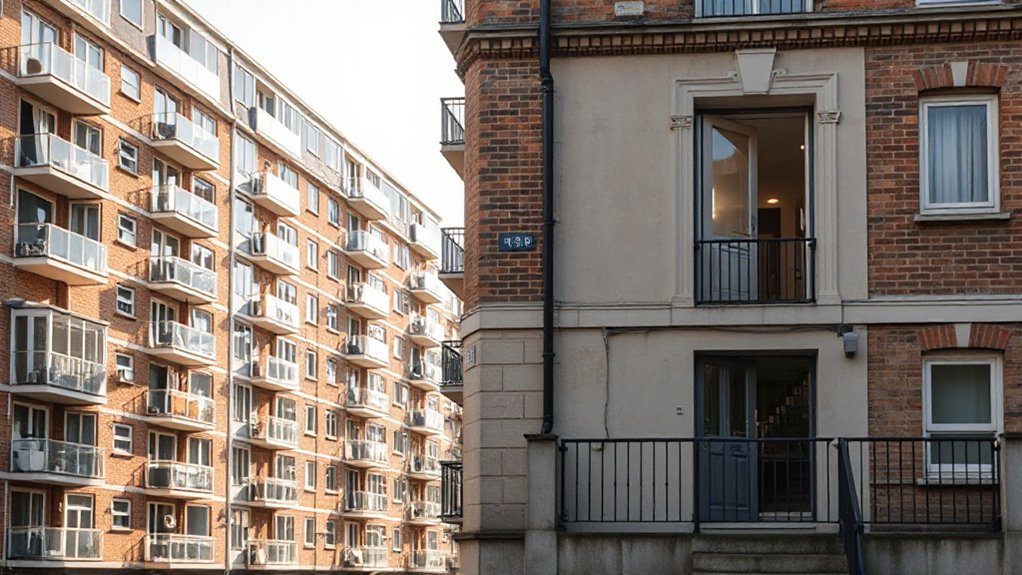
Flats give you efficient, ground-level flow with shared upkeep and lower individual overheads, while maisonettes offer vertical zoning, private outdoor nooks, and more autonomy for customization. If you value simplicity, predictable costs, and easier maintenance, a flat might suit you. If you want distinct levels, brighter daylight, and greater control over exterior spaces, a Maisonette could be worth the extra consideration. Think about privacy, outdoor access, and long-term growth—and you’ll see which fits best as you explore more.
Which Option Fits Your Lifestyle: Flats or Maisonettes?
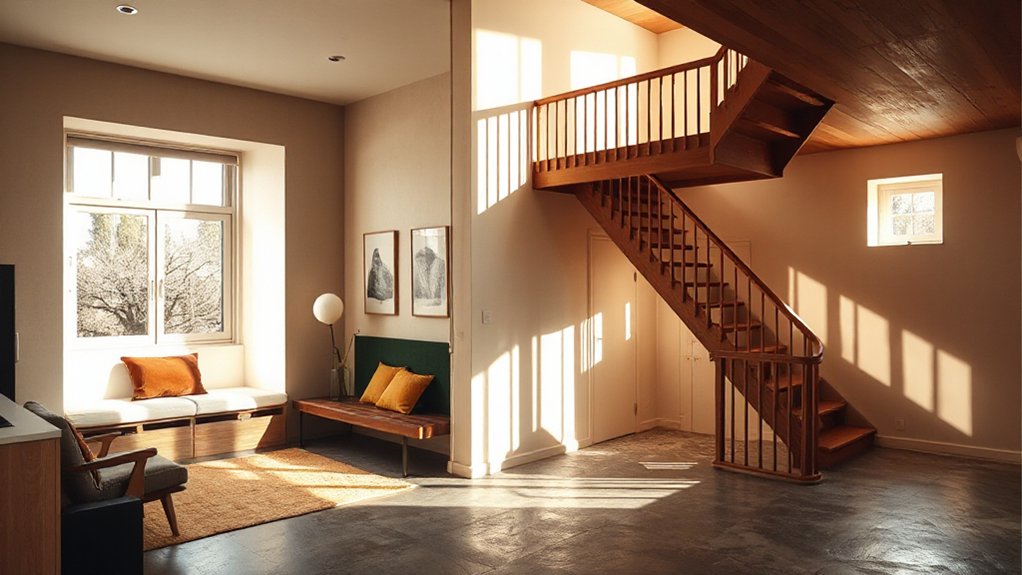
Choosing between flats and maisonettes hinges on how you live day to day. You’ll weigh vertical convenience against spatial flexibility, balancing your social rhythms with quiet thresholds.
Flats offer streamlined maintenance and quicker access to shared amenities, amplifying belonging within a community.
Maisonettes grant multi-level autonomy, often translating into more defined zones for work, play, and rest.
Your decision should hinge on daily patterns: do you crave compact efficiency or room to grow?
Consider building regulations that shape layouts, access, and amenities, because they affect long-term satisfaction and resale.
Shared amenities become a social fabric you’ll either lean into or sidestep.
How to Start: Define Your Lifestyle Criteria for Flats Vs Maisonettes
Set your baseline by listing how you live daily—work, commute, and downtime—and map how flats and maisonettes meet those rhythms.
Consider space needs, privacy, and future plans, then weigh how each option scales with your evolving lifestyle.
This criteria-first approach sharpens your market signals and centers decisions on what truly moves the needle for you.
Define Your Lifestyle Criteria
To define your lifestyle criteria for flats versus maisonettes, start by mapping how you actually live day to day: what activities you prioritize, how much space you need, and how much you value privacy, outdoor access, and maintenance.
Your choices hinge on how historical architecture shapes spaces you enjoy, and how cultural influences color daily routines.
1) Clarify daily rituals: work, leisure, hosting, kids or pets.
2) Assess space needs: storage, private zones, and outdoor access.
3) Measure maintenance tolerance: shared responsibilities vs. self-sufficiency.
4) Align with identity: neighborhood vibe, belonging, and long-term value.
These filters sharpen market insight, helping you target options that feel right now and into the future.
Flats vs Maisonettes Preferences
As you map your daily rhythms from the previous lifestyle criteria, you’ll see that flats and maisonettes cater to different balance points between privacy, community, and upkeep. Your preference hinges on how you weigh shared spaces against personal retreat.
Flats often reward streamlined routines, predictable upkeep, and quick access to amenities, appealing to those who value efficiency and social cues from neighbors.
Maisonettes, by contrast, favor layered privacy and a tactile sense of home, with opportunities to curate a lived-in flow that echoes historical architecture.
Consider whether you crave luxury amenities in common areas or a quieter, more self-contained environment.
Align choices with your sense of belonging, then test by visiting properties that emphasize authentic character and durable design.
Layout Implications: How Floor Plans Differ in Flats and Maisonettes
While the layout implications of flats and maisonettes shape daily living, the key difference lies in vertical access and space hierarchy. You’ll notice how circulation creates distinct zones, with flats favoring horizontal flow and maisonettes leveraging stairs to stage living areas across levels.
This vertical rhythm affects privacy, furniture placement, and even acoustics, shaping how you feel connected yet separate within the same footprint. Architects nod to Architectural aesthetics and Building regulations, ensuring form meets function without compromising market desirability.
Your sense of belonging deepens when spaces enable independent routines without constant overlap.
- Stairs as a design anchor influence sightlines and clutter discipline
- Zoning across levels impacts storage, lighting, and acoustics
- Entry sequencing frames perception of openness and privacy
- Compliance-driven layouts protect resale value and tenure flexibility
Private Outdoor Access: Terraces, Gardens, and What You Can Expect
Private outdoor access shapes day-to-day living and market appeal by turning compact footprints into usable extensions. You’ll notice terraces and small gardens shifting how you use common space, giving you semi-private zones without full-blown yards.
In flats, terrace size and access often signal lifestyle value, while maisonettes can repurpose upper-level outdoor nooks for sun, breeze, and social spots. The real metric isn’t square footage alone but how you integrate private outdoor spaces into routines—coffee on a morning patio, dusk with friends, or a quick garden walk.
Garden privacy matters: fencing, plant screening, and sightlines influence comfort and resale appeal. Expect demand to favor properties that blend sealable outdoor areas with seamless indoor passages and low maintenance requirements.
Vertical Living and Privacy: Stairs, Mezzanines, and Daily Life
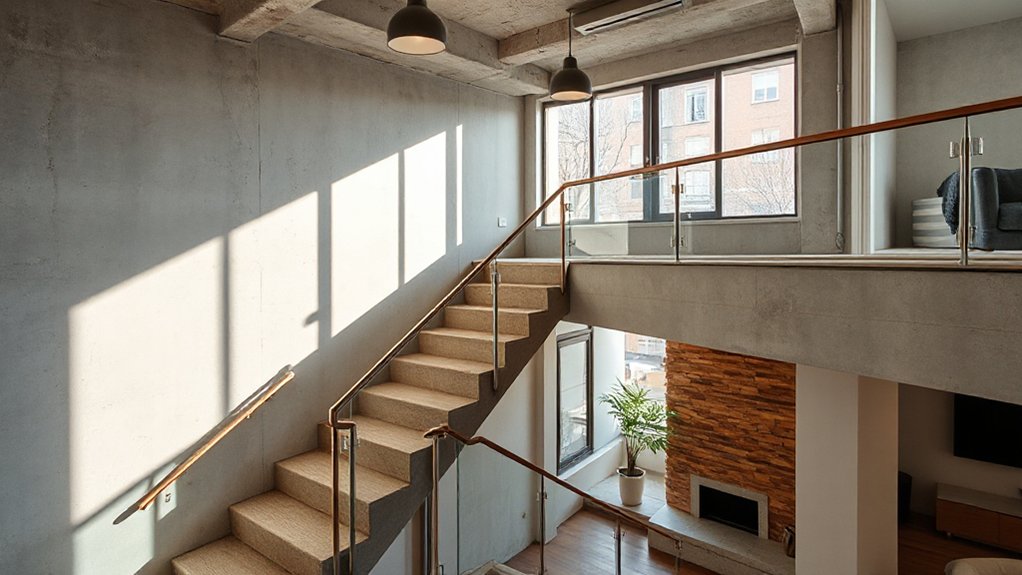
Vertical living reshapes daily routines by elevating how you move and zone your space, not just how you look. You’ll feel privacy tighter, yet more purposeful, when stairs become deliberate routes rather than afterthought connectors.
Mezzanine design can carve intimate nooks for work, sleep, or study, while preserving sightlines and social flow. The market rewards layouts that minimize wasted transitions and maximize usable height, so you’ll want stairs safety to be second nature, not a concern.
Plan with durable guardrails, non-slip treads, and clear sight lines from common areas. Your daily rhythm shifts toward intentional pacing, with zones that nurture focus and family connection.
- Optimize vertical transitions for quick, safe movement
- Prioritize mezzanine design that adds function without crowding
- Integrate storage where stairs loop into the plan
- Balance openness with private pockets for concentration
Space Quality and Flow: Room Sizes, Storage, and Adaptability
Space quality hinges on how room sizes feel in daily life, not just their measurements on paper. You’ll notice that flow matters as much as grid inches: open sightlines, thoughtful storage, and adaptable spaces that flex with your routines.
Flats often optimize efficient footprints, while maisonettes reward vertical living with compartmentalized zones that reduce clutter and encourage intentional use of every square foot.
Interior decor choices—lighting, color, and texture—shape perception, making small rooms feel larger and multi-use areas more inviting.
Architectural style matters too, signaling belonging through cohesive rhythms between levels and common areas.
In a market where buyers seek comfort and practicality, you’ll value clear, breathable layouts and built-in storage that support spontaneous gatherings and quiet retreat alike.
Accessibility and futureproofing further enhance perceived space quality.
Design Potential and Renovation Freedom: What’s Allowed in Each
When you’re weighing design potential, the key difference lies in what each form permits for customization and future changes.
In flats, you’ll typically face more regulations and fewer structural tweaks, guiding your interior design toward flexible layouts and cosmetic upgrades that respect existing cores.
Maisonettes offer more freedom—often you can alter partitions, stairs, and light wells, expanding architectural styles while maintaining safety and resale appeal.
Your decisions should align with market expectations and long‑term value, not just now.
- Architectural styles you can credibly pursue within building rules
- Interior design options that maximize usable space without compromising structure
- Permitted renovations and whether you can reconfigure common areas
- Longevity, resale implications, and how design choices signal belonging to buyers
Maintenance and Service Charges: Realistic Costs and What’s Included
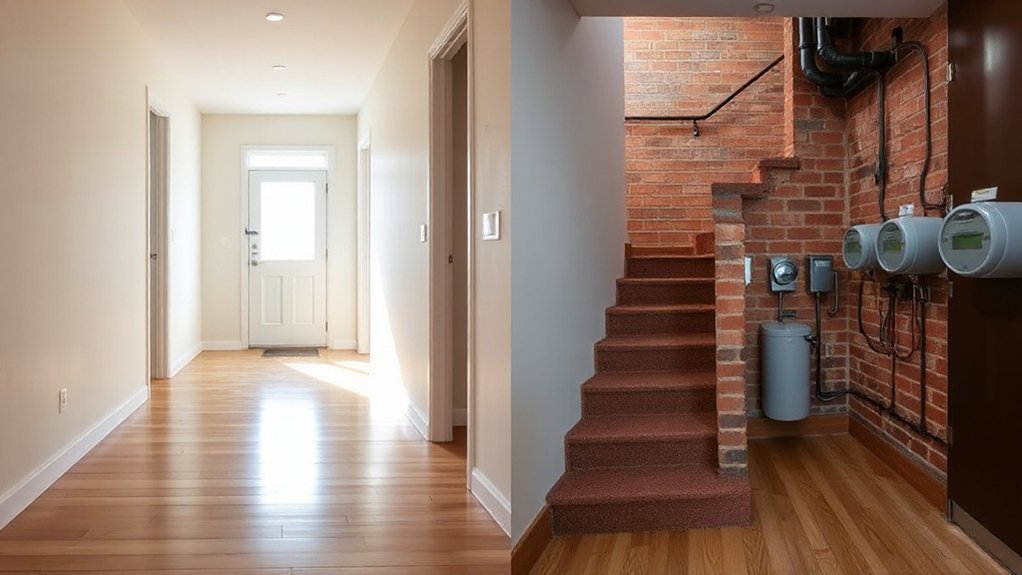
Maintenance and service charges can surprise buyers if you don’t quantify them up front; the reality is that the monthly or annual costs extend beyond the mortgage and council tax.
As you compare flats and maisonettes, you’ll want a clear cost picture that includes reserves, maintenance cycles, and insurance.
A realistic cost comparison should ask how often fees rise and what’s bundled, from gardening to building-wide repairs.
Look for transparency about what’s included in service charges and whether major works are funded through sinking funds.
Shared amenities can lift value, but they also drive costs, so assess usage and depreciation.
Entry, Security, and Access: Doors, Lobbies, and Entry Controls
Entry, security, and access set the first impression of any building, and they also shape ongoing living costs and peace of mind. You’ll notice how doors, lobbies, and entry controls signal quality, safety, and everyday convenience, influencing your sense of belonging from the moment you arrive.
In flats, shared systems can streamline costs, while maisonettes often offer more private control over entry points, subtly affecting interior decor and atmosphere.
- Building aesthetics guide your first and lasting impression, aligning entry design with your taste.
- Interior decor choices inside the lobby and stairwell reinforce a cohesive vibe.
- Access controls balance security with ease, impacting daily routines and long-term costs.
- Clear sightlines and welcoming foyers support a comfortable, communal living experience.
Parking, Location Perks, and Neighborhood Access
Parking, location, and neighborhood access often determine daily convenience and long-term value more than interior finishes. You’ll feel the impact when you park, stroll, and reach work or schools without friction.
Flats typically offer centralized parking options or proximity to transit nodes, while maisonettes may place you near quieter streets yet farther from curbside spaces. Consider Parking regulations in your chosen area: how strict are permit rules, guest parking, and timed loading zones?
Location perks matter, too—walkability, cafes, and services shape your sense of belonging and routine. Neighborhood safety influences comfort and resale appeal, so review crime stats, street lighting, and community engagement.
Informed choices translate to stable costs, stronger morale, and smoother everyday life.
Noise, Light, and Daylight: Living Comfort by Building Type
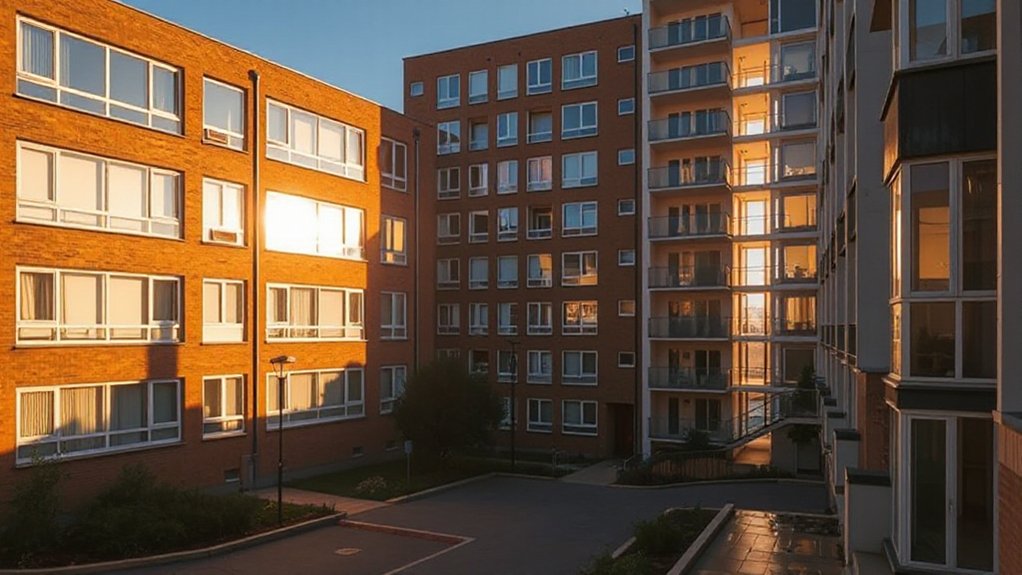
You’ll notice noise levels, natural light, and daylight penetration differ by layout, influencing comfort and resale value.
In flats, shared walls can elevate sound transfer while windows may be smaller or fewer. Yet daytime brightness often hinges on exposure and design.
Maisonettes can offer better daylight patterns with multiple levels and outer-facing windows, but entry noise and stairs can offset some gains.
Noise Levels Across Units
Across flats and maisonettes, noise levels vary less by unit type than by construction quality, layout, and surrounding activity. You’ll notice that, when comparing options, the emphasis should be on sound insulation and how shared amenities are managed.
Superior insulation reduces transfer between units, while staggered layouts and sound-attenuating corridors curb disruption. Noise is more a function of building integrity and use patterns than whether you’re upstairs or downstairs.
In markets where noise control is a selling point, developers highlight quiet zones, robust ventilation, and regulated common spaces. For buyers, the takeaway is clear: prioritize buildings with documented sound insulation ratings and thoughtfully designed shared amenities.
- Sound insulation ratings
- Construction quality and materials
- Layout-driven noise pathways
- Management of shared amenities and corridors
Natural Light Availability
You’ll find that building design dictates how daylight washes rooms, guiding perceived space and comfort during long workdays or weekend afternoons.
When planning resale or rental appeal, prioritize layouts that maximize usable daylight without sacrificing privacy or energy efficiency.
Orientation toward favorable exposures, thoughtfully placed clerestory or large windows, and glass-to-wall balance can elevate perceived value and occupant wellbeing.
Natural light consequently becomes a differentiator in competitive pricing, underpinning a confident, market-aware evaluation of flats and maisonettes.
Daylight Penetration Patterns
As daylight penetrates different unit types, patterns of light and stray noise reveal how flats and maisonettes shape living comfort in practice. You’ll notice distinct daylight penetration patterns driven by Sunlight distribution and window placement, guiding perception of space, privacy, and energy use.
In market terms, this translates to predictable rents and turnover where better light aligns with desirability. You’ll feel how compact floors with vertical light shafts differ from stacked, terrace-adjacent layouts, influencing mood and usability.
- Sunlight distribution shapes room function and perceived size across flats and maisonettes.
- Window placement determines cross-illumination, glare, and privacy trade-offs.
- Night-time noise coupling varies with height and exposure, impacting comfort.
- Design strategies optimize daylight without compromising acoustic performance or sightlines.
Resale Value and Rental Prospects: Long-Term Considerations
Resale value and rental prospects hinge on location, unit type, and long-term demand trends, so you should weigh how flats versus maisonettes perform as time goes on. You’ll notice market trends shape price resilience, with flats often appealing to first-time buyers needing affordability and rental yield.
Meanwhile, maisonettes can attract families seeking space and future upside. In resale terms, demand shifts with transport links, amenities, and neighborhood evolution, so both options require sturdy fundamentals.
Rental prospects depend on tenant preferences for privacy, layout, and storage. Maisonettes may command higher rents in markets valuing space, yet flats can outperform in high-density areas with solid turnover.
Track resale trends and occupancy rates closely to anticipate cycles, then align your strategy with enduring factors.
Ideal Buyers: Who Should Consider Flats Vs Maisonettes
If you’re weighing flats against maisonettes, your space and privacy needs should shape the pick, since floor plans and shared walls affect daily living differently.
Consider maintenance scope too: flats often reduce exterior upkeep, while maisonettes can demand more individual responsibility for stairs, gardens, and entryways.
This market view helps you target buyers who prioritize either streamlined upkeep or fuller control over their surroundings.
Space and Privacy Needs
When space and privacy matter most, flats and maisonettes cater to different living rhythms and expectations. You’ll find sharper adjacency in flats, where shared corridors and compact footprints shape daily routines. Meanwhile, maisonettes offer layered privacy with multi-level layouts. Your choice hinges on how you balance sociability with personal retreat.
- Flats suit buyers seeking centralized living, with quick access to community amenities, yet modest sound separation.
- Maisonettes reward those prioritizing vertical separation, quiet corners, and flexible areas for work or hobbies.
- If pet friendly policies matter, flats with defined outdoor spaces can still support a creature-friendly lifestyle.
- Consider how the building’s social fabric—lobby buzz, rec rooms, and resident events—affects your sense of belonging.
Maintenance Responsibility Scope
Maintenance responsibility shapes who should consider flats versus maisonettes because the division of upkeep differs sharply by layout and ownership structure.
In flats, you’ll typically share exterior maintenance and common-area costs, which lowers individual overhead but increases dependence on a management body.
Maisonettes offer more control over exterior upkeep and potentially private outdoor space, yet you’ll shoulder more responsibilities for peripheral elements and external wear.
Your decision hinges on how much you value predictability versus autonomy.
If you prize community standards and streamlined budgeting, flats with shared amenities fit you best.
If you seek privacy and hands-on stewardship of your surroundings, maisonettes align with that belonging mindset, even with greater personal involvement in exterior maintenance and the quest for long-term customization.
Accessibility and Aging in Place: Stairs, Lifts, and Future-Proofing
For many buyers, aging in place hinges on thoughtful design that minimizes barriers: stairs, lifts, and future-proofing aren’t afterthoughts but core features shaping long-term livability.
1) Prioritize stairs accessibility in layout reviews to ensure smooth, safe transitions between levels, with room for a future lift if needed.
2) Evaluate lift integration now, not later, to minimize retrofit costs and preserve resale appeal across flats and maisonettes.
3) Plan aging future proofing with wide doorways, slip-resistant surfaces, and flexible plumbing in common areas to accommodate evolving mobility needs.
4) Assess market signals that reward accessible design, confirming how inclusivity strengthens value, tenant demand, and community belonging.
This lens clarifies who stays longer, buys smarter, and feels truly at home.
Space for Growth or Downsizing: Families Vs Singles
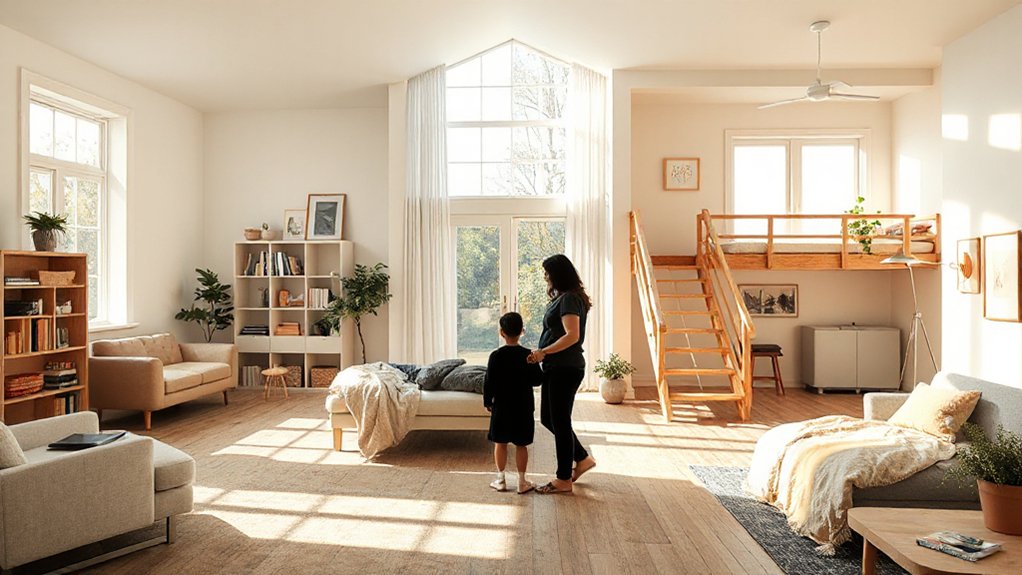
Across flats and maisonettes, space needs shift as households grow or shrink. You’ll feel the pull between compact singles’ convenience and expanding families’ demand for flexibility, storage, and room to breathe.
In flats, you might trade extra rooms for better access to communal life, while maisonettes can offer multi-level layouts that suit growing children or frequent visitors.
The market rewards adaptability: spaces that flex with changing family dynamics tend to retain value and appeal.
Consider how community amenities shape desirability—parks, play areas, and safer pedestrian networks amplify growth potential for families, while proximity to transit fits singles prioritizing efficiency.
Architectural styles also matter: cohesive neighborhoods with varied designs signal lasting character.
Your choice should balance need, belonging, and future-proofing.
Financing Considerations: Mortgage Angles for Flats and Maisonettes
Financing a flat or a maisonette hinges on mortgage angles that reflect distinct risk profiles and value drivers. You’ll compare lenders’ risk appetite, loan-to-value limits, and rates across architectural styles and construction materials, since these shape liquidity and resale prospects.
1) Assess architectural styles: some styles retain value better in downturns, influencing approval ease and rate offers.
2) Scrutinize construction materials: durable builds often attract lower premiums and steadier terms, especially in edge markets.
3) Align with land and planning: flats near evolving amenities may enjoy stronger demand, easing conditions.
4) Stress-test scenarios: condo coverage, maintenance liabilities, and management standards affect affordability and long-term security.
Frequently Asked Questions
How Do Maintenance Fees Differ Across Flat Types?
Service charges vary by building, but you’d pay more for maintenance in places with higher structural integrity needs, so you’ll notice differences across flat types. You gauge value by ongoing service charge and perceived structural integrity.
Which Offers Better Long-Term Resale Value?
You’ll likely see better long-term resale value with flats, due to stable ownership costs and stronger demand, especially when neighborhoods boast appealing amenities; prioritize Neighborhood amenities and predictable costs to feel you belong and invest confidently.
Do Flats or Maisonettes Affect Insurance Premiums?
Yes, your premiums vary: flats typically cost more due to shared risks, while maisonettes may be lower if you have private entry. Consider Building regulations and Security features to influence insurer perceptions and long-term affordability.
What Are Typical Pet Policies by Type?
Pet restrictions vary by type, but you’ll find broad pet friendly policies in many leases; expect size limits, breed exclusions, and monthly deposits. You’ll feel included when choosing listings that clearly state pet friendly policies and flexible terms.
How Does Natural Light Vary Between Options?
Natural lighting varies with layout and window placement, with maisonettes often offering split exposure and more beams, while flats concentrate light through single axes; you’ll feel brighter rooms when window placement optimizes afternoon sun and cross-ventilation.
Conclusion
You weigh flats and maisonettes the way you’d pick between city pulse and studio calm. Flats offer instant accessibility and compact efficiency, but often trade privacy for proximity. Maisonettes promise space and vertical nuance, yet demand more stairs and planning. If you crave social buzz with minimal upkeep, flats fit. If you want room to grow and a sense of elevation, maisonettes win. Your choice reflects lifestyle tempo: convenience versus aspiration, immediacy versus potential.