
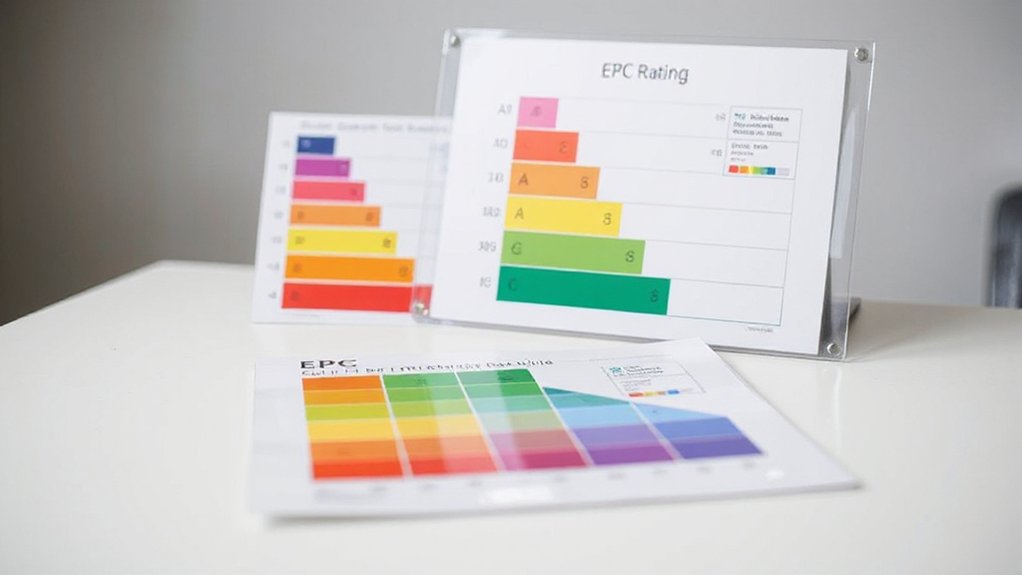
EPC ratings act as credibility signals for buyers and tenants, shaping pricing, marketing, and negotiation leverage. Higher scores usually mean lower running costs, greater comfort, and quicker sales, so you’ll want to baseline early with an assessment and map cost-effective improvements. Understand which schemes and data points drive value, then target high-ROI upgrades like insulation, windows, and efficient heating. For each property, align disclosures and messaging to the rating’s impact on price and demand—and you’ll uncover strategic advantages you can capitalize on later. You’ll discover more as you continue.
What EPC Ratings Mean for Sellers Today
EPC ratings matter to sellers because they directly shape buyer interest and saleability. Today, you’ll notice buyers gravitate toward homes that project lower running costs and stronger comfort. Higher ratings signal fewer post-sale negotiations and smoother transactions, while lower ones can trigger price adjustments or extended market time.
Your strategy should center on tangible improvements that boost score without overspending. Eco-friendly renovations, for example, demonstrate commitment to long-term value and appeal to environmentally conscious buyers. Pair them with energy-efficient appliances to reduce energy bills and elevate perceived quality.
Present clear, verifiable improvements—insulation upgrades, efficient heating, and smart controls help justify a premium. Keep documentation ready for inquiries, as credibility reinforces trust, guiding buyers to view your property as a smart, future-ready choice.
EPC Basics: the Assessment Schemes and What They Measure
Understanding how EPC assessments work starts with the schemes themselves and what they measure. You’ll learn how each scheme gauges energy efficiency, then compare how they apply assessment criteria to homes and buildings. This clarity helps you feel confident in decisions and aligned with industry standards.
- Scheme differences: how energy efficiency is calculated and weighted, not just rated.
- Assessment criteria: what inspectors look for, from building fabric to systems and usage patterns.
- Practical impact: how results guide improvements, pricing, and seller positioning.
Reading an EPC: Top Data Points Every Seller Should Know
When you read an EPC, focus on the data that matters most to sellers: energy efficiency metrics, current and potential rating bands, and the estimated running costs.
These figures guide pricing decisions, highlight retrofit opportunities, and shape disclosure conversations with buyers.
We’ll unpack how to interpret these data points quickly and translate them into practical market insight.
EPC Data That Matters
Wondering which EPC data truly matters for sellers? You’re here to cut through noise and focus on what drives value and buyer confidence. EPC data points shape decisions, pricing, and timing—so track them with intent. This is your concise guide to actionable insight.
1) Energy efficiency indicators that affect running costs and appeal, including current and potential improvements you can highlight.
2) Asset quality signals, such as insulation, heating system age, and performance ratings, which influence buyer perception and negotiations.
3) Market relevance factors, like eco-friendly materials and Urban redevelopment potential, that hint at future value and sustainability upgrades.
Keep the lens on practical improvements, not just scores, and present a clear narrative to buyers seeking belonging in a greener, more connected home.
Seller EPC Reading Tips
Curious how to read an EPC quickly and extract value? You’ll focus on the top data points that drive property valuation and buyer confidence.
Start with the current energy efficiency rating, since this anchors market perception and potential price adjustments.
Note the estimated energy costs and typical energy consumption, which signal ongoing running expenses and comfort.
Check the fuel type and heating system, as modernization can release value and reduce buyer friction.
Look for recommendations and potential improvements, prioritizing those with the strongest return on investment.
Consider the certificate issue date and validity, since marketability hinges on current standing.
Finally, compare EPCs across similar properties to gauge relative performance.
Energy efficiency matters; a strong EPC supports stronger property valuation and a smoother sale.
Which EPC Ratings Matter Most to Buyers
Several EPC ratings matter to buyers, but the most influential are those tied to energy performance and running costs: A and B for efficiency, C for a practical baseline, and lower ratings (D and below) signaling higher potential bills. You’ll reach buyers who value long-term savings and predictable costs, so highlight performance and incentives clearly.
Focus on how Energy efficiency translates to monthly bills and comfort, not just labels. Homeowner incentives can tilt decisions when presented with concrete options.
- Energy efficiency improvements that reduce running costs and increase comfort
- Available homeowner incentives, grants, or financing that offset upfront work
- Practical, verifiable evidence of impact, such as utility estimates and contractor quotes
Price Impact: Do Higher Ratings Actually Raise Value?
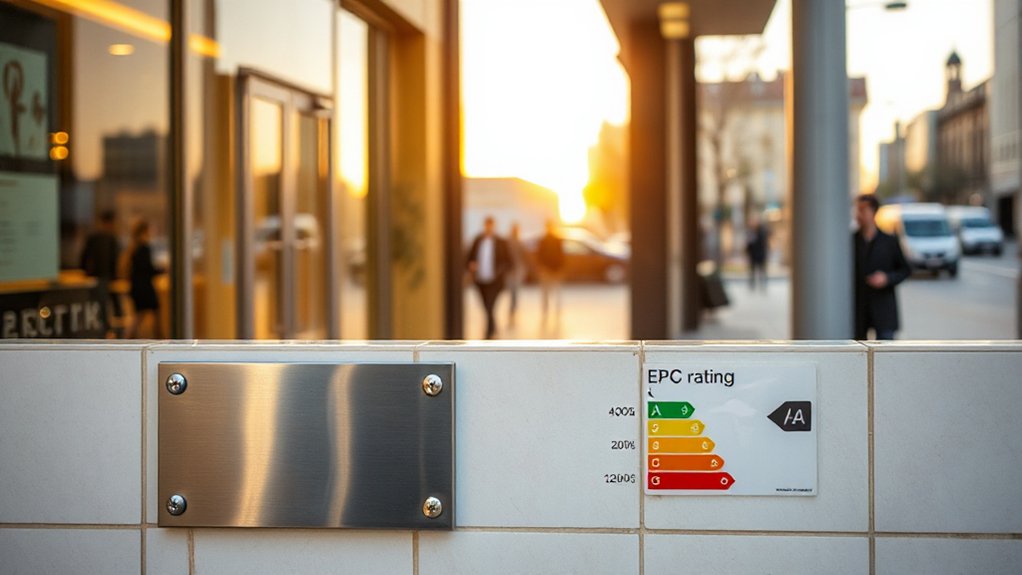
Do higher EPC ratings actually raise property value, or are they just a selling detail? You’ll assess price impact by separating perception from measurable gain.
Higher ratings often signal lower operating costs, more predictable bills, and improved comfort, which can justify a premium in competitive markets. Yet you’ll also confront factors like property depreciation, location, and overall market momentum that influence final price.
In practical terms, energy efficiency tends to reduce carrying costs and attract longer interest, supporting a modest uplift rather than a dramatic spike. Your strategy should present the rating as part of a broader value proposition, not a sole lever.
Be precise about cost offsets, maintenance expectations, and risk mitigation to reassure buyers without overselling. Focus on clear, evidence-based messaging that reinforces trust.
Quick Wins: Cost‑Effective Improvements by Rating
You can boost your EPC with quick, budget-friendly upgrades that target rating thresholds. We’ll zero in on cost-effective fixes that deliver the biggest impact per pound, so you know where to invest first.
This section kicks off a pragmatic map of practical wins, aligned with your rating goals.
Quick Wins For EPCs
What quick, cost-effective improvements should you target to boost an EPC rating without breaking the bank? You’ll focus on practical changes that drive energy performance while staying aligned with eco-friendly innovations and building code compliance.
Target improvements should be visible, measurable, and reversible where possible, so you can verify impact quickly.
- Upgrade insulation and draught-proofing to reduce heat demand without major remodeling.
- Install efficient lighting and smart controls, pairing LEDs with occupancy sensors for immediate savings.
- Replace aging boilers or integrate heat pumps where feasible, prioritizing systems with proven performance and long-term reliability.
These steps deliver faster rating gains, lower running costs, and a clearer path to market. You’ll feel stronger, more confident, and connected to responsible building practices. Eco-friendly innovations matter. Building code compliance matters.
Budget-Friendly Rating Boosts
A practical path from quick wins to tangible rating gains starts with a focused, rating-specific mindset. You’ll identify small, high-impact changes that buyers notice, prioritizing cost-effectiveness and measurable impact.
Budget-friendly rating boosts rely on targeted improvements rather than sweeping projects, so you stay within budget while moving the needle. Energy conservation should guide your choices, emphasizing efficient systems and smart usage patterns that deliver quick, auditable results.
Consider simple upgrades like sealing drafts and weatherstripping, plus programmable thermostats to optimize heating and cooling. Highlighting Home insulation upgrades—even modest improvements—can reduce heat loss and stabilize scores without breaking the bank.
Communicate milestones clearly to buyers, showing progress, value, and a realistic roadmap for ongoing efficiency. This creates belonging through transparent, data-driven, practical progress.
If You Rent Out Your Property, How Ratings Persuade Tenants
When tenants search for a new rental, ratings act as a quick credibility signal: well-documented EPC ratings can distinguish a property by energy efficiency, cost predictability, and comfort. You’ll leverage this to appeal to those who value belonging and responsibility, while aligning with tenant incentives and Rental regulations.
- Clear energy and cost expectations help tenants feel secure about long-term budgeting.
- Transparent ratings reduce questions about maintenance, encouraging trust and prompt renewals.
- Demonstrated compliance with regulations signals a lawful, stable home environment and lowers perceived risk.
Timing Improvements in a Sales Process
Begin by mapping value milestones: initial interest, inspections, negotiations, and closing windows. Track response times, appointment availability, and offer latency to identify bottlenecks.
Quick, informed decisions accelerate buyer confidence without sacrificing accuracy. Prioritize energy efficiency disclosures and upgrades that meaningfully shift perception, while avoiding overpromising.
Each step should reinforce property valuation, tying improvements to measurable outcomes rather than abstract promises. Communicate transparently about timelines, thresholds, and contingencies to foster trust and belonging among stakeholders.
Leverage benchmarks from comparable properties to calibrate pace, ensuring your timeline respects both seller expectations and buyer certainty.
Continuous refinement sustains momentum and delivers smoother, more predictable outcomes.
Common EPC Myths Debunked
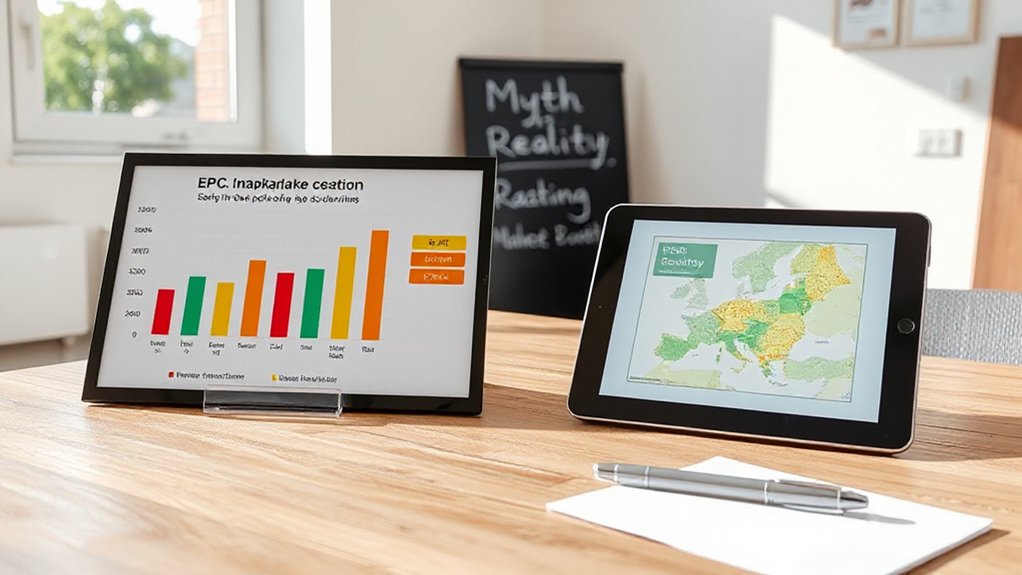
Common EPC myths can derail your selling strategy if left unchallenged. You’ll see how false beliefs shape decisions, so you stay grounded in fact. By debunking common EPC misconceptions and rating myths, you gain confidence to collaborate with buyers and agents more effectively.
1) EPCs reflect a home’s true value, not just its energy performance, and ratings can mislead if taken out of context.
2) Upgrades always dramatically boost ratings; sometimes improvements don’t move the needle as much as expected.
3) All assessors produce identical results; variability exists, so you compare broadly and ask clarifying questions.
Keep perspective: use data, ask for explanations, and align actions with proven strategies. You belong in conversations that rely on accuracy, transparency, and shared goals.
How to Compare EPCS From Different Assessors
When you compare EPCs from different assessors, start by mapping each assessor’s methods to see whether they rely on similar data and processes.
Next, note any rating scale differences and how they could shift the final grade.
Then verify each certification’s validity and issuing body.
This groundwork helps you assess consistency and avoid misleading conclusions about a property’s performance.
Compare Assessors’ Methods
To compare EPCs from different assessors, focus on the methods each assessor uses to determine energy efficiency, data sources, and the modeling approach. You’ll notice how consistent or variable the inputs are, which shapes the reliability of the rating. Look for transparency in assumptions, citations of data sources, and how the model handles uncertainties.
Compare whether the assessor emphasizes EPC certification standards and aligns with official guidelines, and evaluate the rigor of assessor training evident in explanations and documentation. Confidence grows when multiple assessors share core methodologies and disclose limitations.
Clarity in reporting helps you feel supported and included in the process.
- Data sourcing and model transparency
- Alignment with EPC certification standards and assessor training
- Consistency of assumptions and uncertainty handling
Understand Rating Scales Differences
Understanding rating scales differences is essential when comparing EPCs from different assessors, because scale definitions shape how energy performance is classified and perceived. You’ll notice that some schemes use letter grades while others rely on numeric bands, and the thresholds for each band vary.
This matters for energy efficiency assessments you rely on for selling decisions, since a single EPC could look better or worse depending on the scale. When you compare, focus on the stated categories, the cutoffs, and whether the assessor notes any caveats about condensation, insulation, or occupancy assumptions.
A clear rating comparison helps you benchmark properties accurately, set realistic improvements, and communicate value to buyers with confidence. This will strengthen your position in any energy performance discussion.
Verify Certification Validity
Checking the certification validity is essential when you’re comparing EPCs from different assessors. You want accuracy you can trust, so focus on Certification accuracy and Validity verification as the core checks.
Use clear identifiers and verify the issuing body’s accreditation, date, and re-certification status.
- Confirm assessor accreditation and the issuing authority’s legitimacy to guarantee consistent standards.
- Cross-check issue and expiry dates, and any updates or amendments to the certificate.
- Compare underlying methodology notes, ensuring the same version of the rating tool was used.
Documenting Improvements for a Smoother Sale
Documenting improvements clearly helps buyers see value and speeds the sale. You present concrete, verifiable changes that relate to the home’s energy performance, not vague promises. Focus on what’s measurable: upgraded insulation, efficient heating, or compact fluorescent and LED lighting, tied to energy efficiency outcomes.
Include dates, contractor names, and before/after metrics when possible so buyers trust the narrative. Keep copies of receipts, warranties, and any certification standards already met or pursued, so your listing stands up to scrutiny.
A concise summary of improvements, aligned with the EPC rating you’re targeting, helps buyers compare options quickly and feels transparent. This clarity reinforces belonging—prospects sense you’ve done the groundwork, reducing buyer hesitation and accelerating thoughtful offers.
Negotiation Levers Tied to EPC Changes
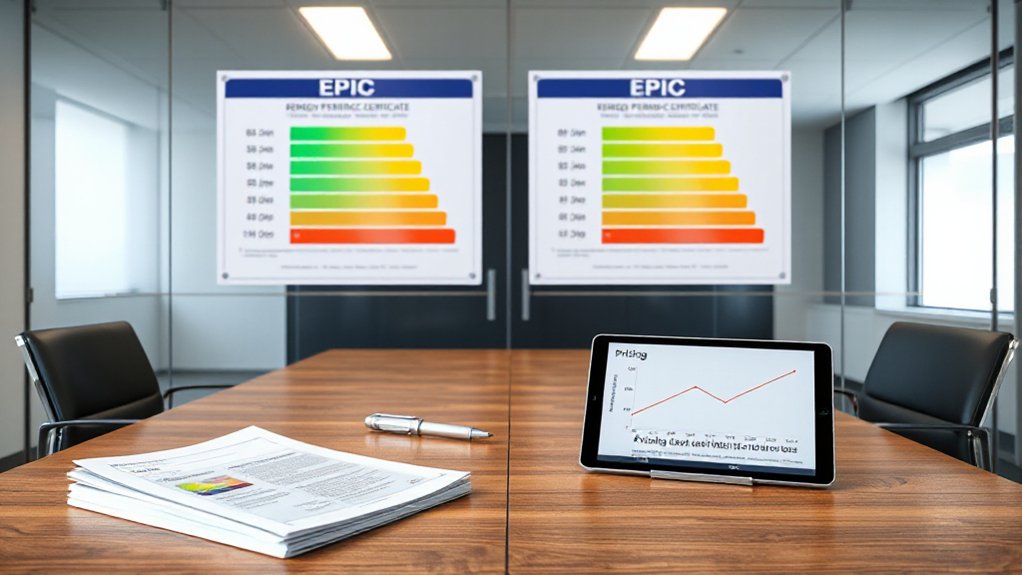
You’ll want to map how EPC change levers affect buyer perception, pricing psychology, and time on market.
We’ll examine how negotiating energy labels can shift leverage, clarify costs, and spark strategic concessions.
This discussion frames market impact tactics as you align EPC improvements with sale timing and buyer expectations.
EPC Change Levers
- Align price adjustments with EPC thresholds to maximize perceived value.
- Tie financing options and incentives to verifiable EPC improvements.
- Prioritize renovation incentives that deliver meaningful EPC gains within budget.
Negotiating Energy Labels
Focus on how Renewable incentives can offset upfront costs, and how presenting a clear path to compliance reduces perceived risk for buyers. Tie each label tier to tangible performance outcomes—energy bills, cooling and heating reliability, and resale appeal.
Address Tax implications transparently, outlining potential deductions, reliefs, or plan-compatibility that affect total cost of ownership. Your posture is collaborative, not adversarial; you guide buyers to see value, while you preserve seller margins.
Precision, evidence, and relevance forge trust, enabling constructive, motivated conversations.
Market Impact Tactics
When EPC shifts occur, map each tier to buyer benefits like ongoing energy savings, reliability improvements, and resale appeal. Then translate those gains into concrete negotiation levers—early disclosures, staged upgrades, or cost-sharing with renewable incentives—so buyers feel immediate value and sellers retain margin.
You’ll align energy efficiency with practical incentives, pairing home insulation upgrades with lower energy bills and steadier comfort, creating a clear path to value.
- Leverage energy-efficiency milestones to justify price tiers and shared improvements.
- Tie home insulation upgrades to staged disclosures and performance guarantees.
- Use renewable incentives as momentum to close, preserving margin while signaling long‑term reliability.
What to Disclose and What Not to Disclose
Some disclosures matter more than others when selling a property with an EPC rating, but you should separate required facts from optional details. You’ll present essentials first, focusing on energy conservation measures that affect value and buyer confidence.
Be clear about what a prospective buyer legally deserves to know, and what you’re allowed to omit without misrepresentation. When in doubt, rely on legal disclosures to guide you, not guesswork.
Keep communications concise and verifiable, citing dates, certifications, and relevant EPC references. Avoid overpromising improvements you haven’t completed.
You can highlight practical steps you’ve taken to improve energy efficiency, while distinguishing them from mandatory disclosures. This approach signals professionalism, fosters trust, and reinforces a sense of belonging for informed buyers and sellers alike.
Case Study: Selling With a C‑Rated Home
You’ll see that a C-rated home carries clear implications for saleability and pricing strategy.
We’ll assess how the EPC value for sellers shifts expectations, concessions, and messaging to buyers.
This case study starts by outlining the practical trade-offs and what a C rating does to market positioning and negotiation dynamics.
C‑Rated Home Implications
The C-rated home presents a clear, practical concern for sellers: the rating signals higher energy costs and potential retrofit needs that buyers will weigh in negotiations. You’ll confront buyer questions about ongoing expenses, retrofit timelines, and value retention. Your approach should blend transparency with market insight, framing upgrades as value-adds rather than expenses.
Consider how improvements like better home insulation and solar panels influence appeal, negotiation leverage, and perceived risk. The goal is to demonstrate responsible stewardship while preserving price discipline and pace.
1) Highlight how insulation upgrades reduce monthly costs and improve comfort, shaping buyer expectations.
2) Explain the role of solar panels in offsetting energy use, potential incentives, and resale timing.
3) Align retrofit disclosures with market norms to reinforce trust and belonging.
EPC Value For Sellers
Selling a C-rated home requires a clear view of EPC value: you can frame energy performance as a market differentiator rather than a liability, turning likely buyer questions about cost and retrofit timelines into evidence of prudent stewardship.
In practice, EPC value for sellers means communicating tangible improvements and credible plans. Highlight energy efficient windows as a concrete upgrade that lowers operating costs and enhances comfort, while citing ongoing or planned measures like solar panel installation to demonstrate proactive maintenance and long‑term savings.
Present a transparent cost‑benefit narrative, referencing expected payback and potential incentives. Position your property as responsibly managed, with clear timelines for any upgrades.
This stance fosters buyer trust, reduces price friction, and supports a smoother, faster sale trajectory.
Case Study: Selling With an A/B‑Rated Home
When an A/B-rated home hits the market, you’re positioned to attract more qualified buyers and secure faster offers, provided you present the rating clearly and tie it to cost savings and comfort.
- Energy efficiency directly reduces monthly costs, appealing to budget-conscious buyers seeking predictable expenses.
- Rating comparison shows you’ve chosen value over vanity, reinforcing trust and transparency in your listing.
- Case-ready anecdotes, backed by data, illustrate tangible comfort gains, reinforcing why this home stands out within its market.
In practice, lead with the A/B rating in photos and summaries, explain how performance translates to value, and quantify savings where possible.
Your buyers will feel part of a smarter, more sustainable community, strengthening your selling position.
Step‑By‑Step Plan to Maximize Value by EPC Rating
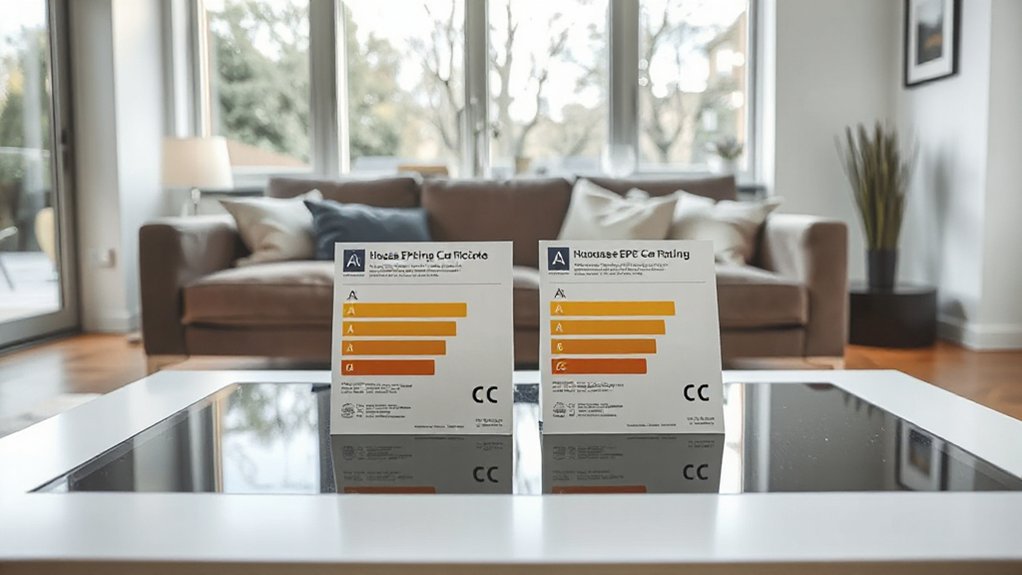
To maximize value from an EPC rating, start with a clear, data-driven plan that aligns energy performance with buyer priorities. You identify the most impactful improvements first, then time them to match market windows and budget realities.
Map actions to measurable targets: lower energy bills, improved comfort, and predictable maintenance costs. Prioritize energy conservation upgrades that deliver durable savings, such as sealing, insulation, and efficient systems, while evaluating renewable technology options that fit your property profile.
Create a transparent baseline and milestones, and communicate expected ROI to buyers to build trust. Track progress with simple metrics and adjust as needed.
Present compelling, evidence-based results, emphasizing long‑term savings, robustness, and ease of ownership. This approach strengthens appeal and accelerates sale potential.
Regulatory Updates Buyers May Expect in 2026
Regulatory updates anticipated in 2026 will shape how buyers evaluate EPCs and energy-related disclosures. You’ll feel the shift as policy tightens expectations, making transparent performance more valuable than ever.
In practice, reforms will likely tighten building regulations and link incentives to measurable improvements, nudging you toward clearer, verifiable data. You’ll want to align listings with evolving standards to preserve market trust and speed up transactions.
1) Renewable incentives become contingent on demonstrable energy improvements, guiding upgrades that boost EPC scores and buyer confidence.
2) Building regulations tighten reporting requirements, elevating the importance of accurate energy disclosures and renovation histories.
3) Compliance pathways streamline with standardized documentation, reducing negotiation friction and signaling serious stewardship of energy performance.
Quick Checklist: Verify and Track EPC Actions
A quick, practical guide to EPC action tracking helps you stay compliant and confident. You’ll verify requirements, set owners, and log dates in a single, accessible system so everyone understands next steps.
Begin with a compact checklist: confirm EPC validity, note action owners, and assign due dates tied to sale milestones.
Track progress weekly, flag delays, and document communications to reduce surprises at closing.
Use clear criteria for each task, linking actions to energy efficiency improvements and potential property valuation changes.
Maintain a transparent trail that supports buyers’ trust and sellers’ credibility.
Regular audits reveal gaps, prevent duplication, and support timely remediation.
This disciplined approach strengthens market positioning and reinforces that your property’s energy efficiency directly informs its valuation.
Frequently Asked Questions
Do EPC Ratings Affect Mortgage Eligibility for Sellers?
Yes, it can affect mortgage eligibility, since lenders factor energy efficiency into risk and property valuation. You’ll likely see better terms with a higher EPC rating, reflecting improved energy performance and potentially boosting overall property valuation for buyers.
Can EPC Improvements Be Reversed Before a Sale?
Yes, you can reverse EPC improvements before sale. You’ll undo energy efficiency upgrades, revert fixtures, and reassess ratings. But plan carefully: energy efficiency matters, retrofit options vanish if removed, yet listing accuracy and buyer trust stay essential.
Are EPC Ratings Legally Binding After Closing?
Yes, energy performance certificates are legally binding after closing. You’ll rely on the certification and its Energy efficiency details, reflecting the Certification processes, for compliance and potential disclosures in ownership, confirming binding status post-transaction.
How Quickly Do EPC Changes Impact Sale Price?
“Time is money,” so changes impact sale price quickly if energy efficiency improvements occur before listing. You’ll see gains in property valuation as buyers value lower running costs and higher efficiency. Energy efficiency boosts value, sometimes swiftly.
Do Regional EPC Schemes Differ for Sellers?
Regional differences exist in EPC schemes, so you’ll face varied requirements and timelines, influencing selling strategies. You’ll notice seller incentives differ by region, guiding your decisions and enhancing your sense of belonging within local market practices.
Conclusion
You now know how EPC ratings shape seller outcomes, not just snapshots of energy use. Think of it like a thermostat and a price tag: a one-point boost can tip buyer perception and final offers. In a recent case, an A-rated home sold faster and at a premium than a B-rated one in the same block, despite similar specs. Track, verify, and fix EPC actions—your value hinges on steady, measured improvements.