
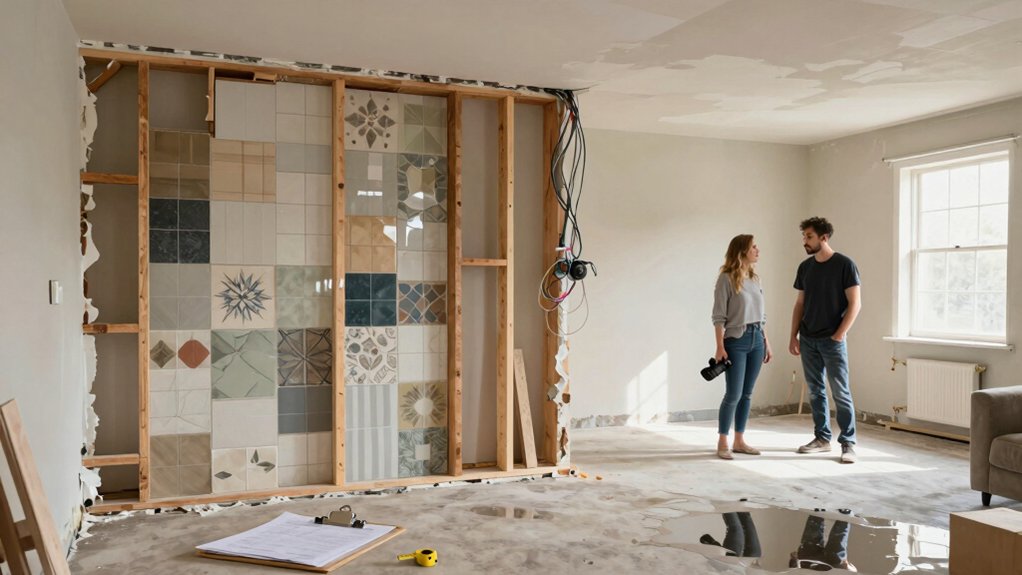
Take it from a kitchen remodel where the budget balloons after you pick fancy countertops you don’t need. You’ll want a clear plan, realistic timelines, and solid contractor vetting from the start. If you skip permits or ignore code, delays—and fines—will bite back. Stay organized, track decisions, and know when to bring in pros for tricky tasks. If you stay sharp on details now, you’ll save headaches—and dollars—later, and build a space you’ll actually love.
Budget Blunders That Break the Bank
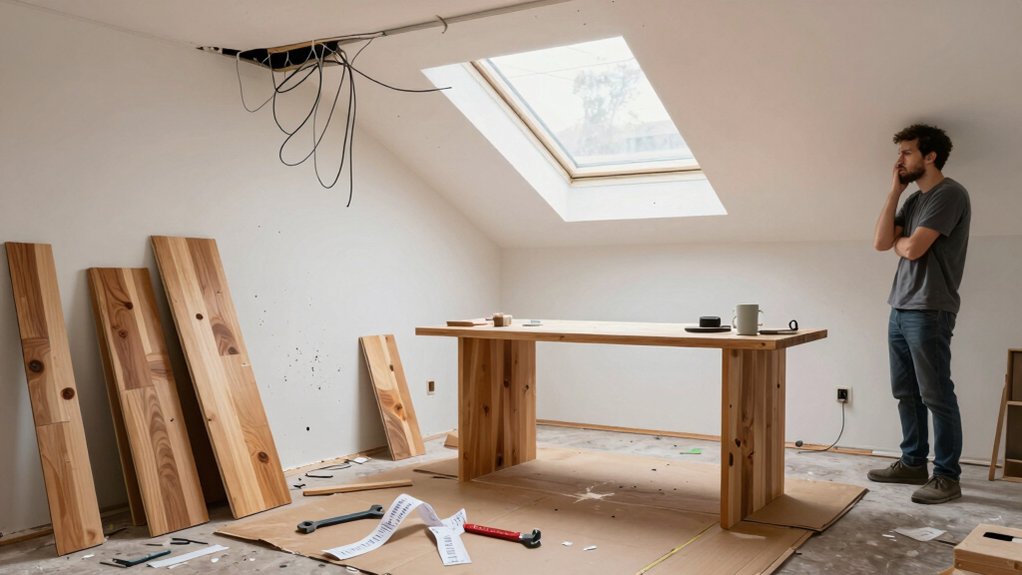
Budget blunders can derail a renovation fast, so start with a realistic plan you can actually stick to. You’ll avoid drama by doing solid cost estimation before any contract hits the table. Break your project into essential components, list quantities, and attach current prices to each item.
Track contingencies, but keep them reasonable—unforeseen costs happen, but you don’t want to weaponize fear. When you choose a contractor, prioritize selection criteria beyond the lowest bid: experience, references, and a transparent breakdown of work.
Ask for a detailed scope, milestones, and payment schedule, then compare apples to apples. Don’t skip permits or inspections, and document changes in writing. With disciplined budgeting and careful contractor selection, you protect your plan from collapse and keep renovation momentum intact.
Underestimating Timeframes and Delays
Delays sneak in when you least expect them, and underestimating timelines is a common roadblock to a smooth renovation. You’ll benefit from a practical plan that forces realism.
Start by listing all tasks, then assign conservative durations for each, not ideal ones. Build in buffer days for supplier delays, weather, and scheduling windows. Track progress daily so minor slips don’t become major overruns.
Identify delay causes early—communication gaps, permit hiccups, or subcontractor variability—and address them with proactive check-ins and backup options. Avoid over-optimism by validating your schedule with past project data and industry benchmarks.
Use milestone reviews to reset expectations, prevent scope creep, and align crew availability. Finally, document changes promptly to maintain an accurate timeline and protect your budget.
Skipping Permits and Code Compliance
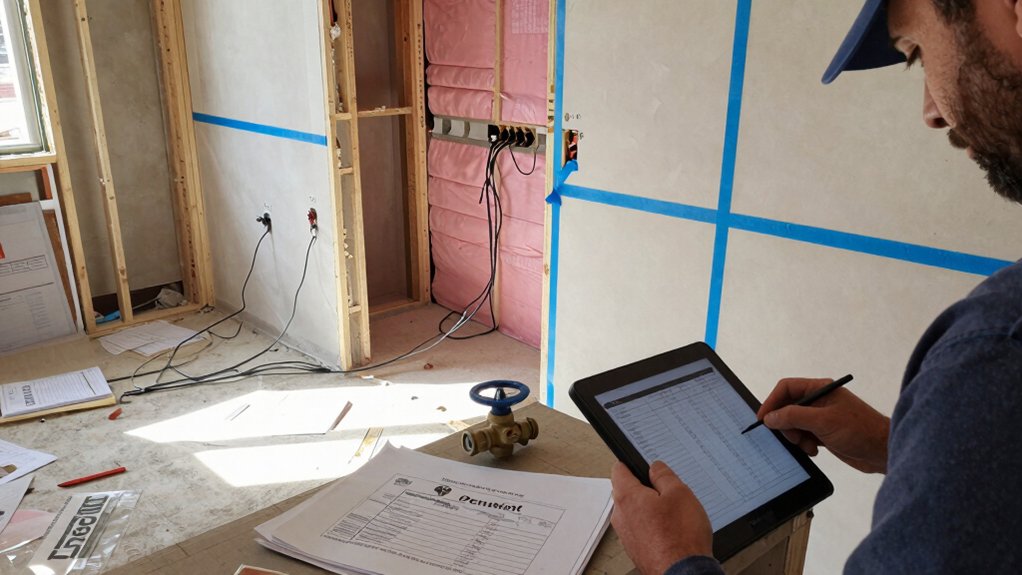
Skipping permits and code compliance isn’t worth the risk. You might save money or speed things up at first, but penalties, fines, and forced renovations will erase any short‑term gain.
Before starting, check with your local building department about required building permits and inspections. If you’re unsure, pause and confirm what requires permits, what inspections are needed, and what codes apply to your project.
Keep copies of approvals and permit numbers, and follow any specified timelines. Code compliance isn’t optional; it protects you, your family, and neighbors.
When plans change, update permits as needed and schedule inspections promptly. By prioritizing building permits and code compliance, you reduce safety hazards and costly rework, and you preserve your home’s value.
Choosing the Wrong Materials for Your Space
Choosing the wrong materials can quietly derail your project before you see results. Consider durability, how it handles real use, and the space’s function so aesthetics don’t outsize practicality.
Keep an eye on budget risk by matching costs to expected lifespan and maintenance needs.
Material Durability Mismatch
If you pick materials that don’t suit the space, you’ll pay for the mismatch in durability and maintenance. Material durability matters because a surface’s life should match how you use it, not how it looks. Begin by evaluating foot traffic, moisture, heat, and wear patterns, then choose products with appropriate resistance, thickness, and backing.
Consider how the material behaves over time: does it resist staining, fading, scratching, or scuffing? Balance durability with installation needs and ongoing care so you don’t end up replacing sooner than expected.
Material compatibility matters, too—different substrates and climates require specific underlayments, sealants, or coatings. Be realistic about maintenance routines and cleaning methods.
Prioritize proven performance, then bridge style and function with thoughtful, practical choices.
Aesthetic vs. Function
Aesthetic appeal can trap you into sacrificing function, so it’s essential to balance looks with how you actually use a space. You’ll choose materials by testing real-world use first, not just how they look in photos.
Start with practical questions: How much traffic will this area see? How easy is cleaning and maintenance? Do textures, colors,, and finishes align with your daily routines and climate? Weigh aesthetic priorities against functional considerations, then pick materials that meet both.
Favor durability, slip resistance, and repairability in high-traffic zones, and reserve bold finishes for accent areas. Document tolerances for moisture, heat, and abrasion, so you don’t regret a purchase after a season.
Balance, test samples, and prioritize longevity to avoid costly updates later.
Budget Overrun Risk
Even when a material looks perfect, it can drain your budget if it doesn’t hold up over time. Budget overrun risk hits when you choose style over durability, so you must assess long-term costs, not just upfront price.
Start with thorough cost estimation that includes delivery, installation, maintenance, and potential replacements. Compare options side by side, noting lifespan and performance under your daily use.
Plan for contingencies; set aside a realistic cushion for unexpected issues or price fluctuations. Select materials that align with your space’s demands and climate, even if they cost a bit more initially.
Document decisions, keep receipts, and revisit choices if schedules shift. Use contingency planning to prevent minor delays from becoming major overruns.
DIY Overreach: When to Call in Pros
Know your boundaries: weigh the pros of DIY against the costs and risks of hiring a pro. Recognize key skill threshold moments—things like electrical work, plumbing, or structural changes—where a pro’s expertise pays off in safety, code compliance, and long-term results.
When in doubt, schedule a quick consult to map out whether you should tackle it or call in the pros.
Pros vs. DIY Boundaries
When you’re weighing DIY projects against hiring pros, set clear boundaries early by identifying tasks that require professional skills, permits, or specialized tools. You’ll save time, money, and frustration by avoiding projects that exceed your experience.
Start with electrical, plumbing, structural work, and gas lines—these demand certification and code compliance. If a project triggers permits, inspections, or complex calculations, call in a licensed pro.
Know your DIY pitfalls: uneven foundations, hidden damage, and risky shortcuts that backfire later. Establish Homeowner boundaries by listing what you’ll do personally and what you won’t touch, and document decisions in writing.
Budget for contingencies and quality materials. By prioritizing professional input for high-risk areas, you maintain safety, code compliance, and a durable result.
Skill Threshold Moments
As you weigh DIY efforts against hiring pros, you’ll hit moments where your skills meet the ceiling—points where a project crosses from doable to risky. Recognize a skill threshold when tasks require precise measurements, specialized tools, or safety-critical decisions.
If you’re unsure about electrical connections, plumbing sloped lines, or structural work, pause and consult a licensed specialist. These aren’t failures of effort; they’re prudent checks that protect your home and budget.
Build on homeowner expertise by outlining exactly what you can handle, then confirm limits with research or a quick expert opinion. Document deadlines, permits, and potential code issues early.
When in doubt, opt for professional input—clear planning prevents costly rework and keeps projects from spiraling.
When Pros Pay Off
Sometimes you reach a point where the cost of DIY mistakes outweighs the savings, and that’s the cue to call in a pro. When you’re tempted to wing an overhaul, pause and assess: complexity, safety, and code compliance matter more than speed.
Pros bring permits, structural know‑how, and reliable timelines, so you won’t chase hidden issues later. Start with a clear scope and budget, and ask for a written plan with milestones.
Evaluate design trends early, but don’t chase every flashy detail; a pro can map timeless, durable choices to your space.
For contractor selection, compare portfolios, licenses, warranties, and references. Request itemized bids and a contract that outlines rework rules.
Hire someone who communicates clearly, respects your timeline, and aligns with your goals. This minimizes regret and optimizes results.
Poor Project Management and Coordination
Poor project management and coordination is a common renovation pitfall that can derail timelines and inflate costs. You’ll save time and money by clarifying roles upfront, setting milestones, and documenting decisions.
Create a single point of contact for each trade, and insist on written confirmations for changes. Build a realistic schedule with buffers for weather, permits, and deliveries, then review it weekly.
Communication breakdowns are often the root of delays, so establish regular check-ins and a shared project tracker that all stakeholders can access.
Schedule conflicts get resolved by prioritizing critical path tasks first and reassigning resources when needed.
Confirm lead times, delivery windows, and subcontractor availability before you buy materials.
Stay proactive, patient, and precise to keep the project on track.
Overlooking Details: Lighting, Storage, and Finishes
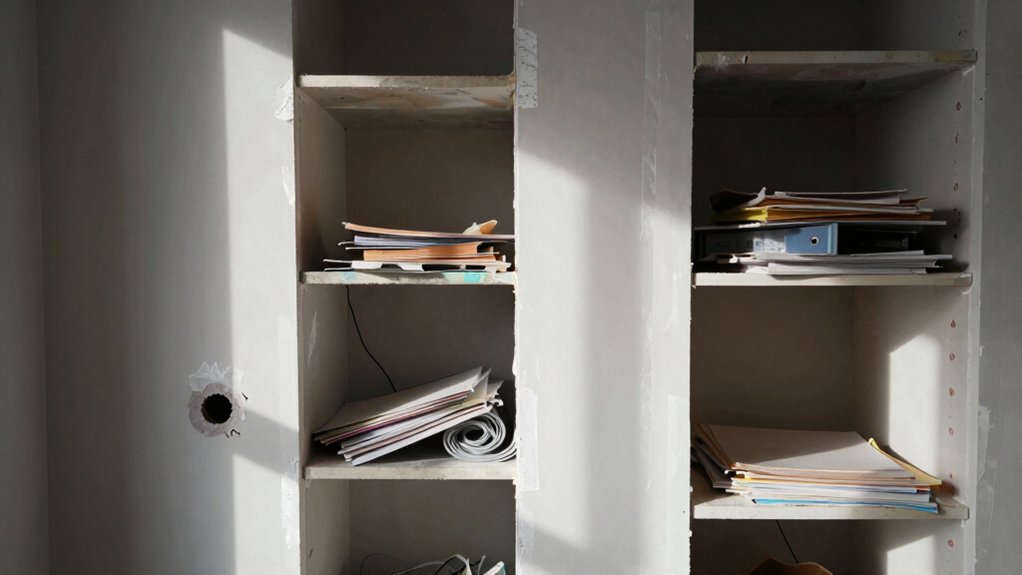
Overlooking details like lighting, storage, and finishes can quietly derail a renovation and leave you with pain points long after the major work is done. Plan lighting early, matching fixtures to room function and scale, and avoid mismatched styles that force costly changes later.
Map storage needs around daily routines, measure available space, and specify built-ins before walls go up to prevent tight, unusable layouts.
Nail finish details—door hardware, paint sheen, trim profiles—so surfaces read as cohesive rather than slapped-on afterthoughts.
Check electrical layouts for outlets, switches, and lighting zones, then verify compatibility with switches and dimmers.
Request material swatches, test counters, and cabinet interiors under real lighting.
Finally, document decisions and warranties to reduce confusion and stress when problems arise. lighting issues, finish details.