
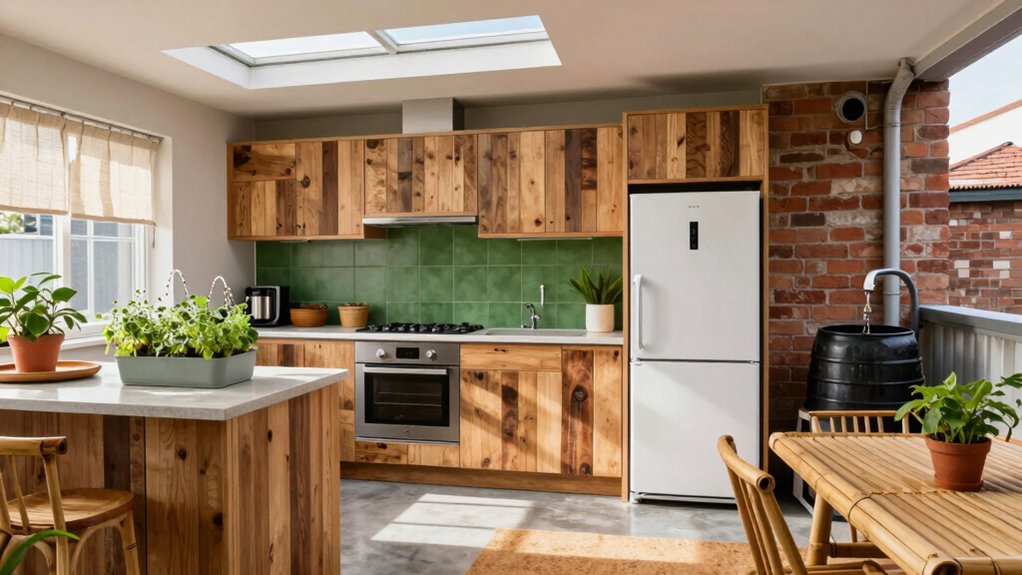
You stand in a sunlit room where drafts vanish as if by design, and the air feels steadier with every upgrade you consider. You’ll see real-world payoff by choosing low‑carbon materials, boosting insulation and airtightness, and adding solar or battery storage that fits your budget. Practical, data-driven decisions now mean lower bills, better comfort, and a smaller footprint, but the path isn’t one‑size‑fits‑all—there are tradeoffs and options to weigh as you plan your greener renovation.
Choosing Low-Carbon Materials for a Greener Renovation
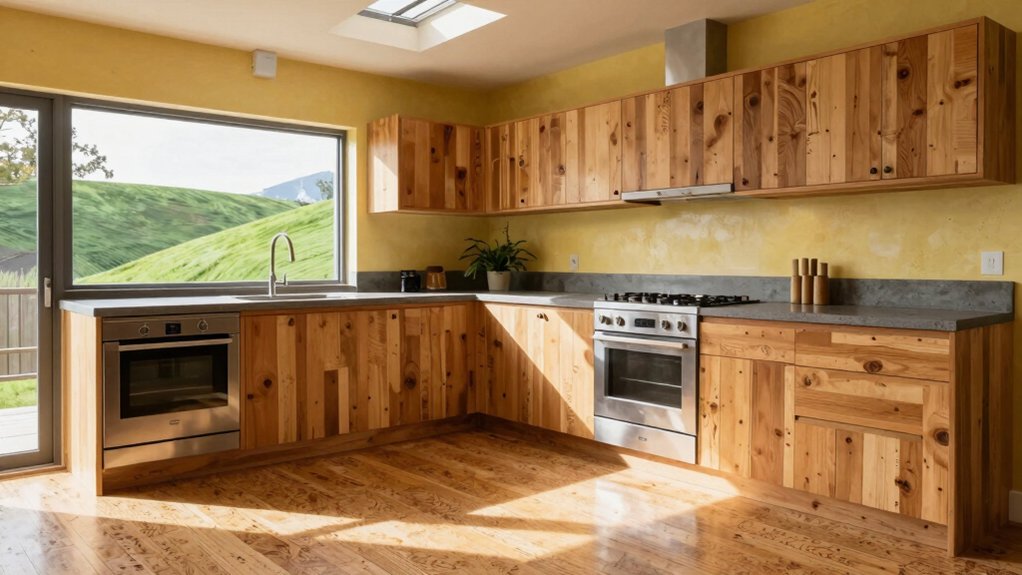
Choosing low-carbon materials starts with a clear target: minimize embodied energy and maximize durability without sacrificing performance. You’ll evaluate options with lifecycle data, suppliers’ transparency, and real-world performance metrics.
Prioritize materials that reduce embedded carbon per unit of value, and favor those with longer service lives and lower maintenance demands. Recycled timber delivers structural and aesthetic benefits while cutting virgin-wood demand, and it pairs well with engineered solutions that extend longevity.
Biodegradable finishes reduce end-of-life waste and simplify disposal, provided they meet durability and indoor-air-quality standards. Compare embodied energy, transport miles, and reuse potential across product families.
Document your criteria, track supplier certifications, and pilot small projects before scale-up. This evidence-based approach supports practical, future-ready renovation decisions.
Maximizing Insulation and Airtightness for Energy Efficiency
Are you optimizing every junction for heat flow? In practice, you’ll tighten envelopes first, then elevate performance with measured insulation upgrades.
Use continuous insulation where possible to reduce thermal bridges, and target HVAC-return paths to minimize infiltration losses.
Quantify gains by comparing pre- and post-improvement blower door tests, aiming for tighter than specified codes without compromising indoor air quality.
Prioritize materials with high R-values, low vapor diffusion, and compatible moisture management.
Integrate thermal barriers at interfaces—ceilings, walls, and foundations—to minimize heat leakage during peaks and troughs.
For sealing techniques, employ high-performance sealants, tapes, and gaskets at all joints, penetrations, and electrical boxes.
Pair this with smart diagnostics to sustain efficiency over time.
Embracing Solar Power and Renewable Energy Options
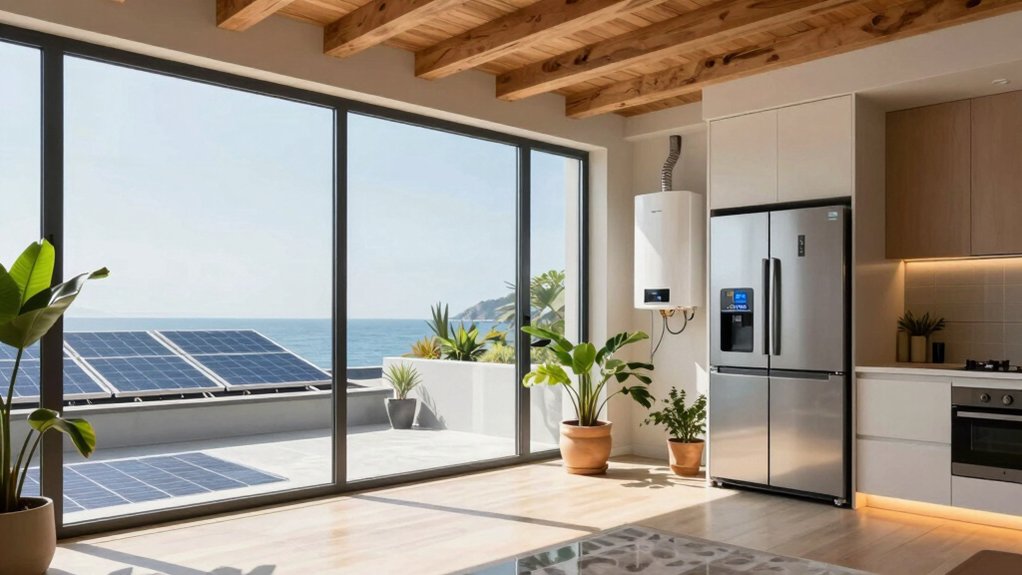
Could solar power really transform how you run a home? You’ll assess system size, upfront costs, and long-term savings with clear metrics. Solar panels deliver predictable energy credits, reducing utility bills and enhancing resilience during outages.
Pair panels with a correctly sized inverter and monitoring hardware to maximize efficiency and quickly spot performance gaps. Look at local incentives, net metering rules, and expected degradation rates to model payback periods realistically.
Renewable energy isn’t only about sun-hours; it’s about reliability, storage options, and diversification of your energy portfolio. Consider battery-ready designs and demand-shifting strategies that align with peak rates.
In practice, compare different configurations against your load profile, climate, and roof orientation to choose a durable, financially sound solution while lowering your carbon footprint.
Smart Controls and Heating/Cooling Optimization
Smart controls tighten the reliability and efficiency gains you already started with solar by coordinating when and how your home uses energy. In practice, smart thermostats learn patterns, adjust for occupancy, and respond to real-time data from weather and utility rates, trimming energy waste without sacrificing comfort.
Combine them with zoning controls to tailor temperatures room by room, reducing overcooling or overheating in unoccupied spaces. A data-driven approach helps you quantify savings, track performance, and refine schedules over time.
Pairing automated cooling and heating cycles with setback strategies minimizes peak demand while preserving comfort during shifts. Guarantee interoperability with your existing system, and calibrate sensors for accuracy.
Regular firmware updates and usage reports keep you informed, enabling proactive maintenance and continuous efficiency improvements.
Water-Saving Upgrades and Efficient Fixtures
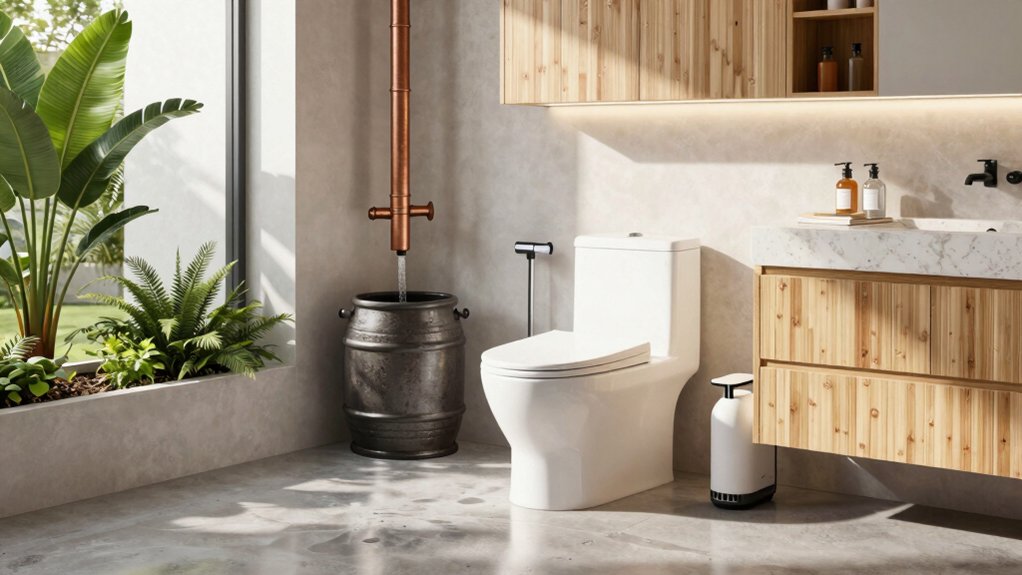
Water-saving upgrades and efficient fixtures pay off quickly when you prioritize high-use points and measurable results. You’ll see lower bills and environmental impact by targeting toilets, showers, and appliance connections with efficient models and smart flow controls.
Replace toilets with dual-flush or low-flow options and install aerated faucets to cut water use without sacrificing comfort. In showers, opt for high-efficiency heads and leak-aware valves to prevent unseen waste.
Consider rainwater harvesting for irrigation and non-potable tasks, and implement greywater recycling where codes permit to extend reuse opportunities.
Pair fixtures with real-time metering to track performance and identify anomalies early. Prioritize installers who provide performance data, warranties, and clear maintenance steps to sustain efficiency gains over time.
Sustainable Design Strategies and Budget-Friendly Upgrades
Sustainable design starts with clear, measurable goals that align with budget realities, so you can prioritize high-impact strategies without overspending. You’ll map cost per saved kilowatt, gallon, and ton of waste to choose practical upgrades.
Focus on data-driven decisions: energy modeling, material lifecycle analyses, and payback timelines guide you toward high ROI changes. Budget-friendly moves include smart thermostats, LED lighting, and insulation improvements that yield durable comfort.
When you select materials, emphasize local sourcing and durability to reduce shipping and waste. Plan for recycling construction waste by setting aside a dedicated stream for metals, concrete, and gypsum.
Use incorporating native landscaping to lower irrigation needs and support local ecosystems, cutting maintenance and water costs over time. This strategy blends performance with affordability for long-term value.