

You expect a quick upgrade, but plans and permits alone can stretch weeks into months. You’ll want a clear schedule, yet weather, scope shifts, and approvals push milestones off track. From demolition to rough-ins, to finishes, every phase carries its own cadence and risk. Stay focused on buffers and decision deadlines, because a well‑timed sequence can save you months. If you’re aiming for predictability, the next steps outline where delays most often creep in and how to prevent them.
Planning and Permitting Timelines
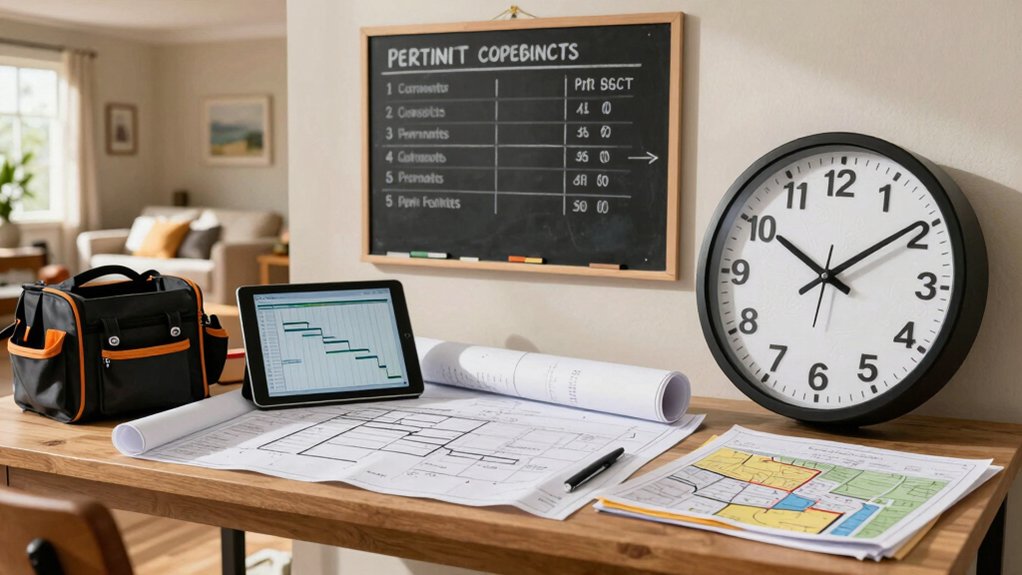
Planning and permitting timelines set the pace for your project. You’ll map critical milestones, from permit applications to inspections, then align them with your budget cadence. Start with jurisdiction review times, typical review windows, and any variance or drainage approvals that could stall work.
You’ll need accurate scope definitions, because changes later multiply review cycles and delays. Material selection decisions should occur early, since some permits hinge on product details or fire-rated assemblies.
Contractor coordination is essential for sequencing permits alongside subcontractor schedules, reducing idle time between phases. Target backstops: plan for at least one contingency milestone per permit, and track cumulative days lost to weather, holidays, and resubmittals.
Documented approvals keep your project on track, communicating progress to stakeholders without surprises.
Design and Decision-Making Pace
Design and decision-making pace drives project momentum, so you should lock in timing for design reviews, material selections, and change controls early to prevent bottlenecks. You’ll see the schedule hinge on how quickly decisions converge, and you’ll benefit from explicit milestones and decision owners. Track decision latency, assign deadlines, and document changes promptly to minimize rework.
Timeline challenges emerge when reviews splice into critical trades, delaying procurement and fabrication. Maintain a routine cadence: weekly design check-ins, protected review windows, and fast-tracked approvals for scope updates. Quantify impact with forecasted completion dates and variance targets, so you can steer tradeoffs before they cascade.
Demolition and Structural Work Durations
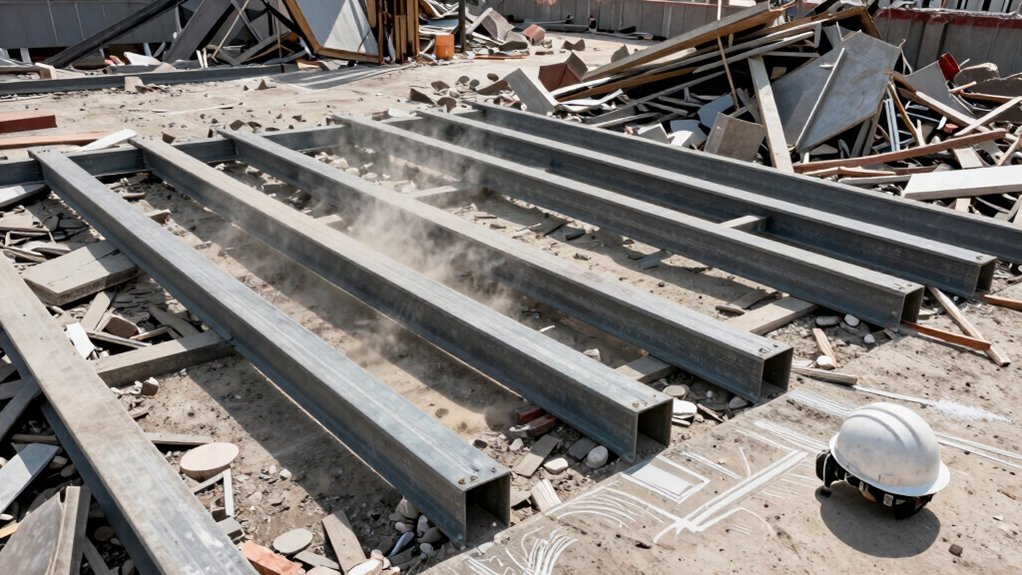
Demolition and structural work durations hinge on site conditions, permit requirements, and the extent of framing changes. Therefore, quantify lead times from permit approval to completion and build in buffer for unexpected findings.
You’ll face variability from material access delays to hidden rot or code upgrades, so set a base schedule with a 10–20% contingency. Expect framing-heavy tasks to drive the clock, while garage or load-bearing alterations add complexity.
Material selection should parallel procurement timelines to avoid clashes with trades, and it helps to lock in key specs early.
Contractor coordination is essential: align structural crews, inspectors, and demolition crews on a shared weekly plan, track milestones, and adjust daily as-found conditions dictate.
Plan for weather, crane windows, and noise restrictions to protect the critical path.
Rough-In and System Installations
Rough-in and system installations proceed once framing is in place, with tight coordination across trades to keep the critical path intact. You’ll align electricians, plumbers, and HVAC when you set the sequence, so we minimize backtracking.
Electrical wiring typically runs in this phase, with panel placement, conduit routes, and early circuit planning established before walls close.
Plumbing rough in follows, including supply and waste lines, venting, and fixture connections, checked for slope and accessibility.
Structural blocking and anchor points are clarified to prevent rework. Allowances for future fixtures and access panels should be documented to avoid delays later.
Expect several days to a couple of weeks depending on square footage and complexity, plus inspection windows you’ll need to pass before drywall.
Schedule buffers for potential corrections and permit confirmations.
Finishing Touches and Inspections

As finishing touches and inspections kick in, you’ll confirm that all previously installed systems align with code and project specs. Then, you’ll finalize surfaces, fixtures, and furnishings for handover. The phase centers on quality control, snag lists, and documentation, with tight adherence to schedule.
Material selection decisions now impact final appearance, durability, and maintenance, so you’ll verify that finishes, hardware, and fixtures match approved samples and spec sheets. Contractor coordination becomes critical to align subcontractors on touch-up windows, wiring checks, and fixtures testing without delaying turnover.
You’ll schedule inspections, ensure compliance, and capture signoffs promptly. Any deviations trigger rapid corrective actions, preventing rework.
A data-driven handover package—warranty details, manuals, and as-built notes—streams to owners, anchoring a predictable project end date and satisfied client expectations.
Contingency Planning and Buffer Strategies
You’ll set aside time buffers to absorb delays and keep the schedule on track. For buffering, track historical variance and apply a realistic contingency window you can adjust as milestones shift.
You’ll also document contingency resource plans so you know what to reallocate if a task slips.
Buffering for Delays
Buffering for delays is essential to keep the project on track when tasks run longer than planned. You manage buffers by quantifying risk, not guessing. Start with a baseline schedule and assign a dedicated contingency percentage to high-risk phases, such as electrical rough-in or finishes.
Track daily progress and compare it against milestones; when you detect slippage, trigger predefined buffer taps to protect critical paths. Use data to determine how much cushion each task needs, then adjust as reality shifts.
Communicate early with the team about expected delays, prioritizing tasks that influence critical path. Expect unexpected setbacks and plan for them with staged buffers.
Strong contractor coordination maintains momentum, ensuring suppliers, trades, and subs stay aligned and on schedule.
Contingency Resource Plans
Contingency resource plans translate risk buffers into actionable, funded reserves for people, equipment, and materials. You map potential delays to concrete allocations, ensuring you can pivot without derailing the schedule.
Start with a base contingency tied to scale, complexity, and historical variance, then layer in trigger thresholds that prompt pre-approved budget adjustments. Track剩? (Note: remove extraneous). You should keep buffers transparent across teams, so progress updates reflect true utilization and remaining slack.
When risks materialize, execute predefined cost-and-time adjustments, not ad hoc fixes, to preserve timeline integrity. Leverage contractor negotiations to secure favorable terms on scope changes, delivery windows, and material substitutions, minimizing knock-on effects.
Regularly review contingency burn rate against milestones, reallocate reserves as needed, and maintain schedule continuity through disciplined governance and data-driven decision points.