
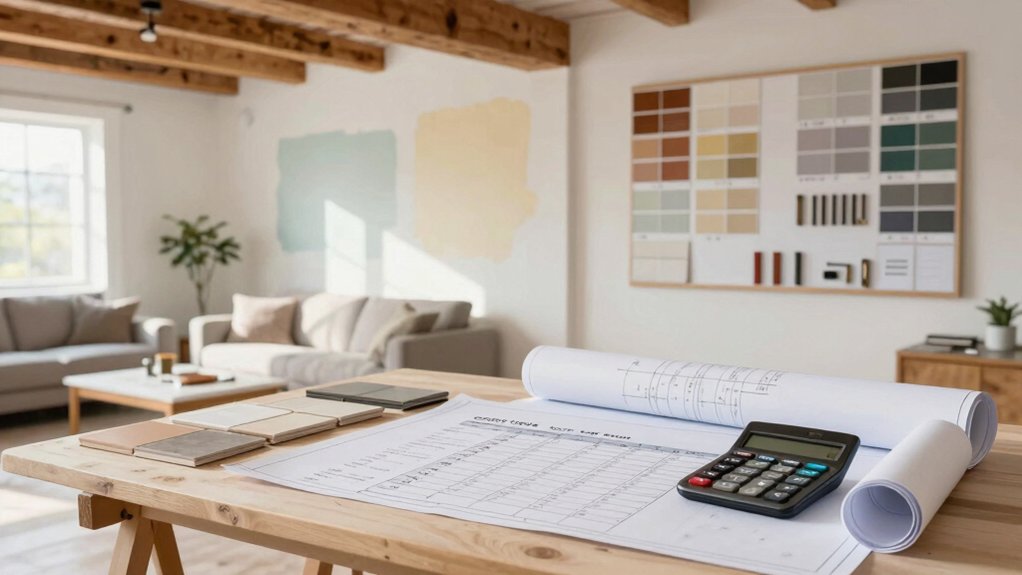
Imagine stepping into a shoestring blueprint where every room hints at its own price tag. You’ll balance goals with reality, map out budgets, and anticipate hidden costs before you start. This guide helps you set practical targets, weighs kitchen and bathroom investments, and shows how wiring, plumbing, permits, and timing shape totals. Stay focused on priorities and contingencies, and you’ll spot where a well-placed compromise makes sense—and where to guard against surprises as you plan.
Planning the Budget: Setting Realistic Goals
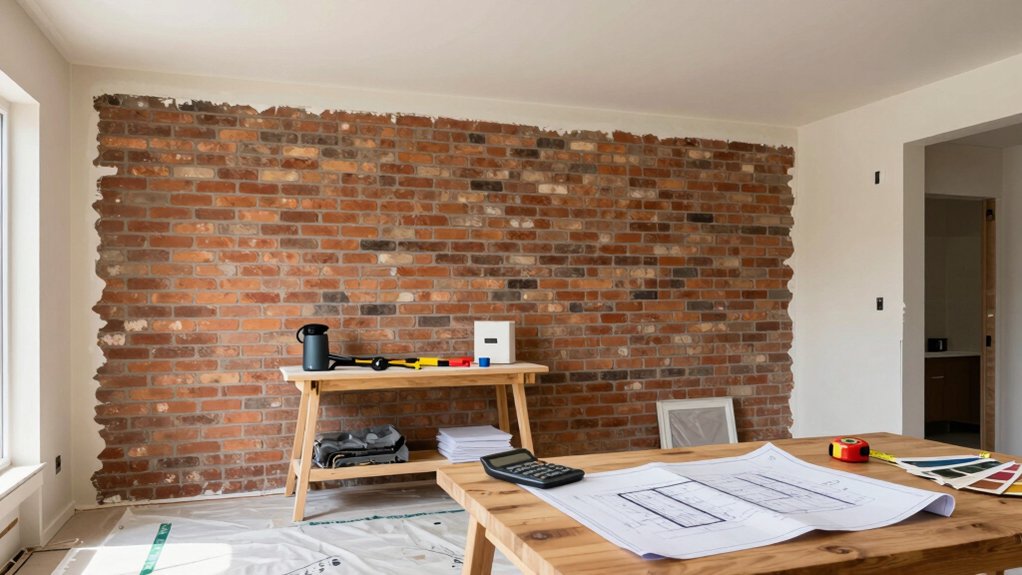
Setting a realistic renovation budget starts with a clear plan and honest numbers. You’ll begin with goal setting to define what matters most and where you’ll allocate funds. Identify must-haves versus nice-to-haves, and assign a preliminary cost estimate for each item.
Use cost estimation as an ongoing check: compare your targets with supplier quotes, contractor bids, and material prices that fluctuate seasonally. Establish a contingency—typically 10% to 15%—to cover unforeseen issues without derailing the plan.
Document assumptions, date-stamp figures, and hold to documented limits. Prioritize scope changes in writing, not intuition, so adjustments stay within the budget.
Review monthly, adjust estimates, and confirm alignment with cash flow. A disciplined approach keeps the project focused, predictable, and financially sustainable.
Kitchen Renovation Costs: What to Expect
Kitchen renovations come with a wide cost range, driven by scope, layout changes, materials, and labor. You’ll see totals vary with cabinet quality, countertop material, and whether you relocate plumbing or electrical lines. A straightforward refresh costs less, while a gut remodel or open-plan kitchen climbs higher.
Budget for permits, demolition, and waste disposal, plus delivery times and contractor schedules. Expect appliance upgrades to impact upfront price but improve efficiency and resale value. Choose durable, mid-range cabinets and quartz or solid-surface countertops for balance.
Backsplash choices matter: tile patterns, layout, and prep affect installation time and cost. Labor typically comprises about half the budget, so confirm milestones and warranties in writing.
Plan contingencies, then compare multiple bids to avoid surprises.
Bathroom Remodeling: Spending Basics
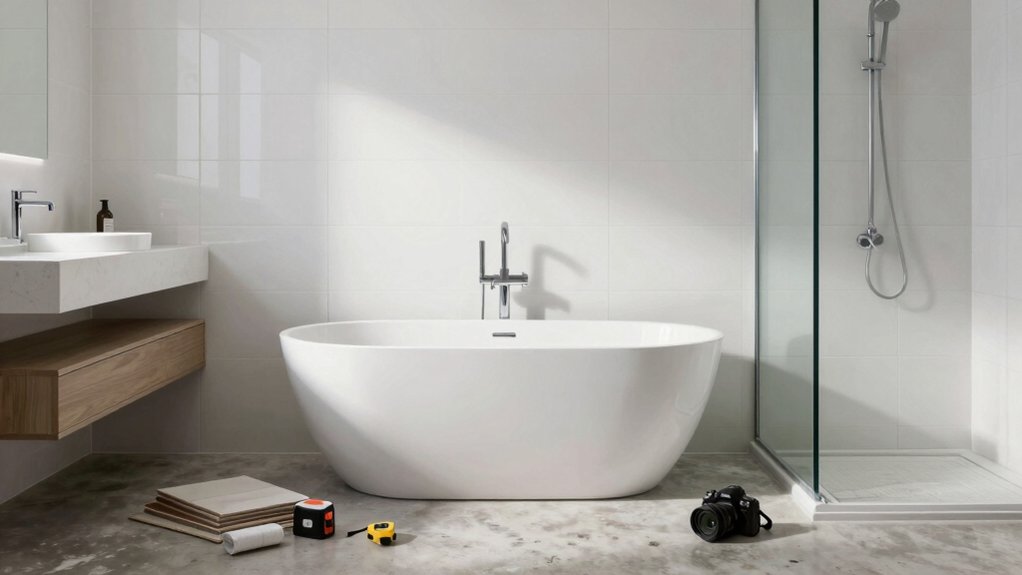
Bathroom remodeling costs vary widely based on scope, materials, and labor, so you should budget for a realistic range and plan for contingencies.
In this section, you focus on the spending basics that guide decisions without overproducing costs. Start with a clear scope: define which fixtures, finishes, and systems you’ll upgrade, and distinguish must-haves from nice-to-haves.
Prioritize durable, low-maintenance options to reduce long-term expenses. When evaluating options, compare total installed costs, not just unit prices.
For bathtub replacement, consider demolition, alcove or alcove-free configurations, and permit needs, as these affect labor and disposal fees.
For tile selection, balance aesthetics with waterproofing, sizing, and grout maintenance.
Track timelines and contingencies to avoid scope creep and surprise overruns.
Living Areas: Upgrades That Boost Value
Upgrading living areas can noticeably boost home value without breaking the bank, especially when you prioritize durable materials and flexible layouts. You’ll focus on durable flooring, low-maintenance finishes, and modular furniture that adapts to changing needs.
Prioritize efficient lighting and sound control to improve perceived quality without big costs. Choose neutral wall colors as a versatile backdrop that appeals to most buyers, then add strategic accents that can be updated later.
Window treatments should be functional and attractive, offering light control and privacy while staying within budget. Improve storage with built-in or hidden options to reduce clutter, which buyers notice.
Finally, keep major renovations aligned with your home’s overall style to avoid price penalties at resale.
Bedrooms: Comfort Without Overspending
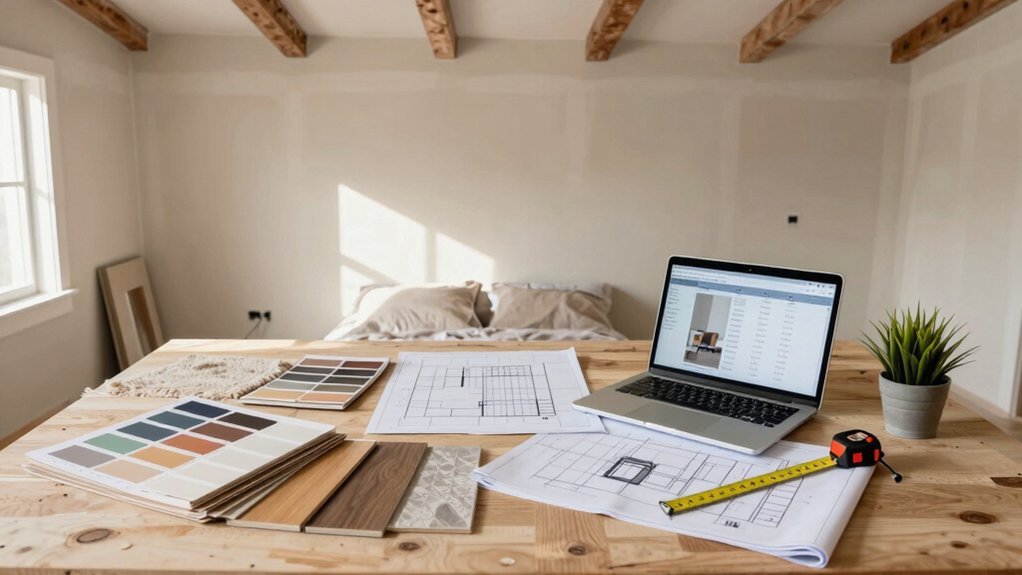
If you want bedrooms that feel cozy without breaking the bank, start with budget-conscious materials that still look and perform well.
Keep the space calm and uncluttered by prioritizing smart storage solutions that hide essentials and reduce visual noise.
Focus on comfort and a simple color palette to amplify coziness without overspending.
Budget-conscious Materials
When you’re outfitting bedrooms on a budget, choose materials that balance comfort, durability, and cost, focusing on practical options that reduce upkeep over time. Prioritize durable flooring like cork or laminate with tight wear layers, or mid-grade carpet for softness without excessive price.
Opt for finishes that resist scratches and stains, such as water-based paints and vinyl-safe sealants. For surfaces, select easy-care options: quartz-like composites, solid-surface counters, or sealed laminates over wood veneers.
For textiles, choose durable, easy-care fabrics and moisture-wicking blends. Look for eco-friendly options and low VOCs without sacrificing style. Consider vintage-inspired finishes to add character cost-effectively.
Reuse or repurpose where feasible, and standardize hardware to cut replacement costs. Plan to source from reputable suppliers with generous warranties for long-term savings.
Cozy, Not Cluttered
Is your bedroom a calm retreat or a cluttered afterthought? You can achieve cozy without overspending by prioritizing function over excess. Start with a restrained palette and minimalist decor to create visual calm and reduce furniture needs.
Choose a quality bed frame with built-in storage or a slim profile to minimize footprint. Favor multi-use pieces, like a nightstand that also holds a lamp and a charging dock. Optimize layout for clear pathways; avoid placing gear where it blocks light or flow.
Use space optimization principles: conceal cords, reduce visual clutter with hidden storage, and select textiles that add warmth without bulk. Lighting should be layered and energy-efficient, supporting different moods without requiring extra fixtures.
Budget smart, declutter regularly, and maintain a serene, livable bedroom.
Storage for Calmness
Prioritize built-in and multi-use storage to keep your bedroom calm and uncluttered. You’ll plan around a simple footprint: choose furniture that serves more than one function, like a bed with drawers or a storage ottoman. This keeps items off surfaces and walls, reducing visual noise.
Opt for closed storage to hide seasonal clothing and cords, reserving open shelves for a few essential, well-curated pieces. Implement a consistent closet system with labeled bins to speed clutter management, then assign a dedicated space for daily essentials near the door.
When budgeting, compare costs of integrated units versus standalone pieces, weighing installation to avoid surprises. Use storage solutions that fit your room’s scale, maintain traffic flow, and support a calm, functional atmosphere.
Flooring and Finishes: Material Costs and Trends
Flooring and finishes drive both look and practicality, so start with a clear plan for material costs and trends. You’ll balance upfront purchase prices, installation, and long-term maintenance to avoid surprises.
Begin by selecting durable core materials—porcelain, LVT, or ceramic—paired with moisture protection where needed. Consider the aesthetic you want: marble decor can elevate luxury but requires maintenance and sealing; wood adds warmth but may require refinishing over time.
Factor underlayment, transition pieces, and trim into the budget to prevent improvisation costs. Explore hardwood trends like wider planks and engineered options for stability.
Finally, compare warranties and anticipated lifecycle costs to decide between premium finishes and budget-friendly alternatives. Track costs per room, then reassess as selections advance to stay on target.
Electrical and Plumbing Essentials: Hidden Budget Factors
You’ll want to account for Wiring and Circuits early, since upgrades can affect panel capacity and future needs.
Plumbing Code Considerations can drive costs when joints, venting, or water heaters must meet current standards.
Don’t overlook Hidden Material Costs like fixture shortages or specialty fittings that pop up during rough-ins and finishes.
Wiring and Circuits
Wiring and circuits are a core cost driver in any home renovation, and underestimating them can derail a budget fast. You’ll want a clear plan for scope, loads, and future needs before you start pulling wires.
Begin with a feasibility check: count outlets, lighting circuits, and major appliance feeds, then map a logical circuit layout. Budget for upgrading your circuit breaker panel if it’s undersized or outdated.
Expect costs to rise for higher-amp service, surge protection, and AFCI/GFCI requirements in living spaces and kitchens. Factor in wiring insulation quality, routing complexity, and inaccessible areas that demand plaster, drywall, or flooring work.
Don’t overlook permits, inspections, and potential rewiring needs during demo or remodel phases. Precision budgeting here prevents mid-project changes and added labor.
Plumbing Code Considerations
Plumbing code considerations shape both safety and cost, so start by understanding local requirements for pipe sizing, venting, and fixture placement before you finalize any layout. You’ll align design with pipe regulations to ensure proper flow and avoid rework later.
Begin by mapping fixture locations to meet minimum distances and accessibility, then verify vent positions and trap dimensions to prevent siphoning. Budget for required permits, inspections, and approved materials to reduce surprises during construction.
Choose fixture standards that match expected clearances and waste lines to minimize retrofit needs. Remember that piping materials and support methods influence installation time and code compliance, so specify compatible fittings and hangers up front.
Finalize a compact, code-compliant plan to control costs without compromising function.
Hidden Material Costs
Hidden material costs often surprise homeowners, especially in electrical and plumbing work. You’ll encounter hidden expenses from upgrades, fittings, and specialty components that aren’t included in basic estimates.
Plan for higher-quality materials, compatibility issues, and future accessibility, since these choices affect long-term performance and maintenance. Budget a contingency for unforeseen packaging, freight, and code-compliant required items that pop up mid-project.
Track material costs by category: wiring, outlets, switches, pipes, fittings, valves, and connectors, noting price volatility and lead times. Don’t overlook fasteners, sealants, and protective coverings that add up quickly.
Permits, Inspections, and Scheduling: Time and Money
Securing the right permits and coordinating inspections can considerably affect both schedule and budget, so plan ahead and track every step. You’ll need a clear list of required permits for your project, plus timelines from your local authority to anticipate delays. Start applications early and assign someone to monitor status changes; permit delays can shift milestones and increase costs.
When scheduling, build in buffers for inspections and potential rework. Track all costs related to approvals, including application fees and any expedited options. Understand inspection costs and what they cover, so you don’t overestimate or underestimate spending.
Maintain open communication with contractors and inspectors, documenting approvals, re-approvals, and any-condition items. A disciplined schedule minimizes downtime and keeps your project within a realistic budget.
Cost-Saving Strategies Without Sacrifices
Even with a tight budget, you can trim costs without compromising function by making smart, disciplined choices early on. Prioritize essential updates that yield durable value, not flashy features. Plan layout changes that minimize demolition and reuse existing structures when feasible.
Compare materials by total lifecycle cost, not just upfront price, and choose durable finishes that resist wear. Leverage energy efficient upgrades when they lower long-term bills, and install insulation and sealing gaps first to reduce future heating and cooling needs.
Use smart technology selectively: programmable thermostats, LED lighting, and smoke/CO alarms provide value without dominating costs. Source cabinets, countertops, and fixtures from reputable suppliers with solid warranties. Schedule work during off-peak times to reduce labor rates.
Document decisions in a simple, prioritized checklist.
Finalizing Your Plan: Contingencies and Priorities
You’ll set a contingency budget, anchored to realistic costs and a clear approval process.
Next, establish a prioritization workflow with steps that balance must-haves, nice-to-haves, and trade-offs, so budget and scope stay aligned.
Finally, map your timeline with built-in flexibility points to absorb changes without derailing the project.
Contingency Budgeting Basics
Are you prepared to handle the inevitable bumps in a renovation? A contingency budget acts as your safety net, not extra fluff. Start with a clear percentage of total project cost to reserve—common ranges run 5 to 15 percent, depending on scope and risk.
Identify high-uncertainty tasks, like unforeseen structural work or material delays, and assign dollars to them now. Build this fund into your overall schedule, so you don’t derail timelines when surprises appear.
Track the contingency separately from main budgets, updating it as plans firm up. Remember: keep receipts and document changes to justify withdrawals.
Prioritize affordability, but acknowledge that unexpected expenses and emergency funds must coexist to keep you on track and prevent compromise to finish quality.
Prioritization Strategy Steps
To finalize your plan, start by listing all tasks—both fixed essentials and flexible enhancements—and rank them by impact, cost, and risk.
Next, assign a practical sequence: tackle high-risk issues first, then high-cost items with broad impact, and finally adjustable upgrades.
Attach concrete contingencies to each step, including time buffers and cost cushions, so you can absorb surprises without derailing progress.
Use a simple scoring system to compare options, emphasizing cost saving where possible without compromising safety or basic function.
Build in design flexibility by preferring modular solutions, reusable materials, and scalable installations that allow future updates without major upheaval.
Communicate decisions clearly with stakeholders, document assumptions, and review the plan periodically to keep priorities aligned with budget realities.
Timeline and Flexibility Points
Effective timeline planning hinges on building in contingencies and clear priorities so you can absorb delays without losing momentum. You’ll map project milestones and align them with contractor timelines, ensuring each phase references dependencies and approvals.
Begin with a realistic baseline schedule that accounts for procurement lags, permitting, and design revisions. Build in buffer days for weather, inspection holds, and subcontractor availability, then compress where possible by pairing tasks and parallelizing trades.
Establish decision points to prevent scope creep; define who approves changes and how they affect the timeline and budget. Communicate milestones in writing, update weekly, and track variance to plan.
Finalize a flexible contingency budget and a prioritized sequence to protect critical path items while preserving overall progress. Stay disciplined, monitor changes, and adjust promptly.