
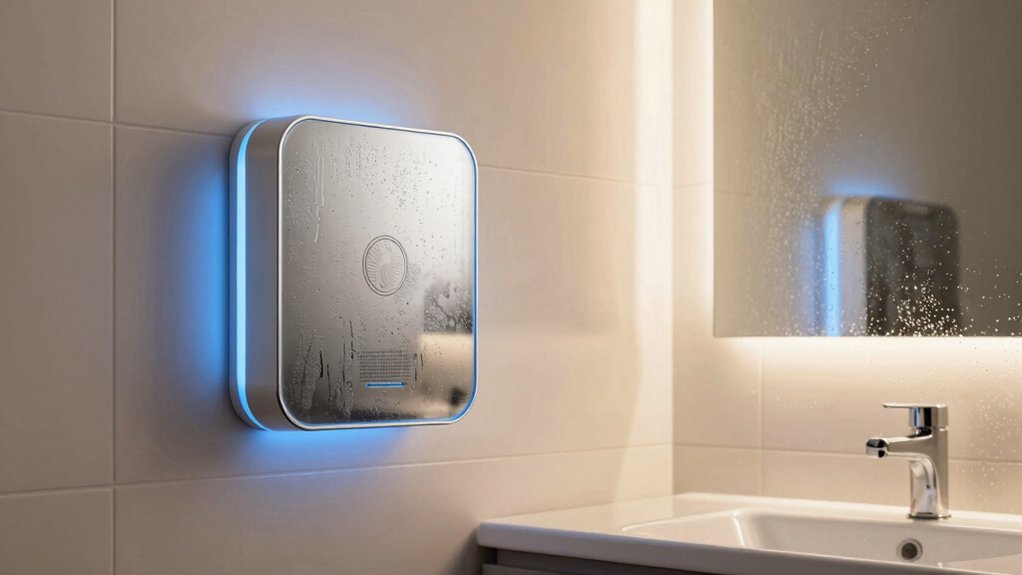
Anti-condensation heaters can curb moisture and mold risk with targeted warmth, but they may be slow to respond to sudden humidity spikes and can run up costs if mis-sized. You’ll want to weigh installation needs, energy use, and room fit against potential limitations in extreme conditions. The balance isn’t universal, and the right setup hinges on placement, maintenance, and your priorities—which factors should you consider first as you weigh the pros and cons?
How Anti-Condensation Heaters Work
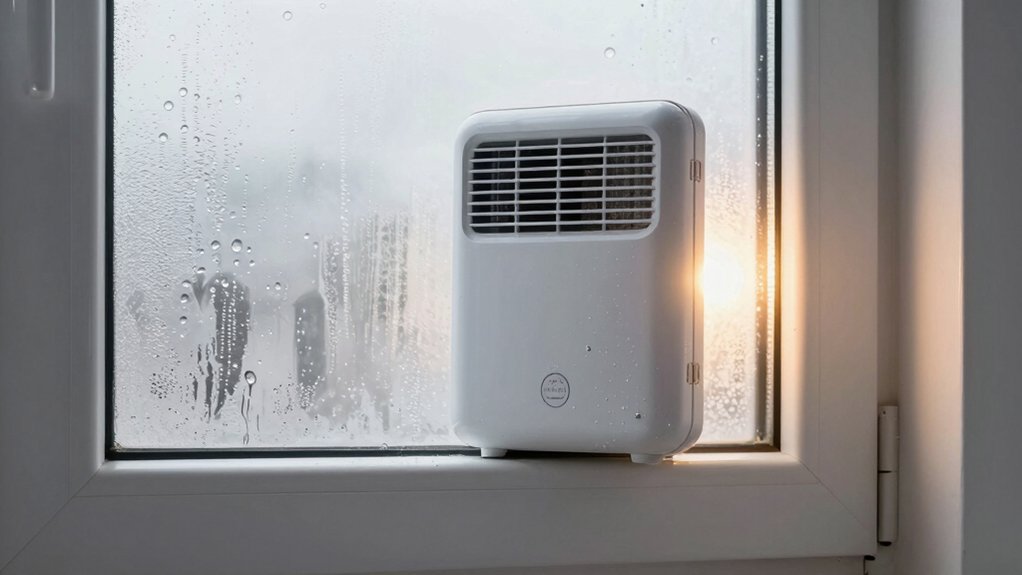
Anti-condensation heaters prevent moisture from forming on cold surfaces by warming the air around them. You choose a heater size based on surface area, humidity, and desired surface temperature.
When powered, the unit raises ambient air temperature, reducing relative humidity near the surface and breaking the dew point threshold.
You’ll often see metal fins or coils that transfer heat efficiently, spreading warmth across the wall or pane.
Controls vary from simple on-off switches to thermostats and humidity sensors, allowing steady, targeted output.
Integration matters: proper clearance, ventilation, and insulation help maintain efficiency.
You monitor performance by noting reduced condensation, stable surface temps, and minimal frost.
Maintenance involves cleaning vents, checking connections, and replacing worn components to sustain reliable operation.
Common Types and Their Differences
There are several anti-condensation heater types, each with distinct capabilities and trade-offs. You’ll find basic convectors that circulate room air, units with built-in dehumidification, and smart models that adjust output via sensors.
Convector types are simple, affordable, and compact, but slower to respond to sudden humidity spikes.
Dehumidifying options excel at moisture control yet may require continuous power and regular maintenance.
Smart heaters offer scheduling, remote control, and energy awareness, though they can be pricier and depend on connectivity.
Radiant panels deliver direct surface warmth with minimal air movement, reducing draft feel but potentially uneven humidity reduction without sufficient room heating.
Installation varies: wall-mounted, freestanding, or integrated into HVAC workflows. Choose based on your space, noise tolerance, and preferred control style.
Effectiveness in Different Rooms
Effectiveness varies by room due to size, layout, and humidity sources. In smaller spaces, you’ll notice faster response times and quicker moisture reduction, but overheat risk is higher if vents aren’t properly positioned.
In larger rooms, expect steadier performance with longer warm-up periods and the need for higher output settings or multiple units. Rooms with high humidity sources, like kitchens or bathrooms, benefit from targeted placement near the moisture origin and adequate ventilation to prevent short-cycling.
Open-plan areas require zoning or supplemental heating to maintain even humidity control. Media rooms and bedrooms benefit from quieter operation and consistent temperatures, reducing condensation without creating drafts.
Always tailor placement to airflow patterns, avoiding obstructions that impede heat distribution.
Energy Use and Running Costs
Energy use varies with unit size, heater wattage, and how you operate it. In practice, smaller rooms and lower wattages consume less energy, but keep in mind cycle patterns matter.
Most units have on/off or adjustable thermostat settings; using a timer can cut waste by preventing continual running. Running costs depend on electricity price, your local rates, and how long you leave the heater on.
Aim for gradual increases rather than constant high power; a short, targeted boost often suffices to reduce condensation without sky-high bills.
Efficiency improves with proper heat distribution, so place the unit where warm air circulates without obstruction. Regularly verify insulation and door gaps, since better sealing reduces the energy needed to maintain comfort.
Installation and Maintenance Considerations
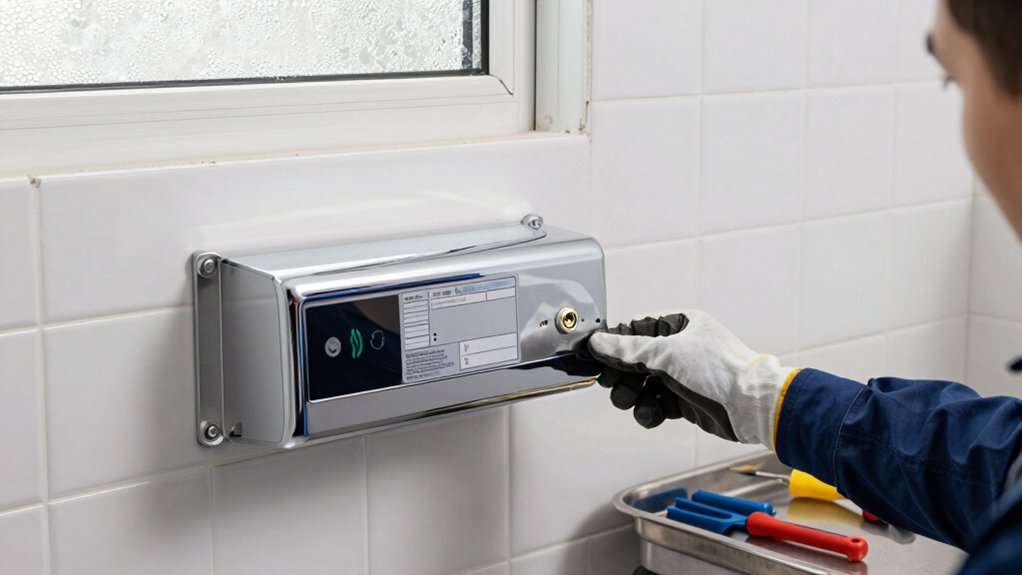
Proper installation guarantees effective condensation control and safe operation. You should follow the manufacturer’s guidelines for mounting, electrical connections, and placement to maximize heat distribution and minimize cold spots.
Verify power supply matches the unit’s requirements and install a dedicated circuit with appropriate protection. Position sensors or thermostats where they’ll accurately detect surface temperature without obstruction from clutter or insulation.
Regularly inspect seals, mounting brackets, and wiring for wear or damage, and replace defective components promptly. Calibrate controls after installation and with seasonal changes to maintain consistent performance.
Schedule routine maintenance intervals, including cleaning fins or panels, checking drainage if applicable, and testing safety features. Document service actions and keep spare parts accessible to reduce downtime.
Safety and Compliance Aspects
You should understand the key compliance standards that apply to anti-condensation heaters and how they affect installation and use. We’ll cover safety hazard considerations and practical regulatory adherence tips to keep you aligned with requirements.
This discussion sets the stage for selecting devices that meet safety codes and reduce risk in real-world applications.
Compliance Standards Overview
Compliance standards for anti-condensation heaters cover safety, performance, and labeling requirements that manufacturers and installers must meet. You’ll align with applicable regional and international codes, such as electrical safety, thermal performance, and insulation criteria, to ensure reliable operation. Expect certification processes that verify standards compliance through testing, documentation, and quality controls.
You should understand performance metrics like energy efficiency, heat output, and startup reliability, and ensure devices include clear rating labels, usage instructions, and operating limits.
Installation practices must follow wiring methods, grounding, and protection against moisture ingress, with documented inspection steps. Documentation should reference applicable standards, test reports, and conformity declarations.
Regular audits and updated compliance reviews help sustain safety and performance, protecting users and reducing liability.
Safety Hazard Considerations
Although anti-condensation heaters are designed for safety, you must anticipate and mitigate key hazards such as electric shock, overheating, moisture ingress, and fire risk, especially in damp environments and near flammable materials.
Assess placement to minimize contact with liquids and fuels, ensuring adequate clearance and ventilation.
Use devices with proper IP ratings, overheat protection, and residual current devices (RCDs) for personal protection.
Verify manufacturer wiring diagrams, grounding, and isolation procedures before installation.
Regularly inspect for damaged cords, degraded seals, and corrosion; replace faulty units promptly.
Implement maintenance schedules, keeping logs of tests and repairs.
Train users on safe operation, emergency shutoffs, and alarm indicators.
Document inventory, certifications, and compliance checks to support fault tracing and incident response.
Adhere to site-specific safety policies and best practices.
Regulatory Adherence Tips
Regulatory adherence builds on safety practices by ensuring anti-condensation heaters meet governing standards before and during use. You should verify certifications, such as electrical, fire-safety, and energy efficiency marks, from reputable bodies.
Read product manuals for installation, placement, and clearance requirements, and follow them strictly to minimize overheating or moisture pooling.
Keep records of test results, inspections, and maintenance cycles to prove ongoing compliance.
Use appropriate protections, like outlets, fuses, and circuit breakers, and ensure portable units are plugged into grounded circuits.
Before operation, confirm labeling matches your region’s codes and avoid modifications that void approvals.
Regularly review recalls or safety notices and retire any unit that fails performance or safety criteria.
Prioritize documentation, training, and responsible handling to sustain compliance.
Pros for Preventing Mold and Humidity
Using an anti-condensation heater can directly curb mold growth and humidity buildup by stabilizing indoor temperatures and reducing surface moisture. You’ll notice fewer damp patches on walls and windows, which limits mold feeds.
By maintaining more uniform air temperature, cold surfaces stay above the dew point, preventing condensation that invites spores. You gain faster drying of damp areas after showers, cooking, or rain, lowering lingering humidity levels.
The device provides targeted, continuous control, so you don’t rely on intermittent ventilation alone. With predictable performance, you’ll plan room use and comfort around stable conditions.
Energy efficient models concentrate heat where needed, minimizing wasted power. Overall, mold risk decreases when walls and fabrics stay drier, supporting healthier indoor air quality.
Potential Drawbacks and Limitations
You’ll need to weigh energy cost against long-term humidity control, as higher bills can accompany constant operation.
Installation can pose practical hurdles and may require professional setup or alterations to existing systems.
Even with pros, effectiveness isn’t universal, and performance can wane in extreme conditions.
Energy Cost Impact
Even though anti-condensation heaters prevent moisture buildup, they add ongoing energy costs that can affect your overall utility bill. You’ll want to compare running hours, thermostat settings, and seasonal use to estimate impact.
These units draw power continuously or intermittently, depending on ambient humidity and temperature control. Expect modest increases in electricity consumption if the heater operates during cold, damp periods.
Efficiency varies by model and installation, so confirm wattage and duty cycle from specs. Consider area zoning; targeted placement reduces unnecessary energy use.
Some devices offer timers or thermostatic controls to curb waste, improving cost efficiency. Factor in climate, insulation, and ventilation, which influence how often the heater runs.
Informed choices help balance moisture protection with reasonable operating costs.
Installation Challenges
Installing anti-condensation heaters can present several practical drawbacks, from compatibility issues with existing systems to installation constraints in tight or moisture-prone spaces. You’ll encounter electrical requirements, such as dedicated circuits or voltage matching, which may demand upgrades.
Mounting location matters: heat distribution must cover vulnerable areas without creating hot spots or drafts, and improper placement can reduce effectiveness. Equipment sizing errors lead to overrun costs or insufficient moisture control, while wiring in damp environments increases corrosion risk.
Installation timing can disrupt normal operations, especially in occupied rooms or active climates. Maintenance access is essential; inaccessible units complicate servicing and shorten lifespan. Compatibility with existing ventilation or dehumidification can impose supplementary controls.
Thorough assessment minimizes retrofit challenges and guarantees reliable performance.
Effectiveness Limits
Despite their benefits, anti-condensation heaters have clear effectiveness limits. You must understand where they fall short to avoid misplaced expectations.
In steady, high humidity, these devices slow condensation but don’t eliminate it completely; surfaces may still sweat during rapid temperature drops or sustained dampness. If you insulate poorly or ventilate inadequately, moisture returns quickly, offsetting gains.
Heat output matters: underpowered units struggle in large rooms or irregular layouts, while oversized models waste energy without added benefit. Temperature sensors can lag, causing brief over- or under-heating near glass interfaces.
Maintenance helps, yet sensors and elements degrade, reducing response precision over time. Finally, design compatibility matters—doors, drafts, and cooling sources influence effectiveness more than the heater alone.
Plan integration with ventilation, insulation, and occupancy patterns for real impact.
Best Practices for Maximum Benefit
To maximize benefits, start with a clear plan: identify the surfaces to protect, choose the right anti-condensation heater, and guarantee proper placement for consistent airflow. You’ll map problem zones first, focusing on temperature swings, humidity sources, and vulnerable joints.
Select a unit sized for the space, with a sensible heat output and adjustable settings for seasonal changes. Position the heater where warm air can circulate without pointing directly at walls or furniture, avoiding dead spots.
Use a timer or humidity sensor to automate operation during damp periods, and pair with ventilation when feasible to prevent condensate buildup. Regularly inspect seals, cords, and mounting brackets, and clean dust from vents to maintain efficiency.
Document performance trends to refine placement and settings over time.
Frequently Asked Questions
Can Anti-Condensation Heaters Cause Allergic Reactions or Odors?
Yes, anti-condensation heaters can trigger odors or allergies for some people. If you notice irritation or smells, make certain proper room ventilation, clean filters regularly, and use the heater per manufacturer directions to minimize airborne irritants. Consider alternatives if symptoms persist.
Do They Work in Unheated or Insulated Spaces?
They work in unheated or insulated spaces, but effectiveness varies. In unheated areas, they reduce condensation only briefly and rely on residual warmth; in insulated spaces, they perform better, maintaining surface temperatures enough to prevent moisture buildup.
Are Cordless or Battery-Powered Models Available?
Yes, cordless or battery-powered models exist, though they’re less common and shorter-lasting; you’ll typically find battery options with small, portable units rated for limited heat output and built-in safety features for short-term use.
How Do They Affect Existing HVAC Systems?
They affect your HVAC by adding humidity control and heat support, potentially reducing dehumidifier load, but may require wiring, control integration, and sizing checks to avoid overconditioning or airflow imbalances in ducts and zones. Consider professional assessment first.
Do Grants or Rebates Exist for Installation Costs?
Yes. You can qualify for grants or rebates on installation costs in many regions, often covering 20–50% of expenses, with some programs targeting energy efficiency upgrades and low-income households. Check local utility and government portals for specifics.