
More than half of homes with condensation issues see improvement only when humidity and temperature are addressed alongside coatings. You’ll want to know if anti-condensation paint can truly curb damp spots or if it merely slows the problem. It’s about how the coating breathes, how clean and dry the surface stays, and whether underlying ventilation is fixed. There’s more to it than a quick spray, and the next details could change your approach.
How Anti Condensation Paint Works
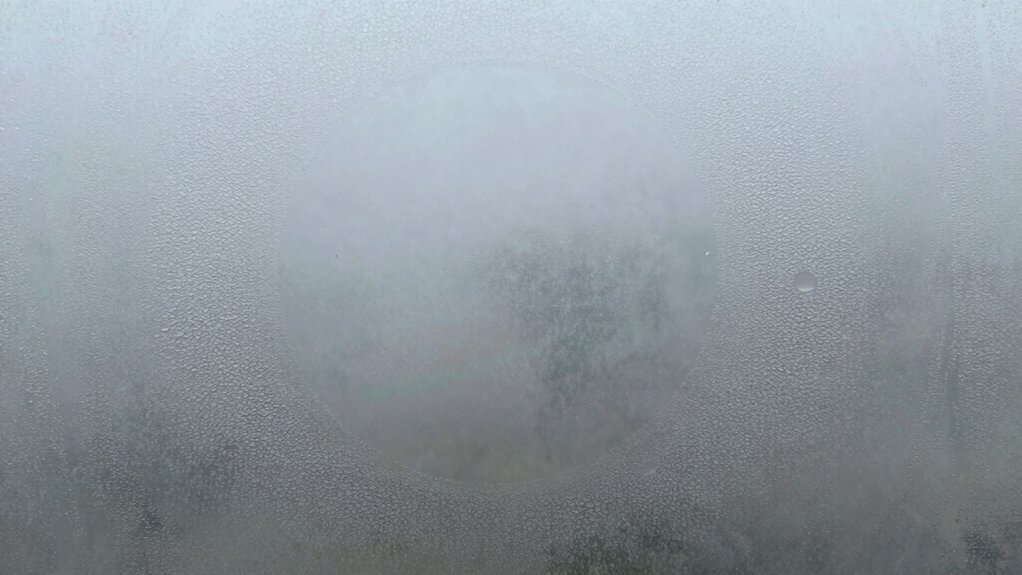
Anti condensation paint works by forming a durable, breathable film on the surface that helps regulate moisture. You apply it to a clean, prepared wall or ceiling, and the coating cures to a flexible layer. The film resists moisture ingress while allowing trapped water vapor to escape, reducing surface condensation under typical indoor conditions.
It doesn’t create a waterproof barrier; instead, it maintains a balanced microclimate at the surface. When humidity rises, the film’s porosity and its low surface energy promote quicker drying of droplets, limiting damp buildup.
You’ll need proper surface preparation, including cleaning and repairing defects, to ensure adhesion. The paint’s performance depends on correct product selection, coating thickness, and curing conditions, not on a single layer alone.
Common Claims vs. Realistic Outcomes
Common claims about anti-condensation paints promise dramatic moisture control, but real-world results often fall short of hype. You’ll find promises of complete dampness elimination and maintenance-free surfaces, yet outcomes depend on conditions beyond the coating itself.
Expect modest reductions in surface humidity delays and slowed condensation, not a universal fix. Performance varies with surface type, preparation, and environmental factors, and durability under frequent temperature shifts can decline.
You may notice early benefits, but long-term behavior tends toward equilibrium with ambient moisture and airflow. Realistic use requires proper ventilation, consistent temperature, and compatible substrates.
Claims may mislead if they overlook substrate limitations or maintenance needs. Clear testing under representative conditions provides the most reliable guidance for budgeting and expectations.
The Role of Humidity and Temperature
Humidity affects how dry surfaces stay by driving moisture exchange with the air, so understanding its level helps you predict condensation risk.
Temperature shapes when and where condensation forms, since cooler surfaces meet warmer, moist air more readily.
Humidity’s Impact on Dryness
Humidity and temperature jointly determine how dry a space feels. You’ll notice that higher humidity hampers moisture withdrawal from surfaces, while lower humidity aids it.
When the air is humid, evaporation slows, leaving damp patches and a perceptible dampness on walls, floors, and fabrics. In drier conditions, water vapor moves more readily away from surfaces, producing a crisper, drier feel and reducing condensation risk on cooler areas.
Temperature moderates these effects: warmer air can hold more moisture, delaying wetness perception, whereas cooler air carries less vapor, increasing surface deposition.
You can influence dryness by managing indoor humidity levels and airflow, not by relying solely on surface coatings. Humidity’s impact is systematic, predictable, and measurable with proper monitoring.
Temperature’s Role in Condensation
Temperature drives how quickly moisture moves between surfaces and air. You’ll notice that when air is warm, it holds more water vapor, while cooler air releases it. Condensation occurs when warm, moist air contacts a cooler surface, reducing its capacity and forcing droplets to form. This dynamic depends on temperature differences, surface materials, and air movement.
You control exposure by managing indoor temperatures, insulation, and ventilation, all of which influence humidity relative to surface temperature. If surface temperatures stay above the dew point of the surrounding air, condensation risk drops. Conversely, persistent cold spots or poorly insulated areas invite moisture accumulation.
In practice, elevate and stabilize temperatures where possible, reduce drafts, and improve thermal mass. Reduced temperature gradients minimize condensation potential without sacrificing comfort.
What Materials Meet the Claims
You’ll compare material types, noting which actually meet the performance claims in real use. The discussion centers on how claimed vs. observed performance aligns, with attention to durability and consistency.
Consider the application environment and how surface prep, thickness, and curing affect whether the claims hold true.
Material Types Compared
Materials that meet the claims fall into a few clear categories. You’ll encounter coatings with integral hydrophilic binders that attract moisture without forming droplets, creating a uniform film. Water-based formulations often belong here, because they minimize volatile emissions and simplify cleanup.
Another category uses ceramic or mineral fillers to improve heat transfer and surface wetting, promoting even condensation behavior rather than localized buildup. For some products, polymer hybrids combine tack-free surfaces with enhanced durability, leveraging cross-linked networks to sustain performance over time.
Thermal mass modifiers may accompany paints designed for warmer surface temperatures, reducing dew formation thresholds. Finally, silicone-modified systems emphasize resistance to humidity cycles while maintaining flexibility.
Across these types, composition and processing dictate how closely they align with the claims.
Claims Vs Performance
Some coatings align closely with their stated claims, while others fall short in key areas like moisture handling, dew resistance, or durability. When you compare claim language to actual performance, you’ll notice gaps in real-world conditions, not just lab results.
You should evaluate drying time, film integrity, and long-term resistance to humidity cycles, since these factors determine ongoing effectiveness. Look for independent test data that mirrors typical environments you encounter.
Some products meet moisture management promises but lag in abrasion resistance, while others excel at dew resistance yet thin out quickly under sun exposure.
Application Considerations
In selecting coatings that meet their moisture-management claims, consider how application, substrate, and conditions shape performance. You should verify product data sheets for coverage rates, cure times, and required surface preparation, then compare these to your project timeline and environmental limits.
Material compatibility matters: check substrate chemistry, existing finishes, and coatings with compatible binders to avoid delamination or sheen changes. Temperature and humidity during application influence film formation and adhesion; follow supplier guidance for ideal ranges.
Surface texture, porosity, and moisture content affect film thickness and uniformity, so plan for appropriate priming or conditioning. Finally, confirm warranty scope and inspection methods, ensuring the chosen coating meets both regulatory and service-access requirements in your installation.
Application Techniques for Best Results
To achieve the best results, prepare the surface thoroughly and follow the paint manufacturer’s instructions closely.
Start with a clean, dry substrate free of dirt, grease, and loose flakes. If needed, lightly abrade glossy areas to improve adhesion, then wipe with a suitable solvent and allow full drying.
Maintain consistent conditions, avoiding extreme temperatures and high humidity during application and curing.
Use the recommended tool, whether brush, roller, or spray, and apply in thin, even coats. Don’t overload; multiple light coats yield uniform coverage and better moisture resistance.
Allow each coat to dry fully before applying the next.
Inspect for pinholes and irregularities, sanding lightly if required, and recoat promptly within the prescribed window.
Finish with the advised top coat or sealer for best durability.
Limitations and Real-World Performance
Limitations and real-world performance of anti-condensation paints hinge on environmental conditions and substrate specifics. In practice, effectiveness varies with humidity, temperature swings, and airflow. You’ll see better results on surfaces that stay within the coating’s tested range, and poorer performance where moisture remains high or temperatures frequently drop below the product’s dewpoint threshold.
Substrates with preexisting defects, contaminants, or poor adhesion reduce effectiveness, even with correct application. The paint’s formulation determines its drying, cure, and resistance to peeling or cracking under stress. You should expect a finite lifespan influenced by cleaning, abrasion, and exposure to chemicals.
Real-world results consequently depend on consistent preparation, appropriate product selection, and maintenance, rather than universal performance guarantees.
Ventilation and Building Design Considerations
Could proper ventilation and thoughtful building design substantially reduce condensation risk? In practice, yes, when you create pathways for moisture to escape and fresh air to replace humid air.
You’ll want balanced ventilation that limits drafts yet moves ample air, preventing stagnant zones where humidity concentrates. Design measures matter: adequate insulation, airtight yet controllable envelopes, and moisture-aware layouts reduce internal condensation sources near cold surfaces.
You should consider heat recovery to maintain comfort without losing energy. Fix leaks, manage bathrooms and kitchens with exhaust fans, and vent to the outdoors rather than into concealed spaces.
Materials should tolerate humidity and be easy to keep dry. Overall, ventilation strategy and prudent design lower condensation potential, complementing any coating.
Comparing Anti Condensation Paint to Alternatives
When evaluating anti-condensation paint, it’s essential to compare its performance, cost, and practicality against viable alternatives. You’ll assess moisture resistance, durability, and ease of application, then weigh these against coatings like traditional paints, sealants, or ventilation-enhancing products.
Performance should reflect real-world conditions, not lab assertions, so compare against similar substrates and humidity ranges. Cost considerations include material price, application labor, and long-term maintenance.
Practicality covers surface preparation, drying time, and compatibility with existing layers, as well as potential odor or curing requirements. Alternatives may offer lower upfront cost, higher ventilation impact, or simpler maintenance, but they might lack long-term moisture control.
Informed decisions rely on objective data, clear specifications, and consistent testing across applicable environments.
Practical Tips for Choosing and Using This Coating
Choosing the right anti-condensation coating starts with understanding your environment and substrate, then matching product performance to real-world conditions such as humidity, temperature fluctuations, and surface prep requirements.
To select wisely, identify the substrate type, existing coatings, and any moisture history. Check cure time, viscosity, and film thickness targets for your application method.
Prioritize coatings with proven dwell times below room temperature and good adhesion to damp surfaces.
Prepare surfaces per manufacturer guidance: clean, dry, and abrade as specified.
Apply in stable conditions, avoiding extreme humidity or temperatures outside the recommended range.
Use the correct applicator and technique to achieve uniform coverage and final film thickness.
Follow recoat intervals, safety data, and ventilation recommendations, and verify performance through testing under representative conditions.
Frequently Asked Questions
Do Anti-Condensation Paints Prevent Mold Growth?
Yes, anti-condensation paints alone don’t prevent mold growth; they reduce condensation on surfaces, lowering moisture. Mold requires moisture, nutrients, and spores, so combine with proper ventilation, humidity control, and cleaning to effectively prevent mold development.
How Long Does the Coating Last in Real Homes?
Coatings last about 5–10 years in real homes, depending on humidity, ventilation, and maintenance. You’ll notice gradual performance decline as films age; if you keep spaces dry and recoat when peeling appears, you’ll extend their lifespan.
Can You Apply Over Existing Paints or Wallpaper?
Yes, you can apply it over existing paints or wallpaper, but prepare the surface first: clean, dry, and lightly sand; make certain there’s no peeling; use a suitable primer if needed; follow product instructions for best adhesion.
Do These Paints Require Ventilation During Curing?
Do these paints require ventilation during curing? Yes, you should keep the area well-ventilated as they cure. You’ll notice fumes and drying times shorten with airflow, ensuring safer application and proper film formation for effective condensation resistance.
Are There Safety Concerns or VOC Limits?
Yes, there are safety concerns and VOC limits. Check the product’s SDS for ventilation, emissions, and exposure limits; use in well-ventilated areas, wear appropriate PPE, and follow label instructions to stay below regulatory VOC thresholds.