
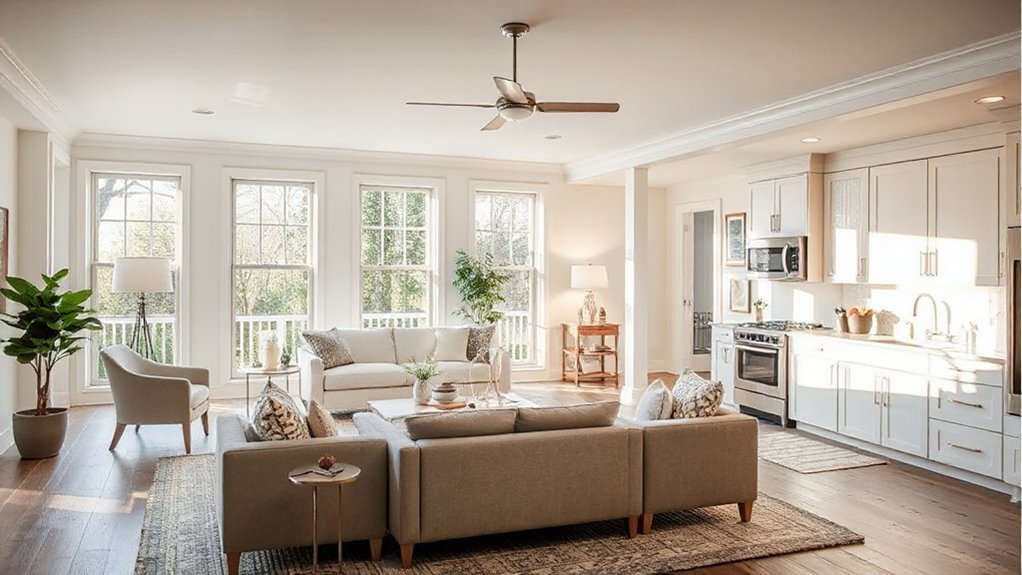
You expect momentum, yet a small misstep can stall the deal. To boost value without overspending, you’ll want curb appeal and efficient updates that pay off in buyers’ first impressions, then precise improvements that hedge against market shifts. Focus on lighting, landscaping, and a welcoming entry, plus quick kitchen and bath refreshes that align with neutral finishes. Plan costs carefully and stage thoughtfully, because a calculated strategy often determines whether the next offer meets your goal. Keep going to see what matters most.
What Buyers Notice First: and How to Fix It
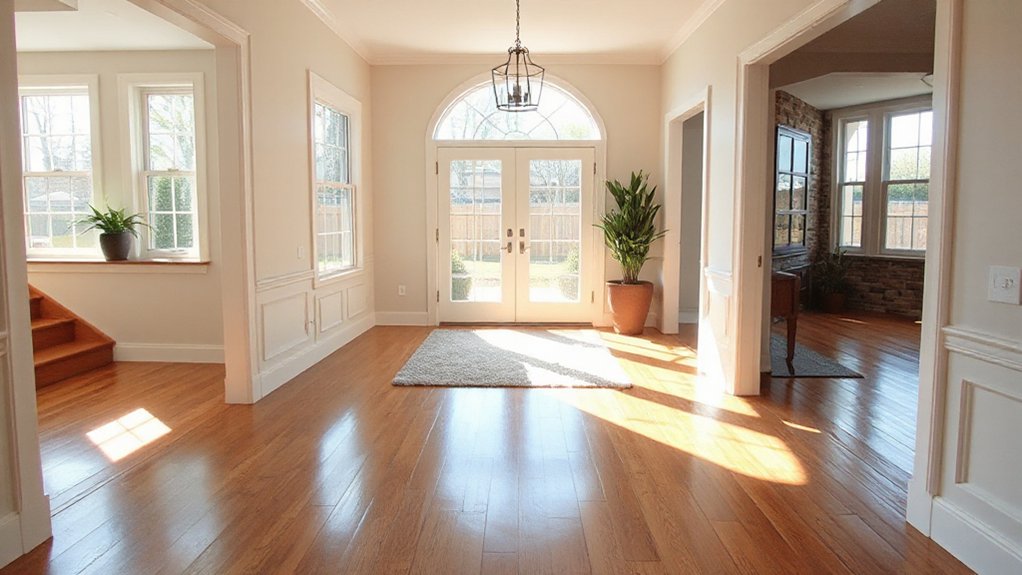
First impressions matter, and buyers notice curb appeal, lighting, and room layout within seconds of walking in. You assess exterior lighting and entry contrast, noting how shadows reveal or conceal flaws. Focus on clean paths, visible numbers, and porch lighting that welcomes without glare.
Inside, you evaluate interior scent and air quality, correlating freshness with perceived upkeep. Eliminate lingering odors by airing out spaces, neutralizing musty smells, and avoiding overpowering fragrances.
Correct obvious flaws: scuffed paint, chipped molding, door alignment, and tight tiles. Maintain a consistent lighting plan that highlights key features without creating hotspots.
You should verify that room flow matches real usage, with logical *passages* between spaces. In sum, clarity, scent balance, and a polished exterior set the baseline for favorable negotiations.
Low-Cost Fixes That Really Boost Resale Value
Small, smart fixes can dramatically lift a home’s appeal without breaking the bank. You can boost resale value by targeting minor yet high-impact areas that buyers notice first.
Prioritize energy efficiency improvements—LEDs, weather stripping, programmable thermostats—to lower operating costs and signal modern comfort.
Invest in smart technology that enhances convenience and security without overhauling systems; simple, well-integrated devices offer measurable appeal.
Repaint with neutral tones to refresh space instantly, and fix visible flaws like peeling caulk, cracked grout, or warped doors.
Improve lighting in key rooms to create warmth and perceived space.
Tidy outdoor spaces, trim hedges, and pressure-wash siding or sidewalks for instant curb appeal.
Document upgrades, warranties, and costs to demonstrate value-added return to potential buyers.
Kitchen and Bath Updates Buyers Can’t Resist
Upgrading kitchens and baths delivers high resale leverage because these rooms are where buyers judge quality firsthand. To appeal, focus on durable, modernization-ready details rather than flashy trends. Prioritize functional updates that deliver measurable value: modern cabinetry layouts, solid countertops, and efficient fixtures.
In baths, replace dated vanities with streamlined, water-efficient options and ensure proper ventilation. In kitchens, emphasize seamless connections between storage, prep space, and cooking zones. Choose finishes in neutral palettes that resist quick obsolescence.
Prioritize energy and water efficiency—LED lighting, low-flow faucets, and smart controls where appropriate. Appliance upgrades, when chosen cohesively, can yield a perceived leap in value without overinvesting.
Pair upgrades with deliberate lighting improvements to enhance perceived quality, depth, and space.
Curb Appeal Tweaks and Staging to Speed a Sale
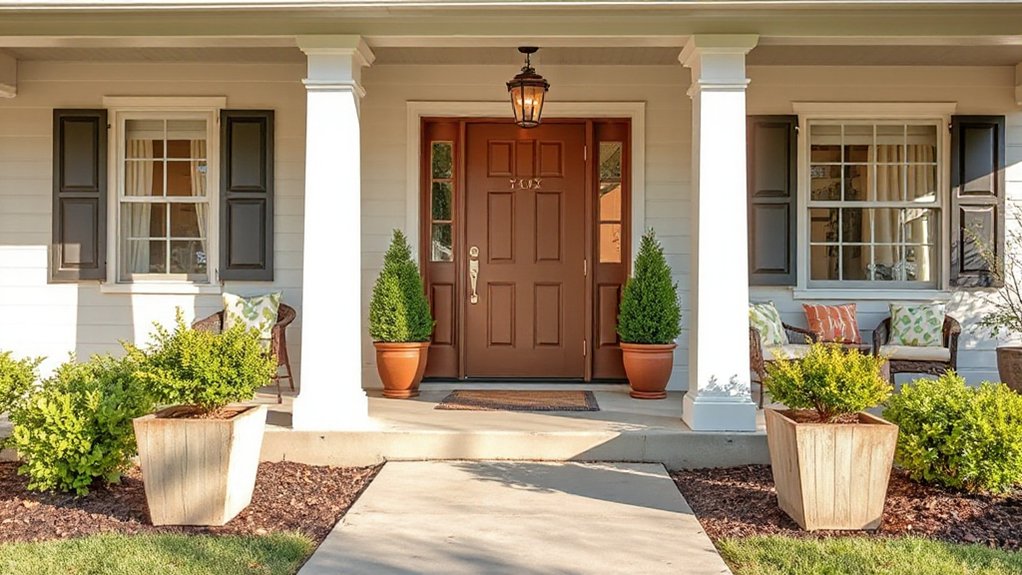
Curb appeal and a disciplined staging plan set the expectations for buyers before they even step inside, making a strong first impression that accelerates offers. You should evaluate curb appeal as an investment in buyer perception, not just aesthetics.
Start with a concise exterior narrative: clean lines, purposeful plantings, and a coherent color palette that complements your home’s architecture. Implement targeted landscaping enhancements to frame entry points and sightlines, avoiding overgrowth that distracts from structural details.
Pair these upgrades with functional exterior lighting that extends curb visibility and highlights key features at dusk. Inside, stage rooms to mirror the exterior tone, guiding flow toward the entrance and outdoor spaces.
Maintain consistency, measure impact, and prune once you see stabilization in inquiries and showings.
Plan, Time, and Track Costs for a Profitable Sale
To maximize profitability, plan, time, and track costs with disciplined rigor: establish a clear scope, create a realistic timeline, and set a budget with built-in contingencies.
You’ll map worth-adding projects to the property valuation, distinguishing high-impact upgrades from cosmetic fixes. Quantify each item’s cost, expected value, and breakeven point, then schedule work to align with market timing—avoid peak renovation periods that inflate prices without proportional returns.
Track variances weekly, updating forecasts as bids come in and conditions change. Use a simple dashboard to compare actuals against plan, flagging overruns early.
Consider opportunity costs: delaying sale or reallocating funds may erode net gains. A disciplined, data-driven approach yields clearer decisions, reduces risk, and clarifies whether a project improves overall value given current market timing and comparable property valuations.
Frequently Asked Questions
How Long Does It Typically Take to See Value From Improvements?
Typically, you’ll start seeing value within 3–6 months after improvements, depending on market timing and local demand. Rent vs. buy dynamics and seasonality influence resale pace, shaping when you capitalize on your investment.
Which Home Improvements Recoup the Highest Resale Value?
You’ll recoup most with landscaping upgrades and energy efficiency, delivering the highest resale value. You’ll save on costs and time, so you won’t regret investing; these upgrades appeal broadly, balancing curb appeal with long-term, measurable efficiency.
Are Temporary Upgrades Worth the Investment for Resale?
Temporary upgrades can pay off if their perceived value exceeds cost, but beware diminishing returns. You should prioritize luxury upgrades and well-executed DIY projects that clearly boost appeal without overinvesting; weigh resale impact against time and budget.
Should I Upgrade Only in Buyer-Preferred Styles?
Yes, you should upgrade in buyer-preferred styles, but only if they fit your budget. Analyze design trends and weigh budget considerations, focusing on durable basics and timeless finishes that appeal broadly while avoiding niche fads.
How Do Taxes Affect Gains From Home Renovations?
Tax implications of renovations depend on timing and purpose; you’ll typically face capital gains considerations, but some costs may be added basis. You should track Renovation deductions carefully, as eligibility varies by jurisdiction and project type.
Conclusion
Boost your sale by focusing on what buyers notice first—clean lines, neutral palettes, and spotless upkeeps. Small fixes, like weather stripping and LED upgrades, yield big returns; buyers anticipate savings on energy and maintenance. One telling stat: homes with curb appeal improvements recoup up to 68% of their renovation costs at sale. Stay independent and precise: plan, time, and track costs, stage thoughtfully, and present cohesive finishes to maximize value and shorten time on market.