
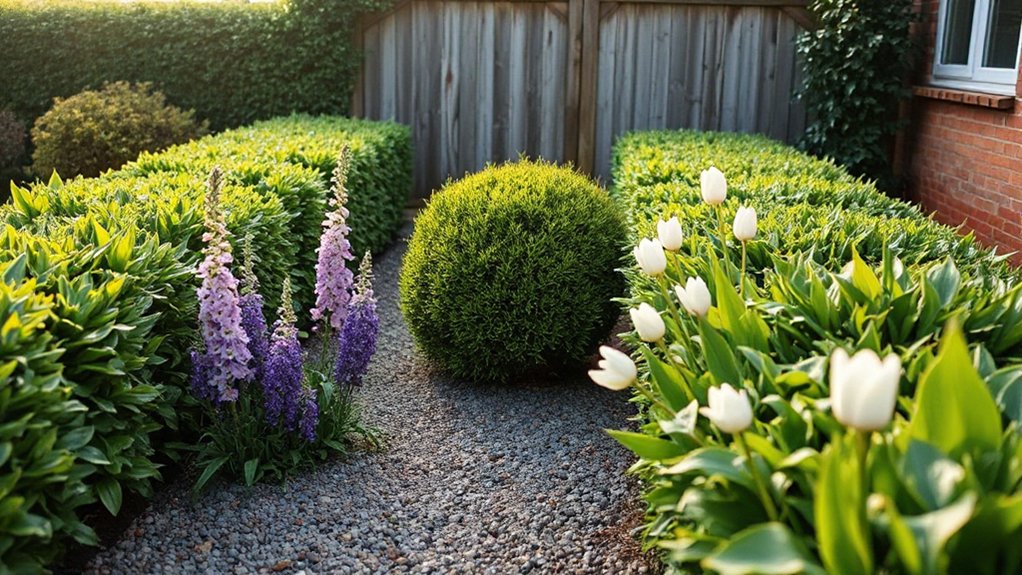
To refresh a front garden in the UK, you’ll start by mapping sun, soil, and drainage to guide plant choices and practical touches like rain gardens or drought-tolerant options. Plan a cohesive layout with clear borders, sturdy paths, and focal elements that fit your budget and style. Choose low-maintenance, wildlife-friendly plants grouped for impact, then define borders and mulch to sustain year-round appeal. It’s a practical routine you can tailor as you go, with one essential step still to come.
Define Your Front Garden Goals for UK Homes

Before you start any project, define what you want your front garden to do. You’ll set clear goals that guide every choice, from layout to plant selection. Identify primary functions: curb appeal, privacy, year-round interest, low maintenance, or a welcoming space for guests.
Consider how much time you’ll invest weekly and the level of upkeep you’re comfortable with. Sketch a simple plan that aligns with your budget and house style, ensuring safety and access for pedestrians.
Think about seasonal color and structure that lasts. Include practical elements like Garden furniture for seating and staging, and Wildlife habitats to support local biodiversity.
With defined goals, you’ll choose materials, plants, and features confidently and avoid costly changes later.
Assess Sun, Soil, and Drainage in Your Space
To assess sun, soil, and drainage in your space, start by mapping how sunlight shifts across the front garden from dawn to dusk and noting any shaded pockets caused by the house, fences, or neighboring trees.
Observe soil texture by digging small test holes to gauge drainage and compaction; note color, moisture, and crumb structure.
Track drainage patterns after rain—where water pools, where it flows away, and how long it takes to recede.
Use a simple sun/shade diary across seasons to spot persistent hot or dry zones.
Consider a Rain garden where excess water runs off, and create Wildlife habitat in damp, receptive spots.
Align plant choices with these insights to maximize performance, resilience, and long-term curb appeal.
Prioritize practical, data-driven decisions.
Pick a Low-Muss, High-Impact Plant Palette for the UK
A low-muss, high-impact plant palette hinges on choosing sturdy, drought-tolerant perennials and compact shrubs that perform with minimal maintenance. You’ll want reliable textures and seasons of interest, so mix evergreen decoratives with deciduous pops that extend color through the year.
Favor compact forms that suit smaller front gardens and boundary borders, reducing pruning needs. Plant color combinations should balance cool and warm tones, aiming for contrasts that pop in low light or drought conditions while staying cohesive at distance.
Prioritize wildlife friendly species that attract pollinators and birds, such as nectar-rich blooms and insect-friendly foliage. Choose long-lasting performers over flashy annuals, and group repeats for a cohesive look with less upkeep.
Plan, plant, and enjoy a resilient, stylish frontage.
Create Edges and Paths to Structure the Verge

You’ll define crisp boundary lines to clearly separate lawn, bed, and path, making the verge look intentional. Use simple edging or a contrasting edge material to create instant definition and low-maintenance structure.
Then establish defined paths that guide foot traffic, using a durable surface and consistent width to keep the frontage tidy and navigable.
Define Boundary Lines
Defining boundary lines is the first step to structure the verge and prevent creep from surrounding beds. You determine where the garden ends and the public or neighbouring space begins, then mark those limits clearly. Use property markers or sturdy stakes to outline straight or gently curving edges, depending on your frontage’s layout.
Boundary fencing can add privacy and a tidy silhouette, but choose a height and style that respects local regulations and alleyways or footpaths. Install edging materials—concrete, timber, or metal—firmly into the soil to resist shifting.
Keep visible markers level and spaced so mowing and pruning stay efficient. Regularly check boundaries after storms or plant growth, adjusting as needed to maintain a clean, defined verge.
Create Defined Paths
Create defined paths by laying out clear, traversable routes through the verge that guide foot traffic and set the garden’s rhythm.
You design edges to keep mulch contained, prevent wear, and define zones without clutter. Use straight runs for a formal look or gentle curves for a softer, natural feel.
Choose materials that suit your style and climate—slabs, compacted gravel, or permeable pavers—ensuring they’re level and slip-resistant.
Install edging, then lay a compacted sub-base and a surface that drains well.
Consider adjacent beds: path width should allow comfortable passage and access for maintenance.
Integrate garden furniture in focal nooks and accessible corners, and leave space for wildlife habitats to attract pollinators.
Regularly tidy edges, reseal joints, and adapt paths as your verge evolves.
Add Seasonal Interest With Low-Effort Plants

You can add seasonal interest with low-effort plants by choosing reliable, showy options that thrive in UK conditions. Consider a mix of evergreen structure and seasonal bloomers that don’t demand extra care, so your front garden stays vibrant year-round.
We’ll explore practical picks and simple planting ideas that maximize impact without a heavy workload.
Seasonal Plant Picks
Seasonal plant picks help you keep a front garden looking polished year-round with minimal effort. You’ll choose reliable, seasonally appropriate specimens that evolve seamlessly between blooms, foliage, and texture.
Prioritize compact, low-maintenance varieties that suit UK conditions, minimizing pruning and feeding needs while delivering consistent colour. Think evergreen structural elements paired with seasonal accents to provide depth across the year.
Incorporate wildlife-friendly options—nectar-rich perennials, seed-bearing grasses, and pollinator-friendly shrubs—to create a modest wildlife habitat without overhauling the design.
Favor a modern minimalist palette: muted greens, whites, and soft ambers, with one or two seasonal pops.
Use quality soil, mulch, and smart positioning to maximize performance, ensuring each plant earns its keep and contributes to year-round curb appeal.
Low-Effort Planting Ideas
For a front garden that stays polished with minimal effort, start with a compact mix of tough, low-maintenance plants that deliver year-round interest. Choose evergreen providers like box, yew, and chamaecyparis for structure.
Then layer with hardy perennials such as agapanthus, echinacea, and sedum for seasonal color. Opt for drought-tolerant by design varieties to reduce watering needs, and group in blocks to simplify maintenance.
Incorporate groundcovers or low grasses to fill gaps between focal specimens and suppress weeds. Add garden art in simple, weatherproof forms to create focal points without extra upkeep.
Ensure paths are clearly defined for easy access. Finally, invite wildlife with nectar-rich plants and a small wildlife-friendly habitat, enhancing appeal with minimal effort.
Use Groundcovers and Mulch for Smarter Maintenance
Groundcovers and mulch simplify maintenance by suppressing weeds, retaining moisture, and reducing mowing needs. You’ll choose groundcover varieties that spread quickly and tolerate UK conditions, such as low-growing perennials or evergreen mats that don’t require heavy pruning.
Pair these with a strategic mulch layer to steady soil temperature and limit evaporation. Start with a clean, weed-free bed, then lay a 5–8 cm mulch depth using organic materials like shredded bark or composted blends, ensuring you don’t bury stems.
For groundcover varieties, stagger planting to create dense coverage within a growing season. When applying mulch, keep a small clearance around stems to prevent rot.
Consider seasonal reapplication and monitor for pest pressure, adjusting mulch depth as needed to maintain soil structure and moisture.
Borders and Mulch Choices to Boost Curb Appeal
Borders frame your garden and set the tone for your front yard, so choose borders that define space without overpowering it. Start with a simple repeat: one or two border heights, clean edges, and a cohesive color palette.
Favor materials that resist weathering and align with your home’s style, whether timber, stone, or composite. When selecting border color, pick hues that contrast with the foliage to create sharp definition and easy maintenance.
Use mulch texture to control weed growth and moisture; a fine grind dries more quickly, while a chunky mix offers thermal insulation in winter.
Keep plantings layered—groundcover, mid-height shrubs, and seasonal accents—to maintain year‑round interest. Regularly refresh shallow edges and remulch annually for crisp curb appeal.
Implement Easy, Waterwise Solutions on a Budget
Smart, waterwise choices don’t have to break the bank; start with easy wins that cut waste and upkeep. You’ll prioritise efficient irrigation, such as drip lines and timers, to minimize evaporation and runoff.
Choose drought-tolerant perennials and native grasses that thrive with local rainfall, reducing the need for frequent watering. Mulching reduces soil evaporation and suppresses weeds, prolonging moisture.
Reuse rainwater in a buried tank or elevated barrel for simple tasks. Group plants with similar water needs to simplify watering schedules.
Select low-cost Garden accessories that add function, like moisture meters and wand sprinklers, to fine-tune usage.
Create Wildlife habitats by leaving a log pile or rock shelter, and plant flowering natives to attract pollinators without extra care. This approach yields functional, budget-friendly landscaping.
Plan a Simple Maintenance Schedule to Stay Fresh
A simple maintenance schedule keeps your front garden looking fresh without overhauling your routine. Plan weekly tasks and a monthly reset, so nothing slips.
Start with garden furniture: wipe down, check cushions, and store protects during wet spells to extend life. Schedule pruning after flowering and deadheading to reduce clutter.
Trim grass edges and weed light areas on alternating weeks, not all at once.
Create a pest-control routine: inspect plants, apply controls only when needed, and remove diseased foliage promptly.
Mulch borders in spring to suppress weeds and conserve moisture.
Record what you do and when, so you can adjust for seasons.
Align irrigation with rainfall and reservoir levels.
A simple, consistent approach keeps beds tidy and your front garden continuously presentable.
Frequently Asked Questions
How Can I Budget a Front Garden Refresh Effectively?
Prioritize garden design goals and set a clear, realistic budget. Track costs with a simple spreadsheet, itemize essentials versus luxuries, and allocate a contingency. Use budget planning to guide plant choices, materials, and scalable improvements over time. You’ll save efficiently.
What Low-Maintenance Plant Options Suit UK Climates?
A steady river. You’ll want perennial choices and evergreen options that survive UK conditions with minimal fuss. You plant once, enjoy year after year, and you prune lightly, mulch well, and water deeply during dry spells.
Which Fast-Growing Plants Create Quick Curb Appeal?
Plant fast-growing options like shrubs and perennials, then plant now for quick curb appeal. Make certain planting schedules align with seasons and finalize soil preparation by loosening, enriching, and mulching soil to support vigorous root establishment and rapid growth.
How Do I Choose Drought-Tolerant Varieties for the UK?
You should choose drought-tolerant varieties by prioritizing native plant selection and rainwater harvesting compatibility, selecting species proven to thrive in UK summers, and pairing deep-rooted options with mulch and smart irrigation to minimize watering needs.
What Tools Simplify Seasonal Garden Maintenance Tasks?
You’ll streamline tasks with multipurpose essentials, and you’ll savor simplicity. Use pruning shears, a sturdy trowel, a durable weeder, and a comfy kneeling pad; sprinkle garden furniture and decorative sculptures to keep maintenance pleasant and efficient.
Conclusion
Think of your front garden as a small, low-maintenance stage for curb appeal. Choose a cohesive plant palette, define edges, and place drought-tolerant or wildlife-friendly choices for instant impact. Mulch, groundcovers, and clear pathways cut maintenance while keeping beds tidy. Regular pruning and seasonal tweaks seal the look. Ready to transform your verge with practical steps and budget-friendly fixes? What scene will you see each morning when your border greets you and visitors alike?