

Energy Star appliances are worth the upfront cost for most homes because they cut your bills, run cooler, and last longer. You’ll see steady performance, fewer stutters, and less maintenance, which translates to real savings over time. Start by estimating annual energy savings minus incentives, then compare models with their total ownership costs. Short payback windows aren’t unusual for high-use items like fridges or HVAC. If you want predictable performance and durable savings, you’re in the right spot—more details follow.
Do Energy Star Savings Really Add Up?
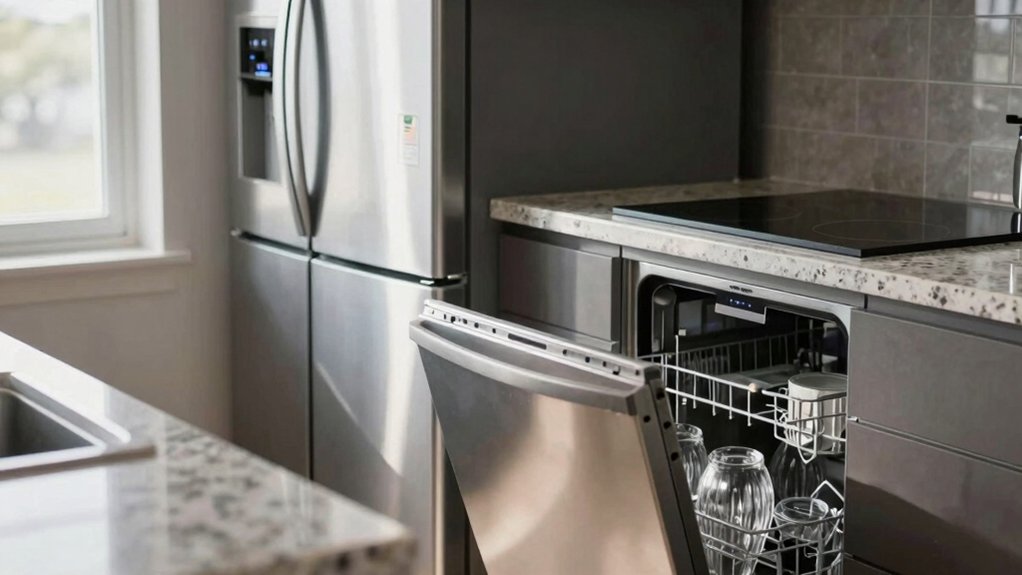
Do Energy Star savings really add up? Yes, they can, but context matters. You’ll notice benefits mainly through lower utility bills and steadier performance over time.
Energy Star labeled appliances meet efficiency standards, reducing your energy use without sacrificing function. This translates to less heat output and cooler operation in many devices, which can extend component life and stability.
You’ll also see fewer stutters or delays from overworking systems, contributing to appliance longevity. In broader terms, your choice lowers environmental impact by conserving resources and cutting emissions associated with power generation.
To maximize value, pair efficient models with proper usage and maintenance. Don’t expect miracles, but expect consistent, practical savings when you choose certified efficiency.
How to Calculate Your Energy Star Payback
To estimate your payback, start with a clear view of Payback Timeframes and the initial cost versus annual Energy Savings Calculations.
You’ll compare how long it takes for the Energy Star upgrade to pay for itself under your usage patterns.
We’ll discuss practical steps to quantify savings, account for variables, and set realistic timelines.
Payback Timeframes
Calculating the payback period for Energy Star appliances shows you exactly how long it takes for the energy savings to cover the higher upfront cost. To determine payback, estimate annual savings from lower utility bills and subtract any operating costs tied to the appliance.
Consider upfront factors like installation costs and any required professional setup, plus possible rebates. Use a simple formula: Payback = Upfront costs minus incentives, divided by annual net savings.
If the savings exceed monthly energy use, your payback shortens; if not, it lengthens. Account for appliance warranties, which can affect long-term costs and reliability. Also note replacement cycles and energy price assumptions; changing them alters the timeframe.
This method helps you compare models quickly and focus on practical, measurable returns.
Energy Savings Calculations
Wondering how much you’ll actually save with Energy Star payback? To calculate, start with annual energy savings, then subtract your annual upgraded appliance cost using the Energy Star label.
Consider usage patterns, climate, and local utility rates to refine the estimate. Use simple payback: upfront cost divided by annual savings, but also track total cost of ownership over time.
Remember appliance durability and brand reputation influence long-term performance and maintenance costs, which can affect payback speed. Compare models with similar efficiency ratings to avoid diminishing returns.
Include potential rebates or tax incentives to lower the upfront price. Finally, verify warranty terms and service networks, as strong support reduces future expenses and preserves energy savings.
Plan conservatively and benchmark against prior appliances to validate results.
- Identify annual energy savings and upfront cost
- Adjust for usage, climate, and local rates
- Include rebates, warranties, and service networks
- Compare like-for-like models for accurate payback
What to Know Before You Buy: Costs by Appliance Type
When you’re choosing a new appliance, costs by type matter, not just sticker price. We’ll outline typical upfront costs and the payback time snapshot you can expect for each category, so you can compare efficiency gains against your budget.
This starts the discussion on how Energy Star choices impact long-term savings across appliance types.
Costs By Appliance
Smart choices upfront can save you real money over an appliance’s lifetime, so it’s worth starting with the costs you’re likely to encounter. In this section, you’ll compare typical price ranges and what they mean for total ownership.
You’ll weigh upfront investment against long-term savings, focusing on appliance durability and installation costs as key factors. Expect variation by size, features, and efficiency rating, but use a consistent checklist to forecast your total cost.
- Purchase price versus long-term energy savings
- Installation costs and potential site prep
- Durability, warranties, and expected life
- Maintenance needs and replacement timing
Payback Time Snapshot
Payback time matters because it translates upfront costs into real-world savings. In this snapshot, you’ll compare typical payback windows by appliance type and energy star impact, so you can plan accurately.
Expect shorter payback for high-use items like refrigerators and HVAC, where efficiency gains compound annually. For washers and dishwashers, consider cycle frequency and water savings alongside energy use.
Remember appliance durability and brand reputation influence long-term value; a sturdier model may deliver reliable savings beyond the payback period. Don’t ignore installation and maintenance costs, since they affect net payback.
Track your usage, local energy prices, and potential rebates to refine the estimate. This snapshot isn’t a guarantee, but it makes upfront costs and future savings concrete.
Energy Star Myths vs. Realities
There are plenty of myths about Energy Star that mislead consumers, but separating facts from fiction helps you choose truly efficient appliances. You gain clarity when you separate hype from data, focusing on real performance and long-term value.
Energy Star doesn’t guarantee perfection, but it signals efficiency and lower operating costs, which matters for appliance durability and ongoing bills. Realities include verified standards, and a brand reputation built on consistent results.
You should still compare models, consider climate, and check warranties to protect your investment.
- Efficiency claims vs. real-world usage
- Brand reputation and service support
- Durability expectations and maintenance
- Total cost of ownership beyond sticker price
A Simple Framework: Should You Splurge or Save?
When you’re deciding whether to splurge or save on Energy Star appliances, start with a simple decision framework: you’re balancing upfront cost against long-term savings. Think in two steps: first, determine your window for recovery, then assess nonmonetary value like reliability.
If the upfront price pushes you beyond your budget, aim for solid midrange options; you’ll still qualify for efficiency gains. If you can justify the extra spend, favor models with strong appliance durability and proven efficiency, focusing on features that genuinely reduce operating costs.
Brand reputation matters: choose manufacturers with long track records for service and parts availability, not just glossy marketing. Compare annual operating costs, maintenance needs, and warranty terms to decide whether the payoff justifies the premium.
Your choice should prioritize predictable performance and dependable savings.
Maximize Value: Tips for Getting the Most From Energy Star Appliances
Maximizing value from Energy Star appliances starts with choosing models that align with your real-world usage and maintenance approach. You’ll extract more value when you match efficiency with durability, and when you trust brands with solid appliance durability and brand reputation.
Use these tips to lock in performance and savings over time.
- Assess your typical load and cycles to pick the right energy rating
- Prioritize trusted brands with proven appliance durability and clear warranties
- Establish a maintenance routine that protects efficiency and longevity
- Compare total cost of ownership, not just upfront price, across models
Conclusion
You can decide smarter by weighing up upfront costs against long-term savings. Do the math: payback time, energy use, and maintenance. Don’t assume every Energy Star gadget pays for itself; some buy you only marginal gains. Compare models, check rebate options, and factor lifespan. If you’re budget-conscious, you might still splurge on top performers for big-ticket items. Think of it as a well-planned road trip—Energy Star is the fuel-efficient vehicle that gets you farther with fewer pit stops.