

Did you know most renovations run over budget by 25% on average? You can avoid that by starting with clear goals, a realistic budget, and defined priorities. You’ll map the scope, secure permits, and hire licensed pros, then build a timeline with buffers. Track costs closely and stay flexible for surprises. If you set up solid communication and milestones now, you’ll keep the project on track—and there’s more to tighten up before you pull the trigger.
Defining Goals and Budget
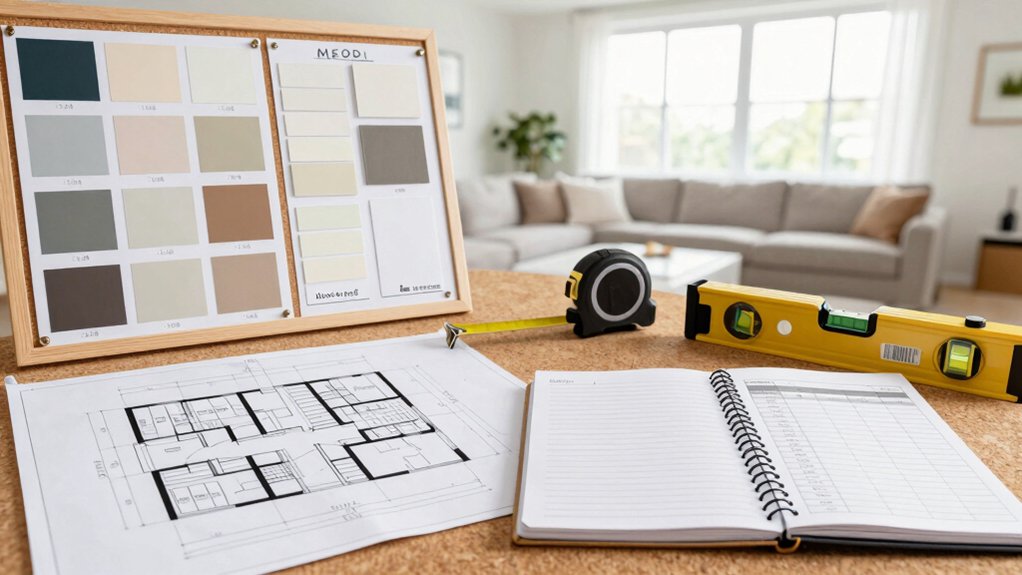
Defining goals and budget starts with clarity: know what you want to achieve and how much you’re willing to spend. You’ll set target rooms, timelines, and outcomes, then map them to a realistic price range.
Begin by listing must-haves versus nice-to-haves, so you can trade up or down without derailing the plan. Define success metrics, like one fewer project delays or a specified return on investment.
Establish your budget with hard numbers for permits, labor, materials, and contingency. When you choose color schemes and material choices, confirm costs upfront to avoid scope creep.
Use a simple budgeting framework: allocate for core updates, then reserve a contingency buffer, and finally approve a phased plan. Regularly review progress and adjust goals to stay aligned with reality and intent.
Assessing the Scope and Priorities
You’ve set goals and a budget; now it’s time to pin down what the project actually includes. Start by listing must-haves, nice-to-haves, and deal-breakers, then group tasks by room and system.
Define scope boundaries to prevent scope creep: note what’s included, what isn’t, and any exclusions. Prioritize changes that deliver the most impact for your budget and timeline, and identify dependencies between rooms, structure, and services.
Use concrete deliverables, not vague wishes, to guide design decisions. Brainstorm design ideas early to assess feasibility and cost, then refine with material selection constraints, durability needs, and maintenance reality.
Create a phased plan with milestones, then recheck against your budget and timeline. Document decisions for quick reference and keep stakeholders aligned.
Securing Permits and Hiring Pros
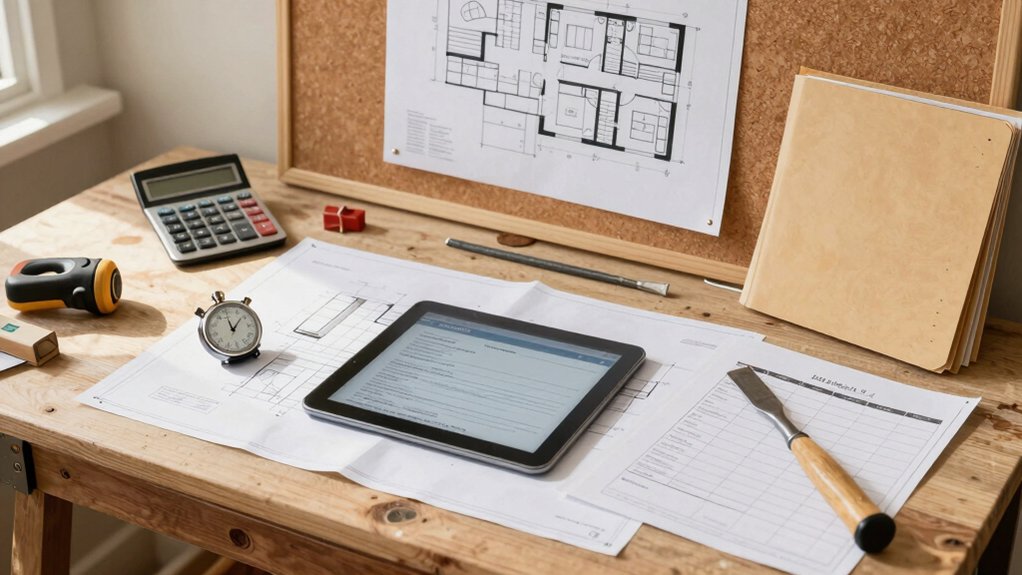
Securing permits and hiring pros starts by identifying the approvals your project needs and lining up qualified trades early. You map required permits, permissions, and inspections based on local codes, then assemble a practical approval plan you can follow.
Next, you gather essential documents, organize drawings, and file permit applications promptly to avoid delays.
When selecting a contractor, prioritize licensing, insurance, past project success, and clear communication. Conduct brief, focused interviews and request references to verify performance and reliability.
Create a short list and compare bids based on scope, timelines, and value, not just price. Confirm trade availability, confirm kickoff dates, and set milestone reviews.
Keep everyone aligned with a shared calendar, update stakeholders, and track permit progress until approvals are posted.
Creating a Realistic Timeline
Set clear milestones for each renovation phase and estimate realistic durations for each task.
Build in buffer and contingencies to absorb delays, scope changes, or supply hiccups.
Map these elements into a living timeline you review weekly to keep the project on track.
Establish Milestones Timeline
Creating a realistic milestones timeline starts with mapping every phase of the renovation—from design and permitting to demo, rough-ins, finishes, and final inspections—so you can assign concrete dates and owners.
You organize tasks by dependencies, request confirmations, and lock in critical path items. Next, set milestone dates for each phase, then assign owners responsible for delivering them.
Build buffers for supplier lead times and permit hold-ups, but keep the plan tight and actionable. Communicate milestones in a shared schedule, update weekly, and flag delays early.
Track progress with a simple color system: on-track, at-risk, and delayed. As you sequence work, consider decorating details and furniture placement early to avoid conflicts later, ensuring teams align on finishes, hardware, and staging needs.
Buffer and Contingencies Plan
A buffer and contingency plan protects your timeline from surprises by allocating realistic cushions for supplier delays, permit hold-ups, and unexpected site issues. You’ll define non-negotiables for each phase, then add time buffers of 10–20% based on risk.
List likely bottlenecks: material selection, lead times, and weather, and set fallback options. Build a master calendar with clear milestones, but also reserve walk-in windows for adjustments.
Communicate early with the contractor and suppliers, confirming lead times and delivery windows in writing. Track changes in real time and adjust the schedule promptly. Use a change-log to document scope shifts and their impact on duration.
Maintain open contractor communication to prevent misaligned expectations. Revisit the plan monthly, updating buffers as realities change. This keeps your project on track and under control.
Managing Costs and Scheduling Trades

To manage costs and coordinate trades efficiently, start with a detailed budget that captures every phase of the renovation and flags potential overruns early. You’ll track line items, contingency buffers, and supplier terms, updating as prices shift.
Prioritize material selection to balance quality and cost, aligning choices with long-term value and local availability.
Establish clear communication strategies with each trade: define scope, deadlines, and review points in writing, then confirm verbally to avoid misinterpretations.
Use a centralized schedule that reflects sequencing, lead times, and permit approvals, and share it with your team weekly.
Build a transparent payment plan tied to milestones, preserving cash flow and accountability.
Regularly review progress against the budget and schedule, making adjustments promptly to prevent cascading delays.
Anticipating Challenges and Staying Flexible
You’ll set up a contingency plan so surprises don’t derail your timeline. Build in schedule flexibility by identifying critical paths and alternative options for trades, materials, and approvals.
Stay proactive: reassess weekly, adjust as needed, and keep decisions clear and moving.
Contingency Planning
Contingency planning starts with identifying likely hurdles, then mapping practical responses that keep the project moving. You’ll build a simple, prioritized plan that you can activate the moment a constraint appears.
Start by forecasting common disruptions—materials delays, permit hold-ups, or contractor gaps—and assign a clear owner for each fix.
Create a lightweight decision tree: if X happens, then Y occurs.
Keep buffers small but real, and define trigger thresholds that prompt action rather than panic.
Set aside emergency funds to cover overruns or urgent replacements, and keep a separate line item for troubleshooting.
Build rapid communication routines with your team so updates travel fast.
Reassess monthly, adjust contingencies, and stay flexible to preserve momentum when surprises arise.
Schedule Flexibility
Schedule flexibility keeps a renovation on track when plans shift. You should build in buffer for trades and supply delays, so you’re not scrambling when a shipment arrives late or a subcontractor cancels.
Prioritize time management by blocking windows for each task and updating daily progress notes. Maintain a rolling schedule with real-time adjustments, not excuses.
When disruption hits, re-sequence work to preserve momentum and minimize idle crews. Keep contingency budgets accessible for quick decisions, and document any changes for accountability.
Practice emergency preparedness by having backup suppliers and a plan B for critical materials. Communicate changes immediately to your team and homeowners, preserving confidence.
Review lessons weekly, tightening processes that reduce downtime and improve your overall workflow.