

Gutters matter because they direct rain away from your roof and foundation, preventing leaks, staining, and costly repairs. Start with the right tools: sturdy gloves, a ladder, scoop or trowel, hose, and a brush for corners. Prep safely—check the ladder, wear non-slip footwear, and maintain three points of contact. Tackle debris from the downspouts, flush with water, and inspect for loose hangers. Regular maintenance protects siding and shingles, and helps you avoid bigger fixes later as you uncover more tips.
Why Gutters Matter for Your Home
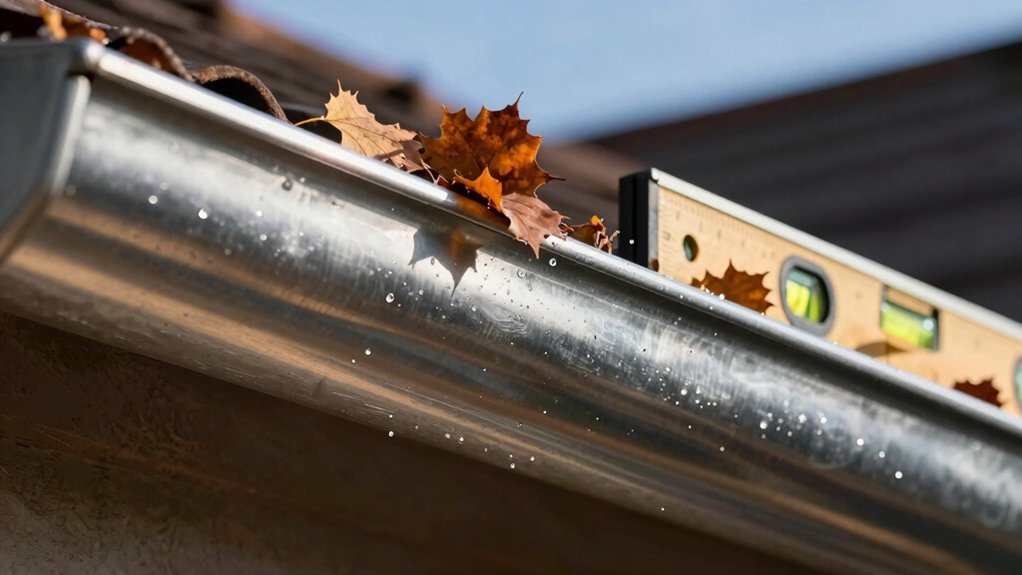
Gutters protect your home by directing rainwater away from the roof and foundation, preventing leaks, soil erosion, and structural damage. Proper gutter design channels water efficiently, reducing streaks, staining, and basement dampness.
When leaves and debris accumulate, you’ll see clogs that force water over the edge, risking fascia rot and landscaping damage. Regular maintenance isn’t optional: it preserves shingles, prevents ice dams, and minimizes costly repairs.
Your gutters also protect siding by keeping moisture away from walls, preserving paint and finish. A thoughtful gutter design includes appropriate downspouts, proper slope, and sufficient capacity for your roof area, so rainfall exits quickly.
In short, effective gutters shield your home, safeguard your foundation, and contribute to long-term structural health. Leaf accumulation is the enemy you must mitigate, promptly and consistently.
Tools and Supplies for Easy Gutter Cleaning
To tackle gutter cleaning efficiently, start with the right tools and supplies. You’ll want sturdy gloves, a sturdy bucket, a lightweight extension ladder (if safe and appropriate), a trowel or scoop, a scoop-on-a-stick, and a telescoping gutter cleaner for debris removal.
Use a leaf blower with care for loose deposits not near delicate shingles. A gutter shield can reduce future buildup, so evaluate installation if clogged frequently. Keep a garden hose with a spray nozzle for flushing out remaining sediment and checking flow.
Sealants and clamps help secure loose sections after cleaning. Don’t forget cleaning gloves to protect your hands from sharp-edged debris. Store tools in a ready-to-grab bin and label accessories for quick setup.
Prioritize efficiency, safety, and a clean, functional gutter line.
Safe Setup: Ladders, Gear, and Prep
Safe setup starts with stable footing and ready gear. Before you climb, inspect your ladder for cracks, bent rungs, and loose hardware. Choose a ladder that reaches at least three feet above the gutter line and set it on firm, level ground. Use ladder stabilizers or a helper to prevent feet from sinking in soft soil.
Wear protective gear, including gloves and non-slip footwear, and keep your hands free for climbing. Keep your tool bucket close but not on the ladder, and use a belt or tether for tools to avoid drops.
Maintain three points of contact at all times and never reach beyond the ladder’s side rails. Remember ladder safety and protective gear are non-negotiables for a safe setup.
Step-by-Step Gutter Cleaning Process
First, grab your tools and start at the downspout, removing large debris by hand or with a small scoop. Move along the gutter, dislodging clumps with your trowel or gloved hand, then flush with a hose to check flow.
Use a funnel to guide runoff if sections look blocked. Remove stubborn deposits from corners with a stiff brush, then recheck drainage.
After clearing, inspect the gutter interior for scratches or loosened hangers, tightening as needed. Rinse again to guarantee residual matter is carried away, and wipe the exterior to prevent staining.
Consider gutter aesthetics when reassembling: tuck clips neatly and align seams. Finally, assess landscaping integration—ensure nearby beds and roots won’t direct debris back into the system.
Schedule regular cleanings to maintain performance.
Common Gutter Problems to Watch For
You’ll want to spot debris buildup early, since clogs mute flow and invite leaks. Watch for water damage warning signs, like staining, mushy fascia, or ceiling spots, which signal hidden gutter issues.
If you notice these indicators, address them promptly to protect your home and maintain efficient drainage.
Debris Buildup Indicators
Debris buildup is one of the clearest signs your gutters aren’t doing their job. When you inspect, watch for obvious leaf accumulation that clogs downspouts and slows drainage. Pockets of debris can create standing water, inviting rust and sagging seams.
More subtle indicators include roof shingles depositing grit, and mortar specks from nearby masonry that accelerate blockages. If you notice pests or pest activity near gutters, that’s a red flag, since pests infest clogged channels seeking shelter or nesting sites.
You should also check for foul smells, which often point to wet, decomposing matter trapped in the trough. Clear, deliberate cleaning prevents overflow, ice build-up, and potential fascia damage, preserving your gutter system’s effectiveness through seasonal changes.
Water Damage Warning Signs
Water damage often shows up long after the gutters fail to move water away. You’ll notice warped siding, peeling paint, and stained fascia when leaks persist.
Check for soft, spongy decking or damp insulation—these signal water intrusion near the roofline. Inside, look for obvious mold growth, musty odors, or bubbling wallpaper tied to chronic moisture.
Exterior clues include rust spots on metal components and flaking sealant around joints. Leaf accumulation can trap water, forcing overflows that saturate sheathing and cause rot.
Watch for shifting gutters or downspouts that pull away from the house; misalignment concentrates water where it’s least expected.
Address issues promptly; timely repair prevents costly structural damage and preserves your home’s value.
Quick Maintenance Routine and When to Hire a Pro
You’ll keep gutters flowing smoothly by a quick, practical routine: snag debris after storms, check for loose hangers, and flush with water to verify proper drainage.
If you spot persistent leaks, sagging sections, or widespread clogs, it’s time to call a pro rather than strain your schedule or safety.
This topic covers simple maintenance steps you can handle now and clear guidelines for when professional help is the safer, smarter choice.
Quick Maintenance Steps
To keep gutters flowing smoothly, follow a quick maintenance routine you can do in under 15 minutes. Inspect from ground level or ladder for loose fasteners, bent hangers, and obvious damage.
Clear debris with a plastic scoop or gloved hand, working from the downspout to the edge. Rinse with a garden hose to verify proper flow, dislodging clogs at the outlet.
Trim nearby overgrowth that shields the gutter, preventing future buildup. Consider seasonal cleaning tips like adjusting frequency based on tree cover and weather, and resealing joints if you notice leaks.
If you struggle with accessibility, plan ahead for Gutter guard installation or hire guidance only for repairs beyond basic maintenance. This routine keeps your system efficient and ready for rains.
When To Hire A Pro
If DIY maintenance is getting too risky or time-consuming, it’s time to hire a pro rather than pushing through a questionable fix. You’ll know it’s time when safety concerns, unfamiliar roof angles, or persistent leaks show up, not just momentary grime.
A pro can prevent costly mistakes with a thorough roof inspection and precise gutter installation, saving you stress in the long run.
- Assess risk and schedule a visit promptly
- Expect a professional roof inspection and ladder safety checks
- Confirm expertise in gutter installation and system compatibility
- Get a clear, written plan with timelines and warranties
Choosing a pro keeps you covered, minimizes disruption, and guarantees reliable drainage.
Conclusion
Gutters protect your home, protect your foundation, protect your wallet. Clean them regularly, inspect them closely, and maintain them consistently. You’ll save time, save money, and save headaches by sticking to a simple routine. Keep debris out, keep water flowing, and keep pests out with smart, safe practices. Stay prepared, stay proactive, stay persistent. When in doubt, consult a pro, schedule a check, and refine your process. With care, your gutters stay strong, your home stays dry, your peace stays intact.