
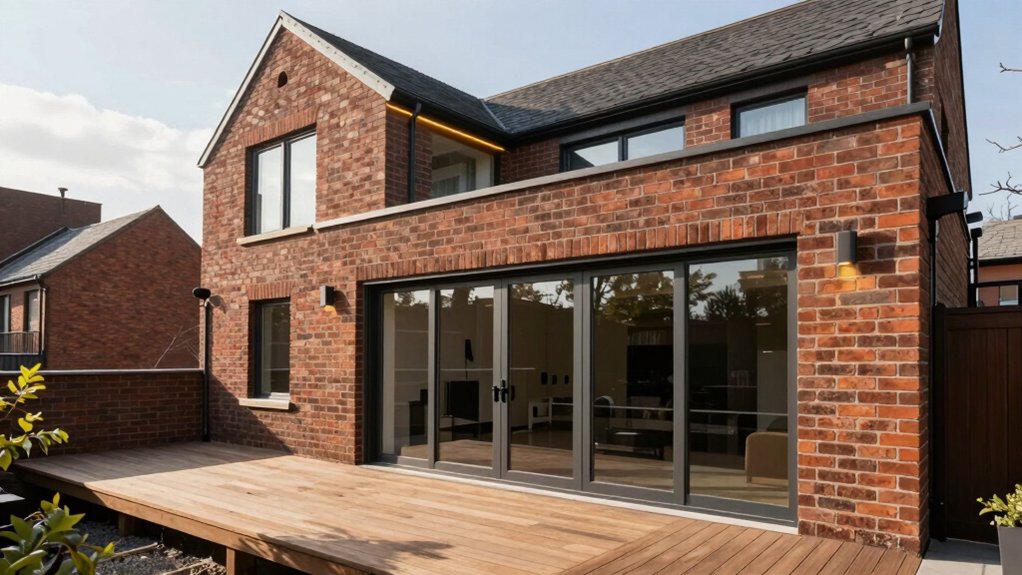
Think of your home as a toolkit, where extensions add ground-floor space and loft conversions reveal the roofline’s potential. You weigh costs, planning steps, and timeframes, then map how each option reshapes daily life. You’ll want reliable project partners and a clear path to a final layout, but a decisive choice hinges on your budget and layout constraints. There’s more to consider before you commit, and the best route may hinge on what you value most in your home’s future.
Costs Compared: Extensions Vs Loft Conversions
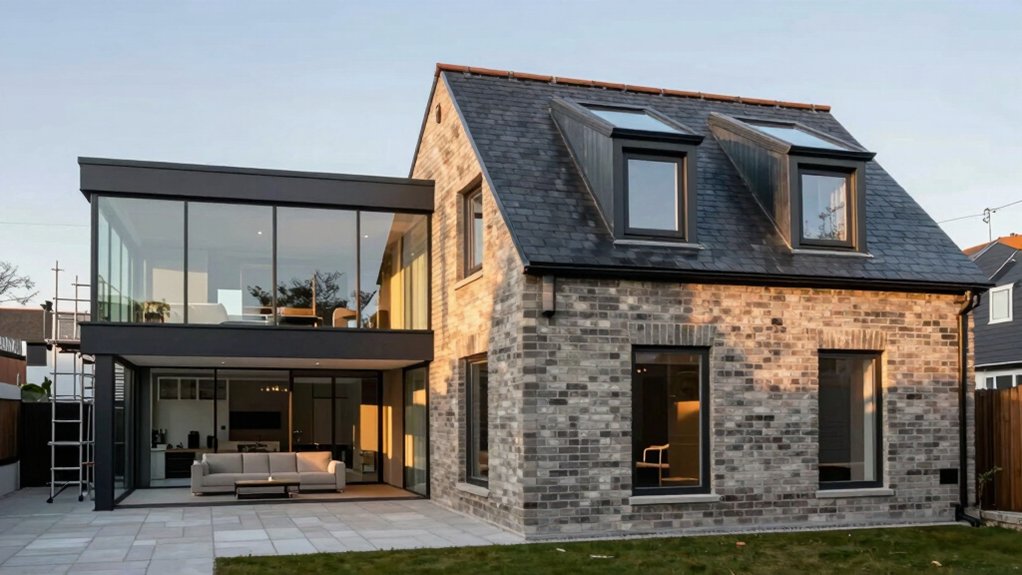
When weighing costs, extensions typically top loft conversions, but the exact numbers depend on your project scope and site conditions.
In a cost comparison, you’ll evaluate structural work, materials, labor, and finishes for both options.
An extension generally incurs foundation, walls, roofing, insulation, windows, and potentially utilities, with price ranges tied to square footage and complexity.
A loft conversion often costs less upfront, yet may require roof alterations, skylights, stairs, and moisture-proofing.
Consider disruption, planning, and access constraints that affect expense analysis.
Factor long‑term value, resale impact, and energy efficiency into your assessment.
Gather itemized estimates from trades, compare contingencies, and align the figures with your budget and timeline.
This collaboration yields a clear, actionable expense analysis.
Planning Permissions and Approvals
To start, you’ll want a clear grasp of Planning Permission basics and what approvals timelines look like, so you can plan realistically.
We’ll map out who you need to notify, what documents to prepare, and typical wait times, keeping you on track.
With that foundation, we’ll identify practical steps to move from idea to approval efficiently.
Planning Permission Basics
Planning permission is a key hurdle when adding space, and getting it right starts with understanding what counts as permitted development versus what needs formal approval. You’ll assess your project against local rules, noting that some extensions fall under permitted development, while others require a formal application.
Start by clarifying the footprint, height, and proximity to boundaries, then check if the work triggers restrictions or requires design changes. If in doubt, consult your planning authority early and document design justifications.
You’ll also consider Building materials and how they affect appearance, scale, and compliance. Building regulations, not planning, often governs structural safety, ventilation, and energy efficiency, so plan for inspections and certifications alongside approvals.
Collaborate with a builder or planner to align permissions with practical construction.
Approvals Timeline Essentials
Now that you’ve mapped out permitted development options, you’ll want a clear approvals timeline for planning permissions and related approvals. Your next step is to chart where approvals sit in sequence: planning permission, building control, party wall or neighbor notices if required, and any environmental or heritage considerations.
Expect decisions to take weeks, not days, and plan buffers for potential questions or requests for amendments. Gather your plans, specs, and supporting documents upfront to reduce back-and-forth. Track milestones for submission, validation, and determination, plus any post-determination conditions you must meet.
Consider contingencies for construction delays and permit extensions, and build in review dates with your team. Clear communication minimizes delays and aligns approvals with your project schedule.
Timeframes From Start to Finish
If you’re weighing home extensions versus loft conversions, timeframes from start to finish hinge on scope, permitting, and trades coordination. You’ll map milestones early, locking in design options and a realistic sequence from foundation to finishing touches.
Expect planning to consume weeks, plus council approvals or permitted development checks that can add time if revisions occur.
Construction phases follow: site prep, structural work, services, insulation, and fit-out, with windows and doors prompting weather-aware scheduling.
Coordinating electricians, plumbers, carpenters, and plasterers reduces delays, so confirm lead times and access windows upfront.
Build-out durations depend on scope; small extensions run faster than multi-room enlargements.
Track progress against a detailed schedule, and build in buffers for inspections or weather.
Cost comparison and design options should stay visible to prevent drift.
Space Gain: How Much Do You Really Get?
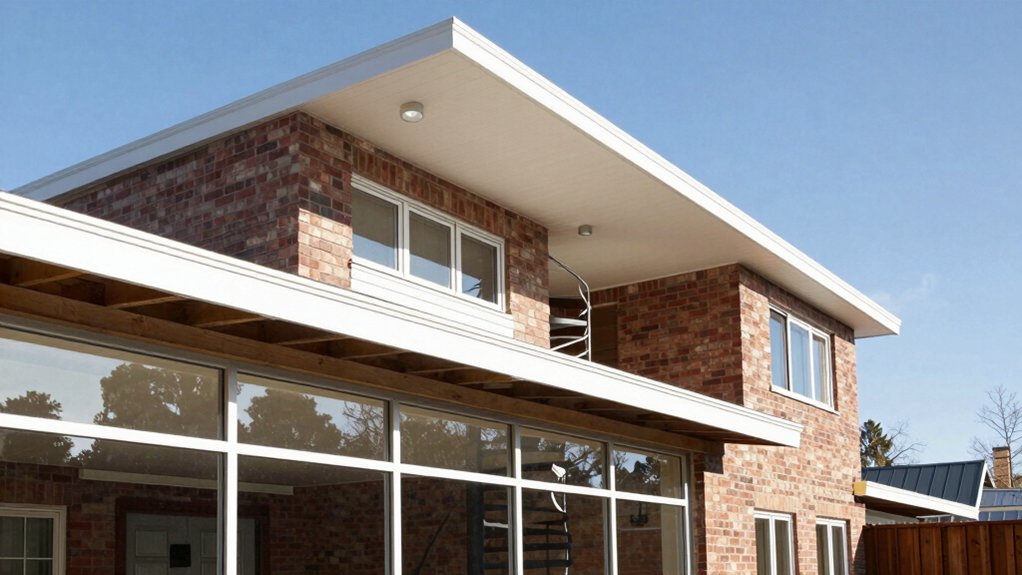
When you weigh a loft versus an extension, you’ll compare measured space gain and floor area efficiency to see which yields more usable room for your needs.
We’ll look at how lofts typically offer high yield in height but less usable footprint, while extensions add flat, adaptable space with straightforward access.
Let’s assess the trade-offs together—consider your target rooms, ceilings, and future layout to determine the true gain you’ll notice.
Loft Vs Extension Yield
Loft conversions often deliver a faster, more cost-effective space boost than extensions, but the total yield hinges on your roof structure, ceiling height, and how you use the new room.
When evaluating loft vs extension yield, you focus on practical outcomes over theory. A loft can maximize floor area without widening your footprint, enhancing usable space with minimal disruption.
Extensions may offer larger absolute rooms or seamless flow to existing spaces, depending on layout and planning constraints.
Your decision hinges on a clear cost comparison and how you prioritize space optimization: speed and cost, or footprint growth and function.
Plan for structural limits, insulation, and access to ensure the finished area genuinely adds value and serves your daily needs.
Measured Space Gain
You’ll quantify what each option adds by measuring usable floor area, headroom, and access, not just total footprint. Measured Space Gain focuses on practical usability, not abstract size.
In a home extension, you’ll see how much floor area translates to real rooms, circulation, and storage, and how head height changes your layout options. In a loft conversion, consider how stairs, landing space, and roof slope affect usable space.
Avoid counting unusable corners or sloped zones as full area. Compare how each choice fits your daily routines, furniture, and future needs.
Use a clear cost comparison to balance added value against investment, and track the planning process to ensure measurements reflect live constraints, approvals, and service routes.
Finalise decisions with precise, actionable data.
Floor Area Efficiency
Floor area efficiency translates measured space into real usable rooms and movement. You’ll assess how much usable floor area ramps up with each option, not just total square footage.
In a loft conversion, you often gain lighter, more open layouts, but stairs and reduced headroom can eat into flow. An extension yields predictable space, yet extensions may push the footprint and targets for adjoining rooms.
You’ll want to compare how many rooms, storage, and circulation you actually get per square meter. This matters for daily usability and future changes.
Use the planning process to map intended functions, then measure potential gains against costs. Cost comparison and planning process determine whether the space you gain truly supports your family’s routines.
Impact on Ground Floor Living Space
A home extension can immediately expand your ground floor living space, creating a more open, connected flow between rooms and outdoors. You’ll gain an improved lounge-dining kitchen dialogue, with fewer walls interrupting circulation and natural light weaving through.
This change boosts usable area for daily routines, entertaining, and family zones, while preserving strong access to the garden. Consider placement to optimize garden privacy, ensuring sightlines from seating areas remain intimate yet airy.
Roof insulation plays a key role: it stabilizes temperatures, reduces drafts, and cuts energy costs without enlarging the footprint.
Be mindful of alignment with existing structures to avoid cluttered corridors or awkward progressions. Plan precise door locations, window sizing, and storage to maximize efficiency and maintain a coherent ground-floor footprint.
Impact on First Floor and Headroom
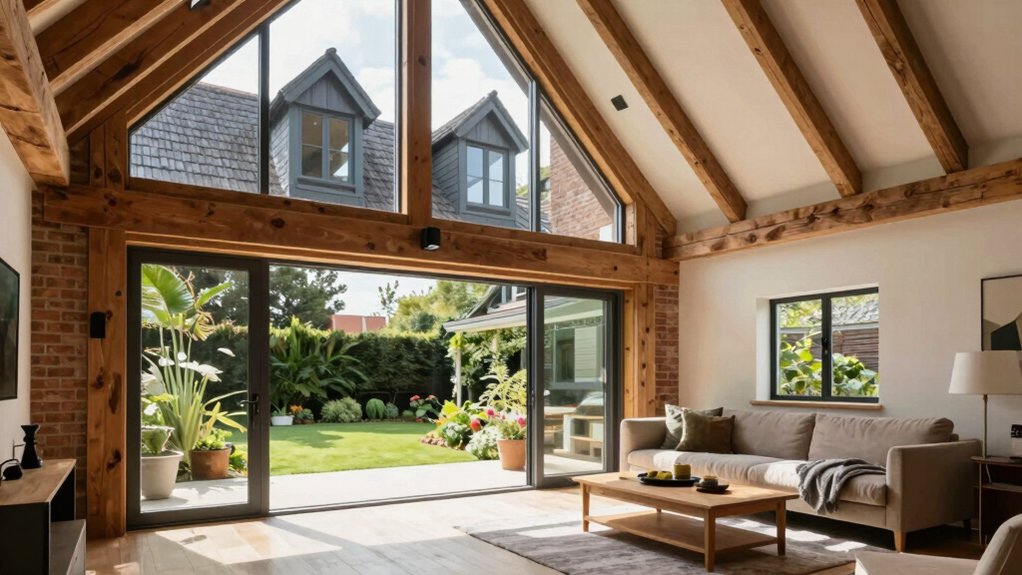
When you add a first-floor extension or convert loft space, headroom and stair access become the critical constraints to manage. You’ll assess available ceiling height, floor-to-floor dimensions, and any required landing space early, so changes don’t derail your timetable.
Plan for headroom clarity in every decision: door heights, stair slope, and potential mezzanine steps should fit within building regs and feel comfortable to use daily. Consider impact on structural layouts, plumbing risers, and insulating the joist cavity without sacrificing headroom.
The goal is a practical flow that preserves usable space and safe circulation, minimizing awkward steps or low ceilings. Your approach should document constraints, confirm achievable clearances, and keep communication tight among designers, builders, and you.
This yields a clear, efficient first floor impact.
Design Flexibility and Aesthetic Integration
You can achieve design flexibility by prioritizing harmonious exterior integration and ensuring your extension or loft echoes your home’s existing materials, rhythm, and scale.
Align interior-exterior flow so passageways feel seamless, guiding movement and light between spaces.
Start with practical choices that support cohesive aesthetics and adaptable layouts, inviting collaboration with your team to refine details.
Harmonious Exterior Integration
Harmonious exterior integration hinges on design flexibility and aesthetic alignment with your existing home, ensuring extensions or loft conversions feel native rather than added on. You shape the look by choosing proportions, rooflines, and details that echo the original architecture while addressing current needs.
Start with flexible layouts that accommodate future changes without breaking the facade. Consider exterior materials and finish consistency so textures and tones read as one composition, not a patchwork.
Weigh massing, window rhythm, and eave lines to maintain harmony from street to garden. Plan for garden privacy by placing screenings or permeable borders that blend with the exterior.
Prioritize durable, low-maintenance choices and clearly defined lines between old and new that still feel cohesive.
Interior-Exterior Flow Alignment
Interior-exterior flow alignment means ensuring paths, sightlines, and scales connect seamlessly from inside to outside. You assess how you move through spaces, making certain doorways, corridors, and stairs don’t disrupt views or rhythms.
In practice, you align architectural lines and material palettes so exterior aesthetics echo interior design, creating a cohesive experience. Consider sightlines from living areas toward patios or gardens and make certain furniture placement supports natural transitions without clutter.
You optimize openings, glazing, and thresholds to minimize friction when shifting between zones, preserving daylight and views. You factor climate, acoustics, and flexibility, allowing spaces to adapt for entertaining, work, or family life.
Collaboration with builders, designers, and landscapers delivers a unified result that feels intentional and livable.
Structural Requirements and Feasibility
Structural requirements determine what’s feasible, so start by evaluating load paths, foundations, and ceiling heights before planning any extension or loft conversion. You’ll want a clear sense of structural integrity early, so map how each element transfers weight through walls, floors, and beams.
Foundation requirements set the baseline for stability; assess soil conditions, footing size, and potential settlement risks so you don’t overestimate usable space. Consider load bearing capacity of existing structures—draft a plan that confirms if existing framing can support added loads or if reinforcements are needed.
Clarity on these limits guides design choices, helps avoid costly oversights, and keeps permits achievable. Collaborate with a structural engineer to confirm calculations and document compliance before you commit to any structural work.
Disruption and Convenience During Construction
You’ll feel the impact of on-site noise and dust, so plan early for protections and timing.
Access and scheduling delays hinge on clear coordination with the team and any neighbor considerations.
Let’s map practical steps now to minimize disruption and keep the project moving smoothly.
On-site Noise & Dust
On-site noise and dust during construction can disrupt daily routines, but with clear planning you can minimize the impact. You’ll notice shorter peak periods if you agree a schedule with your contractor and establish quiet windows for essential tasks.
Use sound insulation where possible to reduce transmission between rooms and outside spaces, and confirm what materials and methods minimize vibration. Communicate build phases upfront so you’re aware when heavy machinery runs and when dust containment measures are in place.
Keep access clear, protect sensitive areas with temporary barriers, and seal doors to curb dust spread. Regular site briefings help everyone stay aligned, address complaints quickly, and preserve momentum without sacrificing safety or quality.
Your proactive approach sustains progress while preserving daily life.
Access & Scheduling Delays
Access and scheduling can be the backbone of a smooth project, so set clear access routes and timing from day one. You’ll reduce disruption by mapping entry points for trades, deliveries, and waste removal, and by confirming any restrictions with neighbours or authorities.
Anticipate access challenges early—think level thresholds, doorway widths, scaffold zones, and vehicle turnarounds—so you can adjust plans before work starts.
Build a realistic schedule that aligns trades, permits, and weather windows, and share it with everyone involved to minimize miscommunications. Regular, brief check-ins help you catch scheduling bottlenecks before they cascade into delays.
Keep buffer time modest but present for critical tasks, and document changes promptly to preserve momentum and collaboration.
Thermal Performance and Energy Efficiency
Thermal performance and energy efficiency are central when comparing home extensions to loft conversions. You’ll feel the impact in heating and cooling needs, comfort, and ongoing costs.
Start with insulation quality: for extensions, guarantee continuous thermal insulation across walls, floors, and roof, and seal joints to minimize gaps. Loft conversions should maximize existing roof insulation, add breathable membranes, and install loft doors with proper sealing.
Consider thermal bridging at junctions where new structures meet old, and favor airtight construction with controlled ventilation to avoid drafts.
Prioritize energy savings by selecting high-performance glazing, efficient boilers, and radiators sized for the remodeled space.
Plan a balanced approach: improve insulation first, then optimize selection of heating and cooling, to maintain predictable, long-term energy use.
Light and Privacy Considerations
Light and privacy are key considerations when planning either a home extension or a loft conversion. You’ll want layouts that maximize natural lighting without sacrificing comfort. Consider window placement, glazing choices, and orientation to boost natural lighting while keeping glare under control.
Where privacy matters, opt for high or shaded windows, frosted panes, or strategically positioned skylights that bring light in without inviting onlookers. Use glazing with good sound and heat performance to maintain a calm, private interior.
In shared or dense plots, implement secondary glazing or internal screens to preserve privacy from neighboring views. Balance light with usability: ensure circulation, storage, and task areas aren’t compromised by oversized or awkward window openings.
Collaborate with your designer to harmonize daylight, privacy, and practical comfort.
Resale Value and Market Appeal
When you’re weighing a home extension or loft conversion, resale value and market appeal should frame your decisions from the start. You’ll want designs that feel cohesive with your home’s architecture because buyers notice harmony and flow.
Focus on practical improvements—natural light, storage, and usable space—that create a broad appeal beyond niche needs. A clearly defined plan, budget discipline, and finish quality matter more than flashy features; they signal reliability and value.
Consider the potential resale boost from well‑chosen materials and compliant layouts that maximize living areas without compromising functionality. Market appeal rises when rooms read as bright, connected, and versatile, not gimmicks.
In short, align your project with broad buyer expectations, document upgrades, and prioritize lasting appeal to drive higher offers.
Maintenance and Longevity
Regular upkeep is essential to protect the value and usefulness of your extension or loft conversion, so set a straightforward maintenance plan from day one. You’ll benefit from routine inspections, seasonal checks, and timely repairs that prevent small issues from becoming costly problems.
Prioritize weatherproofing, drainage, and ventilation to preserve structural integrity and occupant comfort. Record maintenance tasks and dates to track durability over time.
Material durability matters: choose robust finishes and durable fittings, and recoat or reseal as recommended to avoid early wear. Match products to their environment for consistent performance and ease of future upkeep.
Focus on aesthetic consistency as you refresh surfaces, ensuring colors, textures, and hardware stay cohesive. A collaborative approach with tradespeople keeps tasks clear, costs predictable, and longevity achievable.
When an Extension Makes More Sense
There are times when extending your home simply makes more sense than converting a loft: if you need substantial extra living space, want a footprint on the ground floor for accessibility, or prioritize easy integration with existing rooms, an extension can deliver immediate, daylight-filled rooms and better layouts.
You’ll gain a predictable layout and fewer stairs, which benefits families and daily use. A cost comparison often favors extensions when ground-floor usability or adjoining facilities matter.
The planning process for extensions can be straightforward, with clear alignment to existing elevations and rooms. Consider structural implications, drainage, and entrances early, so you’re not surprised.
In many projects, collaboration with designers and builders accelerates decisions, saving time and avoiding rework later.
Practical Steps to Start Your Project
To start your project, outline clear objectives and constraints first: determine your budget, timeline, and the specific spaces you need, then map them against your existing floor plan.
You’ll then identify legal requirements, permissions, and any structural limits so you don’t stall later.
Next, assemble a core team: a designer, builder, and surveyor who align with your objectives and budget.
Create a phased plan with milestones, decision points, and risk buffers, so you stay on track.
Specify decorative finishes early to guide material choices and style direction, ensuring consistency across phases.
Evaluate landscaping options to integrate exterior flow with interior access.
Maintain open communication, document decisions, and adjust plans as needed to avoid scope creep and delays.
Close with a practical checklist and a clear execution timeline.
Frequently Asked Questions
Can Extensions Affect Neighboring Property Rights or Matchline Rules?
Extensions can affect neighboring property rights and matchline rules if they cross boundaries or encroach on rights of way. You should verify property boundaries, respect legal setbacks, and coordinate with neighbors to protect shared access and rights of way.
Which Option Offers Greater Roof-To-Ceiling Height Potential?
Loft conversions typically offer greater roof-to-ceiling height potential, since you can preserve more usable space under the existing roof. Roof height and ceiling potential improve with careful design, clearance, and restrained slope, guiding collaborative planning and practical decisions.
Do Loft Conversions Require Planning Bonuses for Eaves Storage?
No, loft conversions don’t inherently require planning bonuses for eaves storage. You’ll need planning permissions and building regs compliance; eaves storage may influence design. Work with your team to maximise space while meeting planning requirements and deadlines.
How Do Noise and Acoustics Compare Long-Term Between Options?
You’ll notice long-term noise varies: loft conversions typically improve sound insulation in bedrooms, while extensions risk more transmission between rooms. Prioritize acoustic treatment and seal gaps; choose airtight construction and decoupled floors for best, collaborative sound control.
Are There Grants or Grants for Energy Upgrades With Extensions or Lofts?
Yes, you can access energy efficiency grants or government incentives for extensions or lofts. You’ll need to check current programs, like EPC-linked subsidies, and apply through approved schemes; we’ll compare eligibility and maximize your energy efficiency benefits together.
Conclusion
So there you are, weighing costs, permissions, and time like a sane person, right? Extensions demand space, planning, and patience; loft conversions demand roof-cred and clever headroom. The irony? Both add value, but neither arrives by magic. You’ll trade disruption for square footage or squeeze more life into your attic. Decide what your home truly needs, map a realistic timeline, and partner with pros. In the end, thoughtful planning beats impulse every single time.