
You’ll want to know if trendy buzz really translates to lasting value when you’re renovating. The truth is, trends that prioritize sustainability, flexibility, and smart basics tend to pay off in everyday use—not just in photos. If you build with durable materials, modular layouts, and low-maintenance finishes, you’ll gain a home that adapts as your needs change. Curious how to pin down what matters most without overhauling later? Let’s focus on what actually sticks.
Sustainable Materials for Everyday Living
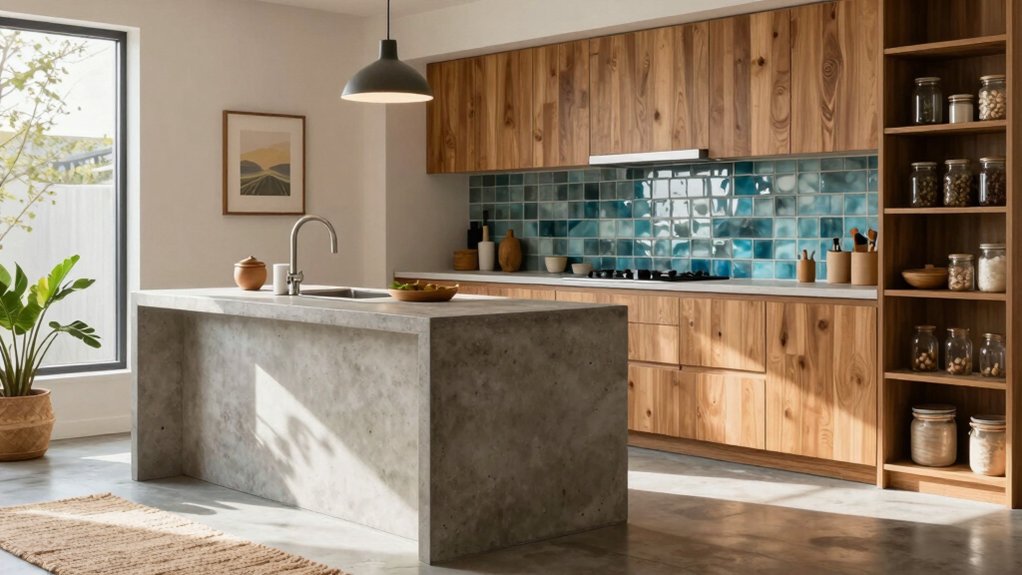
Sustainable materials for everyday living aren’t a niche trend; they’re a practical foundation for durable, healthier homes. You’ll see value when you choose eco friendly fabrics for upholstery and garments, prioritizing low emissions, natural fibers, and responsibly sourced dyes. These materials weather daily use while reducing indoor pollutants, helping you breathe easier in shared spaces.
For surfaces, recycled countertops offer striking designs without extracting new minerals, cutting waste and supporting circular economies. Pair them with durable finishes and proper sealing to extend life and minimize maintenance.
Consider insulation made from recycled materials and sustainably sourced wood alternatives to lower your carbon footprint. By prioritizing transparency—certifications, lifecycle data, and regional supply—you gain reliability, cost predictability, and real resilience, turning trends into lasting performance.
Flexible Room Layouts That Adapt With You
Flexible space planning helps you reconfigure rooms as your needs shift, making everyday living more efficient.
Movable wall concepts give you instant privacy or open sightlines without full renovations, so you can adapt on a whim.
Multi-use zones maximize small footprints by pairing functions—think work, rest, and play—within a single, flexible layout.
Flexible Space Planning
Ever wish a room could adapt to your needs as they change? Flexible space planning makes that possible by prioritizing scalable layouts over fixed boxes.
Start with a clear zone map: living, work, and guest areas can share zones when needed, then separate with purposefully placed furniture.
Use movable partitions and adaptable furniture to shift function without sacrilege to flow.
Design around proportional shelves, foldaway desks, and nesting tables that stow light and reclaim floor space.
Prioritize electrical and data access near flexible zones so changes don’t require rewiring.
Favor neutral finishes with a few bold accents to ease reconfiguration.
Movable Wall Concepts
Movable walls offer a straightforward path to truly adaptable interiors. When you rethink layout, you gain instant flexibility without a full remodel. Partition walls can define zones for work, recreation, or guests, while preserving light and flow.
You’ll benefit from modular systems that slide, hinge, or fold, letting you open or close spaces in seconds. Movable screens add privacy without sacrificing airiness, and they’re easy to reposition as your life evolves.
Choose materials that suppress sound where needed, yet remain visually cohesive with your existing palette. Installation should consider track alignment, edge detailing, and ceiling height so operation feels effortless.
Maintenance stays minimal with smooth hardware and wipe-clean finishes. In practice, these concepts empower you to adapt rooms to changing routines, budgets, and needs.
Multi-Use Zones
With movable walls setting up adaptable zones, you can now design spaces that morph to your daily needs. Multi-use zones let you switch from workday focus to family time without moving furniture.
You’ll create designated zones for study, meals, and lounging, each clearly defined yet effortlessly connected. Use visual separation—slightly different finishes, lighting, or color accents—to preserve flow while signaling purpose.
Invest in flexible furniture: fold-down desks, modular seating, and extendable tables that scale with activity. Prioritize acoustics and lighting controls so noise and glare don’t spill between zones.
Keep circulation clear, so progression feels intentional, not crowded. Regularly reassess layouts as routines shift, ensuring your spaces adapt without tearing down walls.
In practice, this approach combines efficiency with comfort, delivering lasting value.
Low-Maintenance Design That Keeps up
Low-maintenance design isn’t about skimping on style; it’s about choosing durable materials and smart layouts that stay fresh with less effort. You’ll prioritize surfaces you can wipe clean and resist staining, so upkeep stays predictable, not exhausting.
Start with plant based materials where feasible, selecting finishes that age gracefully and don’t demand frequent refinishing. In living spaces, opt for low maintenance fabrics that resist pilling and fading, keeping sofas and chairs looking new longer.
Kitchen and bath choices should emphasize water resistance and easy cleaning, with hidden storage to reduce clutter and effort. Lighting should be practical, energy-efficient, and low-maintenance.
Finally, plan for durability over novelty, so your home remains stylish while lessening the day-to-day workload.
Smart Home Basics for Real-Life Use
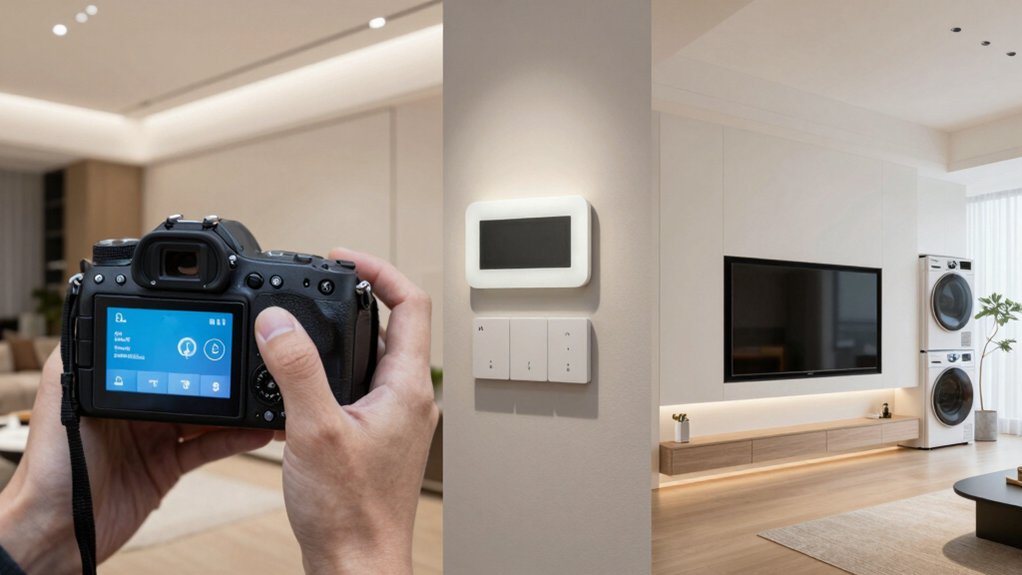
Smart home basics aren’t about gadgets for gadget’s sake; they’re about practical automation that enhances everyday living without adding complexity. You’ll get real value when you focus on reliability, not novelty.
Start with a simple hub or compatible devices to coordinate routines, like lights, thermostats, and shades. Use voice control for routine tasks, but keep critical commands on secure, dedicated controls to minimize errors.
Prioritize energy savings by scheduling HVAC changes during off-peak hours and leveraging occupancy sensors.
Security systems should be straightforward: a monitored camera setup, door sensors, and a robust Wi‑Fi backbone.
Test automation scenarios until they’re predictable, not flashy. With clear boundaries, you create a smarter home that reduces effort while preserving privacy and control.
Timeless Color Palettes and Finishes
Soft neutrals keep spaces calm and timeless. Warm wood adds natural texture that ages gracefully with you. Pairing with timeless metallic accents lets hardware and fixtures feel elevated without shouting, keeping the look cohesive.
Consider these elements as a starting framework to build rooms that stay fresh year after year.
Soft Neutrals, Warm Wood
Soft neutrals and warm wood create a timeless backdrop that anchors any renovation, balancing brightness with natural warmth. You’ll find this pairing quietly elevates spaces without shouting for attention, letting architectural details shine.
Choose warm-leaning woods like maple, oak, or walnut for cabinetry, floors, or trim, and pair them with soft neutrals—creams, taupes, and greiges—that reflect natural light. The result is cohesive simplicity that ages well.
Prioritize texture to keep surfaces engaging: textured fabrics in seating and window treatments add depth, while matte finishes on doors and hardware prevent reflections from overpowering the palette.
Keep lighting soft and layered, combining ambient, task, and accent sources to avoid flatness. This approach supports a calm, versatile canvas you can evolve with ease.
Timeless Metallic Accents
Have you considered how timeless metallic accents can elevate a neutral backdrop without shouting for attention? When you choose metals thoughtfully, you create cohesion across rooms without overloading the palette.
Start with finishes that pair well with your existing tones—brushed nickel or satin brass often read modern without feeling cold, while aged bronze adds warmth and depth.
Implement a restrained approach: limit distinct metals to two or three throughout to avoid a busy scene. Introduce luxury fixtures as anchor pieces—kitchen faucets, lighting, and hardware that reflect light and texture.
For longevity, mix in vintage hardware to add character without dated looks. Balance sheen with matte surfaces to prevent glare, and maintain clean lines for timeless appeal that ages gracefully.
Energy-Efficient Upgrades With Visible Impact
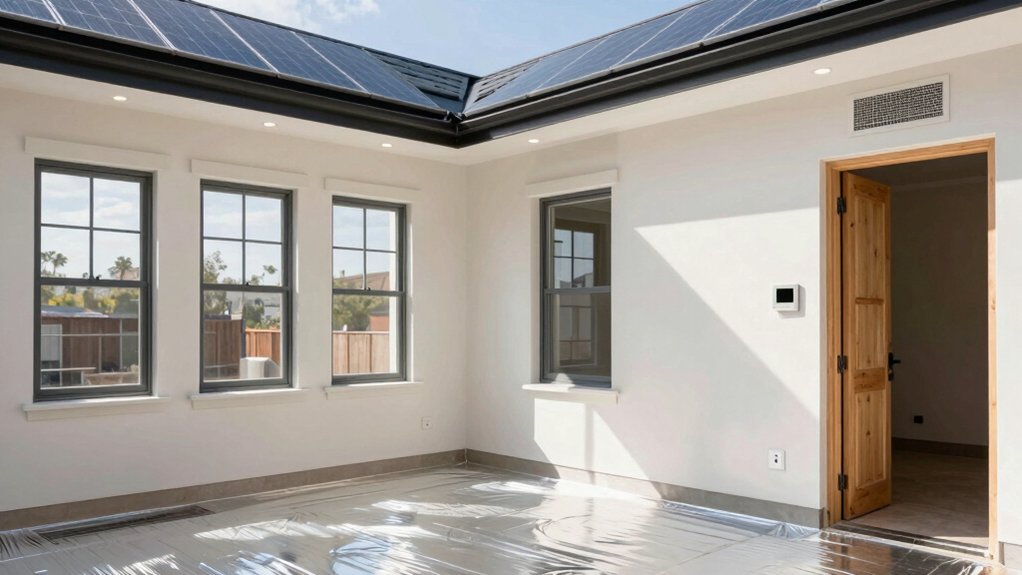
Investing in energy-efficient upgrades delivers visible results you can feel every day. You’ll notice tighter rooms, steadier temperatures, and lower utility bills after a few weeks.
Start with a thorough energy audit to identify the best payback paths and avoid guesswork.
Small fixes add up: sealing drafts around doors and windows, upgrading insulation, and upgrading HVAC components can dramatically reduce waste.
Consider solar panels if your roof and sun exposure justify the upfront cost, since they shift expenses from monthly bills to longer-term asset value.
Pick high-efficiency appliances and LED lighting to extend the impact without complicating your routines.
Track progress with simple before/after measurements to prove value and guide future improvements.
Budget-Smart Renovation Tactics
Budget-smart renovations start with a clear, prioritized plan that aligns costs with measurable gains. You map goals to budgets, then track milestones to prevent scope creep.
Begin with high-impact fixes—lighting, insulation, and smart storage—that improve comfort without overhauling every room. Prioritize cost-effective DIY where feasible; painting, hardware updates, and streamlined organizers deliver noticeable results at little expense.
When you buy materials, compare price-per-use and choose durable, timeless options to maximize return. Use budget-friendly decor strategically: small accents and repeat colors unify spaces without costly overhauls.
Schedule trades for only essential tasks and batch purchases to avoid staggered costs. Finally, set a review cadence to evaluate ROI after each phase, ensuring your renovations stay affordable, purposeful, and impactful.
Outdoor-Indoor Flow That Expands Your Space
A seamless outdoor-indoor flow begins with intentional thresholds that invite movement while preserving interior comfort. Think expansive doorways, aligned floor heights, and a unified palette that blurs edges between rooms. You design passages that feel invisible, so natural light and airflow stitch spaces together.
Use garden lighting to extend usability after dark and highlight architectural cues, not overpower them. Choose outdoor furniture with weather-ready materials that mirror indoor comfort, so seating invites lingering and conversation.
Plan zones that function as one room: a covered patio aligned with the kitchen, a seamless threshold to a dining nook, and greens or vertical plantings that soften the perimeter. Maintain scale, line, and rhythm across indoors and out to expand your usable space without sacrificing cohesion.
Practical Storage Solutions Without Clutter
Smart storage should disappear into your home’s design, not compete with it; start by defining a few high-use zones and choosing solutions that fit those needs without crowding.
In kitchens, entryways, and home offices, prioritize hidden storage that stays out of sight yet accessible. Think pull-out trays, recessed shelves, and ottomans with lids that double as seating.
In living areas, opt for furniture with built-in compartments and lift-top surfaces to keep surfaces clear.
For laundry and utility spaces, use vertical organizers and labeled bins to sustain clutter control.
Embrace modular systems that adapt to evolving needs, rather than bulky, single-purpose units.
Invest in quality hardware and soft-close mechanisms to reduce friction.
With disciplined zoning and smart integration, you’ll maintain calm, functional spaces.