
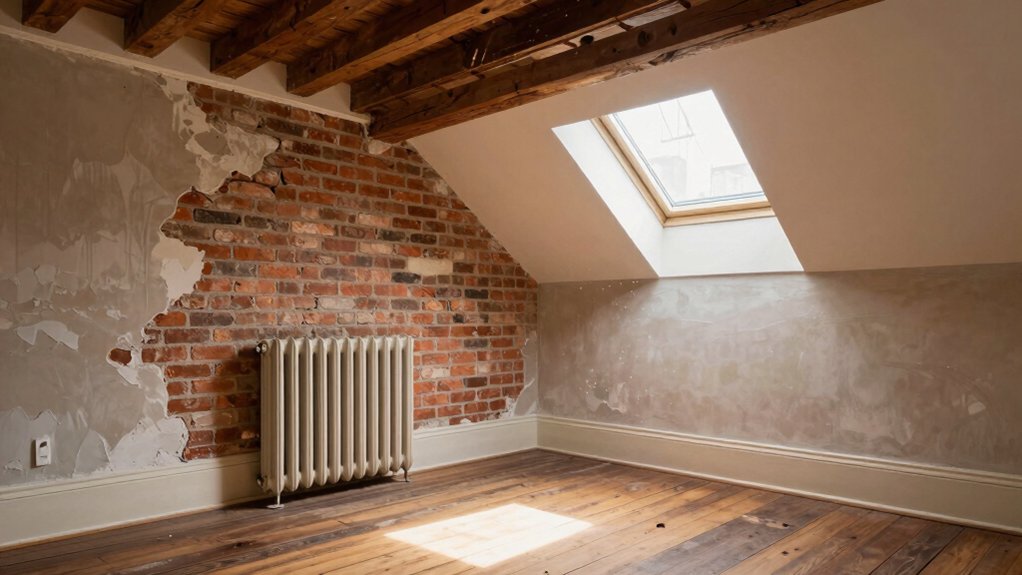
To renovate an older property without losing its character, start by listening to what the building tells you—the textures, seams, and proportion that give it life. Plan with preservation in mind, prioritizing reversible upgrades and compatible materials. Map key details you’ll protect, then pace work so you can harmonize modern comfort with historic charm. If you approach with care and clear records, you’ll unseal a space that feels true to its past—and invites you to continue the conversation.
Assessing the Home’s Character and Priorities
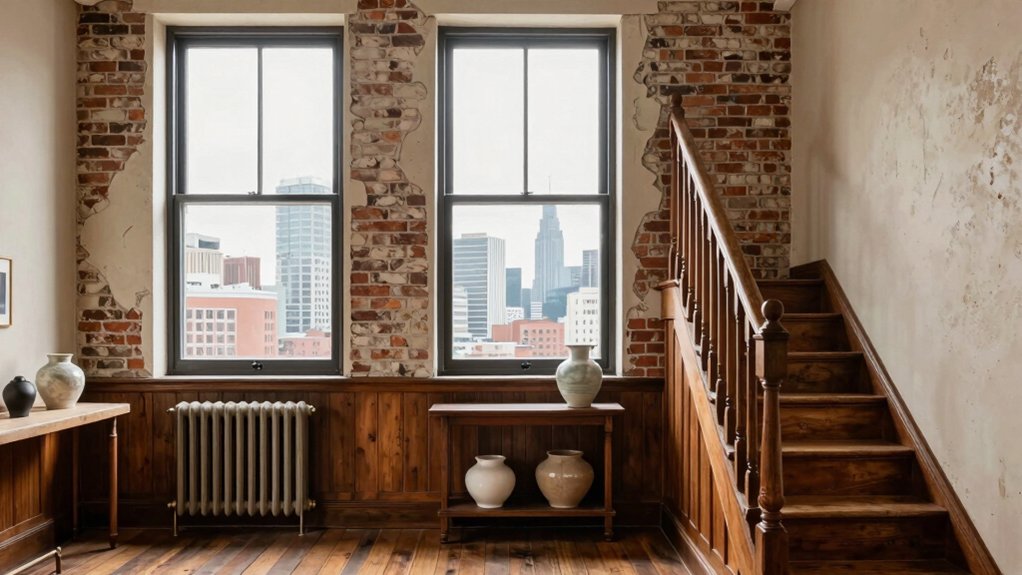
Evaluating a home’s character starts with a clear sense of what you value most. You’ll map features you love and identify behaviors you want to preserve, not erase. Focus on imprints that tell a story: material palettes, craft details, and the rhythm of space.
As you assess priorities, ask which aspects inform daily living and which signal era-specific charm. Consider how exterior modifications might harmonize with existing textures, rather than overpower them, and how landscape design can frame original architecture without crowding it.
Keep a preservation-first lens: document why certain details matter, then determine practical adaptions that respect scale, proportion, and historical intent. Your aim is thoughtful, reversible change that enhances character while guiding thoughtful renovations.
Creating a Renovation Plan That Honors History
To craft a renovation plan that honors history, start by anchoring your goals in preservation—the story the building tells and the practices that keep it readable over time. You map priorities around historic significance, identifying which elements define character and which can adapt without erasing memory.
Ground decisions in context: climate, neighboring structures, and the original materials that survive. Develop a phased approach that protects core cues while guiding improvements for safety, accessibility, and function.
Prefer reversible changes, documented interventions, and careful documentation of decisions. When considering exterior facades, preserve essential massing, rhythm, and detailing, and choose compatible but visible updates.
Communicate your plan clearly to stakeholders, balancing reverence with practical needs, so the renovation remains faithful without becoming nostalgic pastiche.
Preserving Architectural Details and Finishes
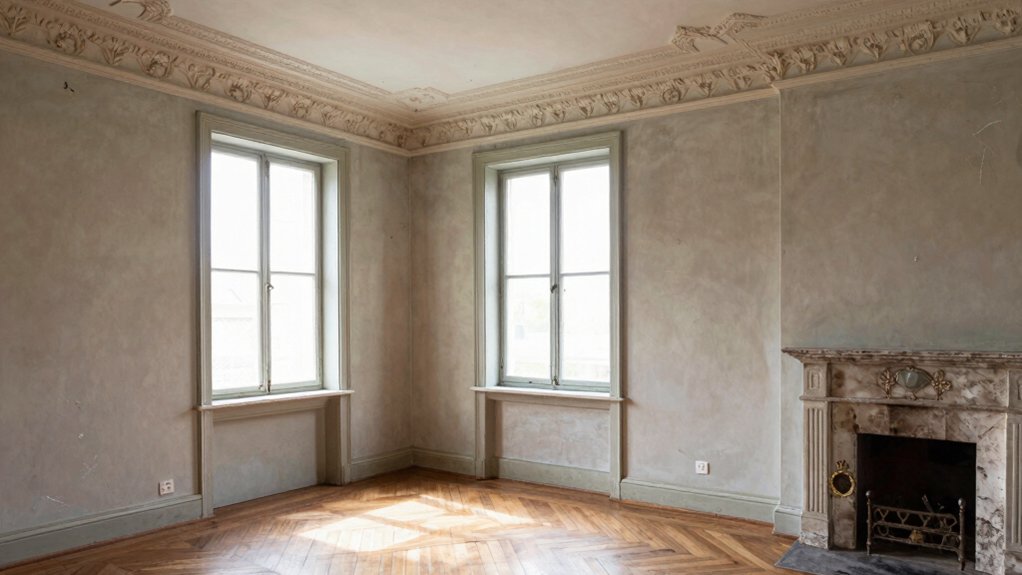
Preserving architectural details and finishes means identifying what defines a building’s character and safeguarding it through careful, minimally invasive actions. You observe the original moldings, hardware, stair balustrades, and wall textures, then plan care that respects their age and patina.
Avoid cosmetic overhauls that erase history; repairs should be reversible where possible, using compatible materials and traditional techniques. Document existing conditions before every intervention, so future decisions stay grounded in context.
Prioritize non-damaging cleaning, stabilized surfaces, and discreet restorations over replacement. Integrate interior lighting to enhance features without overpowering them, and align landscaping design with the building’s silhouette and scale to preserve proportion.
You maintain restraint, ensuring additions complement rather than compete with historic details.
Upgrading Structural Systems With Sensitivity
Upgrading structural systems with sensitivity means choosing interventions that stabilize and extend a building’s life without compromising its character. You assess load paths, then select methods that integrate with existing fabric.
Prioritize minimal intrusion, reversible solutions, and corrosion-resistant materials that age gracefully. Foundation reinforcement should target addressing subsidence without altering visible profiles, using techniques compatible with historical footings and surrounding landscaping.
When you approach framing or masonry, favor repairs over replacements, preserving original rhythms and textures. If you upgrade connections, do so with discreet hardware and protective detailing that won’t wall off historic interiors.
For electrical rewiring, plan to reroute through existing chases or tones, keeping visible ceilings intact. Document decisions for future owners, maintaining transparency about changes while honoring the structure’s legacy.
Sourcing Period-Appropriate Materials and Fixtures
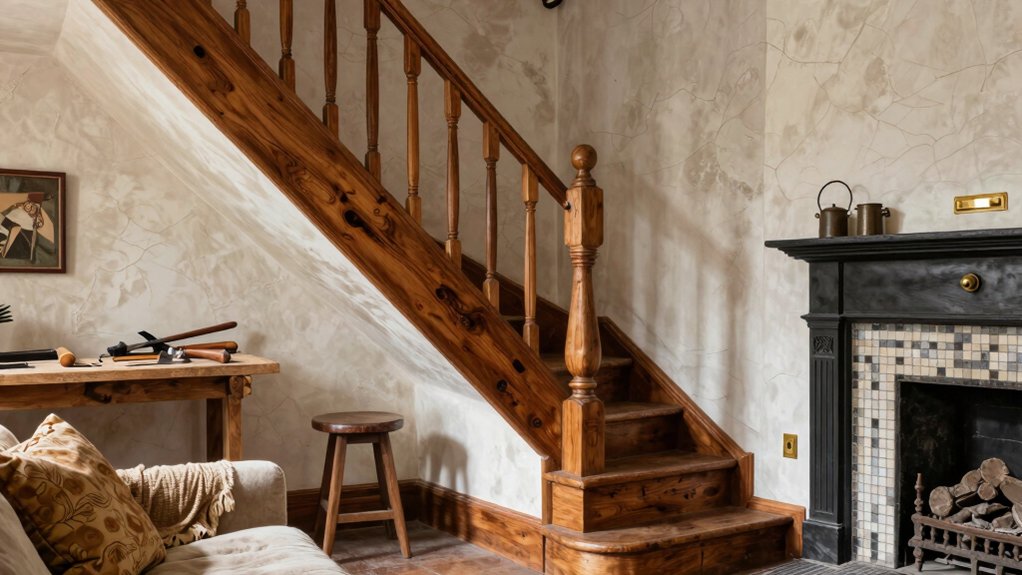
Sourcing period-appropriate materials and fixtures means carefully matching textures, scales, and finishes to the building’s era while prioritizing longevity and reversibility. You approach choices with restraint, favoring authentic materials that age gracefully over trendy substitutes.
Prioritize provenance and compatibility, testing how each element will weather years of use. Seek period appropriate furniture that respects proportion, silhouette, and original room rhythms, avoiding a theme-décor mismatch.
When selecting antique lighting, verify wiring safety and maintain authentic glow rather than overpowering brightness. Look for durable finishes, such as timber, plaster, brick, and metal that can be repaired rather than discarded.
Document changes for future caretakers, and opt for reversible interventions whenever possible. In sum, preserve character by balancing authenticity with practical longevity and thoughtful placement.
Integrating Modern Comfort Without Sacrificing Charm
If you want modern comfort without erasing the building’s voice, start by selective updates that respect original rhythms and materials. You’ll balance insulation, quiet HVAC, and efficient lighting with finishes that echo the ages you’re preserving.
Prioritize discreet, reversible changes that don’t tear out character, so historic preservation remains legible. Consider hidden improvements: upgraded wiring, robust plinths, and smart controls tucked behind period panels.
Choose fixtures and textures that read as timeless rather than trendy, allowing natural light to reveal architectural details. You’ll create a sense of continuity, where new comforts emerge from the existing fabric rather than overshadow it.
This approach keeps the home usable today while honoring its history, blending Modern amenities with a careful, respectful narrative.
Working With Craftspeople Who Respect the Property
When you hire craftspeople, choose those who understand the property’s history and its careful balance between old and new. You’ll work best with teams that listen first, assess the context, and articulate how each decision respects historic integrity.
Seek partners who demonstrate historic craftsmanship in their methods, materials, and attention to patina, rather than rushing updates. Establish clear expectations about preservation priorities, so every intervention reinforces character rather than overshadowing it.
Foster artisan collaboration by sharing constraints, site-specific constraints, and long‑term aims, then let specialists propose solutions that honor original aesthetics. Maintain open dialogue, document materials, and prefer time-tested techniques over shortcuts.
Respectful collaboration yields authentic results, maximizing durability while maintaining a seamless sense of place.
Budgeting for Preservation and Modernization
You’ll need a clear plan that weighs preservation costs against essential modernization, so you don’t overspend on fixes that won’t serve long-term value.
Start by identifying what must stay and what can be upgraded efficiently, balancing upkeep with practical improvements.
This approach keeps the project faithful to the property while still delivering modern comfort and reliability.
Budgeting Preservation Costs
Careful budgeting for preservation and modernization starts with a clear scope: identify what must stay, what can change, and the costs to document and maintain both. You’ll map out essential elements, from historic fabric to updated systems, then tier expenses by urgency and impact.
Focus on cost estimation that’s grounded in reality: obtain quotes, reference standards, and account for contingencies. Track lifecycle costs, not just upfront price, so the plan remains viable as conditions shift.
Seek funding sources early, evaluating grants, tax incentives, or low-interest loans specific to restoration. Build in a staggered schedule to avoid overloading your finances and to preserve character while allowing prudent updates.
Maintain documentation for future maintenance, audits, and possible resale, ensuring decisions honor the property’s essence.
Balancing Modern Upgrades
Balancing modern upgrades means threading practicality with preservation priorities. You’ll weigh what adds value now without erasing the building’s character, keeping budgets honest and honest expectations clear.
Prioritize essential systems upgrades that enhance safety and efficiency, then layer in discretionary improvements that respect the envelope and historic details.
Plan for energy efficiency by selecting discreet, code-compliant solutions that minimize visual impact. When choosing materials, favor compatible textures and colors that echo original finishes.
Budget for landscaping design as an extension of the property’s narrative, not an afterthought.
Document decisions, measure outcomes, and adjust only when benefits justify costs.
Phased Renovation for Minimal Disruption
You’ll map your project in clear phases, prioritizing intact structures and essential services first.
By sequencing tasks, you minimize disruption and keep living areas usable throughout the renovation.
A disruption-minimized timeline balances preservation with progress, guiding each step with purpose and context.
Plan Phase Sequencing
To minimize disruption, plan renovations in phases that align with how you use the space and how the building behaves. You map existing flows, priorities, and constraints, then sequence tasks to minimize rework. Start with essential services, structural stabilization, and any work that open up other phases, so later tasks aren’t blocked.
Respect historic fabric by testing approaches on inconspicuous areas before broad application. Maintain shelter and access during trades, and schedule noisy or dusty work away from high-occupancy times. Document decisions to preserve context and facilitate future adaptations.
When a phase finishes, reassess adjacent spaces for compatibility, ensuring details—from materials to finishes—read as cohesive. You’ll also integrate garden design and landscaping techniques in appropriate outdoor phases, preserving site character while expanding usable landscape.
Disruption-Minimized Timeline
Disruption-minimized timelines start with a clear map of use patterns and sensitivities, then sequence work so essential services and structural fixes come first, followed by tasks that open later phases.
You preserve character by planning around daily rhythms, keeping living areas functional, and isolating noisy activities.
Implement phased work so trades move through orderly, low-impact steps, reducing repeat visits and avoiding rework.
Landscaping improvements can occur between phases, using temporary paths and careful debris management to minimize foot traffic disruption.
When prioritizing exterior repainting, schedule it after structural and envelope fixes to prevent paint failures from moisture or movement.
Communicate milestones, permit requirements, and access constraints upfront, then adjust as needed with minimal upheaval.
This approach sustains atmosphere while advancing progress.