
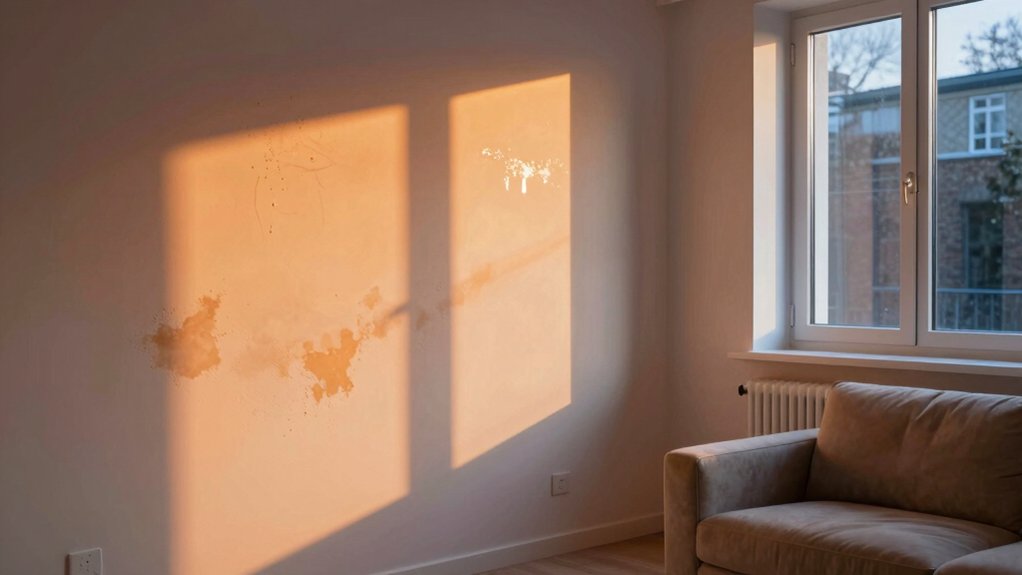
Infrared heating targets damp and mould by warming surfaces directly, not the whole room. This fast, surface-focused drying reduces humidity and stalls mold growth, especially in chilly, poorly ventilated spots. It’s energy-efficient, with fewer moving parts and easier maintenance than traditional dehumidifiers or bulk heating. You can customize with zoning and humidity-aware controls to focus on problem areas like basements or bathrooms. If you keep exploring, you’ll uncover practical setup tips and optimization ideas.
What Infrared Heating Is and Why It Helps Damp
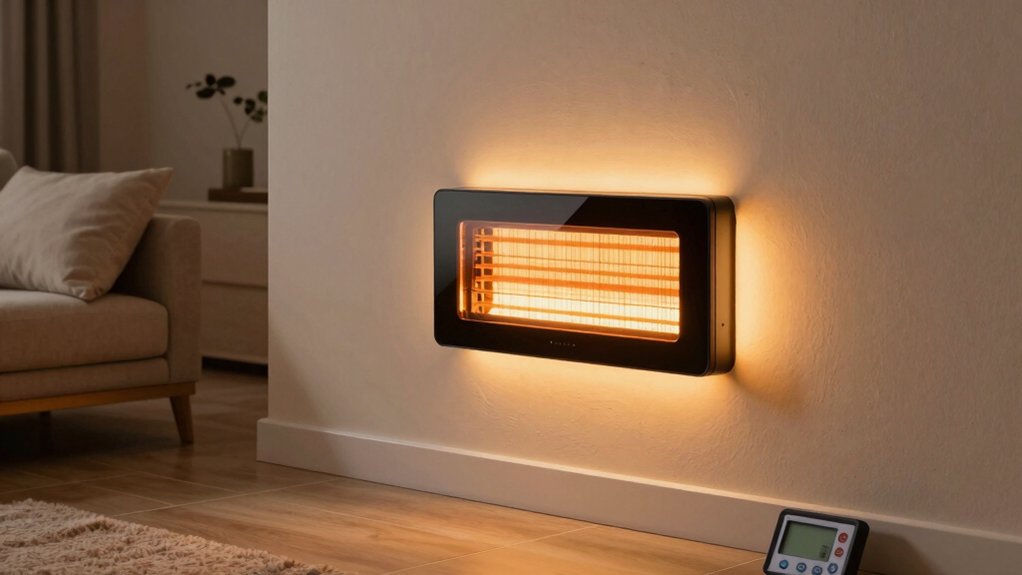
Infrared heating uses radiant energy to warm objects and surfaces directly, rather than heating the surrounding air. You feel warmth on walls, floors, and furniture almost instantly when the panels switch on.
This direct transfer reduces humidity in the air, which helps damp stay under control and mold growth slow down. You’ll notice less warm air cycling through the room, so you spend less energy chasing heat loss.
IR systems are efficient because they don’t waste energy by heating empty space. They’re versatile for homes with uneven temperatures, and you can target damp zones like basements or corners.
In practical terms, this approach gives faster comfort, clearer walls, and a straightforward way to manage damp without relying on dehumidifiers alone.
The Science: How IR Targets Surfaces to Dry Them Fast
You’ll see how infrared drying hinges on surface heating dynamics and the way IR energy concentrates at the top layer to accelerate evaporation. This section highlights the infrared drying mechanism and how penetration depth affects speed, efficiency, and even material compatibility.
Infrared Drying Mechanism
When infrared radiation hits a surface, it transfers energy directly to the molecules at the top layer, heating them quickly and creating a rapid drying effect. You’ll notice the heat concentrates on the warmest zones, encouraging water molecules to break free and migrate toward the surface.
Unlike convection, IR skips bulk air heating, so moisture exits mainly by evaporation rather than bulk movement. The solid’s surface becomes a hot interface that accelerates phase change without loading the entire room with heat.
You control drying by adjusting wavelength, intensity, and exposure time, balancing speed with material safety. This mechanism reduces moisture hotspots, minimizes mold-friendly damp, and shortens dry cycles.
In practice, target affected areas, monitor progress, and avoid overheating delicate finishes.
Surface Heating Dynamics
Surface heating dynamics rely on how infrared energy concentrates at the material’s exterior, driving rapid temperature rise where the surface is most absorbent. You’ll see surfaces heat quickly when they’ve high emissivity, thin coatings, or exposed alloys that better absorb IR. This creates a focused drying front without warming the entire bulk.
You’re not wasting energy heating air or hidden layers; you’re delivering heat where it matters—the surface moisture-laden stratum. As the surface warms, moisture migrates toward the vapor gap, accelerating evaporation.
Practical setups tune proximity, emissivity, and power to sustain steady surface temperatures that avoid scorching. This principle underpins safe, rapid drying for walls, floors, and fabrics, enabling faster moisture control while maintaining occupant comfort.
Efficiency Through Penetration
Even so, infrared efficiency hinges on penetration that complements surface heating, not just its intensity. You feel the dry effect when IR travels into materials, not just shines on them. Penetration matters because damp surfaces hide moisture beneath coatings, wallpaper, or plaster.
With deeper warmth, fibers lift water faster, and you avoid waiting for evaporation to work from the top down. Choose wavelengths suited to your targets: longer waves heat through thin finishes, shorter ones address surface humidity spikes.
You’ll notice faster drying where heat reaches the moisture pockets, reducing cold spots and improving overall comfort. Monitor progress with simple checks—feel warmth below the surface, watch for diminishing damp odors, and adjust distance or power to sustain steady drying without overheating.
Damp vs Mould: How Humidity Drives Problems and How IR Interrupts Them
If humidity climbs, dampness follows, creating a perfect ground for mould to flourish and for structural damage to creep in unnoticed—until costly consequences appear. You’ll notice musty smells, wallpaper loosening, and chilly, damp surfaces that invite mould colonies.
Humidity fuels condensation on cold walls, windows, and floors, sustaining spores that irritate lungs and damage materials. Infrared heating disrupts this cycle by warming surfaces evenly, reducing dew point conditions at critical spots.
When you raise surface temperatures, moisture evaporation accelerates and humidity levels stabilize, lessening persistent damp environments. You don’t need dramatic measures to see results; targeted IR helps dry out problem areas while maintaining comfortable warmth.
Use alongside good ventilation and moisture control, and you gain visible progress against both dampness and mould growth.
Compare IR Heating to Traditional Moisture Solutions
IR heating often delivers faster, targeted moisture control with high efficiency, especially where heat must reach hidden damp spots.
Traditional moisture solutions can face limits in reach, uniformity, and long-term effectiveness, requiring more maintenance over time.
When you compare, consider maintenance needs and longevity, the practical throughput of each method, and how their overall efficiency affects lasting damp reduction.
IR Heating Efficiency Compared
Traditional moisture solutions often rely on conduction and convection, but infrared (IR) heating delivers energy directly to surfaces and objects, cutting through drying time and reducing heat loss.
When you compare efficiency, IR focuses heat where it’s needed, not warming entire rooms. That targeted approach means faster drying with less energy waste, especially on damp walls, floors, and fabrics. You’ll notice less moisture rebound after treatment, because surfaces reach equilibrium more quickly and stay warmer, helping evaporation stay ahead of condensation.
IR systems heat instantly, so you avoid long preheat periods and standby losses. Maintenance is simple, too, with fewer components that drain power.
Traditional Moisture Solutions Limits
Traditional moisture solutions often rely on broad heating or mechanical drying methods that heat the air or structure rather than the damp surfaces themselves. You’ll notice uneven results, longer drying times, and recurring damp patches once the system cycles off.
Conventional heaters can dry surfaces superficially while leaving hidden moisture behind, fostering mold regrowth and odors. Dehumidifiers pull moisture from the air but don’t address infected materials, so you may still need costly remediation.
In many setups, energy is wasted as heat isn’t targeted, and you endure higher utility bills without guaranteed longevity. Maintenance can be frequent, with filter changes and equipment calibration adding to the burden.
Compared with infrared, traditional approaches often lack speed, precision, and lasting effectiveness against damp and mould growth.
Maintenance And Longevity Comparison
If you’re weighing options, infrared heating often wins on maintenance and longevity because it delivers targeted drying without circulating moist air or stressing HVAC components. With IR panels, you minimize mold-fueling humidity cycles that conventional solutions sometimes create.
Traditional moisture controls rely on fans, dehumidifiers, or mechanical systems that wear out, require filter changes, and demand ongoing calibration. Infrared systems have fewer moving parts, reducing failure points and routine maintenance.
Regular checks focus on cord integrity, mounting safety, and surface cleanliness rather than complex ductwork or refrigerants.
Longevity comes from consistent, direct heat that dries surfaces evenly without overheating or thermal cycling. Over time, you benefit from fewer replacements, lower energy spikes, and simpler upkeep, making IR a more durable, long-term solution for damp and mould prevention.
Key Installation Considerations for Damp Spaces
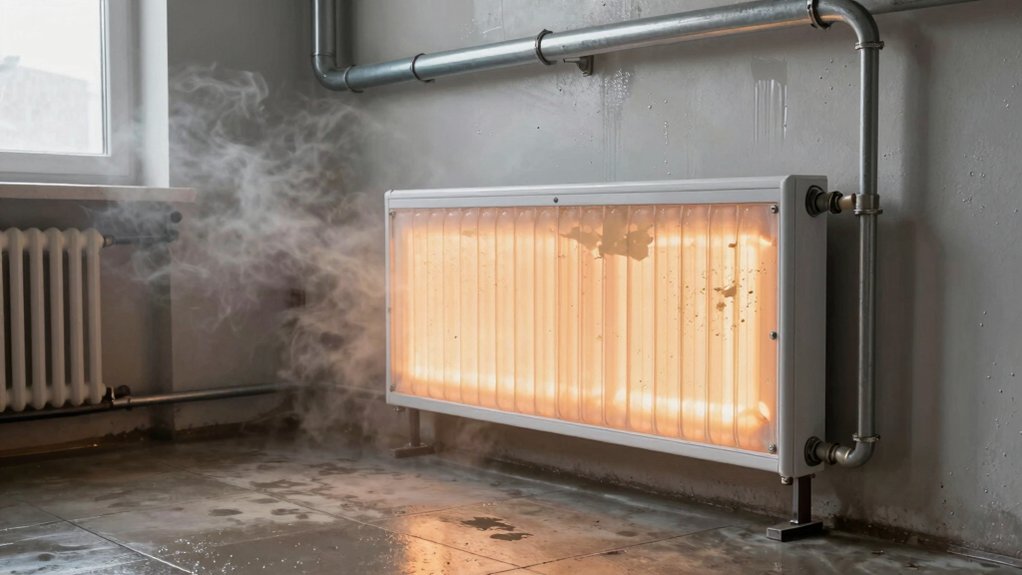
When installing infrared heating in damp spaces, start with a thorough moisture assessment and proper ventilation planning to prevent ongoing corrosion and mold growth.
Choose panels rated for high humidity and ensure enamel or poly coating resists damp exposure. Position heaters away from direct contact with walls or furniture to reduce condensation on surfaces and avoid heat transfer where moisture concentrates.
Verify electrical circuits meet local code requirements, using GFCI protection and drip loops on outdoor or garage installations.
Inspect existing structural timbers or plaster for signs of rot before mounting, and seal gaps to minimize cold drafts that drive dampness.
Implement a robust, programmable timer to align heating with humidity fluctuations, keeping ambient warmth steady without excessive energy use.
Regular maintenance checks prevent overlooked corrosion and mold relapse.
Practical Use Cases: Living Rooms, Bathrooms, Basements, and Kitchens
Living rooms, bathrooms, basements, and kitchens each benefit from targeted infrared heating that fits their unique layouts and moisture profiles.
In living rooms, position panels to warm seating zones without overpowering air currents, maintaining comfort while reducing cold spots.
In bathrooms, use moisture-rated units near showers or tubs to offset humidity spikes, keeping towels dry and minimizing mist.
Basements respond best to lower, evenly spaced panels that counter dampness without creating drafty feel, especially where concrete retains chill.
Kitchens benefit from fast-acting panels near cooking zones and dining areas, delivering quick warmth without heating stored food or cabinets.
Across all spaces, locate heaters away from direct water exposure and ensure accessible, unobstructed airflow for consistent performance.
Adjust placement as rooms evolve to sustain damp-control benefits.
Smart Control and Energy Efficiency With Infrared Heating
Smart control and energy efficiency are within reach for infrared heating, letting you tailor warmth while cutting bills. With smart thermostats and programmable schedules, you set when and how intensely heat runs, avoiding wasted energy in empty rooms.
Infrared emitters respond quickly, so small adjustments yield fast comfort without overloading circuits or amplifying heat loss through drafts. Choose zones or dedicated panels for targeted warmth, optimizing runtime and reducing overall energy use.
Selections like standby modes, adaptive gain, and temperature monitoring help you balance comfort with savings. Reliability comes from simpler, fewer moving parts compared with other systems, while compatible apps give you remote oversight.
In practice, stay mindful of insulation and air sealing; efficiency improves when the envelope keeps heat in.
Troubleshooting: Common Damp-Related Issues and IR-Specific Tips
If you’re facing dampness with IR heating, start by pinpointing moisture sources and how they interact with your space. You’ll want practical humidity reduction techniques and a clear plan for identifying where water is coming from, so you can apply targeted IR strategies without waste.
We’ll cover these basics now and set you up for effective troubleshooting with IR-specific tips.
Humidity Reduction Techniques
Moisture problems aren’t just uncomfortable—they can lead to mold and structural damage, so tackling humidity quickly matters. You’ll gain control by improving airflow, using targeted IR panels, and monitoring humidity levels with a reliable meter.
Start with sustained ventilation during and after cooking, showering, or drying clothes, opening windows or running an extractor to move moist air out. Pair this with point-blank heat management: don’t overheat one area while another stays damp; heat should be even enough to encourage evaporation without creating cold traps.
Use dehumidification when needed, especially in poorly ventilated spaces, and keep relative humidity around 40–60 percent for comfort and mold prevention.
Finally, seal obvious leaks and maintain seals to prevent recurring moisture intrusion.
Moisture Source Identification
Identifying where dampness starts is the first step to an effective fix. You’ll trace moisture to its source by looking for patterns, such as persistent staining, musty odors, or water trails on walls, ceilings, or floors.
Start with simple checks: note recent leaks, condensation buildup, and elevated indoor humidity at different times of day. Examine windows and damp-proof courses for gaps, and inspect plumbing lines behind walls for signs of seepage.
Use a moisture meter to map affected areas and identify hidden pockets.
Prioritize ventilation behavior—areas with poor airflow often accumulate humidity, especially after cooking or showering.
Once you locate the source, tailor your response: repair leaks, improve insulation, and adjust IR-assisted drying to prevent repeat dampness.
IR Heating Troubleshooting
When troubleshooting IR heating for damp problems, start by confirming that the damp issue isn’t caused by a blockage or insufficient ventilation that could undermine drying efforts.
Next, inspect infrared panels for dust buildup or glare that impedes heat transfer; clean with a soft cloth and appropriate cleaner.
Verify mounting height and angles to ensure targeted drying paths reach problem areas without overheating textiles or walls.
Monitor humidity and temperature shifts as you run panels, noting if humidity remains high despite heat.
If hotspots appear, redistribute panels or adjust power settings to avoid uneven drying.
Check for leaks or condensation sources elsewhere that IR can’t fix alone, and address underlying moisture to prevent recurrence.
Finally, document settings and outcomes for ongoing troubleshooting.
Cost, ROI, and Long-Term Maintenance of IR Systems
Investing in infrared (IR) heating often pays off through lower operating costs and simpler maintenance, but it’s essential to weigh upfront prices, energy savings, and service needs to understand true ROI.
You’ll likely see pricing competitive with conventional systems, with higher initial outlays offset by rapid payback when heating damp spaces efficiently.
Expect steady energy bills as IR heat targets occupants and objects directly, not air, improving perceived comfort and reducing waste.
Long-term maintenance is typically minimal: replace lamps or panels per manufacturer guidance, and ensure clean lint-free filters where applicable.
Reliability matters; choose reputable brands with solid warranties and accessible service.
Documented ROI hinges on insulation quality, room usage, and climate, so track savings over 12–24 months to confirm performance.
Plan periodic checks to sustain efficiency.
How to Choose an Infrared System for a Mould-Prone Home
Choosing an infrared system for a mould-prone home means prioritizing moisture resistance, air quality, and reliable diagnostics. Start with sealed, corrosion-resistant components and IP-rated casings to withstand humidity. Look for panels with low emissivity variance and robust insulation to maintain stable heat without condensation.
Ensure your system includes smart diagnostics that flag voltage dips, filament wear, or sensor drift before failures. Prioritize zones and zoning options so you can target damp hotspots without overheating dry areas. Choose a unit with proven EMI, UV protection, and easy-access filters to preserve indoor air quality.
Verify compatibility with existing ventilation, and confirm professional installation with a performance warranty. Finally, compare energy use, maintenance needs, and service support to minimize long-term risk.
Conclusion
Infrared heating tackles damp, dries surfaces fast, and reduces mould risk. You gain rapid warm-up, targeted comfort, and steady moisture control. You save energy with smart, programmable schedules and precise heat where it matters. You avoid bulky dehumidifiers, constant maintenance, and noisy fans. You simplify installation, simplify operation, and simplify zoning. You protect walls, protect belongings, protect health. You gain long-term value, reliability, and peace of mind. Choose IR, choose a drier, healthier home.