
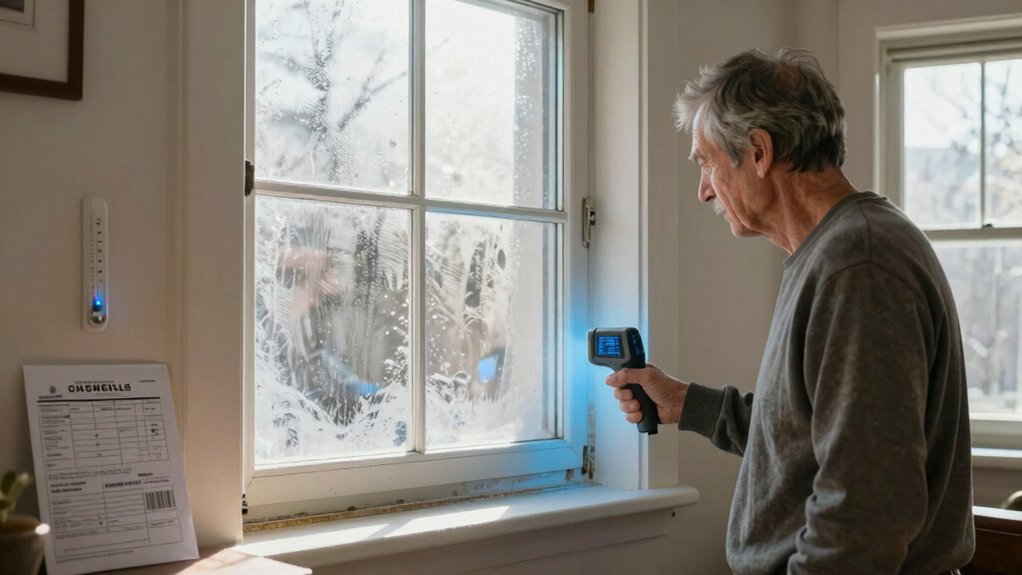
If your energy bills are creeping up, your windows are likely the culprit. You’ll notice drafts near frames, fogged glass, and chilly spots that won’t quit, plus rising costs after mild weather. Start with simple tests—feel for leaks, do a smoke test, and check for condensation between panes. Decide whether to replace or upgrade based on savings potential, budget, and disruption. If you keep going, you’ll uncover practical steps to cut waste and boost comfort.
Key Signs Your Windows Are Wasting Energy
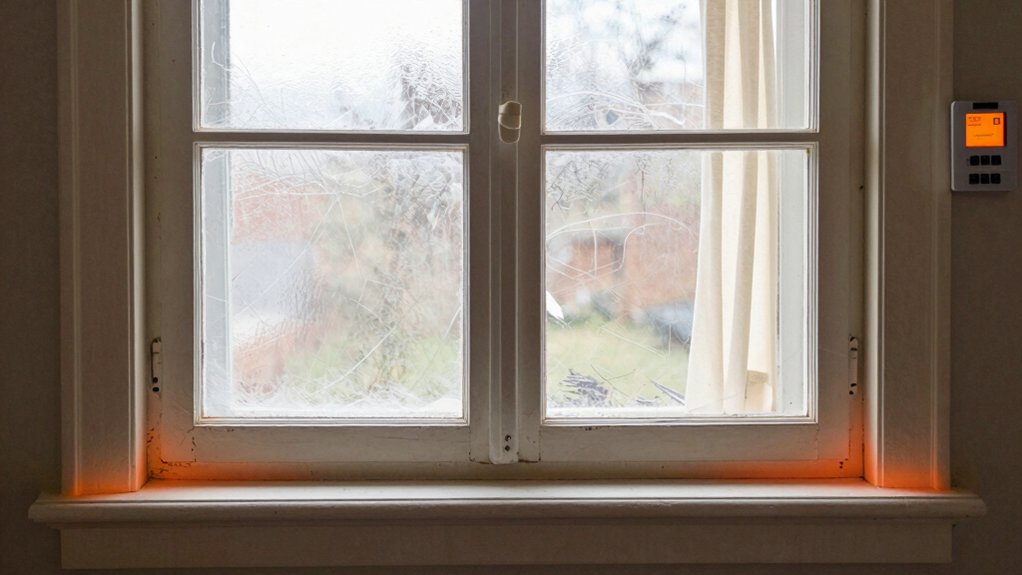
If your heating or cooling bills spike without a clear cause, your windows are a likely culprit. You’ll notice you feel colder near certain walls, and drafts drift in where the frame sits. Look for thermal leaks around sashes, glass, and seals; they’re telltale signs of inefficiency.
Drafty windows often fog up or sweat in humid seasons, signaling poor insulation and air leakage. You might feel a constant chill when you’re seated by a window or hear whistling sounds as air forces its way through gaps.
Condensation between panes hints at failed glazing. If you’ve addressed curtains, blinds, and weatherstripping without relief, it’s time to assess whether you’re dealing with fundamental inefficiency rather than minor fixes.
What Your Energy Bill Says About Window Performance
Your energy bill can be one of the most honest barometers of window performance. When your monthly costs creep up without a clear cause, inspect what you’re paying for.
If you notice spikes after mild weather shifts, it could point to air leakage around window framing or inefficient glass. Look beyond total kilowatt-hours and compare usage patterns to your insulation and thermostat settings.
Poorly performing window framing allows drafts that your heater or AC must fight, while subpar glass quality can fail to keep heat in or out. Both realities raise costs, reduce comfort, and highlight replacement as a practical option.
Informed by bill data, you’ll decide whether upgrades align with your long‑term savings goals.
Five At-Home Tests to Evaluate Window Performance
Here are five simple at-home tests you can run to gauge window performance without costly gear.
First, feel air leaks around sashes, frames, and sill by running your hand slowly along edges when a fan or HVAC is on.
Second, perform a smoke test with a lighted incense stick or candle; note where the flame flickers, signaling drafts.
Third, check glazing when you press on panes—firm, even resistance indicates solid window materials and good seal.
Fourth, observe condensation patterns between panes, which can reveal seal failure or poor installation quality.
Fifth, compare interior and exterior surface temperatures with an infrared thermometer or touch, noting hot or cold spots.
Use results to assess window materials and installation quality.
Should You Replace or Upgrade? a Practical Decision Guide
When deciding whether to replace or upgrade windows, start with a clear sense of your goals, budget, and the immediate performance gaps you’ve already identified. You’ll weigh long‑term energy savings against upfront costs, disruption, and aesthetics.
Use a practical framework to decide: replacement for broader improvements, upgrading for targeted fixes, and both, only if the math makes sense. Consider installation costs in our budgeting, and how window aesthetics align with your home’s look.
Here are practical steps:
- Assess climate impact and comfort before deciding
- Compare replacement vs. retrofit options honestly
- Factor ongoing maintenance needs into the cost math
- Examine installation costs and timelines
- Prioritize solutions that maximize value per dollar
Estimate Your Savings and Plan Your Next Steps
Estimating your savings and mapping the path forward starts with a clear baseline: how your current windows perform, what upgrades or replacements will cost, and how long it’ll take to recoup the investment.
You’ll quantify annual energy loss, draft a target for improved U-values, and compare options like double- or triple-glazed panes and better seals. Then calculate installation costs, labor, and any structural changes, plus potential financing or tax incentives.
With these figures, build a simple payback and return-on-investment timeline. Consider window materials that fit your climate and home style, since material choice affects durability and maintenance.
Finally, create a concrete plan: phased replacements or a single install, realistic milestones, and a post-install efficiency check to verify savings.
Conclusion
You’ve checked the signs, so now act with informed confidence. Don’t delay, don’t dawdle—decide. Doorways drift, drafts disappear, dollars drain when windows waste warmth. With practical, proven steps, you’ll separate stubborn savings from costly compromises. Start small, study your stats, schedule sales, and set solid savings milestones. Stay steady: replace or upgrade with purpose, seal strategic gaps, and see your spending shrink while comfort climbs. Smart choices today save you serious money tomorrow.