
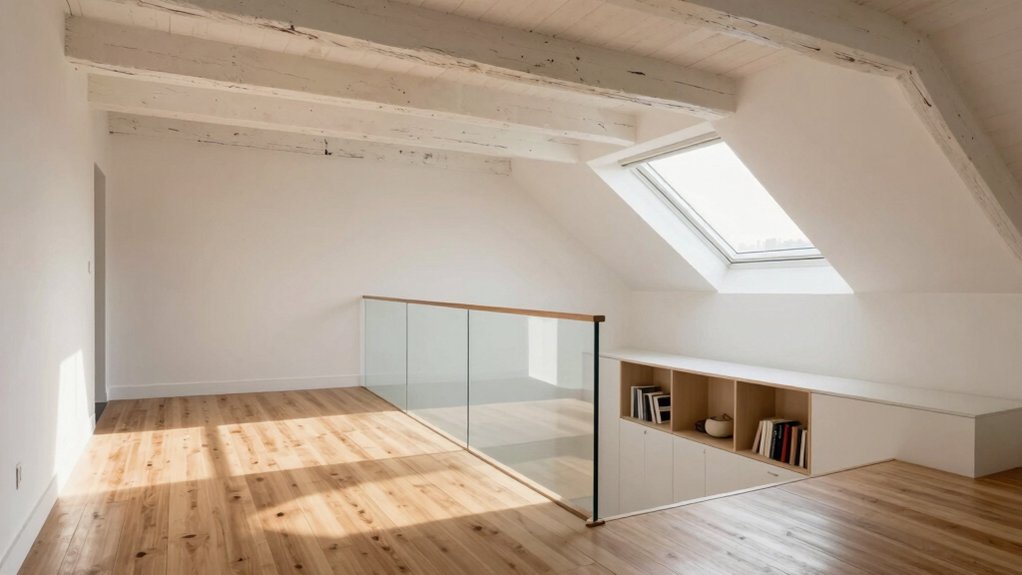
Did you know a loft or garage conversion can add usable space without expanding your footprint, yet it often hinges on how well you manage insulation and permits? You’ll weigh upfront costs against long-term value, disruption, and energy savings, while balancing design flexibility with structural limits. The decision isn’t just about square footage; it’s about how the new space fits your lifestyle and future plans. There’s more to contemplate before you decide.
Costs and Budgeting for Loft and Garage Conversions
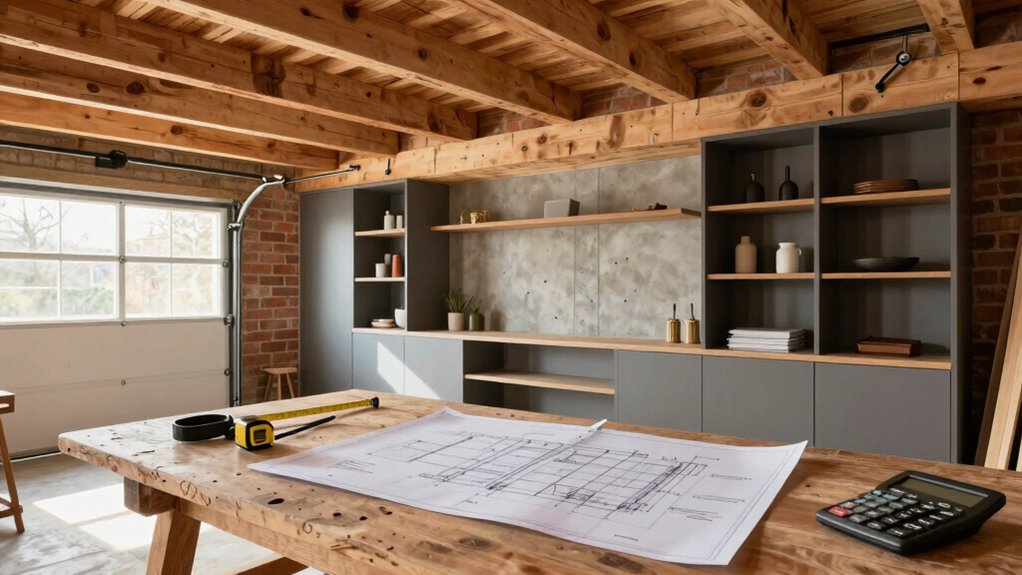
Costs and budgeting for loft and garage conversions hinge on scope and structure. When you assess costs, you’ll weigh design ideas against structural needs, utilities, and insulation.
You’ll likely categorize expenses into core build, finishes, and contingencies, then set a baseline with realistic material costs. Don’t neglect permissions, surveys, and potential reinforcement work, which can shift timelines and budgets.
You should forecast finite items like doors, skylights, flooring, and lighting, aligning them with your design ideas for cohesion and reduced waste. Factor in labor rates, access constraints, and project management needs, then add a contingency reserve to cover uncertainty.
In short, a precise cost framework enables smarter decisions and clearer progress tracking throughout the conversion.
Timeline and Disruption: What to Expect During Construction
Timeline and disruption during loft or garage conversions hinge on planning and coordination. You’ll see the construction timeline unfold through clear milestones, from demolition and framing to finish work, with potential buffers for unexpected delays.
As projects shift between trades, coordination becomes essential to prevent idle crews and wasted materials. You’ll be most mindful of sequencing—electric, plumbing, insulation, and drywall must align to avoid rework, which clouds timelines and inflates costs.
Disruption management centers on minimizing impact to your daily life: designated work zones, dust containment, and advance notice for noisy or temporary shutdowns. Expect regular progress checks, updated schedules, and proactive communication to keep you informed.
A disciplined approach reduces surprises and helps you weigh the benefits against temporary inconveniences.
Planning Permissions, Regulations, and Insulation Essentials
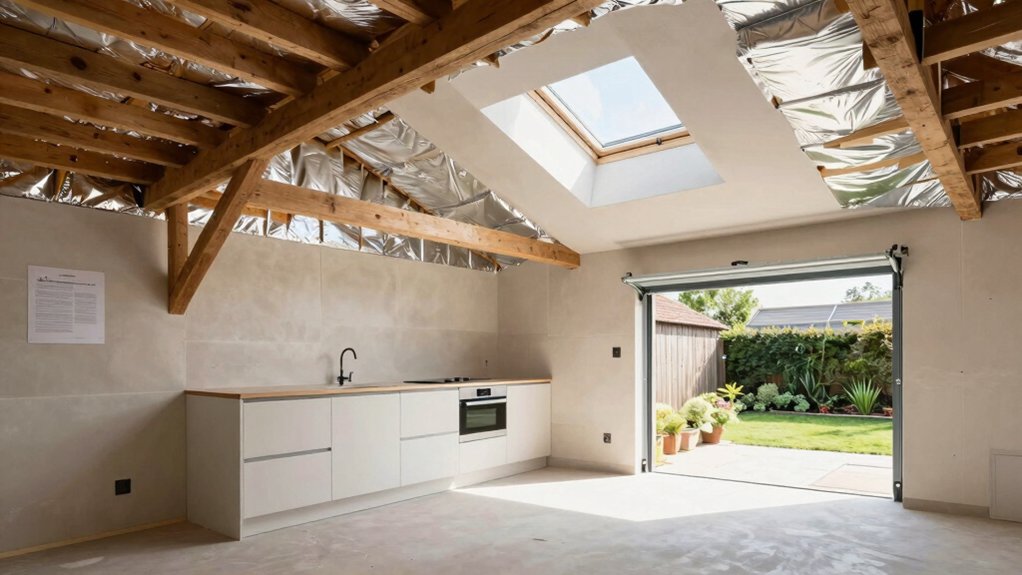
Planning permissions, regulations, and insulation essentials require a clear map of what’s allowed and what it means for your project. You’ll need to assess building permits, local zoning laws, and any property-specific constraints before you draft designs. This is about staying compliant while maximizing usable space.
Start by verifying whether loft or garage work qualifies as a permitted alteration or triggers formal approvals, then identify required documents and timelines.
Insulation standards affect comfort, energy efficiency, and future resale, so baseline R-values and ventilation must align with current regulations.
Consider party-wall agreements, access rights, and fire-safety requirements that influence layout decisions.
In practice, early research reduces delays, appeals, and unexpected costs, helping you plan a realistic budget and timeline.
Potential Returns: Value, Space, and Lifestyle Benefits
Adding a loft or garage conversion can open meaningful returns by boosting usable space, enhancing daily living, and increasing property value, especially when designed to align with buyer preferences and market trends.
You’ll quantify value through a practical cost benefit analysis that weighs construction costs against potential sale price, rent, or tax incentives.
Space gains can translate into flexible layouts, home offices, or guest suites, affecting market appeal without overbuilding.
Lifestyle benefits show up as time saved (shorter commutes via home offices) and enhanced day-to-day usability.
Environmental impact factors—material choices, insulation, and energy efficiency—can lower ongoing costs and appeal to eco-conscious buyers.
Pros and Cons: Making the Decision for Your Home
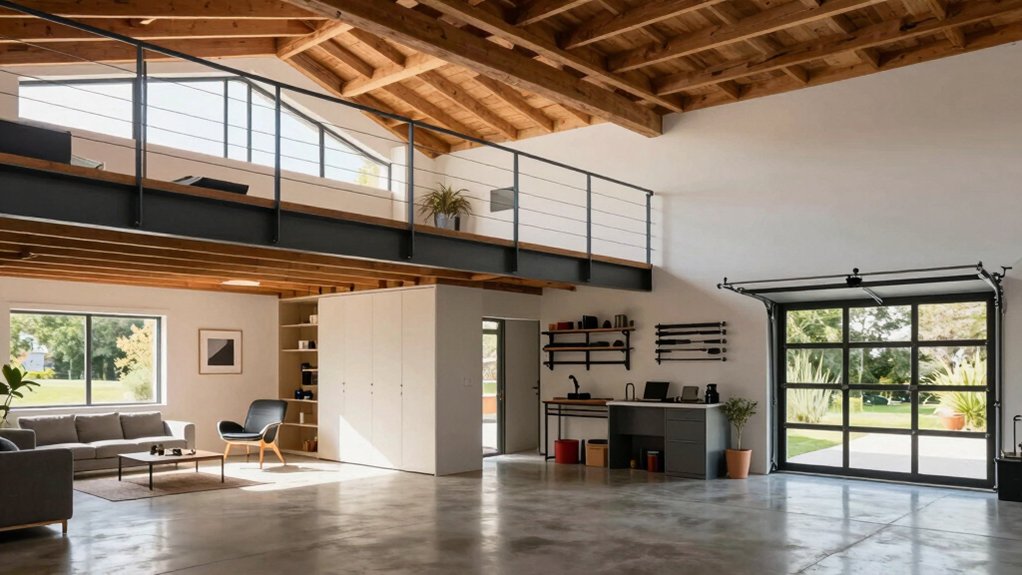
Deciding whether to pursue a loft or garage conversion hinges on weighing practical benefits against potential drawbacks. You’ll assess whether extra space aligns with needs, budgets, and long-term plans, rather than chasing trends.
On the plus side, a conversion can boost usable area, improve layout flow, and boost home value if done thoughtfully. You’ll also gain flexibility in use, enabling home offices, studios, or guest suites without expanding footprint.
On the downside, consider disruption during work, potential permit hurdles, and ongoing maintenance costs. Privacy considerations matter: how well the new room integrates with existing living zones, noise insulation, and access.
Factor in design flexibility to adapt rooms over time, and ensure permits and structural compatibility. A careful comparison clarifies whether benefits outweigh drawbacks for your home.