
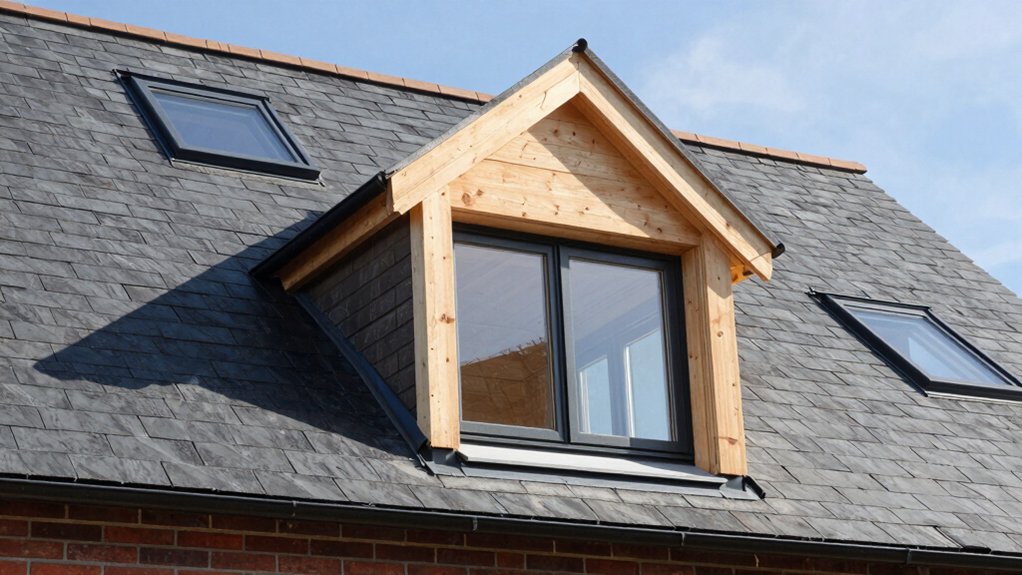
Choosing the right loft extension hinges on space, structure, and energy performance. Dormer lofts add considerably usable area but raise timber costs, waterproofing, and insulation needs due to roof alterations. Hip-to-gable conversions reshape geometry, requiring structural reinforcements and longer scaffold, with higher initial outlay but strong long-term stability. Velux roof extensions are more economical upfront, yet hinge on roof pitch, headroom, and secure integration. Compare total costs, compliance, and insulation, and you’ll see how each option scales with your home—and what you’ll gain next.
Dormer Loft Conversions: Key Costs and Considerations
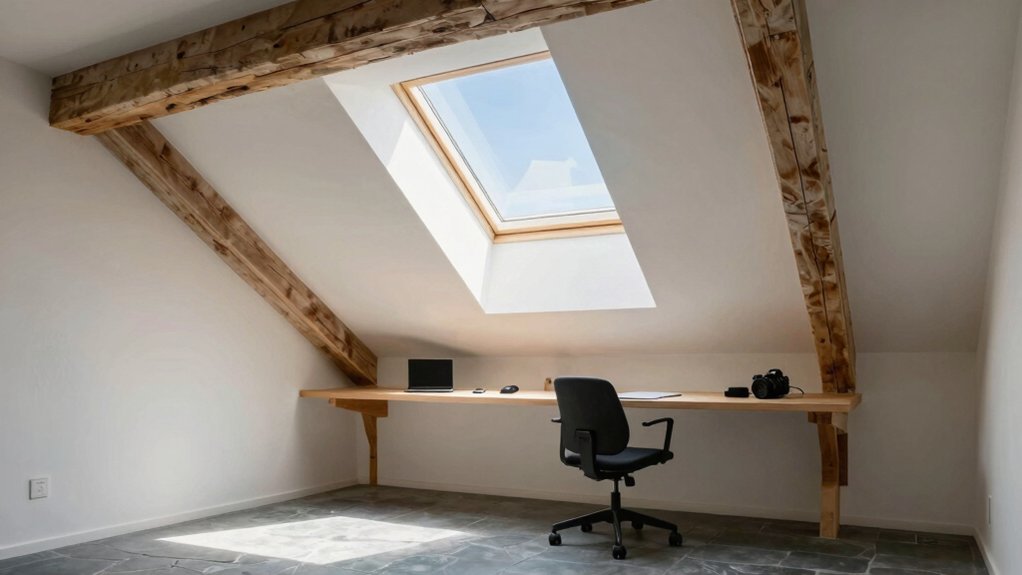
Dormer loft conversions add usable space without expanding the building footprint, but they come with specific cost drivers you’ll want to know up front. You’ll assess structural feasibility, roof alterations, and load-bearing requirements to determine supports and planning permissions.
Expect higher expenditure for precise integration with the existing envelope, including waterproofing, licensed scaffolding, and weatherproof flashings. The main variable is dormer size and design; larger or more complex shapes increase timber, insulation, and finishing costs.
Finishes matter: match interior decor while maintaining thermal performance, which may require additional lining, plastering, and trim. Loft insulation remains critical for energy efficiency, driving sealing and ventilation choices.
Finish quality, fixture standards, and accessibility provisions shape long-term maintenance, so align scope with performance targets and budget contingencies.
Hip-to-Gable Conversions: Price Drivers and Practicalities
Hip-to-gable conversions can add significant usable space by replacing a hipped roof section with a vertical-end gable, but cost hinges on structural reinforcement, roof geometry changes, and local planning requirements.
You’ll assess structural loads, timber or steel framework, and potential need for ridge, tie-beams, and floor reinforcement to maintain ceiling heights and shell integrity.
Materials influence both upfront material costs and long-term durability, so choices between engineered timber, steel, or LVL affect labor time and sequencing.
Roof geometry alterations dictate scaffolding, weatherproofing, and watertight detailing during changeover.
Planning permissions may govern eaves height, look, and neighbors’ amenity, annually impacting approval timelines.
Expect higher costs where fire safety, acoustic treatments, or sustainable insulation standards apply, or where existing dormers constrain alignment with the new gable.
Budget contingencies remain essential.
Velux Roof Extensions: Budgeting and Value
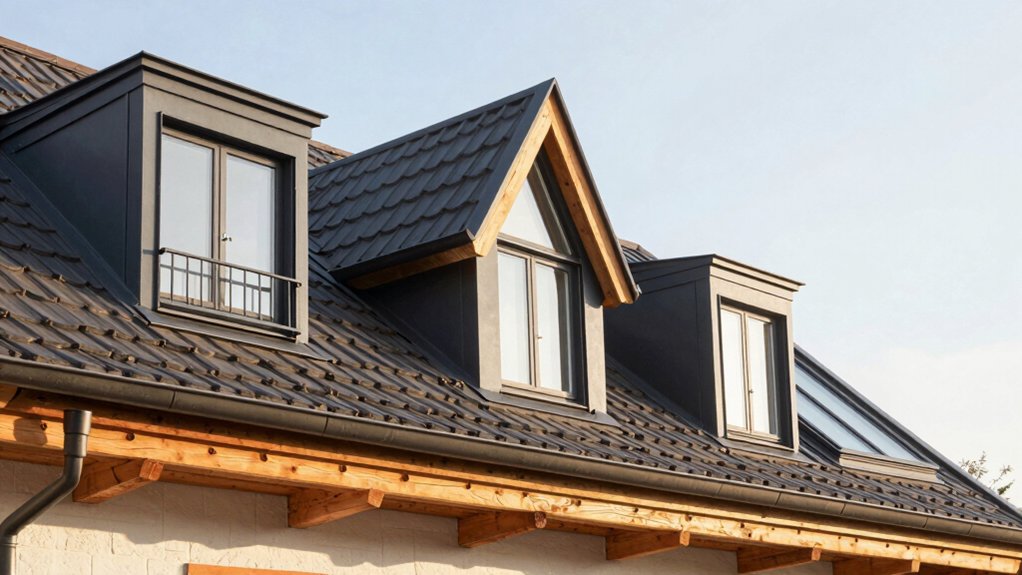
Velux roof extensions offer a cost-effective path to additional usable space with daylighting benefits, but budgeting hinges on roof size, window specifications, and integration with existing structure.
You’ll evaluate unit costs per roof plane, glazing type, and flashing kits, then add installation and potential scaffold access.
Key finance drivers include roof insulation and airtightness upgrades, as underperformance here erodes value.
You should factor in roof pitch and headroom changes that affect habitable area, plus potential structural reinforcements if joists or rafters require reconfiguration.
Planning permissions may be needed for consent, and you’ll account for surveyor fees and any permitted development constraints.
Expect incremental costs for skylight protection, electrical wiring, and ventilation provisions to ensure compliant, long-term performance.
Budget buffers prevent overruns during interim trades.
Size, Materials, and Building Regulations: What Drives Prices
Size, materials, and building regulations largely determine loft conversion costs. You’ll see price differences driven by roof span, floor joist spacing, and overall usable area, plus the complexity of the design.
Material choices matter: timber vs steel structural elements, type and thickness of insulation, and roof finish quality all influence unit costs and installation time.
Building regulations set minimum standards for safety, eaves height, fire protection, and headroom, which can force additional structural work or integration with existing services.
Insulation standards affect U-values, lowering long-term running costs but raising upfront spend.
Wiring requirements add budget items for electrical distribution, circuit protection, and accessory placements.
Budget-Saving Tips: Avoiding Common Loft Conversion Pitfalls
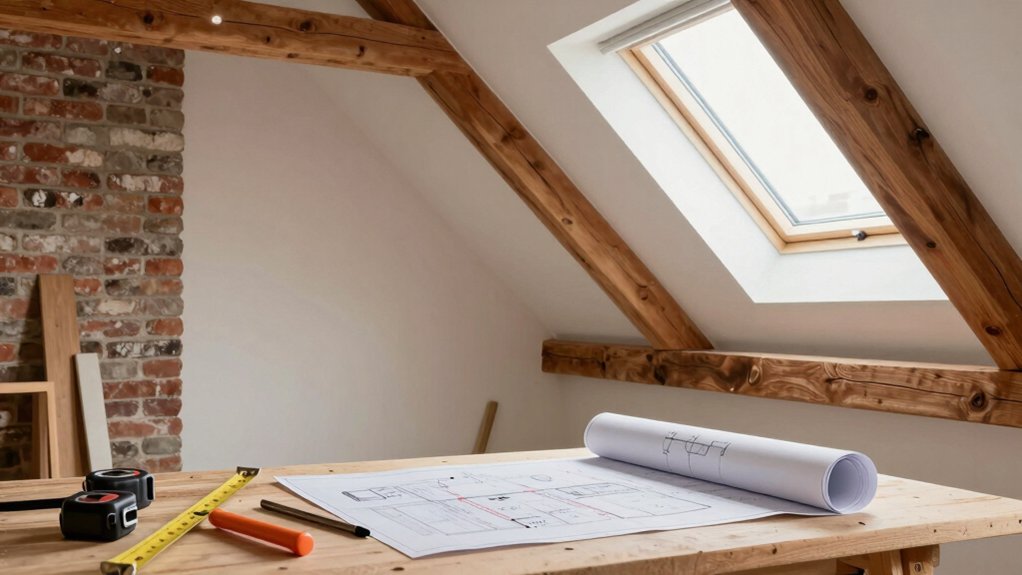
To save money on a loft conversion, plan ahead to prevent repeat work and unexpected costs. Then target the biggest value drivers: structural scope, insulation, and services integration. You’ll minimize risk by defining load paths, roof geometry, and ventilation now, reducing later modifications.
Conduct cost effective planning by detailing room dimensions, desired eaves height, and doorway positions before any permit submission or contractor engagement. Prioritize airtightness and thermal performance to lower long‑term operating costs.
For contractor selection, request precedent projects, verify licenses, and compare bid scopes–including scaffolding, waste disposal, and contingency allowances. Schedule trades to overlap where safe; staggered work increases cost risk.
Avoid changes after framing; procure long‑lead items early. Document change orders meticulously to preserve your budget and schedule.
Comparing Long-Term Value: Which Approach Suits Different Homes
Choosing the right loft-conversion approach depends on your home’s typology, existing structure, and long-term goals.
When evaluating long-term value, consider how each method affects usable floor area, headroom, and potential structural reinforcement.
Dormers typically increase space efficiency in pitched roofs, boosting interior design potential and natural light, but added bulk may alter exterior proportions.
Hip-to-gable extensions maximize usable volume for taller rooms and stairs, enhancing energy efficiency through improved insulation pathways and fewer thermal bridges.
Velux conversions offer cost-effective, minimal-impact gains, often best for light yew spaces and lower budgets, though ceiling height may limit furniture layouts.
Long-term value hinges on market desirability, adaptability, and maintenance costs.
Align choice with expected occupancy, resale potential, and energy-performance targets to optimize overall return.