
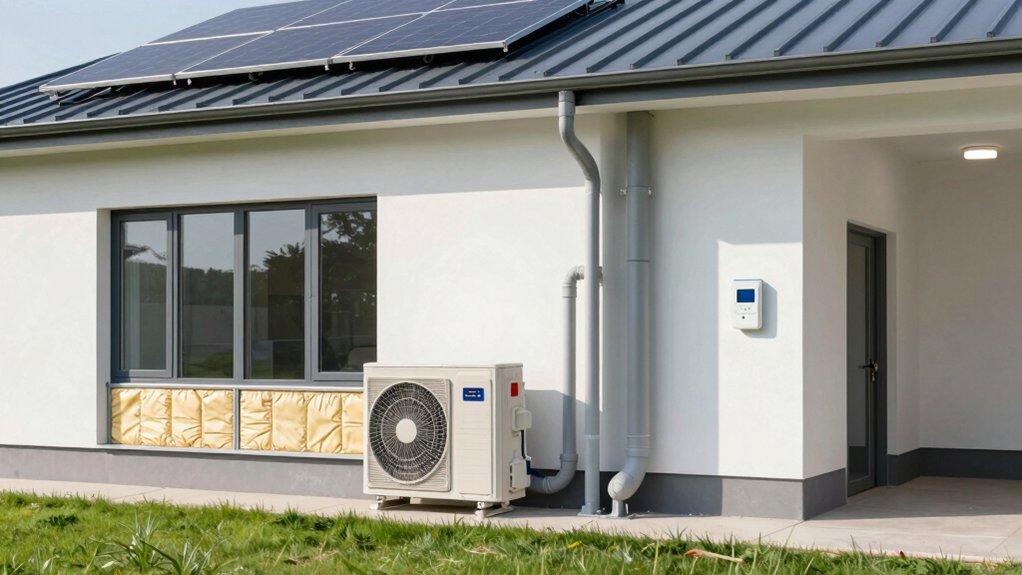
Last year, you cut your energy bill by upgrading insulation and sealing drafts. That approach pays back over time as comfort rises and daily operating costs fall. You can keep momentum by pairing efficient windows, smart lighting, and a capable HVAC with seasonal adjustments. The real question is how to balance upfront costs with long-term savings while planning for future repairs. Let’s map practical steps that fit your budget and your home’s design.
Upgrading Insulation for Year-Round Comfort
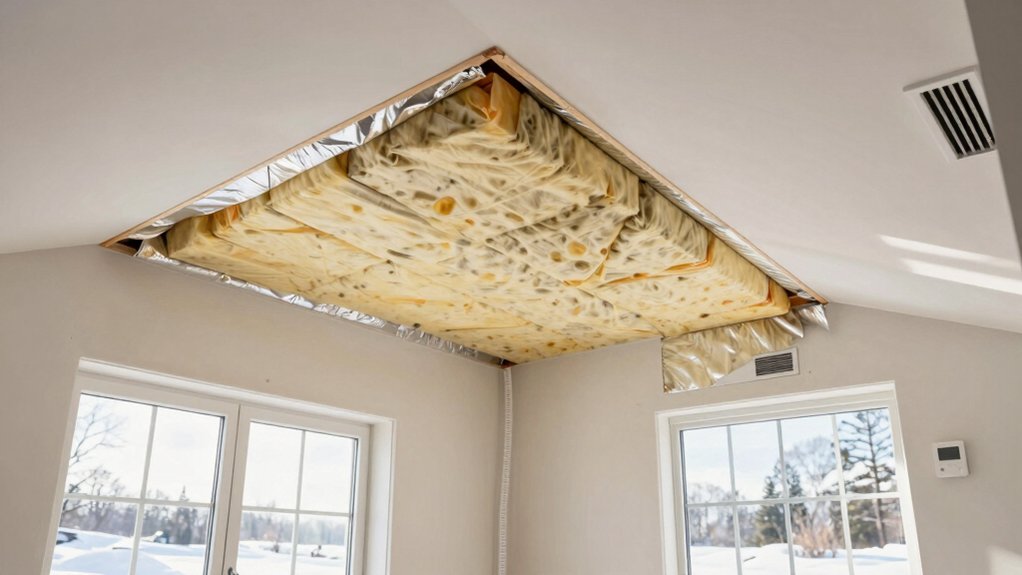
Upgrading insulation is one of the most cost-effective ways to cut yearly running costs. You’ll reduce heat loss and stabilize indoor temperatures, which lowers demand on heating systems and shrinks bills.
Target insulation levels in walls, roofs, and floors with high-R materials and continuous layers to minimize gaps. Be mindful of thermal bridging: where framing creates heat paths, add continuous insulation or careful detailing to interrupt those paths.
In spaces like attics and crawl spaces, seal air leaks first, then install appropriate insulation depth to meet climate needs. Use vapor barriers where moisture risk is present, ensuring proper installation to avoid condensation.
Regularly verify performance with simple checks and adjust upgrades as building usage or climate shifts.
Installing Energy-Efficient Windows and Doors
Installing energy-efficient windows and doors is a practical step to cut heat loss and drafts, improve comfort, and lower long-term energy bills. You’ll reduce heat transfer through glazing, frames, and seals, which directly lowers heating demand.
Choose double or triple glazing with low-emissivity coatings and insulated frames to maximize insulation. Pay attention to window framing materials—vinyl, aluminum with thermal breaks, or fiberglass offer low thermal conductivity and durability.
For doors, select well-sealed units with core insulation and weatherstripping, plus active door hardware that resists drafts.
During installation, ensure precise fits, proper flashing, and correct insulation around penetrations to avoid thermal bridges. Measure air leakage post-install to verify improvements and consider smart flashing to sustain performance over time.
Choosing Efficient Heating and Cooling Systems
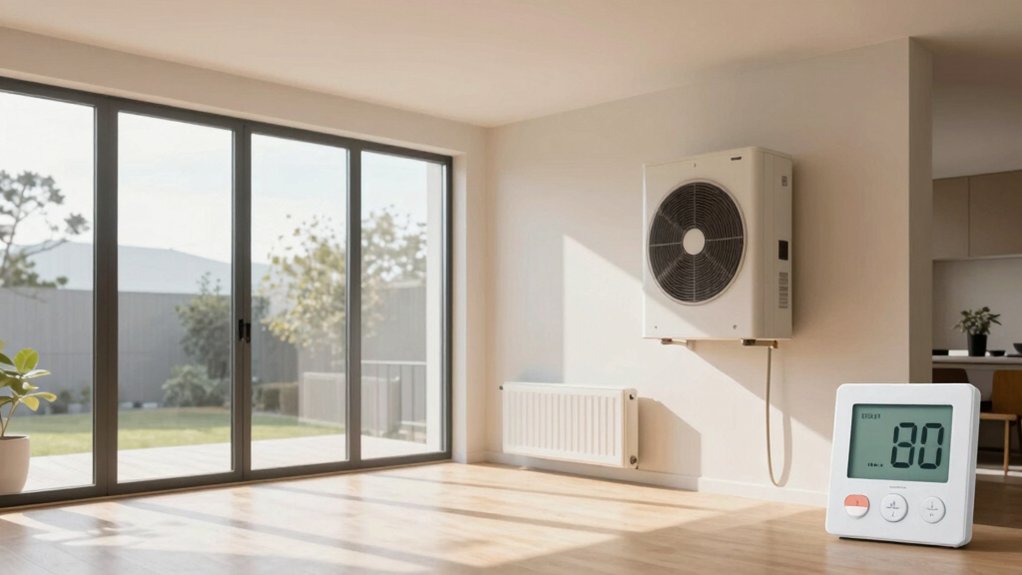
Choosing efficient heating and cooling systems starts with matching a system to your home’s design, climate, and existing ductwork or piping. Then, prioritize low operating costs and reliability. You should compare seasonal energy efficiency ratios (SEER) and annual fuel utilization efficiency (AFUE) to estimate long-term bills.
Heat pump technology often delivers high efficiency by moving heat rather than generating it, especially in moderate climates. However, backup resistance or gas heat may be needed for extreme cold.
Geothermal heating leverages stable underground temperatures to reduce energy use, though installation costs vary by lot and access.
Consider zoning, smart thermostats, and regular maintenance to maximize performance. Choose systems with durable components, low noise, and proven service networks for dependable comfort over decades.
Crafting a Smart, Low-Consumption Lighting Plan
Smart lighting planning starts by mapping usage patterns and selecting efficient, controllable options that fit your space, climate, and daily routines. You’ll prioritize high-efficiency LED fixtures with dimming and overlap control to minimize waste.
Use zoning so you light only active areas, not empty rooms. Implement motion sensors in hallways, bathrooms, and utility spaces to prevent overnight or accidental lighting. Pair sensors with daylight harvesting: sensors adjust artificial output based on natural light to maintain a constant comfortable level without overlighting.
Establish a lighting schedule that aligns with occupancy and tasks, reducing run-time during off-peak hours. Track performance: monitor energy use, fixture efficiency, and maintenance needs. Regularly review performance data and update controls as layouts or routines change to sustain long-term savings.
Implementing Solar and Renewable Energy Options
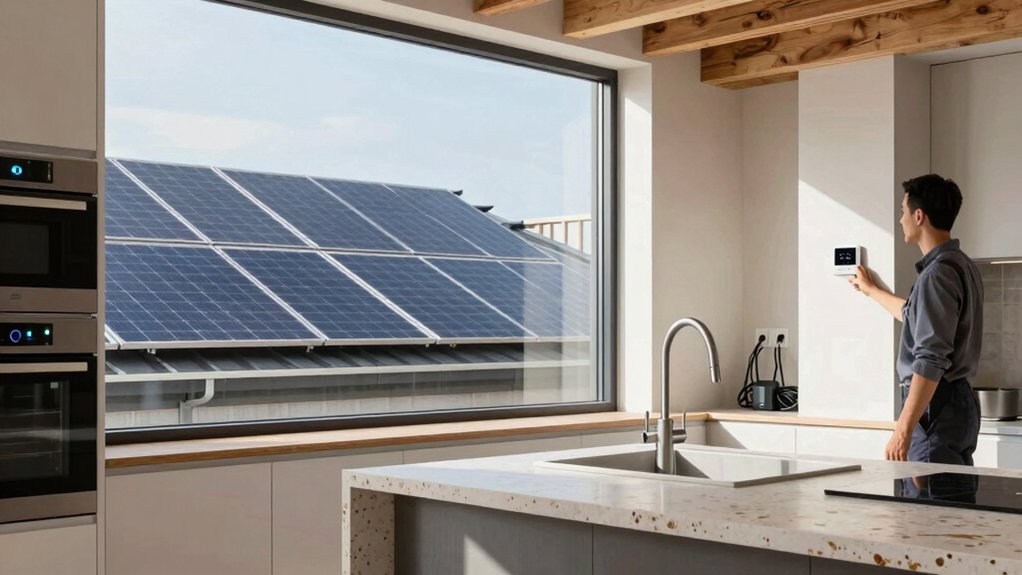
You can start by sizing a solar system to match your peak load and seasonal sun exposure. Then assess how battery storage can smooth out daytime generation for evening use.
Data shows that proper system integration reduces grid dependence and lowers long-term energy costs. Meanwhile, storage benefits include peak-shift and backup resilience.
We’ll compare inverter types, panel efficiency, and storage capacity to strike a practical balance between upfront costs and monthly savings.
Solar System Integration
Solar system integration is about sizing and wiring a solar setup to reliably offset energy use and cut running costs. You’ll map demand patterns, select suitable panel types, and design a layout that minimizes shading and wiring losses.
Use performance data to estimate system size, then verify with real-time monitoring to ensure you’re near forecasted output. Prioritize durable components and code-compliant connections for long-term reliability.
Track aging and degradation to refine capacity over time, avoiding overprovisioning that raises upfront costs. Regular solar panel maintenance reduces output drops and extends life, while prompt photovoltaic system troubleshooting prevents small issues from becoming costly outages.
Document every change and compare monthly consumption to predicted results to validate savings and guide future upgrades.
Battery Storage Benefits
Battery storage can smooth energy supply and maximize solar returns by storing excess daytime generation for use during peak demand or outages. You’ll cut grid reliance by profiting from daytime solar while powering essential loads at night or during outages.
In practice, pairing storage with solar shifts consumption away from peak-demand periods, lowering demand charges and increasing self-consumption. System sizing matters: match battery capacity to your typical daytime surplus and intended critical-load duration.
Lithium chemistry offers longer cycle life and higher depth of discharge, improving long-term economics, while lead-acid remains budget-friendly for smaller setups.
Real-world data show faster paybacks with higher solar penetration and utility incentives. With battery storage, you gain energy independence, resilience, and predictable operating costs, supporting a quieter, more efficient renovation.
Enhancing Air Sealing and Draft Prevention
Improving air sealing and preventing drafts starts with identifying major leakage paths: gaps around windows and doors, electrical outlets, plumbing penetrations, and attic access. You’ll measure relative impact using simple checks: feel for cold spots, use incense to reveal air movement, and map persistent drafts by room.
Install an effective air barrier at the envelope, prioritizing continuity over layered patching; seal penetrations with appropriate foams, caulks, or gaskets, and add weatherstripping to operable edges. Focus on airtightness test results relevant to routine comfort and energy use, not vanity fixes.
Draft proofing reduces load on HVAC, stabilizes indoor temperatures, and cuts heat loss in winter and cooling gains in summer. Reassess periodically after renovations to confirm ongoing performance. Use durable materials and clearly documented details for future maintenance.
Prioritizing Water Heating Efficiency and Conservation
Water heating is a major recurring energy cost, so optimizing efficiency and conservation should start with where you’ll see the biggest gains: the heater itself, the distribution system, and user habits.
You’ll reduce waste by selecting a high-efficiency unit, upgrading insulation, and setting thermostats to 120°F (49°C). Ducts and pipes should be insulated and routed with short runs to minimize heat loss.
On the distribution side, install low-flow fixtures and perform regular thermostat calibrations to prevent overheating. Practically, pair water heating with greywater recycling and rainwater harvesting where feasible to offset demand.
Track energy use, compare bills, and quantify savings after insulation and equipment upgrades to validate long-term cost reductions.
Selecting Durable, Low-Maintenance Materials
Selecting durable, low-maintenance materials starts with prioritizing proven performance and long service life. You assess lifecycle data for each option, weighing durability, failure rates, and maintenance intervals.
In timber framing, you favor consistently sourced, design-enabled solutions with moisture resistance and structural reliability, reducing repainting and replacement needs.
Consider decorative finishes that endure common exposure conditions, yet require minimal upkeep; choose coatings with long recoat cycles and proven washability.
Compare embodied energy and maintenance costs across materials to estimate total cost of ownership over 20+ years.
Favor modular, replaceable components that align with standard sizing, simplifying future repairs.
Prioritize warranty terms and supplier support to minimize downtime.
Document performance metrics and maintenance schedules to inform future replacements and renovations.
Optimizing Home Automation for Energy Savings
Smart thermostat scheduling, energy-efficient sensors, and modem/router power management work together to cut daily energy use. Start by showing how precise schedules reduce HVAC run time. Then, highlight sensors that adjust lighting and climate based on occupancy and daylight. Finally, quantify potential gains from turning off or sleep‑macing idle devices and ensuring network gear isn’t always on.
Smart Thermostat Scheduling
Smart thermostat scheduling streamlines energy use by aligning heating and cooling with your actual needs, so you don’t pay to condition empty spaces. By programming routines around occupancy, you cut waste and reduce runtime without sacrificing comfort.
Data shows that consistent daily patterns yield the largest savings, with week-over-week comparisons highlighting payback timelines of several months. Start with schedule customization: set different temperatures for awake, home, and away periods, and adjust for weekends when activity shifts.
Temperature optimization hinges on avoiding extreme setpoints during unoccupied hours while ensuring rapid comfort restoration when you return. Use adaptive learning to refine schedules as routines change, rather than relying on static presets.
Track results and iterate, targeting gradual, measurable decreases in HVAC energy use.
Energy-Efficient Sensors
Sensors that actually save energy rely on accurate, timely data from your devices. Energy-efficient sensors collect fine-grained signals to prevent waste and enable precise control.
In practice, choose motion, occupancy, temperature, and light sensors with low standby draw and fast response times, so automation reacts only when needed. Pair sensors with a central energy-monitoring platform to translate signals into actionable insights.
A smart meter provides real-time usage patterns, helping you identify high-demand periods and adjust routines accordingly.
Calibrations should be regular but minimal; avoid over-sensitivity that triggers nothing useful. Data-driven decisions rely on clear thresholds and fail-safes, ensuring you don’t chase false positives.
Prioritize interoperability, standard protocols, and secure communication to maintain reliable energy monitoring while reducing long-term costs.
Modem/Router Power Management
Optimizing energy usage starts with your modem and router: these devices often run continuously yet seldom need full power all day. In practice, enable energy-saving features and schedule off-peak sleep modes when devices aren’t in heavy use.
Use a modern modem/router combo that supports automatic low-power states and wake-on-demand for connected devices. Regularly review firmware updates, as improvements can reduce idle power without sacrificing performance.
Segment critical traffic from guests or IoT networks to minimize unnecessary activity during low-usage periods. Consider Ethernet backhaul for stable connections, reserving wireless bandwidth for priority devices to avoid constant high transmit power.
Track energy metrics monthly to quantify internet device energy savings and justify upgrades based on real, measurable reductions. Continuous optimization yields tangible, recurring cost reductions.
Designing for Passive Solar and Heat Gain Control
Passive solar design and heat gain control start with simple, data-driven decisions that reduce energy use without compromising comfort. You’ll optimize orientation, window placement, and shading to harness winter sun while limiting summer heat.
Use high-performance glazing and appropriate insulation to minimize unwanted transfer, then model seasonal heat loads to prioritize passive strategies over costly HVAC upgrades.
In practice, design for heat gain regulation by sizing overhangs, selecting thermal mass, and scheduling exposed surfaces to align with sun angles. Treat thermal performance as a system: walls, roof, and floors must complement glazing, air sealing, and mechanicals.
Monitor real-time results, comparing indoor temperatures to setpoints, and adjust shading or ventilation accordingly. This approach delivers sustained comfort and lower running costs through measurable, data-backed choices.