
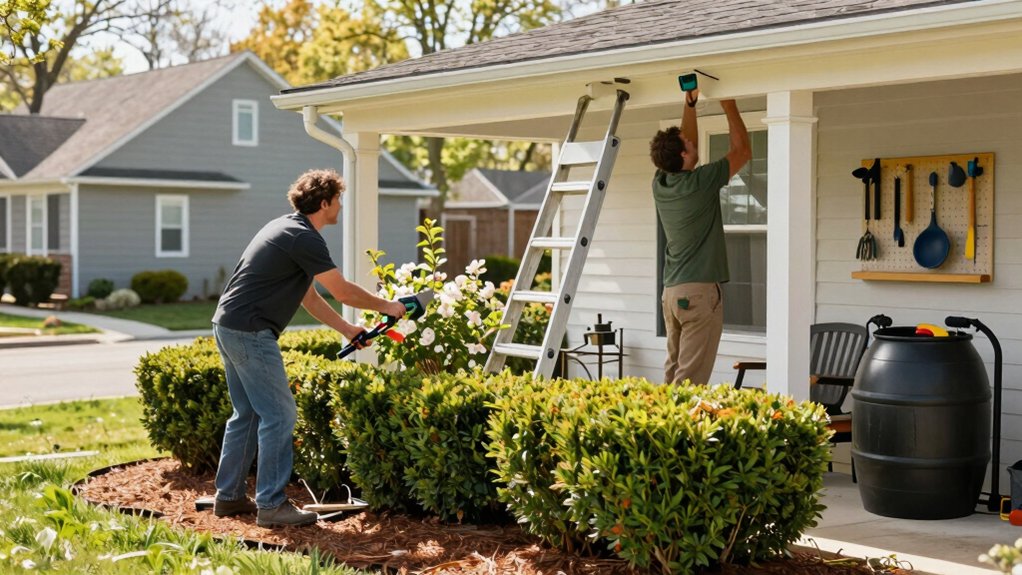
Spring & Fall Home Maintenance Must-dos keep your home safe, efficient, and comfortable. Start with safety checks—test smoke detectors, seal gaps, and top up attic insulation. Tackle exterior upkeep by cleaning surfaces, trimming branches, and sealing drafts around windows and doors. For gutters and roofs, clean debris, inspect for damage, and make certain downspouts direct water away from foundations. Tune up HVAC and indoor air quality, and apply energy-saving tweaks with weatherproofing. A quarterly plan will keep you on track—more tips ahead.
Spring Quick Checks: Smoke Detectors, Caulk Gaps, and Attic Insulation
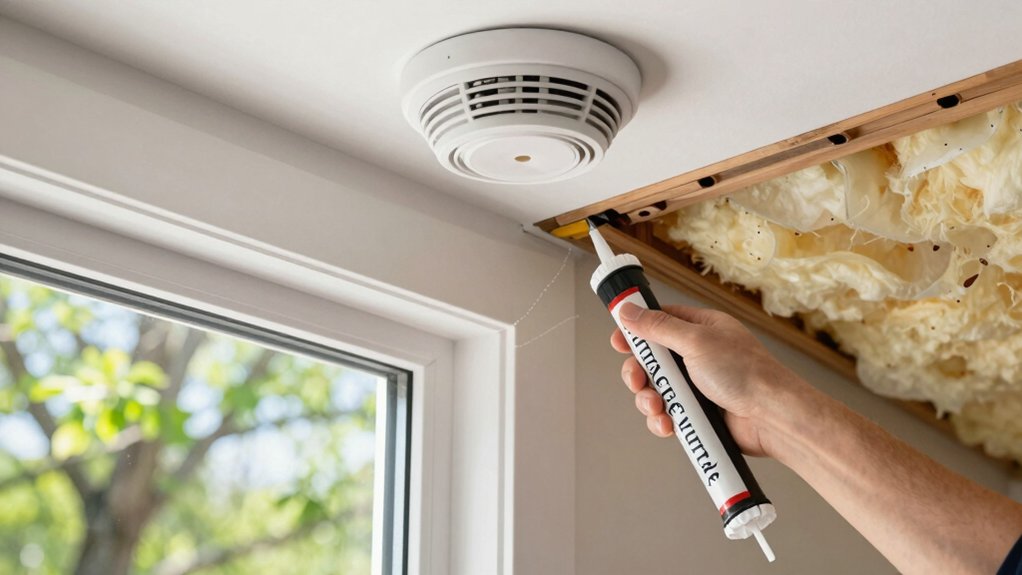
Spring is the best time to check safety and efficiency: test your smoke detectors, seal any cracked caulk around windows and doors, and inspect attic insulation for gaps or compression.
You’ll perform essential spring quick checks with clear purpose, focusing on fire safety and structural integrity. First, verify all smoke detectors function and replace batteries or units as needed; remove dust and test hush features if available.
Next, seal gaps with appropriate caulk, ensuring a tight seal around framing to reduce drafts and moisture intrusion.
Finally, assess attic insulation for compression or voids, topping up where needed to improve energy efficiency.
Schedule professional electrical inspections separately if you suspect wiring concerns, and address any alarms or inconsistencies promptly.
Maintain vigilance, and minimize risk through proactive maintenance.
Spring HVAC and Indoor Air Quality Tune-Up
A spring HVAC and indoor air quality tune-up focuses on optimizing comfort and efficiency while reducing allergens and health risks. You’ll inspect the blower, belts, and electrical connections for wear, replace worn components, and confirm proper thermostat operation.
Check refrigerant pressure if you have a split system, and test cooling performance to ensure the system meets seasonal demands.
Clean or replace filters, and assess ductwork for leaks or oversized gaps that waste energy. Calibrate humidistat settings and verify humidity control meets occupancy needs to prevent mold and dust issues.
Install or confirm an air purifier in areas with high exposure, and seal gaps around registers.
Schedule professional airflow and IAQ assessments annually to sustain peak performance.
Gutters, Roof, and Spring Thaw Prep
Your gutters catch and channel meltwater, so you’ll want a reliable cleaning habit before spring thaws.
Inspect your roof for loose shingles, signs of wear, and blocked or damaged flashing that could leak water inward.
We’ll walk through practical checks and timely maintenance to prevent ice dams and costly damage.
Gutter Cleaning Habits
Regular gutter cleaning is essential to prevent water damage, ice dams, and pest problems, especially as temperatures rise and snowmelt increases. You should establish a routine that targets debris buildup before storms, not after trouble appears.
Start by inspecting downspouts for clogs, then remove leaf debris from the gutter troughs using a scoop or gloved hand, working from the ground or a stable ladder. Use a garden hose to flush each run, noting any sagging sections or misaligned hangers that require tightening.
Consider installing gutter guards if you have persistent leaf debris that slows drainage, but verify they don’t impede necessary airflow. Schedule seasonal cleanouts in spring and fall, and keep safety top of mind when working near roof edges.
Roof Inspection Tips
Before you scale a ladder, do a quick exterior safety check: inspect the roof edge for damaged shingles, loose flashing, and signs of wear, then plan a careful, methodical walkthrough to catch issues early.
Start with a steady ascent and a seat belt of grip on dry surfaces. Use binoculars for distant assessment, then close inspection up close.
Look for shingle damage, curling, or missing tabs, and test for soft spots by gentle pressure. Inspect flashing around chimneys, vents, and along joints for gaps or corrosion.
Check gutters for granule buildup that signals shingle wear. Note potential water intrusion paths and prioritize safety-first repairs.
Document findings, then address flashing issues promptly to prevent leaks and extend roof life.
Energy-Saving Tweaks for Warmer Weather
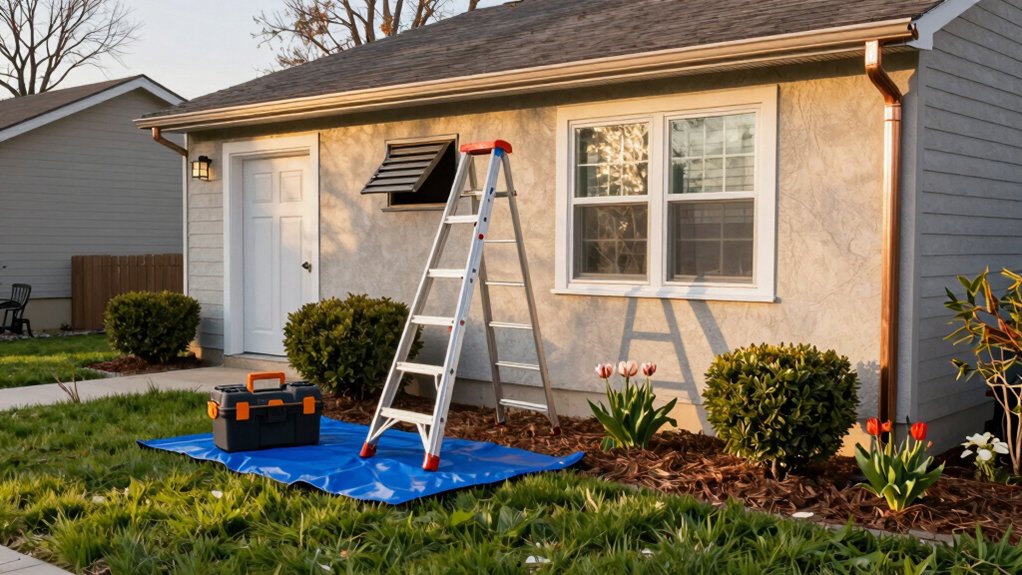
Now is the time to seal leaks effectively, so your cooling system runs efficiently without overworking. By identifying and fixing gaps around doors, windows, and vents, you reduce unwanted heat gain and cut energy use.
Pair that with optimizing cooling loads—shade strategies, airflow, and properly sized vents—to keep your home comfortable and costs down.
Seal Leaks Efficiently
Seal leaks quickly to cut cooling costs and improve comfort. You’ll gain immediate relief by targeting obvious entry points and pressurized gaps first. Inspect doors, windows, electrical outlets, and attic hatches for daylight or airflow. Use caulk gaps around trim and window perimeters to stop drafts, then seal leaks with appropriate materials for each location.
For larger gaps around plumbing or wiring, install foam backer and sealant, ensuring a tight, continuous barrier. Weather-stripping should close movable joints on doors and operable windows; replace worn strips as needed.
Maintain a consistent approach: fix leaks at their sources, not with temporary fixes. Recheck after weather changes or remodeling, and document installations to guide future upkeep. This keeps interiors cooler efficiently and reduces energy waste.
Optimize Cooling Loads
To minimize cooling demands, focus on strategies that reduce heat gain and improve system efficiency during warm weather. You can cut energy use by tackling both passive and active loads, ensuring comfort with fewer run cycles and lower bills.
Start with exterior shading to lower solar gain and protect sensitive surfaces. Plan strategically: shade trees, awnings, and strategically placed vegetation reduce radiant heat on walls and windows.
Inside, install window coverings that reflect heat or block sunlight during peak hours.
Maintain your AC, verify duct integrity, and seal leaks to keep performance high. Use programmable thermostats to align cooling with occupancy.
Schedule airflow checks and filter changes routinely to prevent efficiency drop. Regular maintenance plus thoughtful design keeps cooling loads manageable.
Fall Weatherproofing and Insulation Basics
As temperatures drop, fall is the ideal time to tackle weatherproofing and insulation basics to keep your home comfortable and efficient. Start with airtight seals around windows and doors. Inspect window frames for gaps and apply appropriate window wrappings or sealant where needed. Check door bottoms and thresholds; install weatherstripping or door sweeps to reduce door drafts.
Focus on insulation in attic access, rim joists, and exterior walls; seal attic hatches and add insulation where gaps exist. Retrieve a quick heat-loss checklist: seal penetrations, improve ductwork if accessible, and address plumbing vulnerabilities in unheated spaces.
Use a blower door test or simple draft check to verify improvements. Prioritize high-return fixes, then monitor indoor comfort and energy use for ongoing gains.
Furnace, Boiler, and Water Heater Readiness
Before cold weather arrives, inspect and prepare your furnace, boiler, and water heater to guarantee reliable, efficient operation. You’ll boost furnace efficiency and reduce breakdown risk by following these checks.
- Check filters and replace dirty ones to improve airflow and efficiency.
- Test carbon monoxide alarms and verify venting for boiler safety and safe operation.
- Inspect thermostat function and confirm responsiveness to temperature changes.
- Schedule professional service if you notice unusual noises, leaks, or weak heat.
Keep supply lines clear, drain valves if needed, and ensure outdoor units are free of debris.
Perform basic start-up checks, verify hot water delivery, and confirm setback temperatures are sensible. Regular maintenance reduces energy use, prolongs life, and minimizes surprises when temperatures dip.
Autumn Gutter, Roof, and Exterior Care
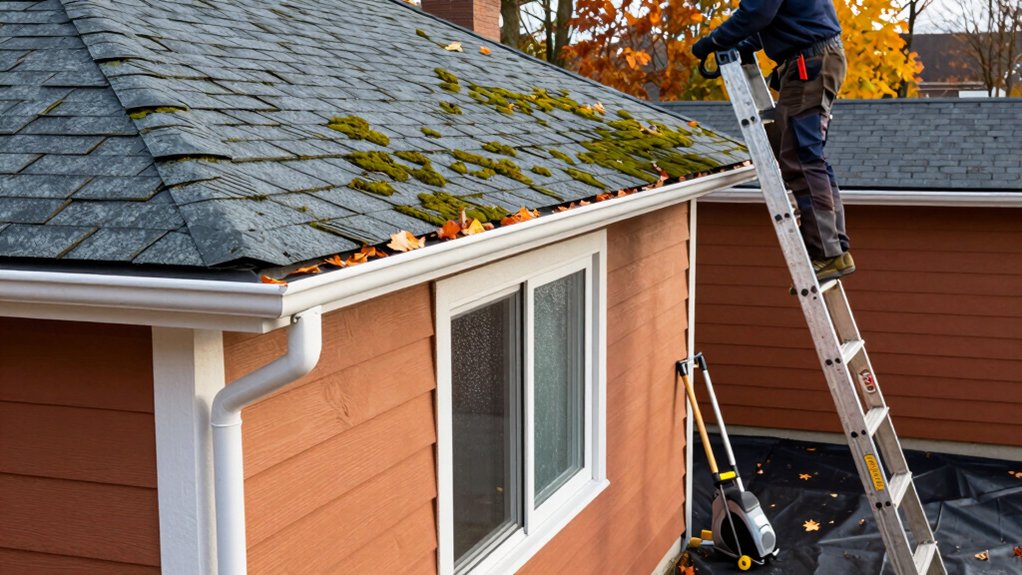
Autumn gutter, roof, and exterior care keeps your home protected as temperatures drop. You’ll inspect and clear debris from roofs and gutters to prevent ice dams, leaks, and siding staining.
Prioritize leaf removal in one thorough pass, then follow with targeted checks: loose shingles, damaged flashing, and signs of wear on fascia boards. Guarantee downspouts channel water at least five feet from foundations; adjust or extend as needed.
Consider gutter guards to reduce future clogs, but verify they’re properly installed and free of debris that can bypass protection. Clean exterior surfaces, seal gaps around windows and doors, and trim overhanging branches that drop leaves or whip in gusts.
Schedule repairs promptly to maintain efficiency and curb appeal.
Create a Seasonal Maintenance Schedule You’ll Actually Use
To make seasonal maintenance stick, design a simple schedule you’ll actually follow: map out four core tasks per season, assign clear dates, and keep the plan visible where you’ll see it daily. You’ll keep momentum by pairing tasks with specific windows and check marks, not vague goals. Use a straightforward calendar view and set reminders for consistency.
Focus on practical actions: seasonal pest control, outdoor lighting tips, inspections, and minor repairs. This framework prevents drift, guarantees accountability, and reduces surprises.
- Establish four seasonal tasks and exact dates for each
- Place the plan where you’ll see it daily and set reminders
- Track progress and adjust quarterly to prevent backlog
- Schedule quick checks for seasonal pest control and outdoor lighting tips
Conclusion
Here’s the bottom line: stay proactive, not reactive. By tackling spring and fall checks—smoke detectors, insulation, gutters, HVAC tune-ups, and season-specific maintenance—you prevent costly surprises and keep comfort steady. Create and follow a simple seasonal schedule you’ll actually use, and you’ll reduce energy waste, extend appliance life, and improve indoor air quality. Remember: an ounce of prevention is worth a pound of cure. Start now, and you’ll thank yourself later.