
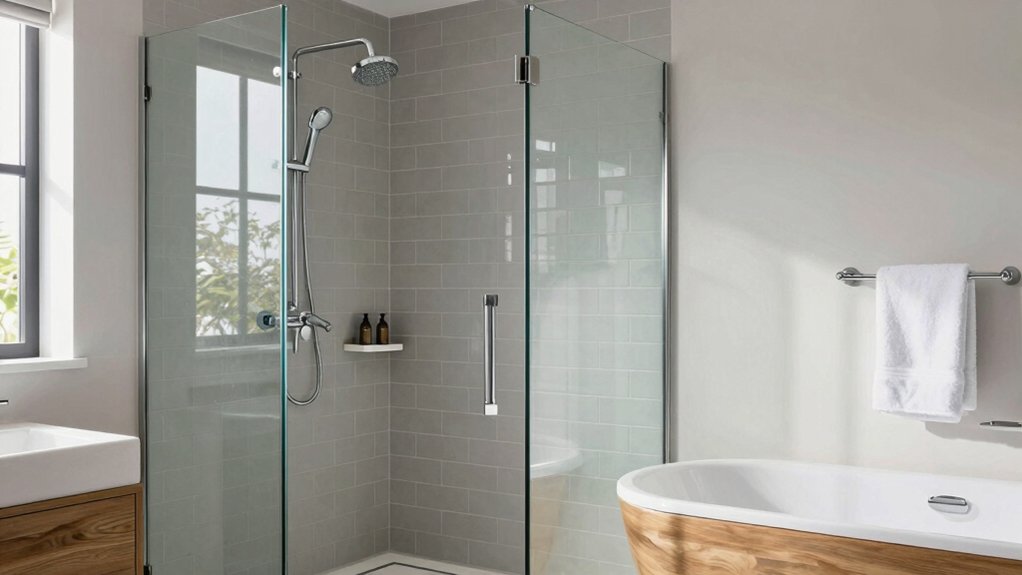
A walk-in shower generally boosts resale value more than a bathtub, especially in smaller to mid-sized homes, because buyers prioritize space, accessibility, and low maintenance. You’ll often see quicker turnover and stronger price signals with modern fixtures, neutral finishes, and smart layouts. Tubs can fit larger homes or multigenerational needs, but upgrades pay off when aligned with market expectations. If you keep exploring, you’ll uncover exactly when a shower or tub makes the most sense for your area.
What Buyers Want: Showers or Tubs for Resale

When buyers evaluate homes, they weigh the resale value of showers versus bathtubs, and the preference often hinges on demographics and needs. You’ll notice trends favoring showers for accessibility, efficiency, and modern appeal, especially in smaller or market-driven regions.
Yet bathtubs remain desirable for families, luxury moments, and certain demographics seeking spa-like comfort. In resale, focus on layout compatibility, fixture quality, and overall maintenance.
Luxury upgrades and eco-friendly fixtures can boost appeal across buyer segments by signaling durability and responsible design. A balanced approach—cohesive styling, durable materials, and practical features—helps you attract a broader audience.
Prioritize thoughtful upgrades that align with your home’s market positioning, while ensuring clean lines and easy upkeep to support strong resale outcomes.
Value Impact at a Glance: Walk-In Showers vs Tubs (Data-Backed)
Value shifts favor walk-ins as the data shows quicker resale timelines and steadier price upticks when they replace tubs.
Market preference trends indicate more buyers prioritize accessibility and modern design, pushing demand toward showers.
In this snapshot, you’ll see how the resale impact aligns with the evolving value equation across styles and regions.
Value Shift With Showers
Shifting value typically favors walk-in showers when you measure impact across cost, space, and resale appeal. You’ll notice how data aligns with practical perception: fewer maintenance worries, a modern aesthetic, and broader buyer confidence.
This shift isn’t random; it’s rooted in how buyers value luxury upgrades that feel accessible and timeless. When you compare tubs to showers, the clarity of a walk-in design often signals improved flow, updated fixtures, and a streamlined footprint that appeals to urban and family homes alike.
The result is heightened perceived value, not just function, because aesthetic appeal matters as much as price.
- Clearer space, stronger first impression, and stronger resale confidence
- Verified maintenance savings translate into buyer enthusiasm
- Luxury upgrades feel attainable, not ostentatious
- Market signals point to enduring appeal and shorter listing times
Market Preference Trends
Market preference trends show a clear tilt toward walk-in showers when buyers weigh value across cost, space, and resale appeal. You’re observing how buyers prioritize efficiency, maintenance ease, and perceived modernity, which often translates into stronger demand for streamlined layouts.
Data-backed patterns reveal higher interest in walk-ins when the initial cost difference is balanced by ongoing savings on water use and cleaning time. Aesthetic appeal matters, but it’s the combination of spacious feel and accessible design that resonates most with buyers seeking belonging and comfort.
Luxury upgrades, when selected thoughtfully, reinforce value without overwhelming smaller baths. In short, market signals suggest walk-ins outperform tubs for resale confidence, provided the design remains timeless, durable, and aligned with your home’s overall style.
Resale Impact Snapshot
Despite evolving preferences, walk-in showers consistently deliver stronger resale signals than tubs when you weigh cost, space, and maintenance over time. Data-backed snapshots show these patterns hold across homes of varying sizes and markets, reinforcing a prudent, buyer-focused view.
You’ll likely see higher perceived value with walk-ins, especially when paired with thoughtful design choices like luxury upgrades and eco-friendly options.
- You gain confidence knowing the upgrade pays off in resale without overbuilding
- Buyers connect with accessible layouts that save space and time
- Eco-friendly options add appeal for modern, value-driven households
- Luxury upgrades signal premium quality without compromising practicality
In short, your choice reflects a strategic balance of aesthetics, function, and long-term appeal.
Who Benefits Most: Comfort and Accessibility Considerations

Accessibility features matter, and they directly affect ease of use and safety for a wide range of users. You’ll see that comfort and safety benefits hinge on non-slip floors, grab bars, and adjustable shower heights or seating options.
This data-backed view helps you compare who gains most from each setup in real-world, everyday scenarios.
Accessibility Features Matter
For many households, accessibility features aren’t a luxury—they’re a practical necessity that shapes daily comfort and safety. You’ll gain measurable value when a home supports independence, reduces barriers, and aligns with aging-in-place goals.
In this view, the choice between a walk-in shower and a tub isn’t just style—it’s functional clarity supported by data on usage patterns, maintenance, and retrofit potential. Accessibility features can boost perceived value without sacrificing luxury features or energy efficiency, appealing to buyers who seek balance between convenience and efficiency.
The result is a home that feels inclusive, well-planned, and confident in long-term usability for varied needs.
- Ease of entry reduces risk and increases daily confidence.
- Thoughtful layouts support multi-generational living.
- Subtle efficiency tweaks lower ongoing costs.
- Design choices signal long-term value and belonging.
Comfort and Safety Benefits
Comfort and safety benefits come into sharp focus when choosing between a walk-in shower and a tub, because design choices directly influence daily ease and accident risk. For most households, walk-ins reduce tripping hazards and provide lower thresholds, aiding balance and independent use.
Tub setups, when modified with ergonomic seating or grab bars, offer stability for slower transfers, which benefits caregivers and aging residents. In measurable terms, compliance with universal design standards correlates with fewer slips and improved overall comfort.
You’ll notice that luxury upgrades, like non-slip surfaces and smart temperature controls, elevate perceived value without sacrificing safety. Aesthetic appeal matters too: clean lines and accessible layouts create a cohesive, confident routine.
The right choice aligns safety gains with personal comfort, fostering a sense of belonging for all users.
Cost Snapshot: Upfront, Install, and Long-Term Value
When weighing walk-in showers against bathtubs, the upfront cost, installation complexity, and long-term value all matter. You’ll see higher initial spend with walk-ins, but fewer ongoing maintenance needs can balance that gap over time.
Bathtubs often require larger enclosure work and custom linings, driving additional labor costs. Over the long term, resale value can hinge on perceived convenience and accessibility, not just price tag. This snapshot rewards objective planning, not impulse buys, and acknowledges luxury upgrades where they fit your budget.
Aesthetics matter too: a cohesive bath signals quality and thoughtful design.
- You gain immediate mood lift from a refreshed space.
- You avoid costly retrofits by choosing durable finishes.
- You’ll appreciate predictable maintenance and fewer leaks.
- You secure lasting aesthetic appeal and belonging in your home.
Design Trends That Boost Bathroom Resale Appeal
Smart design choices can substantially lift a bathroom’s resale value, with trends that balance aesthetics and practicality leading the pack. You’ll see durable materials, timeless finishes, and efficient layouts driving buyer confidence.
Targeted updates like frameless glass, linear drains, and under‑mounted sinks deliver a modern look without clutter. Data shows value lifts rise when you pair style with function, so prioritize lighting, ventilation, and moisture control to sustain appeal.
Luxury upgrades resonate with buyers seeking a premium feel without overinvestment, while eco-friendly fixtures reduce operating costs and environmental impact.
Choose neutral palettes with subtle texture to maintain broad appeal, then layer in statement hardware or soft‑close cabinetry for a refined finish. Consistency across surfaces reinforces quality, reinforcing confidence in long‑term resale potential.
Space-Smart Layout Ideas to Maximize Resale Value

To maximize resale value, prioritize a space-smart layout that streamlines movement and optimizes storage without compromising function. You’ll value efficient footprints, smart storage alcoves, and clear sightlines that reduce clutter and boost perceived quality.
Pair this with measured luxury upgrades and eco friendly fixtures to signal long-term value without excess. The result is a bathroom that feels larger, calmer, and more built for everyday life.
- Prioritize a walk-in flow with minimal thresholds to enhance accessibility and confidence
- Use recessed niches and wall cabinets to keep surfaces clear and visually expansive
- Integrate eco friendly fixtures that deliver performance with lower operating costs
- Select luxury upgrades that reinforce durability and timeless style without overcrowding the space
Local Market Nuances: When to Favor a Shower or a Tub
In markets where buyers prioritize practicality and immediate usability, the choice between a shower and a tub hinges on demand signals, home size, and local aging-in-place trends.
You’ll notice that mid-size homes in dense suburbs favor versatile shower‑bath configurations when space limits budget and time for renovations.
Conversely, larger homes or regions with aging homeowners often reward a spa-like tub or a combined ensuite, signaling luxury upgrades without bloating price.
Local appraisals track recent sales to quantify premium lift from specific features, helping you calibrate budget considerations before committing.
Your decision should align with market tempo, comparable amenities, and neighborhood expectations.
A targeted upgrade that matches buyer expectations can boost appeal without overspending, preserving resale value and reinforcing a sense of belonging in the community.
Quick Wins: Practical Tips to Maximize Value Regardless of Choice
If you’re aiming for broad appeal, focus on low-cost, high-impact upgrades that apply to both showers and tubs—bright lighting, excellent caulking, and solid ventilation—because these details often influence buyer perception more than room size.
You’ll gain measurable value with smart, budget-conscious choices that read as well-maintained and modern. Implement luxury upgrades thoughtfully, prioritizing durable finishes and easy upkeep.
Pair these with disciplined maintenance tips to preserve appeal over time, not just at sale. The result is a cohesive, confident narrative your home conveys to buyers.
Data shows these small refinements reduce objections and shorten days on market, even in competitive markets. Lean into practical, proven steps that reinforce belonging and trust.
- Upgrade lighting for even, flattering illumination
- Seal gaps and recaulk with water-resistant formulas
- Optimize ventilation to combat moisture
- Schedule regular maintenance tips and inspections
Frequently Asked Questions
How Do ROI Differences Vary by Bathroom Size?
ROI differences vary with bathroom size: larger spaces dilute renovation costs per square foot, while you gain more impact from luxury upgrades. In smaller baths, prioritize efficient layouts; buyers value smart fixtures, efficiency, and perceived quality over sheer square footage.
Do Resale Values Favor One Option in Rental Properties?
“Facts don’t lie.” In rental properties, resale values don’t strongly favor one option; both can work. You’ll boost appeal with luxury upgrades and accessibility considerations, matching target tenants while preserving ROI and a sense of belonging.
Which Materials Prevent Resale Value From Declining?
Yes, you should prioritize luxury fixtures and eco friendly materials, as they help preserve resale value. You’ll attract buyers who value quality, data-backed reliability, and belonging, while maintaining curb appeal and durable performance.
How Do HOA Rules Affect Shower vs. Tub Installations?
HOA rules can restrict shower or tub installations, so you’ll align with community standards before planning luxury upgrades or accessibility features, ensuring compliant, data-driven decisions that foster belonging while protecting resale value.
Are There Regional Preferences for Showers or Tubs?
Regional preferences do vary, influenced by climate and culture; you’ll see coastal homes favor showers, while traditional interiors sometimes lean toward tubs, reflecting cultural influences and market data shaping buyer expectations.