

Top ROI comes from upgrades that balance cost, durability, and market demand. Focus on kitchens and bathrooms for high payoff through refreshed cabinets, durable counters, energy-efficient appliances, and practical fixtures. Exterior curb appeal and durable landscaping boost first impressions, while energy-efficient upgrades cut ongoing costs and attract buyers. Open-plan layouts can raise perceived space without major additions, and smart upgrades like LED lighting and programmable thermostats accelerate payback. If you keep these priorities in mind, you’ll boost resale value—and you’ll see why these choices matter as you move forward.
Which Renovations Deliver the Best ROI: Criteria and Approach
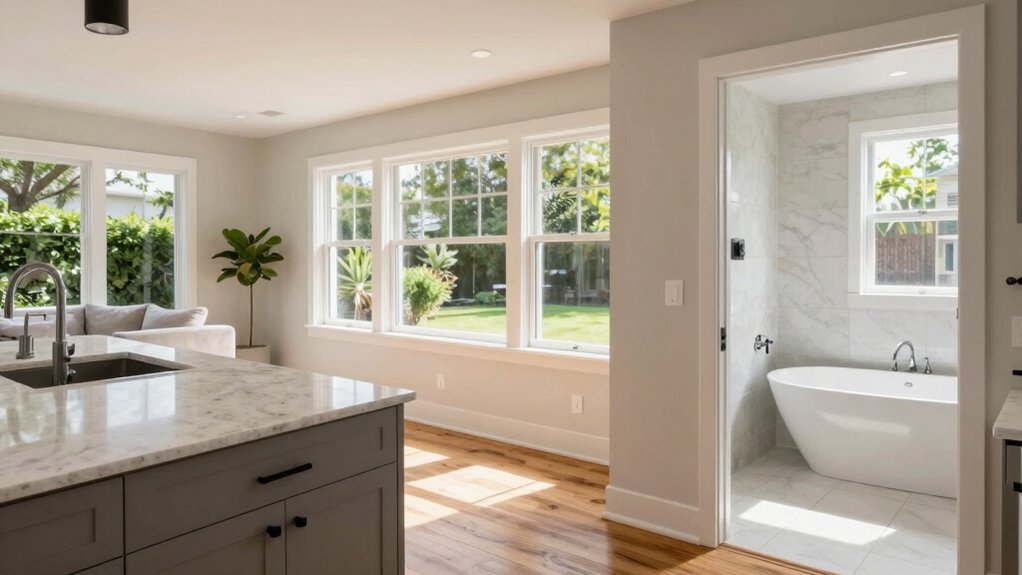
When evaluating remodeling options, start with the ROI mindset: identify projects that typically add value relative to their cost and are attractive to buyers in your market. You’ll focus on durable, data-backed choices that improve appeal without overreaching budget.
Prioritize rooms with high turnover impact and measurable payoff, such as improved layout, better finishes, and enhanced energy performance. Establish clear criteria: cost-to-value ratio, market demand, and project duration.
Compare options against baseline condition and local price data, then filter for high-ROI moves. Consider material selection that balances quality with price, ensuring longevity and buyer comfort.
Leverage contractor expertise to validate feasibility, timelines, and risk. Your aim is confidence, not guesswork—guided by data, you’ll choose scalable upgrades that align with belonging and buyer expectations.
Kitchen Upgrades That Pay Back at Resale
Upgrading your kitchen pays back when you prioritize layout, durable finishes, and energy-efficient features that buyers expect. You’ll see value from smart layouts that reduce friction in daily routines, plus materials and appliances that resist wear.
Data shows highest ROI comes from refreshed cabinets, quartz or solid-surface counters, and energy-star appliances that cut operating costs. Focus on durable flooring options that hold up under traffic and spills, aligning with modern styles buyers anticipate.
Appliance upgrades deliver measurable resale boosts when paired with efficient lighting and well-sealed storage. Flooring enhancements should be cohesive with cabinetry color and grain, avoiding trends that quickly fade.
You’ll gain appeal by delivering quality, maintenance ease, and long-term savings, reinforcing belonging through thoughtful, practical design choices.
Bathrooms That Boost Your Return on Investment
If you want real ROI, start with a bathroom that blends durability with efficiency. You’ll maximize value by prioritizing durable materials, water efficiency, and timeless design that ages well.
Data show mid-range remodels with quality fixtures return strongly, while high-cost luxury upgrades can dilute ROI unless they address core user needs.
Focus on practical upgrades: low-flow toilets, efficient showerheads, and solid resurfacing choices that resist wear.
Smart technology adds appeal: programmable lighting, touchless faucets, and lockdown-safe ventilation systems boost perceived value without overbuilding.
Luxury features should feel functional, not flashy, to attract broad buyers.
Aim for a cohesive look, good lighting, and ample storage.
This approach delivers solid resale confidence while maintaining daily comfort and a sense of belonging.
Boost Curb Appeal to Raise Perceived Value
Boosting curb appeal directly influences how buyers value your home. An exterior makeover shown to lift perceived value.
A well-landscaped front yard and thoughtful exterior upgrades can translate into stronger offers and faster interest.
Start with targeted improvements that maximize first impressions, then measure impact alongside renovation costs.
Exterior Makeover Boosts Curb Appeal
A curb appeal refresh can raise a home’s perceived value quickly, since buyers notice the exterior first and form opinions before stepping inside. Exterior makeovers drive measurable ROI through updated siding, roofing, and entry updates that boost perceived quality without overhauling the whole shell.
You’ll see stronger market attention when color and contrast align with architectural style, improving listing photos and curb presence. Focus on durable materials and low-maintenance finishes to reduce long-term costs and tardy maintenance.
Add purposefully chosen garden designs near the entry to anchor the home’s frame, guiding the eye toward the front door. Choose paint colors that complement the surroundings, increase contrast for depth, and meet local aesthetic norms.
This approach reinforces belonging and signals prudent, value-minded design choices.
Landscaping Accents Value Perception
Outdoor plantings, containers, and strategic hardscape accents can noticeably lift perceived value without a full landscape overhaul. You’ll see incremental ROI from simple, well-placed tweaks rather than costly overhauls.
Focus on cohesive design cues: consistent plant palettes, tidy beds, and seasonally varied focal points. Garden lighting extends curb appeal into evening hours, guiding attention to key features while enhancing safety.
Outdoor furniture as a focal vignette signals lifestyle quality and invites occupancy, reinforcing value without structural changes. Use durable materials and neutral tones to maximize perceived finish and longevity.
Container groupings create flexible drama and color rhythm, especially near entryways and paths. Track results by guest perception surveys and neighborhood benchmarks to calibrate future tweaks for maximum value perception.
Energy-Efficient Upgrades That Cut Costs and Raise Value
Energy savings start now with noticeable monthly cuts, while high-impact upgrades keep maintenance minimal and value rising over time.
You’ll see faster payback when you pair efficient systems with smart insulation, and the data supports solid ROI across common retrofit choices.
We’ll outline payback timeframes and quantify cost reductions to help you compare options confidently.
Energy Savings Now
Could small upgrades really cut your monthly bills while boosting your home’s value? Yes. Energy savings today come from practical, data-backed choices you can implement quickly. Replacing incandescent bulbs with LEDs lowers phantom loads and improves comfort without major disruption.
Solar panels and smart thermostats illustrate high-ROI upgrades when timed with incentives and local rates. Solar panels reduce utility imports, often paying back the installation cost within a decade depending on location, while smart thermostats optimize heating and cooling, cutting bills by up to 10–15% on average.
Pairing insulation improvements with efficient windows further stabilizes indoor comfort. These steps signal prudent living: lower bills, higher resale appeal, and a tangible commitment to sustainable, forward-thinking home ownership.
High-Impact Upgrades
Smart upgrades pay off fast: energy-efficient improvements that target heating, cooling, and lighting deliver the biggest ROI by cutting monthlies and boosting resale value. You’ll see rapid cost savings when you upgrade insulation, seal ducts, and install high-efficiency HVAC systems.
LEDs and smart lighting reduce energy use while supporting a cohesive interior design aesthetic. Pair these with programmable thermostats and smart sensors to optimize comfort without waste.
The result is a tighter home, lower bills, and a more appealing floor plan for buyers who value efficiency and modern living. This approach reinforces a sense of belonging by showing you care about long‑term performance and value.
A smart home mindset translates to durable comfort and scalable upgrades.
Payback Timeframe Highlights
Upgrading for efficiency pays back quickly, especially when you start with the biggest energy drains. You’ll see faster payback when you target HVAC, insulation, and LED lighting, then layer in smart controls.
Market trends show homeowners recovering costs within 5 to 10 years on common energy projects, with larger systems taking longer but delivering higher annual savings.
Renovation trends emphasize airtight envelopes and high-efficiency boilers or heat pumps, which boost comfort as your home ages gracefully.
In practice, simple upgrades like programmable thermostats and LED upgrades reduce monthly bills immediately, accelerating ROI.
You belong in a community choosing proven, data-driven improvements that align with energy policy and resale value.
Focus on scalable steps, track savings, and align upgrades with local incentives for maximum payback.
Open-Plan Living: Maximizing ROI Through Space
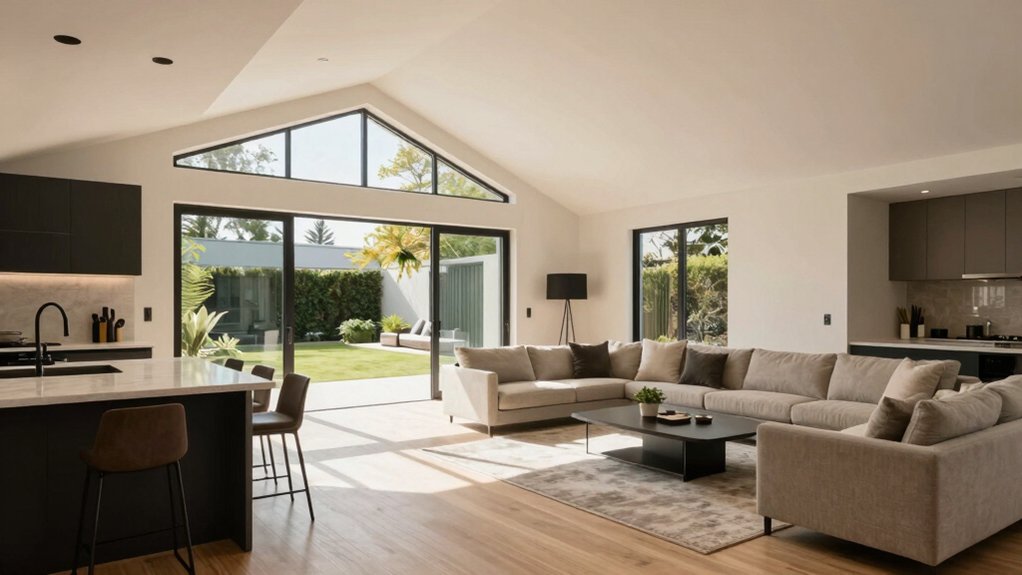
Open-plan layouts can boost perceived space and flow, making a home feel larger without adding square footage. You’ll gain ROI by prioritizing seamless sightlines, defined zones, and flexible use, which reduces the need for costly additions.
In data terms, open layouts correlate with higher resale perceptions and shorter market times when paired with purposeful decoration. Your decorative accents should orchestrate color, texture, and focal points without clutter, guiding attention across rooms.
Thoughtful furniture arrangements create functional zones—dining, living, and work—while preserving openness. Choose scalable pieces and avoid oversized furnishings that trap pathways.
Lighting, acoustics, and material consistency reinforce cohesion, lowering renovation risk. By aligning layout with routine, you enhance usability, satisfaction, and perceived value, contributing to a stronger ROI across buyers who crave belonging and clarity.
Budgeting and Prioritizing Renovations for Maximum ROI
Budgeting for renovations starts with a clear ROI map: identify the most impactful projects, set a realistic limit on spending, and align choices with buyer preferences and market data. You’ll conduct cost analysis to prioritize renovations that yield the strongest value-to-cost ratio.
Start with core updates that buyers consistently want, like kitchens, bathrooms, and durable finishes, then sequence projects by impact and feasibility. Create a renovation planning timeline that avoids overextension and preserves cash flow for unexpected needs.
Track each decision against market benchmarks and recent comps to stay grounded. Build in a contingency buffer to protect ROI, and document why each choice matters to future buyers.
This disciplined approach helps you feel confident, connected, and supported in your renovation journey.
Frequently Asked Questions
How Does ROI Vary by Regional Housing Markets?
ROI varies by regional housing markets, you’ll notice regional disparities and market fluctuations shaping returns, with some regions outperforming while others lag. You observe price cycles, demand shifts, and local policies influencing your investment timing and confidence.
What Timeline Maximizes ROI for Renovations?
You maximize ROI by timing renovations to seasonal timing and market pace, typically late spring to early summer, while you align renovation planning with buyers’ preferences, data-driven milestones, and community trends that reinforce belonging and value.
Which Renovations Appeal to First-Time Buyers Most?
Sneak a hint of value: you’ll attract first-time buyers with kitchen upgrades and bathroom remodels, delivering appealing, practical spaces. You gain momentum, data supports quick wins, and belonging grows as those features heavily influence buyer decisions.
How Do Renovation Costs Affect Loan Eligibility?
Renovation costs affect loan qualification because lenders consider project scope and costs in renovation financing plans. You’ll improve eligibility by detailing budgets, timelines, and contractor quotes, showing you can manage funds and repay within your budget.
Do Luxury Upgrades Ever Harm Resale Value?
Only sometimes: luxury upgrades can hurt resale value if they exceed neighborhood norms. In fact, homes with premium features overshoot market expectations show lower resale impact than comparable, balanced updates. You’ll boost value by relevance, not excess.