
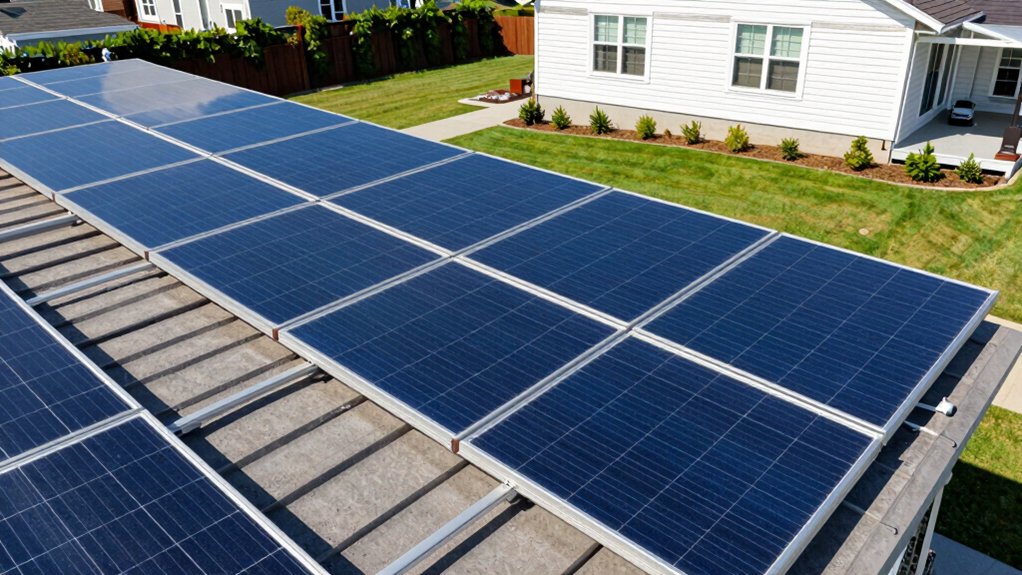
Is solar worth it in 2026? Yes, if you size right and pick the right installer. You’ll see lower bills thanks to optimized system sizing, smarter inverters, and high-efficiency panels, with costs broken into hardware, labor, and permitting. Federal credits slash upfront costs, while state rebates and performance incentives boost ROI. Consider financing that matches your cash flow—ownership via loan or a PPA/lease. If you want predictable savings and reliable performance, you’ll benefit from the steps outlined here.
Is Solar Worth It in 2026? A Clear Value Framework
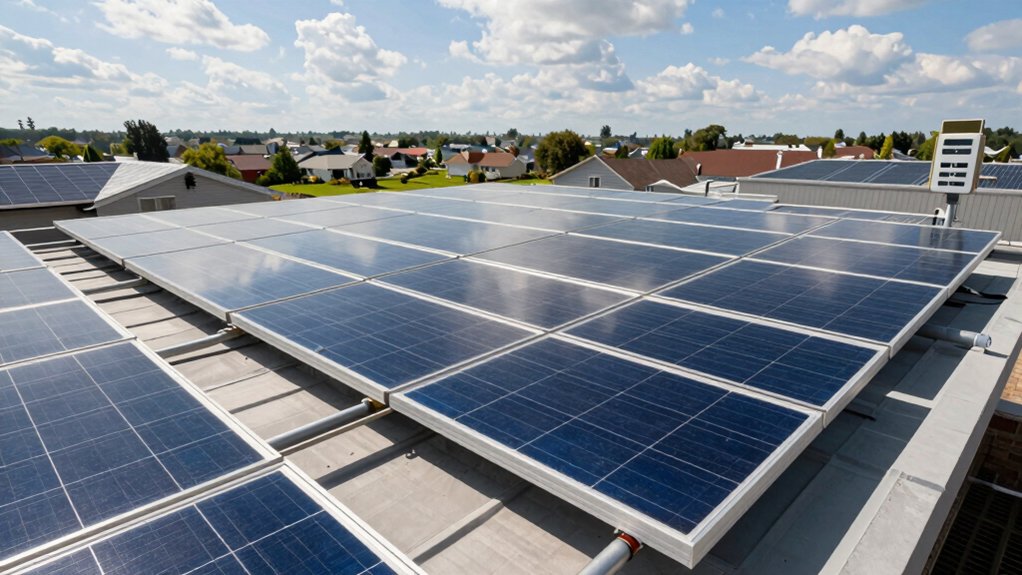
Yes, solar is worth it in 2026 for many homes, but only when you run the numbers with a clear framework. You measure value by cash flow, efficiency gains, and resilience, then map them to your home’s pattern of sun and usage.
Visualize a simple dashboard: upfront cost, operating savings, and payback timeline, plus tax incentives and replacement cycles. Environmental impact matters, so you compare emissions reduction against your lifestyle footprint.
Technological innovations drive better panels, longer warranties, and smarter inverters, tightening your certainty. You’ll feel grounded when the numbers align with your goals, and you’ll belong to a community pursuing energy independence together.
A crisp framework yields a confident yes or no, grounded in tangible outcomes.
What You’ll Pay for Solar Panels Today (Installed Costs)
You’ll see how the installed cost breaks down: panels, inverters, mounting, wiring, and labor, plus any permitting and soft costs.
Current pricing trends are steering prices lower or higher by region, system size, and incentives, so your actual sticker vs. sticker-plus varies.
Use this lens to forecast your install budget, compare quotes, and judge the value of adding storage or higher-efficiency panels.
Installed Cost Breakdown
Wondering what goes into the price tag of modern solar installs? You’ll see a clear, itemized breakdown that helps you compare options and feel confident in your choice.
Core components drive most costs: high-efficiency modules, mounting hardware, wiring, inverters, and professional installation.
Add-ons matter too: energy storage can shift your bills and resilience, while grid integration features ensure smooth, code-compliant operation with local utilities.
Labor accounts for design, permitting, inspections, and commissioning, often making up a sizable portion of the total.
System size and quality of components set the baseline, but you’ll also notice regional permitting, site access, and safety requirements quietly influencing the final figure.
The result is a transparent, performance-focused picture you can act on with clarity and certainty.
Current Pricing Trends
Are solar panel prices trending downward, or are regional bumps keeping total costs stubbornly high? Today, you’ll see installed costs shaped by technology advancements and swift market competition. Pairing higher efficiency panels with streamlined labor reduces per‑watt prices, even as permitting and site readiness influence totals.
Regional differences persist, but nationwide trends point toward more favorable pricing for homeowners who plan ahead and compare installers. Bundled services—design, permitting, and monitoring—offer clearer value, not just lower sticker price.
If you’re weighing options, expect more transparent quotes that break out hardware, inverters, and mounting, plus guaranteed performance metrics. In short, smarter specs and competitive bids translate into tangible savings, helping you feel connected to a growing solar community.
Federal and State Incentives You Can Use in 2026
Federal and state incentives in 2026 bring concrete, money-saving leverage for solar projects. You’ll see Tax credits that directly reduce your upfront costs, sometimes by substantial margins, making installation feel reachable sooner.
State programs expand options beyond federal credits, with rebate programs that shorten payback periods and improve visual ROI on your wall chart. You’ll benefit from performance-based incentives that reward system quality and efficiency, encouraging careful siting and ideal panel orientation.
Look for income-based or property-based boosts tied to local energy goals, which can blend with utility rebates for a smoother project payback. Keep documentation tight: certifications, installation dates, and system specs help you claim everything you’re entitled to.
With clear targets and support, your solar upgrade becomes a confident community win, not a guess.
Financing Options: Leases, PPAs, and Loans Compared
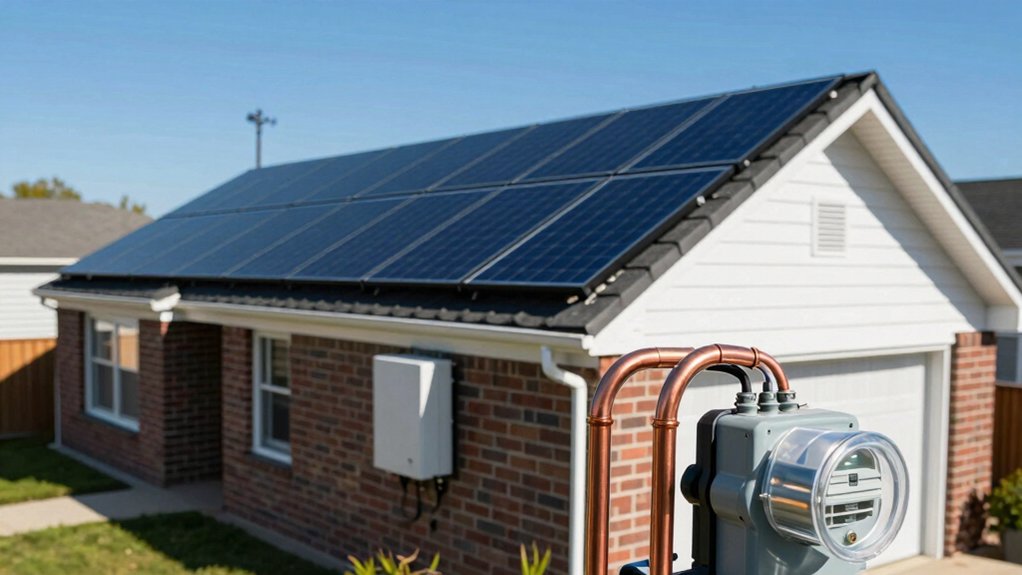
You’ll weigh Lease vs. Ownership tradeoffs, so you see which path fits your budget and goals. Next, we’ll map PPA financial mechanics, highlighting cost stability and risk shifts you’ll actually feel.
Finally, we’ll compare loan terms and rates, clarifying monthly impacts and long-term returns so you can decide with confidence.
Lease vs. Ownership Tradeoffs
Leasing, PPAs, and loans each shape the cost and risk of going solar, so you’ll want a clear read on how ownership differences affect total savings, cash flow, and system uptime.
You’ll compare financial tradeoffs directly, focusing on who owns the system, who reaps tax credits, and how maintenance is handled.
1) Ownership builds long-term equity and higher lifetime savings, but upfront cash or loan risk rises.
2) Leases/PPAs reduce upfront costs and maintenance concerns, trading some total savings for predictability.
3) Cash flow matters: fixed payments vs. variable energy costs, plus potential rate escalators.
4) System uptime and performance are tied to who maintains the panels and components.
Choose the path that aligns with your values, budget, and installation timeline. lease ownership, financial tradeoffs.
PPA Financial Mechanics
Wondering how a PPA stacks up financially compared to leases and loans? You’ll compare cash flow, risk, and scalability side by side. A PPA, you pay for power produced, not panels, so your upfront costs stay lean while performance drives savings.
Tax credits can enhance value, but eligibility varies by structure and ownership timing. Leasing options let you lock predictable monthly costs while maintenance remains with the vendor; you gain simplicity, not ownership.
With a loan, you own the system and capture tax credits directly, improving long‑term payoff, but you bear maintenance and resale risk. PPAs minimize risk and maximize cash flow certainty if usage is stable.
Assess your energy profile, site aesthetics, and belonging to a broader sustainability community to choose the most confident fit.
Loan Terms and Rates
As you move from the cash-flow focus of a PPA to the financial mechanics of ownership, loan terms and rates come into sharp relief.
A solar loan turns upfront value into steady monthly payments, with interest rates shaping total cost and payoff timing.
Your goal is minimizing lifetime interest while preserving monthly cash flow, so compare fixed vs. variable rates and term lengths.
Remember, a longer term lowers payments but raises total interest; a shorter term raises payments but cuts interest.
Consider your credit profile, down payment, and eligibility for tax incentives to improve approval odds and rates.
Here are key ideas:
1) solar loan terms influence equity speed
2) interest rates reflect risk and market conditions
3) shorter terms reduce total interest
4) compare lenders and total payoff.
How System Size Impacts Your Payback and Savings
System size directly shapes your payback timeline and annual savings: bigger systems generate more kilowatt-hours, but the upfront cost and the marginal value of each added panel diminish as you scale. You’ll see faster payback with smart system sizing, aligning capacity to your household load and sun hours.
Use the payback calculation to compare scenarios: smaller setups cut initial costs but may stretch payback; larger arrays boost yearly savings yet require a higher investment. Visualize monthly yields, seasonality, and panel efficiency to forecast year-by-year cash flow.
Precise sizing reduces wasted energy and aligns with your values of reliability and community. The goal isn’t simply more panels, but smarter performance—maximized savings, predictable returns, and a confident, belonging-based path to renewable energy.
Location, Roof Orientation, and Climate: What Really Matters
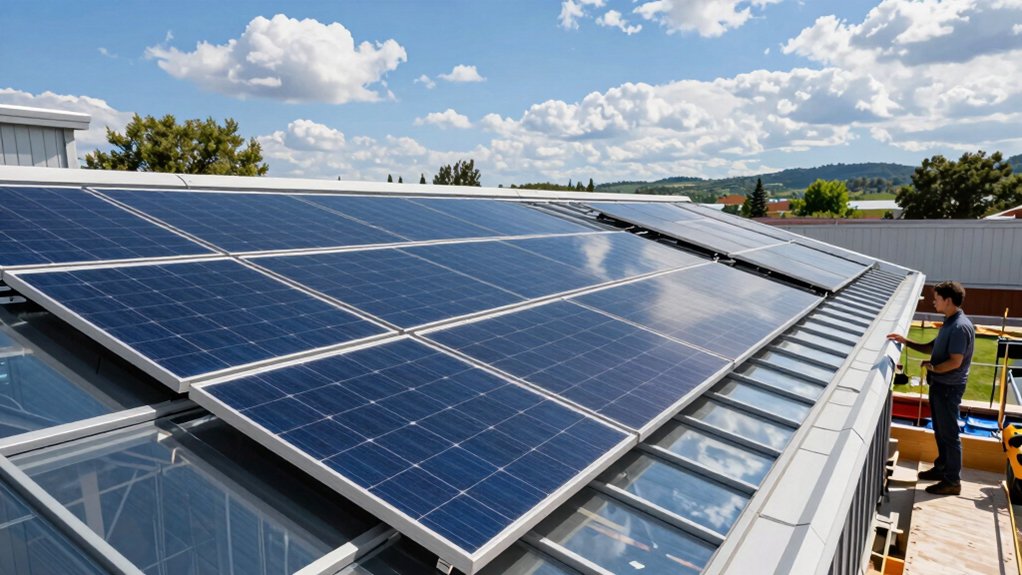
Your location sets the baseline for efficiency, as factors like sun access, shading, and local incentives drive real-world results.
Roof orientation guides year-round output, so you’ll see immediate gains by prioritizing ideal tilt and direction.
Climate variability shapes reliability, making clear the need to assess seasonal patterns and resilience for steady savings.
Location Influence Factors
Location matters more than most homeowners realize. Your site sets the pace for savings, from shade tolerance to maintenance cadence, shaping both solar panel aesthetics and the installation timeline.
- Location: choose a sun-rich spot, free from daily obstructions, to maximize output and shorten payback.
- Roof orientation: east/west faces work, but south-facing boosts efficiency; angle matters for year-round production.
- Climate: temperate, hot, or snowy conditions alter panel performance and mounting needs.
- Local conditions: tree growth, weather patterns, and permitting speed influence installation timeline and long-term reliability.
Together, these factors define value and belonging in your solar journey—clear goals, visible results, and a confident, shared investment.
Roof Orientation Impacts
A roof’s orientation has a direct, measurable impact on solar output, so choosing the right face can boost performance and shorten payback. You’ll see sharper gains when you align panels toward true south in the Northern Hemisphere or true north in the Southern Hemisphere, with minimal shading.
Orientation informs system sizing, wiring routes, and mounting angles, delivering clearer budgeting and faster milestones. Shading considerations matter most: even small treetops or chimneys can erode efficiency, so map lines of sight early.
Roof structural integrity matters too; confirm framing strength, roof age, and load capacity before installation to avoid costly retrofits. A well-oriented, structurally sound roof builds confidence, belonging, and reliable energy savings that you can measure month to month.
Climate Variability Effects
Climate variability changes what matters most for solar: where you are, how your roof faces, and the local climate patterns. You’ll see how climate variability drives system uptime and weather resilience, not just raw sun hours. Think practical, not theoretical: your location dictates shading risks, seasonal cloud cover, and temperature swings that affect performance.
- Location determines peak production windows and maintenance needs.
- Roof orientation and tilt influence year-round output under varied weather.
- Local climate patterns drive troubleshooting and resilience strategies.
- Climate variability guides equipment sizing, battery use, and retrofits.
This approach keeps you grounded, connected, and confident in your solar investment, emphasizing precise planning, tangible results, and a sense of belonging to a proactive energy community.
Panel Efficiency and Inverter Tech: What to Prioritize
Panel efficiency and inverter tech determine how much solar you actually get from every panel and how cleanly that power goes to your home. You’ll want high-efficiency panels paired with inverters that match your system’s voltage and load pattern, so you capture more kilowatt-hours during peak sun and minimize losses at dusk or shade.
Focus on modules with strong temperature and shade tolerance, and inverters with rapid maximum power point tracking for stable output. Real-time monitoring visuals help you see performance gaps fast, guiding tweaks.
Plan for battery storage potential now, even if not installed, so you can grow without replacing gear. Consider grid integration readiness: smart inverters, anti-islanding features, and clear utility communication channels for smoother, reliable energy flow.
Maintenance, Warranties, and Long-Term Reliability
Maintenance, warranties, and long-term reliability are your runway for sustained solar performance: regular checks, clear protection over time, and predictable costs keep your system delivering steady kilowatt-hours without surprise outages.
- Monitor system durability with simple, quarterly soil-free inspections to catch microcracks, loose wiring, or shading changes early.
- Review warranty coverage annually, noting panel, inverter, and mounting terms, and understand transfer rules if you move.
- Budget for proactive replacements and service windows, reducing downtime and preserving predictable energy output.
- Document performance trends, comparing monthly production to forecasts to verify ongoing efficiency and catch degradation before it erodes ROI.
Real-World Savings Scenarios: 3 Case Studies
Three real-world savings stories illustrate how decisions today translate into reliable, tangible energy and cost benefits: in each case, homeowners shaved annual electricity bills, shortened payback periods, and boosted home value by choosing the right system size, efficient components, and smart maintenance practices.
You’ll see three concise scenarios across typical neighborhoods, showing how solar policy incentives, smart inverters, and robust grid integration tighten your overall costs while maintaining comfort.
Case A highlights net metering alignment and sizing for a mid-century home, cutting annual bills by approximately 40%.
Case B emphasizes battery-enabled load shifting during peak rates, shrinking payback.
Case C demonstrates value stabilization through ongoing performance monitoring and module cleanliness.
All three underscore belonging to a shared, forward-looking solar community.
How to Choose the Right Solar Installer (Checklist)
Choosing the right solar installer starts with a sharp, results-focused checklist: verify credentials, assess project scope, and confirm system design aligns with your goals and budget.
1) installer selection criteria: confirm licenses, warranties, and local references, then compare performance against cost.
2) checklist criteria: ensure site assessment, shading analysis, and permit coordination are included in the scope.
3) project fit: verify panel type, inverter options, and battery readiness match your energy goals.
4) decision process: review timelines, payment terms, and post-install support to guarantee ongoing value and belonging within the solar community.
Frequently Asked Questions
What Is the Typical Payback Period for Residential Solar in 2026?
You’ll likely see a payback around 6–12 years, depending on incentives, usage, and system size. You notice solar efficiency and panel durability mesh with your goals, driving predictable savings and a stronger sense of belonging to the community.
How Do Local Incentives Actually Affect Net Cost to Me?
Local incentives reduce your net cost, dramatically shrinking upfront bills and improving year-over-year savings. You’ll visualize lower payments, quicker payoff, and a shared community win, as you confidently install solar and feel belonging through greener, smarter energy.
Do Solar Panels Increase Home Value Reliably?
Yes, solar panels generally raise home value and improve your home appraisal, especially when panels are owned outright and well-maintained; you’ll visualize savings in real-time, enhancing property value and belonging among eco-conscious buyers and neighbors.
Is a Roof Replacement Needed Before Installation?
A roof replacement isn’t always required before installation. Do a roof assessment first, then plan structural reinforcement if needed; this guarantees safe mounting, decreases leaks, and helps you visualize a durable, belonging-centered solar upgrade.
How Long Does Installation and Permitting Take on Average?
You’ll often see a 4–8 week installation timeline, with permitting processing taking 2–6 weeks. You’ll experience a smooth permitting process and clear milestones, giving you confidence as you visualize your clean energy rollout and community belonging.