
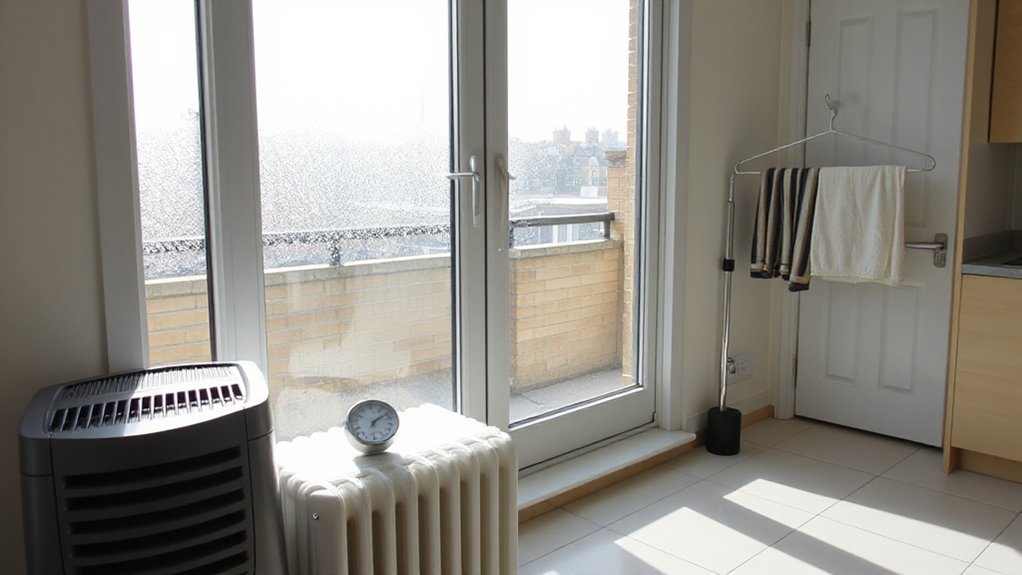
You can prevent condensation in UK flats and terraced homes by balancing ventilation, heating, and insulation. Open windows during cooking, bathing, or drying indoors, use extractor fans, and keep indoor temperatures steady with smart controls. Seal gaps, position furniture away from external walls, and add moisture-absorbing materials. Monitor humidity and address damp early. Start with practical steps, then weigh budget fixes against a wider plan—a measured approach that keeps the space safer and drier, so you’ll see what’s next.
Why Condensation Shows Up in UK Flats and Terraces
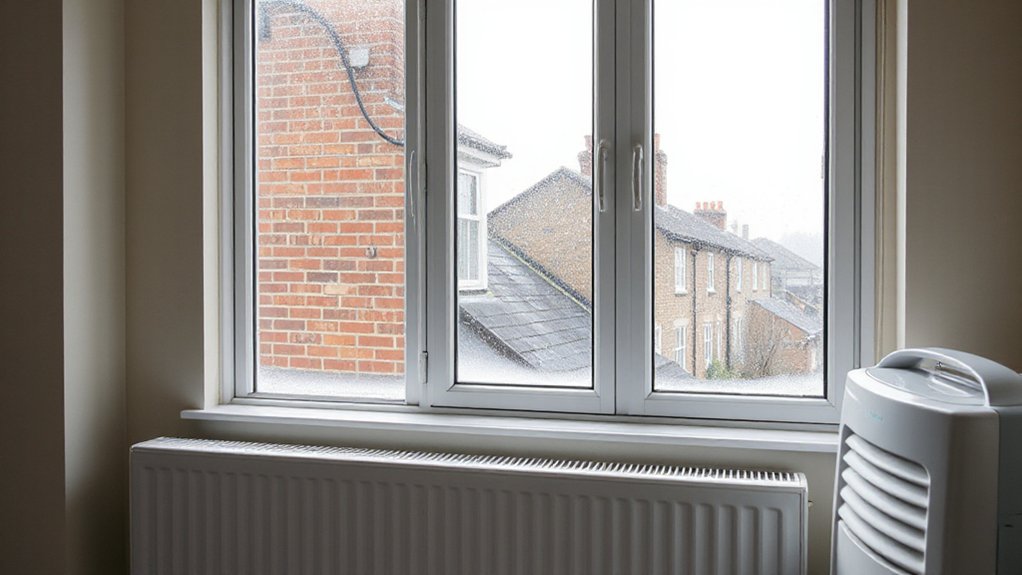
Condensation tends to show up in UK flats and terraces because these homes trap moisture and lack enough ventilation. You’ll notice it when warm, humid air meets cooler surfaces, causing water to condense.
Condensation causes are often multiple, including limited air exchange, routine cooking and bathing, drying clothes indoors, and insulation gaps that let cold surfaces chill interior air.
Moisture sources span everyday activities, from showers and kettles to laundry loads and plants, accumulating on windows, walls, and ceilings.
You’ll benefit by identifying high-moisture zones and timing ventilation to match usage. Implementing mechanical or natural ventilation reduces buildup, while sealing obvious gaps helps control entry of moist air.
A clear moisture management approach aligns with practical, technical steps to lessen recurring condensation.
Early Signs on Walls, Ceilings, and Windows You Shouldn’t Ignore
Keep an eye out for telltale signs on surfaces early on, since prompt detection helps prevent bigger problems. You’ll notice damp patches, staining, or a musty smell forming on walls and ceilings before they spread. Look for peeling wall paint in corners or along joints, which signals prolonged moisture.
On window frames, check for condensation patterns overnight, water trails, or dark mold entry at edges. Cracking or bubbling plaster may accompany persistent dampness, while paint that stays tacky or peels after cleaning hints at ongoing moisture intrusion.
Early symptoms often cluster near external walls, corners, and around windows, especially where sealants age. Document changes with dates and photos, then address ventilation, insulation gaps, and leaks promptly to limit damage.
Boost Ventilation on a Budget: Easy, Practical Tactics
Open the windows briefly to refresh air without losing heat, especially during mild weather or when outside humidity is low.
Use extraction fans in kitchens and bathrooms and run them during and after use to pull moisture away from living spaces.
Dry surfaces after showering and towels promptly, so moisture doesn’t linger and condensate forms less often.
Crack Open Windows
Crack open windows to boost ventilation on a budget. You can improve air exchange without devices by using controlled window cracking during mild weather. Target opposite-wall air paths: open one high and one low window or a window and a door to create a through-draft.
Keep cracks small—about 5 to 15 mm—as oversized openings waste heat and cause cold spots. Use short, purposeful bursts: 5 to 10 minutes every hour during cooking, showering, and laundry. Longer airing windows can be used overnight in cooler months if external temps permit.
This creates fresh airflow without high energy costs. Monitor humidity after airing to confirm reduction in condensation. Practice consistent, predictable patterns rather than ad hoc opening to maintain steady moisture control.
Use Extraction Fans
Extraction fans offer a straightforward, low-cost way to shift moist air out of the home without opening windows. You’ll gain better moisture control by selecting units suited to room size and typical moisture load.
Choose inline or ceiling-mounted models with humidity or run-time sensors to automate exhaust during cooking, showering, and laundry bursts. Install in kitchens, bathrooms, and utility spaces where moisture concentrates.
Confirm ducting routes to outside, avoiding long bends that reduce effectiveness. Use fans with appropriate airflow ratings (measured in litres per second or CFM) for each area, and seal penetrations to prevent leaks.
Maintain filters and inspect housings quarterly. Pair extraction fans with stable heating and controlled occupancy to sustain consistent moisture control and reduce condensation risks.
Dry After Showering
After a shower, air the bathroom quickly to curb condensation. Drying surfaces matters, so keep towels handy and wipe mirrors and tiles within a minute of finishing.
Use a shower exhaust or a vented fan set to auto-run for 5–15 minutes after you’re done; this moves warm, moist air out before it settles. If you don’t have a fan, crack a window or door to establish cross-ventilation, then close it to trap drier air.
Maintain a consistent routine: run ventilation while you shower if possible, and for several minutes after. Regularly clean the extractor grille to avoid reduced airflow.
Quick action prevents Bathroom mold buildup and keeps surfaces dry, protecting the bathroom’s underlying structure.
Insulation Basics That Cut Moisture Buildup
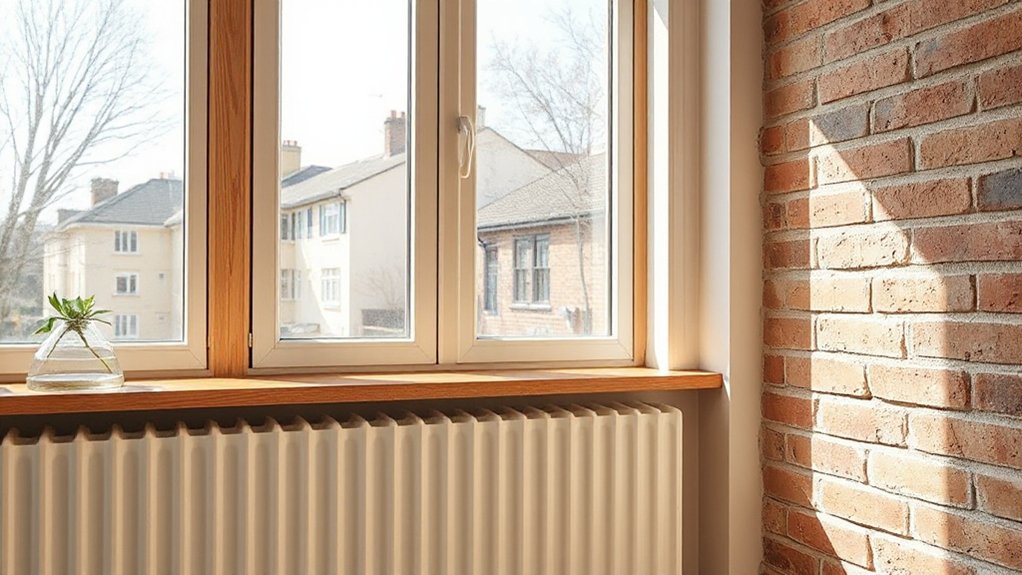
Insulation is your first line of defense against moisture buildup. You reduce condensation by selecting proper insulation materials and installing them correctly. Prioritize continuous insulation to minimize cold bridges that invite dew.
Focus on attic and cavity walls, ensuring airtight yet breathable layers to manage moisture transport without trapping it. Use materials with low vapor permeability in exterior envelopes where appropriate, and balance them with vapor retarders where interior humidity is high.
Thermal barriers help maintain stable surface temperatures, preventing dew points on walls and ceilings. Seal joints, gaps, and penetrations to prevent warm-room air from reaching cold surfaces.
Combine retrofit-friendly products with professional guidance to optimize performance while avoiding condensation risks. Regular inspections catch shifts in performance and moisture dynamics over time.
Smart Heating to Reduce Condensation Without Waste
Smart heating can curb condensation without waste by matching output to room use and occupancy. You’ll implement targeted warmth, monitor humidity, and couple it with ventilation practices to maximize efficiency.
This section covers Smart Heating Fundamentals, Condensation Reduction Tactics, and Efficient Ventilation Practices to start practical, precise steps.
Smart Heating Fundamentals
Smart heating can cut condensation without wasting energy by targeting moisture sources and maintaining stable indoor temperatures. You’ll balance heat delivery with humidity control by using practical settings and monitoring.
Prioritize smart thermostats to modulate ambient temperatures based on occupancy and external conditions, preventing overshoots that drive condensation. Set schedules that align with typical occupancy patterns, then adjust for damp days or cooking and showering peaks.
Radiator positioning matters: guarantee heat reaches problem corners and isn’t blocked by furniture or curtains, which can create cold spots where moisture condenses. Use evenly spaced radiators to promote uniform warmth and reduce cold surfaces.
Pair temperature control with venting habits and occasional extraction boosts to remove moisture efficiently without wasting energy. Regularly verify system responsiveness and update settings as needed.
Condensation Reduction Tactics
Condensation reduction hinges on smart heating that targets moisture sources and keeps surfaces warm. Use time-programmable thermostats to raise surface temperatures in kitchens and bathrooms during cooking and showering, reducing cold spots where moisture condenses.
Favor boiler controls that modulate output to match demand rather than running at full bore for long periods.
Pair heating with humidity awareness: run extraction or dehumidification when humidity climbs above 60%, and avoid overheating spaces that already feel dry.
Indoor plants can be placed away from heat sources, since overwatering and transpiration add moisture; choose drought-tolerant varieties if needed.
Air purifiers with humidity sensors help maintain indoor moisture balance without drying air excessively, supporting condensation control without waste.
Efficient Ventilation Practices
Efficient ventilation is essential to manage moisture without wasting energy. You’ll optimize air circulation by balancing supply and extract rates to prevent stale pockets and cold spots.
Use continuous mechanical ventilation or intermittent extractor fans with humidity sensing where possible, ensuring ducts are clean and leaks are minimized.
In kitchens and bathrooms, run fans during activity and for 10–15 minutes afterward to extract moisture efficiently.
Avoid over-ventilating large spaces, which wastes heat and can lower comfort.
Pair ventilation with sensible heat recovery where feasible to preserve warmth.
Monitor air quality and moisture levels, adjusting settings for seasonal changes.
This approach delivers steady air circulation and robust moisture control, reducing condensation risk without unnecessary energy use.
Damp-Proofing Tweaks for Kitchens and Bathrooms
To prevent damp and mold in kitchens and bathrooms, start with practical tweaks you can implement now. You’ll seal gaps around doors and windows, and inspect bathroom seals for cracks or wear, replacing damaged sections promptly.
Fit a continuous, unobtrusive non-slip seal along shower edges and use splash guards where needed. Make certain extractor fans vent outdoors and run them during and after cooking or showering; keep ventilation on a timer if possible.
Check kitchen appliances for proper clearance from walls to prevent heat-induced damp spots, and service any built-in vents. Use breathable, moisture-wicking paints in wet zones and avoid acrylics in favour of breathable alternatives.
Keep lids on pots to reduce steam and wipe condensation from surfaces regularly.
Laundry Habits That Protect Walls and Window Frames
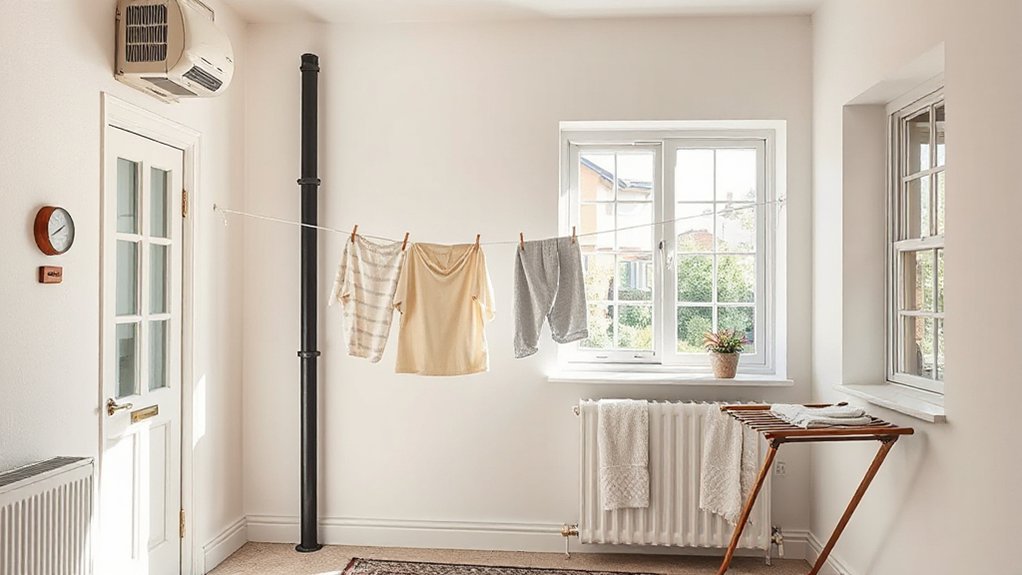
If you wash and dry clothes with care, you’ll protect walls and window frames from moisture-driven damage. Your laundry routines should prioritize reducing moisture in living spaces.
Choose washing settings that maximize rinse efficiency and minimize spin moisture; lower-temperature cycles can also cut humidity output.
When drying, use efficient drying techniques: vented or condenser dryers with properly routed exhausts, or line-dry indoors only if you’ve got good ventilation and a dehumidifier running.
Confirm doors remain closed to contain humidity, and run extractor fans during and after laundry.
Space items to promote air flow and avoid overpacking wardrobes or laundry baskets.
Regularly inspect seals around windows and consider moisture-absorbing strategies alongside your laundry routines and drying techniques.
Simple Moisture-Monitoring Tools You Can Use at Home
You can start with simple humidity monitoring to understand when condensation risk rises. Use low-cost tools like hygrometers to track indoor moisture and spot trends over days or weeks.
With basic humidity data, you can time ventilation and heating adjustments for effective moisture control.
Humidity Monitoring Basics
Humidity monitoring is a practical first step for preventing condensation, and simple tools you can use at home make this easy. You’ll rely on a hygrometer to track humidity trends; aim for 40–60% in living areas, lower in kitchens and bathrooms.
Digital models offer real-time readouts and average, peak, and min values, helping you spot persistent highs. For quick checks, a bracelet-style or standalone meter works, but connect data with a simple log to observe weekly patterns.
Consider indoor plants and air purifiers as secondary indicators: plant health shifts with humidity, while purifiers don’t directly measure moisture but improve air quality during damp periods.
Use these readings to adjust ventilation and heating, preventing moisture buildup without overcomplicating your routine.
Low-Cost Measurement Tools
Low-cost moisture checks are quick to implement and yield actionable insights without heavy gear. You can start with simple tools: a basic hygrometer to track RH, a moisture meter for wood or drywall, and a notepad to log readings over days.
Use a hygrometer in living spaces, kitchens, and bathrooms to spot spikes after cooking or showering. For wall sections, a pinless moisture meter helps identify hidden damp without damage; note any discrepancies between surface feel and readings.
Record seasonal patterns and test before and after airing routines. When painting, choose decorative paint with breathable properties to reduce moisture buildup.
For renovations, prioritize mold resistant materials in vulnerable areas. Pair tools with good ventilation and routine cleaning to curb condensation.
Budget Fixes for Common UK Flat Layouts
If you’re working with typical UK flat layouts, you can deploy several budget-friendly fixes that tackle condensation without major renovations. Start with airflow tweaks: use trickle vents, keep interior doors ajar where appropriate, and place furniture away from external walls to improve cross-ventilation.
Manage moisture sources by using extractor fans in kitchens and bathrooms, running them during cooking and showers, and drying clothes outside or on a vented line. Apply decorative wallpaper sparingly on moist-prone walls, choosing breathable, moisture-resistant options to reduce damp signatures.
Seal obvious cold spots with affordable draft excluders and weatherstripping around doors. For wall surfaces, consider fungal prevention measures like ensuring uniform surface drying times and using anti-mildew coatings where needed.
Maintain consistent indoor temperatures to deter condensation buildup.
When to Seek Professional Help and Rental Guidance
If condensation persists despite budget fixes, it’s time to bring in a pro. A professional assessment helps identify hidden causes like insulation gaps, ventilation faults, or hidden damp. You’ll get objective diagnosis, moisture testing results, and a prioritized repair plan you can trust.
Seek rental advice if you rent, or if you’re a landlord, to understand obligations, fair rent-adjustments, and compliance with tenancy standards. Ask for detailed quotes, scope of work, and expected timelines.
Confirm the assessor is accredited and experienced with UK homes, and request a written report you can reference for insurance or tenancy disputes.
Coordinate work windows to minimise disruption, and verify post-installation results. Use professional guidance to prevent recurring condensation and safeguard your home’s value.
Frequently Asked Questions
Can Mould Hide Behind Wallpaper in Flats?
Yes, mould can hide behind wallpaper in flats. Look for wallpaper deterioration, musty odors, and damp patches. Hidden mould growth often requires careful removal, moisture control, and professional testing to prevent spread and structure damage. Act promptly to inspect.
Do Humidifiers Help or Worsen Condensation?
Like a careful captain steering foggy seas, you’ll find humidifiers help only if used correctly. Humidifier effectiveness hinges on dryness targets; otherwise, they worsen. Pair with mold prevention techniques—ventilation, dehumidification, and regular surface checks.
Will Double Glazing Stop All Condensation Issues?
No, double glazing won’t stop all condensation issues. You should combine ventilation strategies with insulation improvements to manage moisture, reduce humidity peaks, and improve surface temperatures, especially in kitchens and bathrooms, where condensation tends to form most.
Are Condensation Problems Different in Terraced Homes?
Yes, condensation problems are similar but terraced homes pose unique airflow challenges. You’ll need ventilation strategies and insulation improvements tailored to shared walls. Don’t ignore heat loss: seal drafts, improve loft and cavity insulation, and maintain balanced ventilation.
How Do Tenants Report Condensation to Landlords Efficiently?
You should use tenant communication to alert your landlord quickly via the reporting process, documenting dates, photos, and moisture readings. Keep messages concise, reference your tenancy terms, and request a written acknowledgment to guarantee traceability and timely resolution.
Conclusion
You’ve got the tools to curb condensation: ventilate, insulate, and regulate heat, then monitor humidity closely. By staying proactive—drying damp areas, sealing gaps, and spacing furniture—you’ll cut cold surfaces where moisture loves to cling. Think of ventilation as your first line of defense, with insulation and smart heating as the steady second. If problems persist, don’t hesitate to call in a professional. The goal is steady comfort, not quick fixes.