
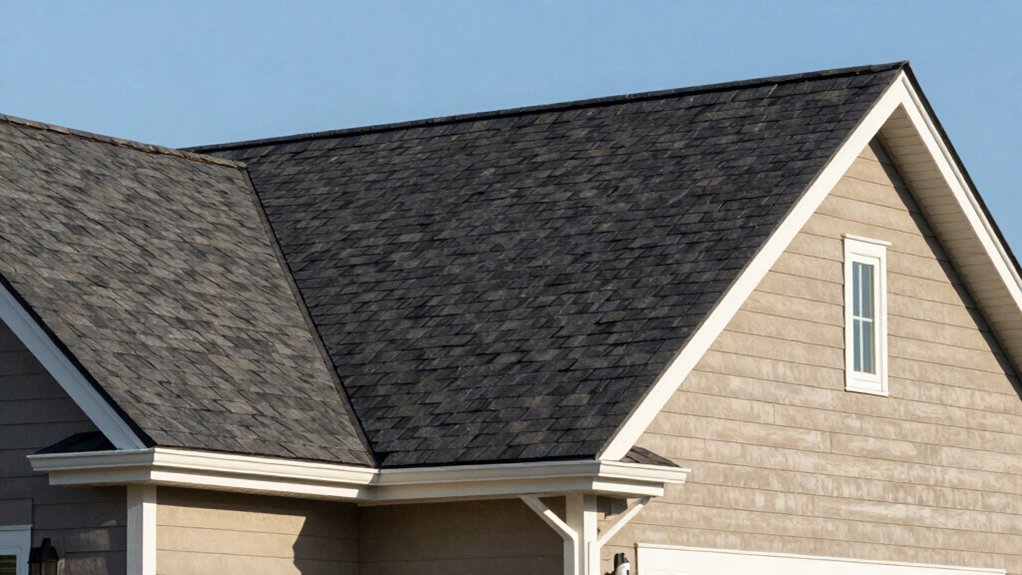
A new roof is a solid investment that protects your home’s structure, boosts energy efficiency, and can raise resale value. You should replace when storms or age cause leaks, or if repairs keep piling up. Weigh upfront costs against long‑term savings, fewer emergencies, and better insulation. Material choices affect durability and curb appeal, while quality installation and warranties matter. If you want fewer headaches and lasting value, a new roof often pays off—and there’s more practical guidance ahead.
When to Replace vs. Repair: 5 Decision Criteria
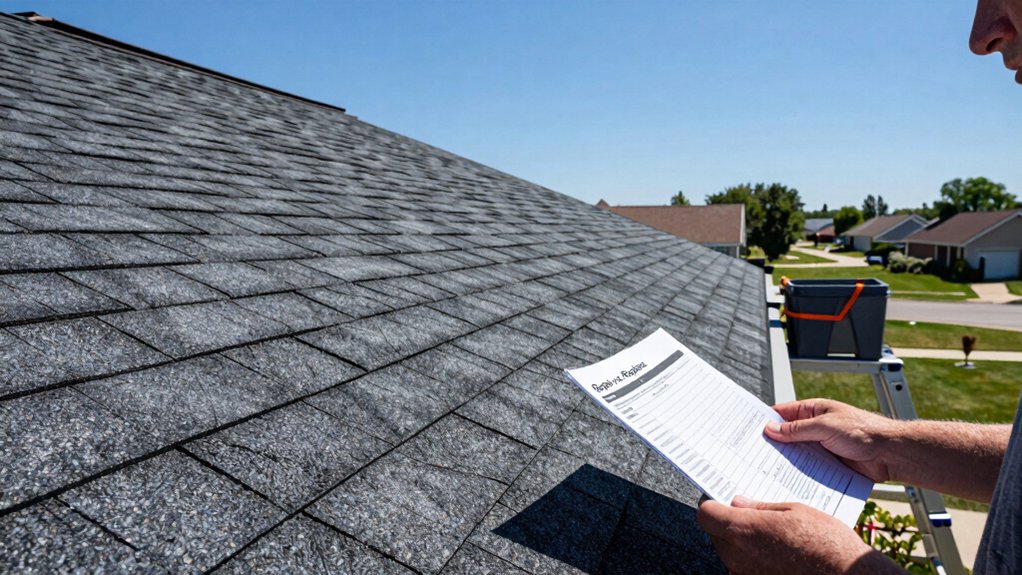
Deciding whether to replace or repair your roof isn’t a guesswork decision; it should rest on clear criteria. You’ll weigh five realities to determine the best path.
First, assess storm damage: multiple leaks, missing shingles, and structural compromise push toward replacement rather than patching repeatedly.
Second, consider the roof’s age; if construction quality was solid but nearing end of life, replacement often saves more in the long run.
Third, inspect aesthetic appeal: visible wear, curling edges, and mismatched patches undermine curb appeal and value.
Fourth, evaluate cost economics: frequent repairs add up, while a well-timed replacement reduces ongoing maintenance.
Fifth, factor future needs and energy efficiency; a new roof can improve insulation and comfort, aligning with your sense of belonging in a well-kept home.
Roof Replacement ROI: Costs, Payback, and Value Gain
A roof replacement can deliver solid long‑term value by aligning upfront cost with future savings and enhanced home value. You’ll see ROI through lower maintenance, fewer emergency repairs, and potential energy efficiency upgrades that reduce bills over time.
Your payback hinges on project scope, contractor quality, and local permitting—so vet bids carefully and document warranties to protect resale value. Insurance claims may offset some costs after a covered loss, but you’ll still face deductibles and eligibility rules, so plan accordingly.
When you sell, a new roof can boost buyer confidence and shorten market time, contributing to stronger resale value. In short, a well‑priced replacement pays back through reliability, reduced hassle, and a stronger listing image, reinforcing a sense of security and belonging.
Roofing Materials: Durability, Costs, and Energy Savings
You’ll want to weigh how long different roofing materials last and how that durability stacks up against upfront costs.
Trends in material prices influence your long-term budget, so consider both initial expense and replacement frequency.
Energy savings vary by material, so look for options that reduce cooling needs without sacrificing performance.
Durability And Life
Durability is the backbone of any roofing choice, because a material’s strength and resilience directly influence long-term performance, maintenance needs, and total cost of ownership. You’ll value materials that resist weather, shrinkage, and UV exposure, since fewer repairs mean steadier comfort and predictable bills.
When you weigh options, consider how roof insulation and attic ventilation contribute to lasting performance: proper insulation reduces thermal stress on the deck, while balanced ventilation minimizes condensation and moisture damage.
Durable roofs also retain shape and color, resisting fading and warping over decades. Choose proven, well-supported options with solid warranties and local performance data.
With reliable durability, you’ll enjoy peace of mind, lower upkeep, and a roof that serves your home—and your sense of belonging—for years to come.
Material Cost Trends
Material costs for roofing have trended upward in recent years, though the pace varies by material and region. You’ll feel the impact in budgets, so understanding trends helps you plan confidently.
Material costs and the supply chain shape your options, from upfront pricing to availability, repairs, and maintenance over time.
1) You’ll weigh durability against price, choosing options that balance long-term value with current costs.
2) When supply chains tighten, expect price swings and lead times; plan ahead to avoid surprises.
3) Diversifying materials can stabilize your project, easing timing and budget pressures while preserving resale confidence.
Energy Savings Impact
Energy savings can markedly influence the total cost of a roofing project, making durability and material choice a practical, cash‑flow decision. You’ll see long‑term value when you pick materials with solid insulation, reflective coatings, or air‑sealing features, reducing monthly cooling and heating needs.
Consider how solar integration can offset upfront costs and deliver predictable bills, especially if your roof faces consistent sun.
Durable options lower maintenance cycles, so your overall spend stays lower over time.
Aesthetic options matter, too, because a roof that looks right helps you feel like you belong in your neighborhood, not isolated from it.
Weigh efficiency gains against upfront price, and build a plan that aligns energy savings with your home’s style and your budget.
Financing Your New Roof: Loans, Grants, and Budgeting
When planning a new roof, understanding your financing options is essential to keep costs manageable and avoid delays. You’ll find several paths that balance immediacy with long-term value, so you can choose confidently and feel supported.
1) Explore home equity loans if you’ve built substantial equity and want predictable terms.
2) Check eligibility for government grants or rebates aimed at energy efficiency and safety upgrades.
3) Create a practical budget that combines savings, financing, and a contingency fund to prevent surprises.
A clear plan reduces stress, keeps your project on track, and helps you belong to a community that prioritizes smart investments.
Remember to compare rates, terms, and eligibility carefully to maximize affordability.
How to Hire a Roofer: Vetting, Quotes, and Red Flags
When you vet prospects thoroughly, you’ll separate qualified roofers from amateurs and protect your investment.
Request detailed quotes that break down materials, labor, timelines, and warranties so you can compare apples to apples.
Watch for red flags like vague contracts, missing licenses, or pressure to sign before you’re ready.
Vetting Prospects Thoroughly
To vet roofing prospects thoroughly, start by defining your project clearly and then screening candidates against essential criteria: licenses, insurance, solid references, and a transparent written estimate.
You want confidence that your roof material choice and installation quality will hold up for years, so verify each roofer’s track record and methods. Trust grows when you see clear contracts and consistent communication.
- Compare licenses and insurance across all bids, then confirm active coverage and waivers for subcontractors.
- Call at least three references and ask about on-time work, material integrity, and post-install support.
- Review the written estimate for itemized costs, material specs, and a realistic timeline.
Choosing with care strengthens belonging and ensures lasting results you’ll proudly share with your neighbors.
Request Detailed Quotes
After you’ve vetted prospects, the next step is to request detailed quotes from the candidates you’re considering. Collect written bids that outline scope, materials, timeline, and payment terms. Compare components side by side, not just total price.
Ask each roofer to specify roof color options and how color choices affect warranty and energy savings. Verify bid inclusions: removal of old roofing, disposal, permits, and clean-up. Confirm ventilation systems recommendations and how they’ll impact attic comfort and moisture control.
Request lead times, project sequencing, and a kickoff date. Check each contractor’s licenses, insurance, and references, then weigh reliability over the lowest bid. Favor clear, itemized quotes that align with your goals, support easy decision‑making, and fit your sense of belonging in a trusted, professional team.
Watch For Red Flags
Red flags can derail a solid roofing project fast, so you must spot them early and act quickly. When you vet a roofer, listen for commitments that feel vague or rushed, and watch for pressure to bypass inspections or permits. These signs can jeopardize leak prevention and ventilation improvement down the line, so trust your instincts and pause if something doesn’t add up.
1) Ask for a written contract, clear timelines, and a detailed scope; if any item is missing, press pause.
2) Verify licenses, insurance, and prior-work references; evasive answers deserve a red flag.
3) Demand transparent pricing with a breakdown and a plan for handling unexpected issues; hidden fees signal trouble.
Common Roof Issues and Maintenance for Longevity
Common roof issues can sneak up if you don’t catch them early, but regular attention makes a big difference in longevity. You deserve a sturdy roof you can trust, and maintenance helps you keep that promise.
Start with a quick annual inspection: look for missing shingles, curling edges, and granule loss in gutters. Check flashing around chimneys and vents, and clear debris from valleys and downspouts.
Address small leaks promptly to prevent upstairs damage and costly repairs. Keep attic ventilation balanced to avoid moisture buildup that accelerates rot.
Schedule professional inspections after severe weather to catch storm damage early. A well-maintained roof preserves aesthetic appeal, supports home value, and reinforces your sense of belonging in a cared-for, safe home.
Frequently Asked Questions
How Long Does a New Roof Typically Last?
A new roof typically lasts 20 to 30 years, depending on material durability and climate. You’ll extend roof lifespan by proper maintenance, timely repairs, and choosing durable options. You deserve lasting security, so invest in quality, trusted materials, and professional installation.
Can a New Roof Reduce Property Insurance Premiums?
A new roof can lower premiums, especially with durable roof material and modern venting. You may qualify for insurance discounts by upgrading to wind- or impact-resistant materials and providing contractor certificates, proving safer, resilient coverage for your home.
Do Roof Warranties Cover Leaks and Workmanship?
Warranties generally cover manufacturer defects and workmanship for specified years, but leak repair specifics vary. Check your policy; you’ll want explicit leak coverage and contractor workmanship protections to feel secure and belong in informed ownership.
What Maintenance Reduces Roof Replacement Frequency?
Regular maintenance reduces replacement frequency. Inspect shingles, clean gutters, seal flashing, and fix leaks promptly. Improve roof coloration and ventilation efficiency; choose reflective coatings and proper attic venting to extend life and keep your home comfortable.
Are Asphalt Shingles the Best Value for ROI?
Asphalt shingles can offer solid ROI, especially with lighter Roof color choices that boost energy efficiency. You’ll save on cooling costs, feel more comfortable, and belong to a broader, value-conscious homeowner community embracing practical, cost-smart decisions.