
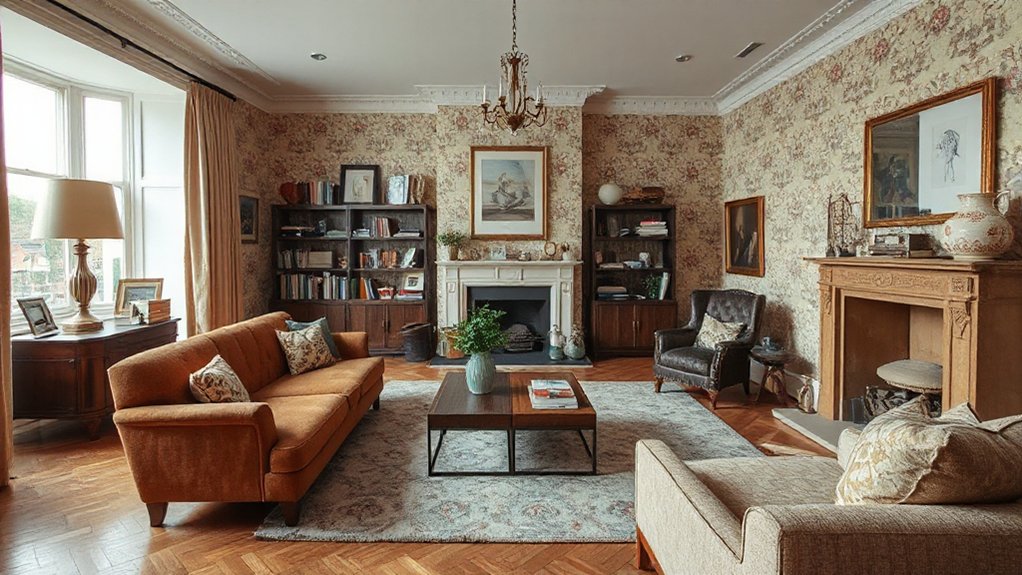
Start by measuring every space before you design, noting ceiling heights, door swings, and sightlines to avoid misfits. Define a clear UK‑friendly layout that supports natural movement and zones. Don’t fear color, but test hues under actual lighting to see true mood. Get proportions right with properly scaled furniture and adequate clearance. Create a realistic budget and a to‑do plan with contingencies. Layer lighting for ambience and tasks, and choose durable, climate‑appropriate materials. You’ll master storage and personalization rules that reduce clutter—plus more practical tips if you keep reading.
Start by Measuring Your Space Before You Design
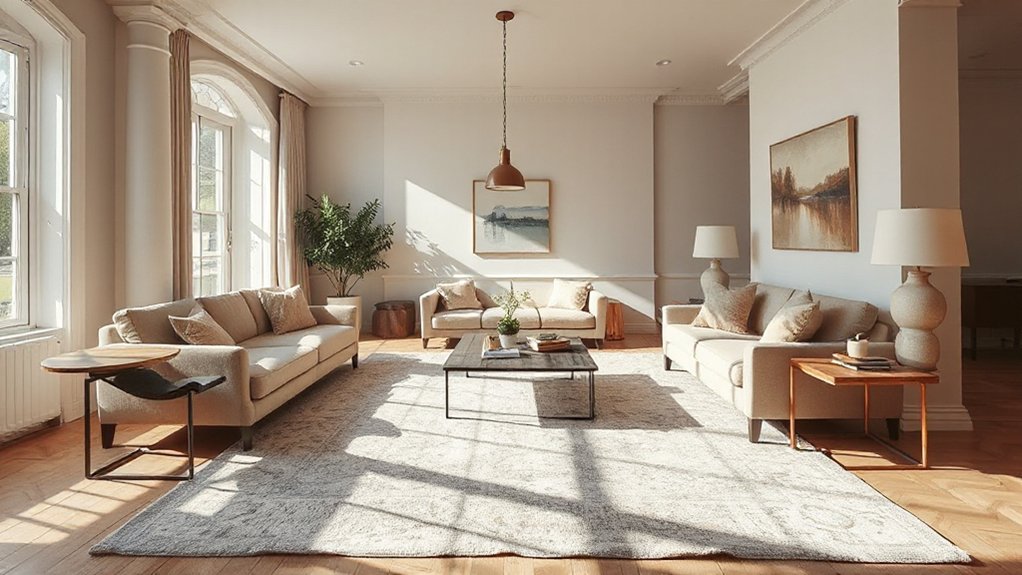
Before you pick furniture or paint swatches, measure every relevant space. You start with a clear baseline, because accurate numbers drive confident decisions. Measuring accuracy isn’t about perfection; it’s about knowing how your rooms actually behave—the door swing, light pockets, and wall alignments that affect what fits and feels right.
Use a steel tape, note ceiling heights, and mark corner-to-corner dimensions to prevent guesswork. Then translate those figures into space planning: draw a simple layout, test clearance for movement, and consider traffic flow.
With precise measurements, you’ll compare furniture sizes against real constraints, avoid clutter, and curate a cohesive look. This disciplined approach anchors your design, delivering belonging through functional, harmonious spaces you can genuinely live in.
Define the Best Layout for UK Homes
Choosing the right layout starts with optimizing room flow so you can move naturally between zones.
Plan practical traffic patterns that keep high-traffic areas clear and seating areas inviting.
Prioritize clear sightlines and function, so each space supports daily living without feeling cramped.
Optimized Room Flow
To optimize room flow in UK homes, start with a clear hierarchy of how you move between spaces, prioritizing everyday paths from entry points to key zones like the kitchen, living area, and hallway storage.
You shape the space with deliberate furniture arrangement that supports smooth transitions, avoids bottlenecks, and preserves sightlines.
Embrace room zoning to distinct functional areas—eating, relaxing, working—without isolating them.
Position entrances so you don’t backtrack; align doors, corridors, and sofas to guide your feet naturally.
Keep clear floor space around focal pieces and ensure lighting complements movement cues.
This approach fosters belonging by making navigation intuitive, familiar, and efficient, while enabling flexible use as needs shift.
The result is calm, cohesive, and resilient design.
Practical Traffic Patterns
Ideal traffic patterns start with a clear layout that minimizes backtracking and keeps key zones within easy reach. In UK homes, your aim is smooth traffic flow that supports daily routines without friction.
Place entrances near living spaces, with a natural progression from public to private areas. Facilitate doorways and hallways that are unobstructed, enabling brisk, uninterrupted movement.
Prioritize pathway design that reduces sharp turns and awkward sprints; gentle curves or straight runs feel calmer and more inclusive. Create logical anchors—kitchens, offices, study nooks, and seating areas—that invite effortless circulation.
Use consistent floor materials to guide transitions and guide movement. Consider lighting and sightlines to reinforce flow, especially in evenings.
A thoughtful layout enhances belonging, simplifying life and making every space feel welcoming and practical.
Don’t Fear Color: How Lighting Changes What You See
Lighting isn’t just ambience—it changes how you read color, so the same wall can look totally different under warm versus cool tones.
As you touch lighting choices, you shift perception and mood, making color decisions feel more intentional.
Start by testing color swatches under the room’s actual lighting to see how temperature and brightness influence the result.
Lighting Alters Perception
Curious how a room feels can hinge on something as simple as glare or warmth. You shape perception through lighting, not just brightness. Use layered lighting—ambient, task, and accent—to control mood and spatial cues.
Natural illumination should guide your daytime plan, with sheer curtains and reflective surfaces softening glare while preserving colour integrity. For evenings, opt for adjustable fixtures that let you tailor intensity and warmth, steering mood enhancement without overpowering the scene.
Choose bulbs that render true colours and avoid stark, cold hues in living areas. Dim controls can make spaces feel cozier and intimate, fostering belonging.
Position lights to highlight architecture and focal points, not to wash them out. Remember, lighting is a design conversation, influencing perception as much as mere visibility.
Color Temperature Impact
Color temperature shapes how a room feels as much as the light itself. You’ll notice hues shift with the glow, influencing how spaces read and how you feel in them.
In practical terms, match color temperature to activity: cooler temps sharpen focus in kitchens and home offices, warmer temps invite relaxation in living rooms and bedrooms.
Don’t fear color; use mood lighting to sculpt ambience without overpowering decor. Consider bulbs labeled around 2700K for cozy evenings, 3000–3500K for balanced daily tasks, and 4000K+ for task-heavy zones.
Dimmers matter for flexibility, letting you adjust warmth as days change.
Consistency matters—uneven temperatures disrupt harmony and belonging. A cohesive palette benefits from thoughtful lighting as part of your room’s narrative, not a separate afterthought.
Get Proportions Right: Scale and Furniture Fit
Getting proportions right is essential for a balanced room, so start by choosing furniture that fits the space and leaves clear circulation paths. You’ll achieve scale harmony by matching piece size to room dimensions, not chasing trends. Favor furniture proportions that relate to one another and to the room’s flow, ensuring comfortable sightlines and access.
- Measure twice, place once to verify clearance and pathways
- Prioritize seating that doesn’t overwhelm or disappear in the space
- Use low, wide pieces to ground small rooms and tall units for vertical interest
- Pair oversized items with lighter accessories to balance weight
- Maintain consistent gaps between furniture for easy movement
This approach delivers cohesive, welcoming interiors where you feel you belong.
Create a Realistic Budget and To‑Do Plan
Start with a realistic budget that reflects your space, scope, and priorities, then map out a practical to‑do plan that aligns with it. You’ll set clear limits, gallery‑quietly prioritise essentials, and timeline milestones so progress feels tangible.
Begin with a baseline for decor, furniture, and finishes, then add a contingency for unexpected costs. Budget planning isn’t about sacrifice; it’s about smart sequencing and informed choices.
Create a to do checklist that mirrors your plan: buy, install, adjust, review. Track receipts and updates weekly to stay aligned.
Use this framework to prevent scope creep and surprises. A thoughtful budget plus a focused to‑do plan gives you confidence, reduces stress, and invites others to feel you’ve got this.
Prioritize Timeless Foundations Over Quick Trends
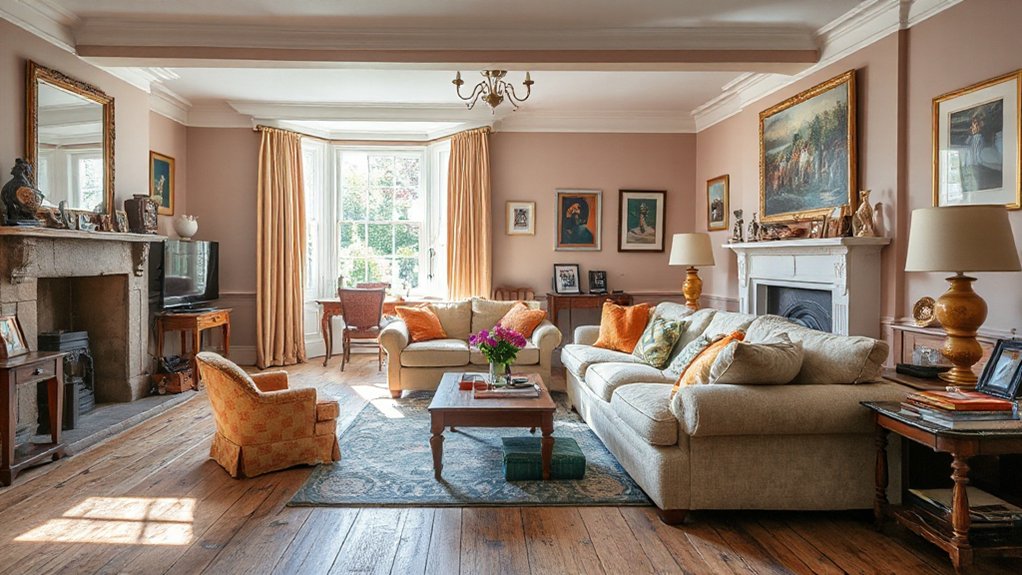
Prioritizing timeless foundations over quick trends keeps your UK home cohesive and resale-ready. You’ll build a durable base that adapts, not blindsides, by prioritising quality over fads. Focus on enduring materials, classic layouts, and neutral palettes that age well. When you plan, think long-term comfort and value, not temporary wow factors. You’ll master balanced updates that respect architecture and space.
- Modern trends influence taste, but longevity matters more for structure and finishes.
- Quick updates can be reversible yet costly if chosen poorly.
- Invest in timeless flooring, durable counters, and solid joinery.
- Choose lighting and hardware with flexible compatibility across eras.
- Use pattern and texture sparingly to avoid dated looks.
This approach fosters belonging: your home feels confident, respectful, and truly yours.
Make Small Rooms Feel Bigger: Balance Function and Style
To make small rooms feel bigger, prioritize layout efficiency and clever storage over flashy styling. You’ll reclaim space by choosing multifunctional pieces and avoiding oversized furniture. Opt for compact, space-saving furniture that hides clutter and encourages flow, not obstruction.
Keep sightlines clear: leggy tables, low sofas, and wall-mounted shelving draw the eye upward and outward, creating a sense of openness. Use mirrors strategically to amplify light and add depth, but avoid symmetry that feels forced.
Define zones with rugs and lighting rather than walls, preserving flexibility for daily life. Embrace simplicity and cohesion; a restrained palette supports visual expansion without dullness.
This practical approach strengthens belonging, as you experience calmer, more usable rooms tailored to real living. Visual expansion becomes your default, not a dream.
Build a Cohesive Color Palette Across Hallway to Living Room
A cohesive color palette ties your hallway to the living room by repeating a few core hues and finishes, so the journey through your home feels intentional rather than cut off. You’ll establish color harmony by selecting three to four tones that map across spaces, avoiding abrupt shifts.
Start with a dominant wall or furniture color, then layer with accent fabrics and accessories. Palette selection hinges on undertones and contrast, not novelty. Keep metallics and woods consistent for cohesion.
- Use one unifying color family across rooms
- Reintroduce the same accent shade in textiles and art
- Balance light and dark values for depth
- Align finishes (matte vs. satin) to unify surfaces
- Test palette in lighting before committing
Neighbours of Design: Ceilings, Floors, and Windows
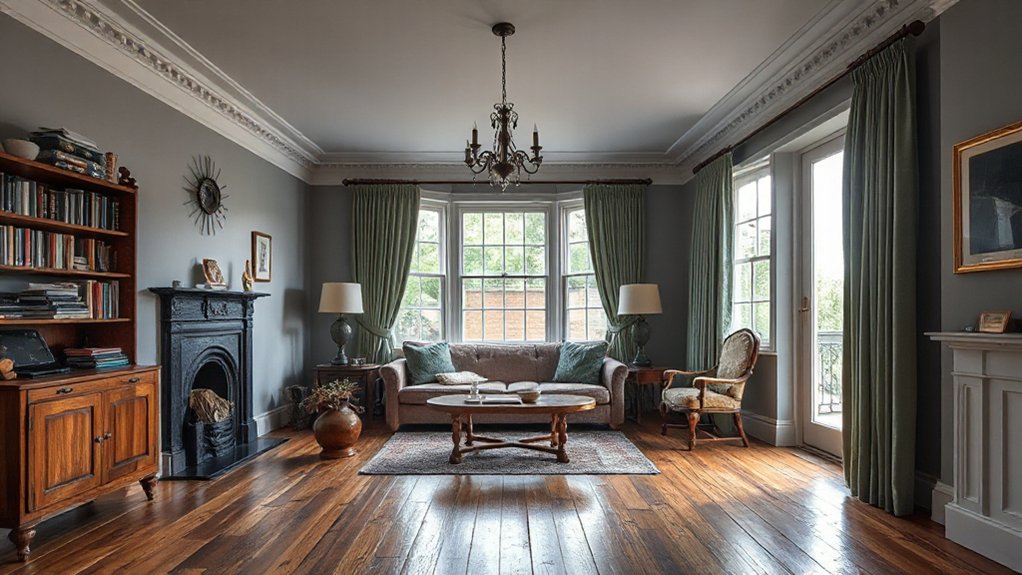
Consistency across ceilings, floors, and windows sets the tone for every room. You’ll want to contemplate ceiling proportions, how floor-wit flooring reads, and how windows frame light and views to avoid clashes.
Start with clear relationships—height, texture, and trim—so these neighbours support your design rather than compete with it.
Ceiling Proportions Matters
Ceiling proportions can alter how a room feels, so get them right before you pick fixtures or paint. When you plan, factor ceiling height into proportions with walls and furniture to avoid a boxy or cramped vibe.
Subtle decorative moldings can elevate a space without clutter, and they help draw the eye upward rather than outward. Use proportion as a design tool: higher ceilings demand lighter paint and slender reveals, while lower ceilings benefit from warm textures to feel cozier.
Prioritize clean lines and avoid excessive ornament. Ceiling shapes should complement, not compete with, your room’s purpose and scale.
- Leverage ceiling height to set mood and balance
- Choose decorative moldings sparingly for refinement
- Align lighting with architectural lines
- Use vertical elements to elongate space
- Respect proportion over trend for lasting impact
Floor-Witflooring and Windows
Flooring and windows deserve as much design attention as ceilings because they ground the room’s feel and light. You shape the space with durable, well-considered flooring choices, balancing texture, color, and wear. Choose materials that suit your lifestyle, footprint, and acoustics, then align them with adjacent rooms for flow.
Don’t overlook connections; grouting, edge details, and underlay impact perception as much as the top layer. For windows, select treatments that control light without shrinking the view or space. Blinds, shades, or soft drapery should feel cohesive with your flooring and furniture, not competing.
Consider insulation and energy implications alongside aesthetics. In practice, test samples at different times of day, and commit to a coherent, adjustable plan that grows with your home.
Smart Lighting: Layer for Ambience and Tasks
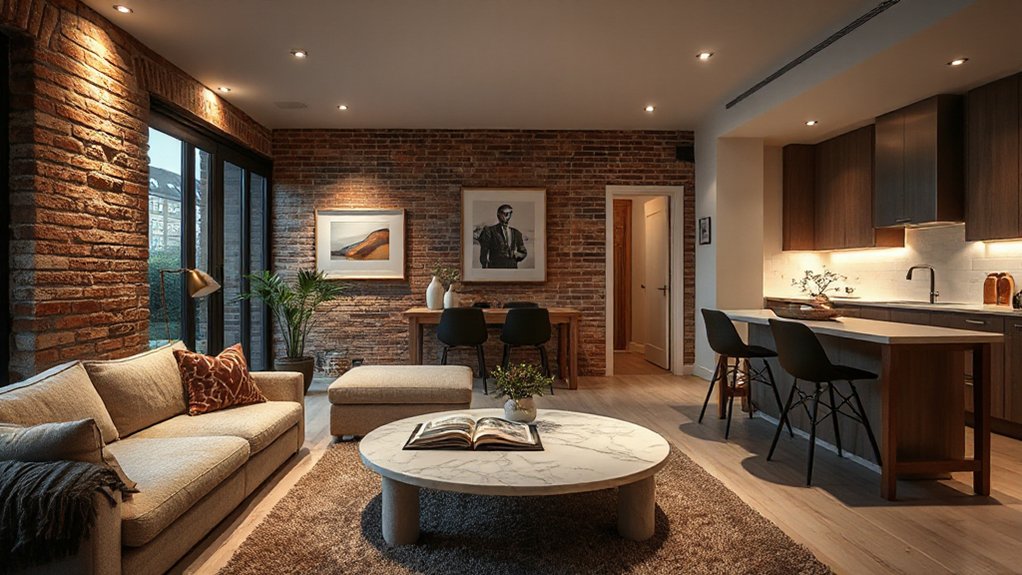
Smart lighting isn’t just about brightening a room; it’s about layering light for ambience and tasks. You design with layers so spaces feel welcoming yet functional, not sterile. Focus on three levels: ambient, task, and accent. Achieve Layered lighting to suit mood and activity, boosting ambience enhancement without glare. Use dimmers, color warmth, and well-placed fixtures to control atmosphere. Avoid relying on a single overhead light; mix sources for depth and texture. Pair smart controls with scenes for daily routines and entertaining.
- Establish ambient base with soft, wide-spread light
- Add task lighting at desks, counters, and reading nooks
- Include accent lighting to highlight art or architecture
- Calibrate color temperature to support mood
- Integrate controls for seamless transitions
Storage Solutions That Keep Clutter at Bay
Smart storage isn’t about cramming more in; it’s about making every item easy to find and every inch count. You design spaces that anticipate need, not just hold things. Begin with hidden compartments in beds, ottomans, and coffee tables so daily clutter stays out of sight and out of mind.
Choose multi functional furniture that serves two roles—seating plus storage, or work surface plus stash area—so you reclaim floor space without sacrificing usability.
Label zones clearly: coats, cables, books, and toys each have a home. Install adjustable shelving to adapt as your family evolves, and keep a regular declutter rhythm—seasonal sort, donate, and pare down.
Materials for UK Climate and Longevity
Choosing materials that perform in the UK’s damp, temperature swings is essential for longevity; start by prioritising robust, breathable options that resist cracking and warping. You’ll want surfaces and substrates that cope with humidity, fluctuating temps, and seasonal rain without failing.
Focus on weather resistant materials and durable finishes that keep their look over time. Plan for moisture control, proper detailing, and easy maintenance to sustain a confident, cohesive home.
- Weather resistant materials that survive damp cycles
- Durable finishes that resist chipping and staining
- Breathable substrates that manage moisture
- Low-maintenance options for busy households
- Proper expansion joints to prevent cracking
Personalize Without Clutter: Display Rules That Last
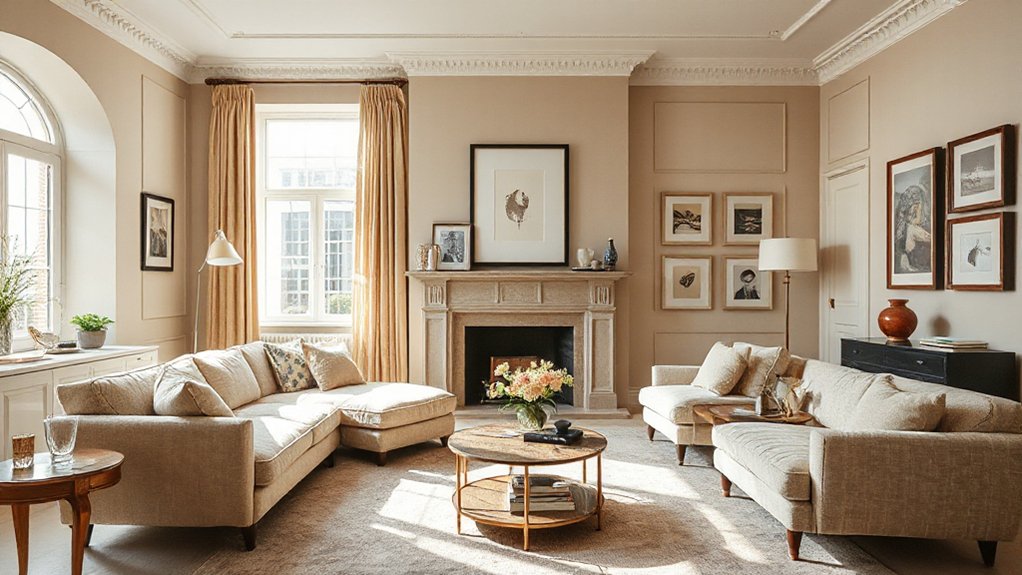
To personalize your space without adding clutter, establish a clear display framework that prioritizes meaning over volume. You should curate with intention, not impulse, so every item earns its place.
Use a simple rule: align objects by theme or color, and limit tiers to three focal pieces per room. Practice personalized decor that speaks to you while maintaining balance, avoiding lonely shelves or random accumulations.
Rotate pieces seasonally to keep the story fresh, but don’t overdo it—presence beats abundance. Embrace clutter control by editing weekly, photographing setups to track what works, then discard what doesn’t.
This approach creates spaces that feel welcoming, cohesive, and lived-in, not crowded. Your home becomes a genuine reflection, effortlessly stylish and calm.
Frequently Asked Questions
How Often Should You Reassess Your Design Budget?
You should reassess your design budget whenever plans shift or costs spike, at least quarterly. Track evolving priorities, quotes, and timelines, and adjust promptly.
Budget adjustments help you stay on track without compromising style or function. Build in a 10–15% contingency for surprises and reallocate as needed.
Design flexibility keeps you part of the process, not left behind—you’ll feel confident, in control, and connected to your home goals. Regular reviews reinforce belonging and practical progress.
What Height Is Ideal for Sofa Seating in UK Homes?
The ideal sofa seating height in UK homes is around 40–45 cm from floor to seat. You’ll feel the difference in seating comfort when your feet rest flat and your knees bend at a natural angle.
Think of a chair that fits your living room like a well-timed joke in a roomful of friends. Sofa height matters for posture, balance, and belonging, so choose a model that keeps your seating comfort consistent.
Can Lighting Choices Impact Perceived Ceiling Height?
Yes, lighting choices can alter perceived ceiling height. You’ll create vertical drama with brighter, cooler light near the ceiling and indirect lighting along walls to lift the room.
Use lighting effects like uplighting and recessed fixtures to draw the eye upward. Avoid heavy shadows that compress the space.
With ceiling illusions, you’ll feel taller, more open ceilings, and you’ll share a sense of belonging in a thoughtfully lit, cohesive home.
Which Measurement Tools Speed up Space Planning Accuracy?
You should use laser distance measurers and digital tape measures to speed up space planning accuracy. These measurement techniques let you capture precise lengths, angles, and volumes, reducing guesswork as you draft layouts.
Pair them with sketching apps for quick iterations. You’ll optimize space faster, ensuring furniture fits and flows well.
This approach fosters belonging through confident decisions, clear communication, and tangible results, helping you achieve space optimization with reliable, repeatable measurements.
How Do You Test Paint Colors in a Flat Before Committing?
Yes. To test paint colors in a flat before committing, you should do color testing with large paint samples on multiple wall spots and observe at different times of day.
Swap samples if needed, and compare with furniture. Use test patches at eye level in natural light for accuracy.
Track results with notes, and keep the process practical. Color testing helps you feel confident.
Paint samples guide you toward cohesive, welcoming spaces.
Conclusion
Conquer your space with confidence. Measure first, then design like a pro, because tiny missteps explode into costly chaos. Picture-perfect layouts crumble without smart lighting, proportions that actually fit, and storage that vanishes clutter forever. Stick to a realistic budget and a doable plan—your future self will thank you when the hall feels twice as wide and your room’s vibe lands like a designer label. Keep color honest, textures durable, and personalization purposeful; your UK home will thank you with effortless charm.