

Here are the best UK towns for first-time buyers, chosen for affordability, solid transport links, and real job prospects. You’ll find favorable price-to-income ratios, clear routes to ownership, and diversified local economies that cushion price swings. Strong rail and bus networks cut commutes, while cultural landmarks, markets, and community centres boost belonging. Rental options and rent-to-own schemes expand options, with well-maintained amenities supporting stable, family-friendly living. If you want a community with momentum, you’ll soon see why this matters.
Why First-Time Buyers Should Consider UK Towns

UK towns offer a compelling path for first-time buyers, combining affordability with accessibility to services, transport, and employment hubs. You’ll gain more space, lower deposits, and a clearer route to ownership without sacrificing daily convenience.
Data show towns frequently offer faster price growth relative to buyers’ budgets, while still maintaining transport links and job opportunities that fuel long-term stability.
You’ll also benefit from a closer-knit feel and opportunities to contribute to a community you can call home. Historical landmarks offer context and pride, helping you feel rooted from day one.
Local cuisine adds social value, supporting neighbourhood pride and shared experiences. In short, these towns balance ambition with belonging, supporting steady, informed progress toward your first property and a confident future.
How We Evaluate Affordable UK Towns: Price, Transport, and Jobs
To evaluate affordable UK towns, we balance three core dimensions: price, transport, and jobs. You’ll see price through affordable entry points, steady rent floors, and recent price-to-income trends.
Transport, measured by rail links, bus networks, and commuting times, reveals how quickly you can access employment centers and amenities.
Jobs focus on diversified local economies, average earnings, and vacancy rates, indicating resilience and opportunity for growth.
We combine these signals into a transparent score, calibrated against regional benchmarks and evolving economic data.
Alongside practical metrics, we highlight cultural fabric—historic landmarks and local festivals—that signal belonging and long‑term lifestyle value.
This approach helps you pick towns where affordability meets connection, community, and future possibility.
Affordable UK Towns by House Price
If you’re prioritizing cost efficiency, house prices in these towns offer the strongest entry points without sacrificing access to transport and jobs. You’ll find substantial variations even within regions, with prices often 20–40% lower than nearby metropolitan averages, translating into meaningful mortgage relief and quicker equity growth.
Data shows consistent price-to-income gaps narrowing in affordable towns, supporting sustainable ownership for first-timers. Beyond affordability, these locations sustain value through steady demand, good schools, and local employment options.
Historical landmarks anchor community identity, while thriving local cuisine reflects diverse, resilient neighborhoods. You’ll benefit from clearer price signals, transparent market data, and practical buying conditions.
Belonging grows as you invest in well-connected towns that balance ambition with affordability.
Rental Options for First-Time Buyers in Affordable Towns
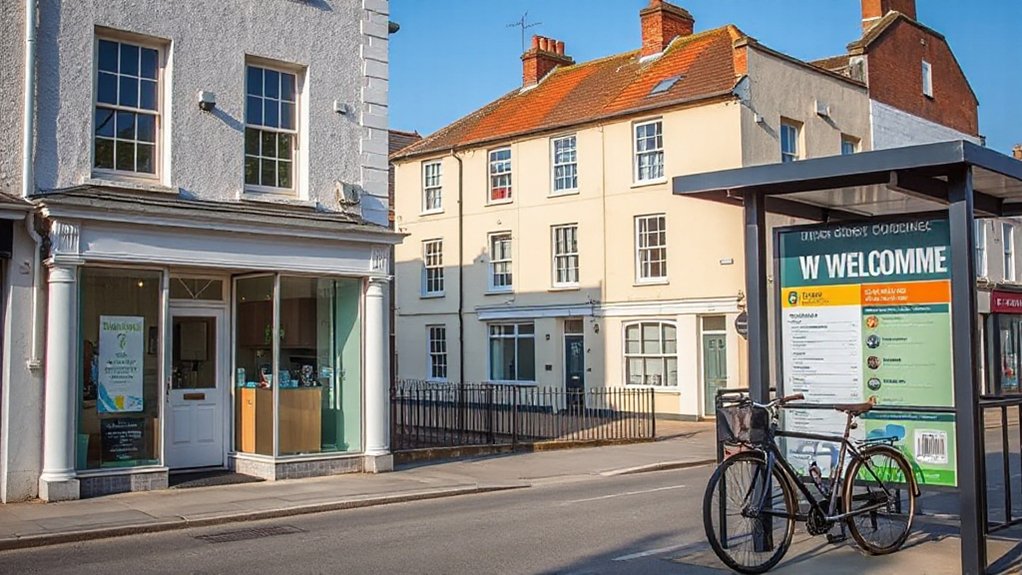
What rental options make sense for first-time buyers in affordable towns, and how do they support a quicker path to ownership? Consider flexible arrangements that balance cost with proximity to work and amenities.
Short-term leases can test location suitability before committing; mid-term or monthly contracts reduce long-term risk while you save a larger deposit. Look for rent-to-own pilots or limited-option agreements that convert rent into equity, where available.
In affordable towns, leverage affordable luxury—options like well-located luxury apartments at lower-than-average rents can free cash for savings.
While vacation rentals around seasonal demand offer supplementary income, not just escape.
Pair these with transparent service charges and clear renewal terms to build confidence, belonging, and a credible trajectory toward ownership.
Transport Links That Boost Life Quality and Resale Value
Even with affordable upfront costs, strong transport links dramatically lift life quality and resale value in first-time buyer towns. You’ll notice shorter commutes, higher daily productivity, and access to regional job clusters, all backed by data on travel times and service frequency.
Rail and bus networks that connect town centers to airports and business hubs correlate with faster house value appreciation and lower vacancy rates. You’ll also enjoy better access to cultural festivals and historic landmarks, enriching community identity and social capital.
When evaluating towns, weight transit reliability, planned upgrades, and multimodal options, since these factors predict long-term resale confidence. Strong transport links nurture belonging by expanding opportunities while preserving local character and cohesion.
Local Amenities for Growing Families in Budget Towns
Growing families look for more than affordability; they need neighborhoods where everyday life works smoothly. You’ll notice practical amenities that support routines: safe local shops, reliable GP access, and well-maintained open spaces that invite regular outdoor time.
In budget towns, you’ll also find commuting simplicity and predictable service levels, helping you balance work and family life without constant trade-offs. Data shows higher satisfaction where weekly markets, community centers, and adaptive reuse spaces exist within a short stroll or jog.
Urban parks offer playtime without crowds, while cultural festivals reflect active neighbourhood life, reinforcing a sense of belonging. Prioritize towns with consistent bus routes, clean cycling paths, and inclusive events that welcome all ages, ensuring your family feels rooted and supported.
Schools and Community Quality in Budget UK Towns

You’ll want to weigh School Quality and Access against Community Vibe and Safety to gauge overall value for money.
The data shows mixed results: strong-local schools often cluster with safer, engaged neighborhoods, while budget options may require trade-offs in proximity or transport.
We’ll also compare Budget-Friendly Education Options to make certain you’re not sacrificing long-term outcomes for upfront costs.
School Quality and Access
Access to education isn’t limited to primary and secondary routes; it includes transport links, nearby tuition resources, and after-school programs that extend learning beyond classroom hours. Data shows pockets where catchment zones tighten prices but improve school performance, shaping smarter purchasing decisions.
As you assess towns, weigh school quality alongside affordability, ensuring you’re not compromising future opportunities for today’s savings. This balanced view supports belonging within communities that prize education and shared growth.
Community Vibe and Safety
Data shows towns with proactive community policing and transparent reporting experience higher resident trust and lower incident rates, while well-funded parks, lighting, and waste management reinforce daily comfort.
You’ll feel welcome when streets host regular, inclusive events that invite participation across ages and backgrounds, reinforcing belonging.
Look for strong residents’ associations that publish clear minutes, budgets, and action plans.
Prioritize areas where local traditions and community events reflect diverse participation, encouraging neighbors to look out for one another and share responsibilities for safety, upkeep, and social connection.
Budget-Friendly Education Options
Education accessibility expands beyond classrooms: libraries, digital learning hubs, and community colleges extend study into evenings and weekends, supporting varied work patterns common to first-time buyers.
Data shows stable pupil-teacher ratios and growing participation in apprenticeships, which helps maintain property appeal.
When planning affordable housing near these assets, you gain practical convenience, reduced commuting costs, and potent social capital.
Local Employment Prospects in Affordable Towns
Data shows towns with multiple anchor employers and small business clusters maintain lower unemployment spikes and faster recovery times. Remote working is increasingly common, expanding job access beyond traditional centers and widening your options without sacrificing affordability.
Cultural events attract skilled freelancers and young families, boosting local demand and networking within communities. Focus on towns with infrastructure upgrades, reliable broadband, and active industry partnerships; these signals correlate with job stability and wage progression.
When you evaluate towns, prioritize complementary sectors and long-term growth momentum for lasting belonging.
Cost of Living vs Salaries for First-Time Buyers
You’ll want to weigh salary growth against living costs across regions, since rising wages don’t always keep pace with rent, transport, and utilities.
Regional variations mean gains in one town may still leave affordability tight when housing pressure is high. This balance directly shapes first-time buyers’ ability to save for a deposit and sustain a workable budget.
Salary Growth vs Living Costs
Salary growth has outpaced wage stagnation in many parts of the UK, yet living costs have risen even faster in pockets where first-time buyers are most active. You’ll feel the squeeze when rents and utilities climb while savings seem to lag, even as earnings harden.
Data shows pockets where salary growth narrows while price pressure remains high, creating a double bind for your budget and plans.
1) You’ll want to track affordability metrics month to month, not just annual headlines.
2) Luxury housing and foreign investment shape demand, influencing prices and your entry point.
3) Strategic towns with balanced growth offer clearer paths to equity, faster milestones, and a sense of belonging for new homeowners.
Regional Salary Variations
Across regions, the cost of living and salary growth diverge enough to reshape first-time buyer prospects. You’ll notice a clear pattern: regional salary levels influence how far your savings can stretch, even when wages rise.
In prosperous hubs, incomes are higher, but so are rents and daily costs, widening the gap between what you earn and what you need. Conversely, some smaller towns offer calmer price-to-income ratios, improving affordability despite slower wage growth.
This dynamic creates income disparity that matters for your planning. When comparing towns, look beyond headline salaries to the local cost structure, benefits, and job mix.
Understanding regional salary trends helps you align your housing goals with realistic timelines and community fit.
Housing Affordability Pressure
- Luxury apartments often skew perception of affordability, yet long-term maintenance and service charges erode potential savings.
- Historic landmarks add cultural value, but restoration costs can inflate total ownership expenses in the long run.
- Market momentum matters: towns with balanced wages and realistic price-to-income ratios offer stronger housing security and a sense of belonging.
Neighborhood Vibe and Growth Potential in Affordable Towns
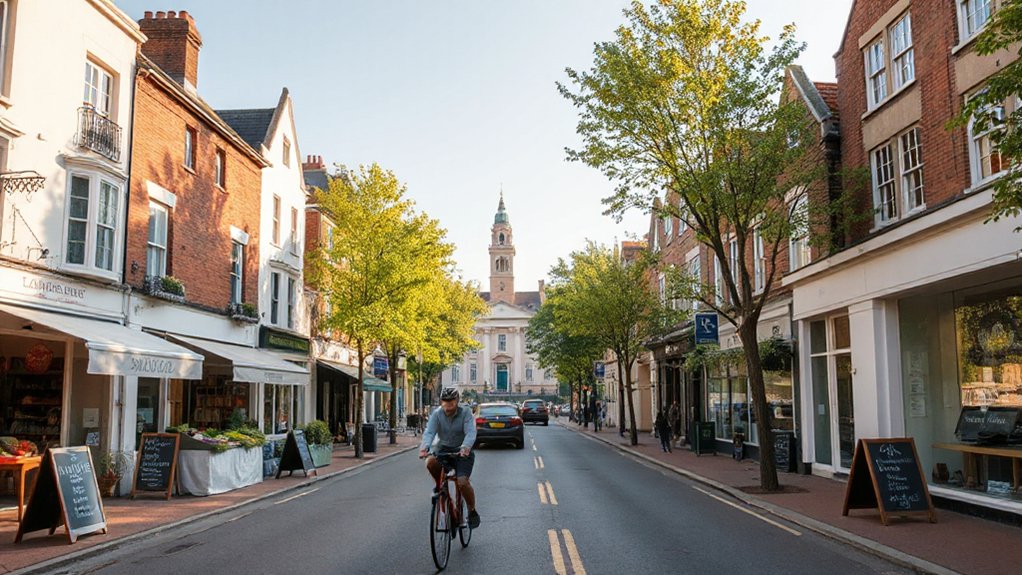
Neighborhood vibe matters not just for today but for long‑term value: affordable towns with thriving high streets, connected transport, and diverse housing options tend to grow faster as new residents fuel demand for services and amenities.
You’ll notice in data dashboards that areas with active local art scenes and regular community events see higher footfall, longer dwell times, and stronger return on investment for amenities.
When a town cultivates inclusive venues, co-working spaces, and accessible transit, growth compounds: households stay, spend, and attract job creation.
Your sense of belonging strengthens as neighbors participate in fairs, markets, and arts programs.
This synergy boosts perceived safety, social capital, and lapsed-time surveys, signaling resilient market dynamics for first-time buyers seeking value.
Local art, community events underpin sustainable neighbourhood growth.
A Practical Checklist to Choose Your First UK Town
Choosing your first UK town starts with a clear, data-driven checklist you can trust. You’ll compare housing costs, transport links, and employment data, then factor community fit to feel you belong. Use this practical framework to avoid guesswork and find a place that resonates.
1) Prioritize affordability and monthly outgoings, anchored by local wages, council tax, and utility trends.
2) Assess connectivity and job access, including rail frequency, commute times, and regional growth forecasts.
3) Evaluate culture and everyday appeal, from historical landmarks to local cuisine, ensuring daily life sparks pride and belonging.
This approach blends measurable data with lived experience, guiding you to a town where you can put down roots, grow, and truly belong.
Frequently Asked Questions
How Do First-Time Buyers Compare Mortgage Options in These Towns?
You compare mortgage options by evaluating affordability and lender eligibility in each town, noting that Mortgage affordability varies with local earnings and deposit sizes, while lender eligibility hinges on credit history and income stability for first-time buyers.
Which Towns Offer the Best Long-Term Resale Potential?
Alliteration alert: turnout towns tend to treasure steady appreciation. You’ll pick places with affordable amenities and strong community support, boosting long-term resale potential as demand Dynamics drive durable value; you’ll feel belonging while data backs your decision.
What Tax Incentives Exist for First-Time Buyers Locally?
Stamp duty relief and local grants exist for first-time buyers, varying by region; you’ll often find exemptions or phased reductions, plus council or foundation grants, so you can lower upfront costs and feel supported in your choice.
How Do Leasehold and Ground Rent Differ in Affordable Towns?
You notice the skyline blur through fog as you weigh Leasehold complexities and Ground rent impacts, scanning affordable towns. You’ll compare costs, term lengths, and protections, choosing options with clearer fees, fewer surprises, and a stronger sense of belonging.
Are Private Schools Widely Accessible in These Towns?
Private school accessibility varies, but you’ll find offerings in many towns alongside strong community amenities. You’re not alone; data shows several areas provide decent access, reinforcing belonging while you weigh affordability and overall educational options in your chosen community.
Conclusion
In short, choosing the right UK town isn’t guesswork, it’s data-driven strategy. you’ll weigh price-to-growth, transport links, and local jobs to minimize risk and maximize resale value. Think beyond stickers on a map: consider rental demand, wage growth, and cost of living relative to salaries. Like a compass, these metrics point you toward neighborhoods where affordability meets opportunity, stability meets potential, and your first home doesn’t just exist—it thrives.