
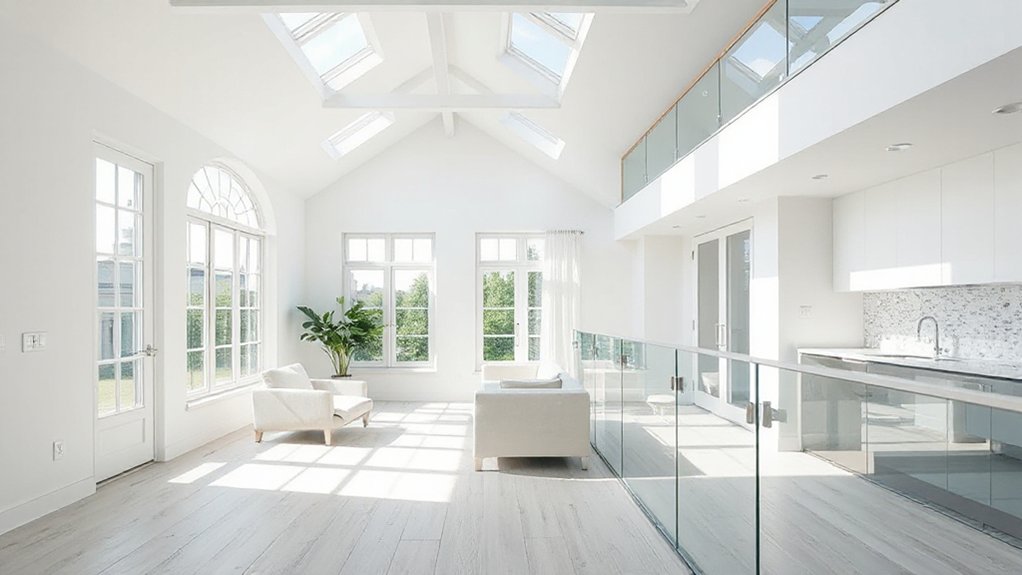
To renovate for better natural light, start with a room-by-room daylight audit: map sun exposure, identify shading, and note window orientation. Remove barriers, enlarge or reframe openings where feasible, and align openings with sun paths. Use light finishes, reflective surfaces, and mirrors to bounce daylight deeper. Minimize heavy drapes; opt for sheer or adjustable coverings and daylight-responsive lighting. Balance brightness with historical character. If you keep exploring, you’ll uncover even more practical steps to brighten your space.
Diagnose Your Light: Orientations, Room by Room, and Shading
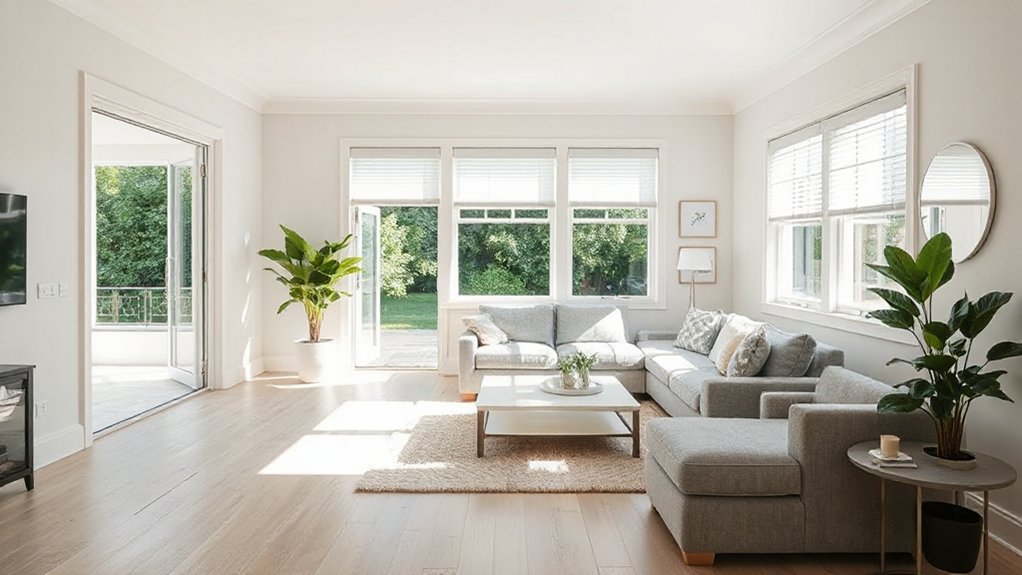
To diagnose your light, start with a simple map of each room’s sun exposure: note which walls receive direct sun in the morning, afternoon, and evening, and which rooms are shaded by neighboring structures.
You’ll use this map to spot Seasonal shading patterns that repeat through the year and identify zones prone to Light pollution from street lamps or exterior fixtures.
Record window orientation, ceiling height, and any internal obstructions that block daylight.
Then assess each room’s usable daylight hours, noting where glare occurs and where contrast is strongest.
This precise, room-by-room audit builds a shared vocabulary for your renovation team, fostering belonging as you align design choices with daylight realities and minimize artificial reliance.
Layout Changes That Let in More Sun
You can boost sunlight by fine-tuning window placement to maximize natural light where you live and work. Think about aligning openings with core living areas to improve open corridor flow and reduce shadows across the day.
Start with practical tweaks: position key windows for cross-ventilation and direct sightlines to brighter spaces. Then adjust sizes and layouts to sustain that daylight while preserving privacy.
Window Placement Impacts
If you’re aiming to boost daylight, start by rethinking window placement to optimize sun exposure and room flow. You’ll gain deeper daylight by aligning openings with real sun paths and interior use, not just exterior aesthetics.
Prioritize architectural symmetry to balance light distribution, prevent harsh highlights, and create a comfortable rhythm across rooms.
Consider window framing that emphasizes clean sightlines and reduces visual clutter, making each pane a deliberate frame for outdoor scenery.
In living areas, place larger panes where you spend time and smaller ones where you pass through.
In kitchens and workspaces, stagger openings to maintain glare control without sacrificing brightness.
Keep exterior setbacks and interior walls coordinated, so daylight travels smoothly from entry to far corners.
Open Corridor Flow
Could a brighter corridor transform how you move through the home? Open corridor flow is about removing barriers that block daylight and movement. Start with clear sightlines, minimize partitions, and align doors with main daylight sources to sustain daylight penetration.
Use seamless thresholds or none at all to reduce visual obstructions and improve flow optimization. Consider widening a narrow passage or reconfiguring storage to reclaim wall space, letting light bounce farther.
Favor lighter colors, matte finishes, and reflective surfaces that don’t glare, yet support a calm atmosphere of belonging. Place mirrors strategically to extend daylight from adjacent rooms.
Guarantee logical circulation: main routes stay direct, intersections simple, and furniture arranged to avoid shadowed corners. These adjustments make the corridor feel open, inviting, and self-evident.
Brighten With Color and Finishes: Paints, Surfaces, and Materials
You’ll start by choosing paints with higher light reflectance to bounce more daylight around rooms. Consider surface finishes and textures that amplify brightness without glare.
Coordinate material colors so accents feel cohesive rather than chaotic. Plan a simple palette that links wall tones, trim, and major surfaces to keep the space feeling open and bright.
Paint Light Reflectance
- Choose higher reflectance paints (toward matte to satin) for living spaces to maximize daylight diffusion.
- Balance color temperature with room function; cooler temps feel brighter near windows, warmer temps add coziness.
- Use Paint sheen thoughtfully to control glare while preserving color accuracy.
- Test samples on multiple walls at different times of day to confirm consistency and avoid underwhelming results.
Surfaces Finishes Choices
What surface finishes best brighten a space? You’ll choose finishes that maximize light without sacrificing function.
Prioritize light-reflective paints in soft whites, warm neutrals, or pale pastels for walls and ceilings, paired with durable, wipeable topcoats.
Surface textures matter: smooth, satin, or eggshell textures reflect more light than heavy textures, while still hiding minor imperfections.
For floors, go with high-sheen or semi-gloss coatings in pale tones to bounce daylight deeper into rooms.
Consider surfaces that resist wear in high-traffic areas, ensuring finish durability over time.
Trim and cabinetry should align with wall tones for a cohesive glow, avoiding overly dark contrasts that dampen brightness.
Choose materials and finishes that feel calm, cohesive, and welcoming to everyone who enters.
Material Color Coordination
- Pick a light-dominant palette and test in multiple rooms to confirm reflective behavior.
- Match paint sheens to surface characteristics for depth without glare.
- Select durable materials with UV resistance and easy maintenance for high-light areas.
- Create a unifying rhythm by repeating color accents across trim, cabinetry, and textiles to reinforce belonging.
Window Treatments for Light, Privacy, and Efficiency
Window treatments can dramatically shape how light enters a space, control privacy, and improve energy efficiency—so choosing wisely matters. You’ll benefit from simple, durable options that pair with your existing architecture. Begin with window coverings that offer adjustable light diffusion, such as roller shades or cellular blinds, to tailor brightness without glare.
For privacy and energy savings, layered treatments work best: combine sheer panels with opaque curtains or shades to switch between daylight and enclosure quickly. Consider fabrics and colors that reflect or absorb heat appropriately for your climate.
Guarantee easy operation and compatibility with smart controls to maintain constant comfort. By selecting purposefully, you create rooms that feel welcoming, cohesive, and energy-conscious.
Reflective Surfaces and Mirrors to Double Daylight
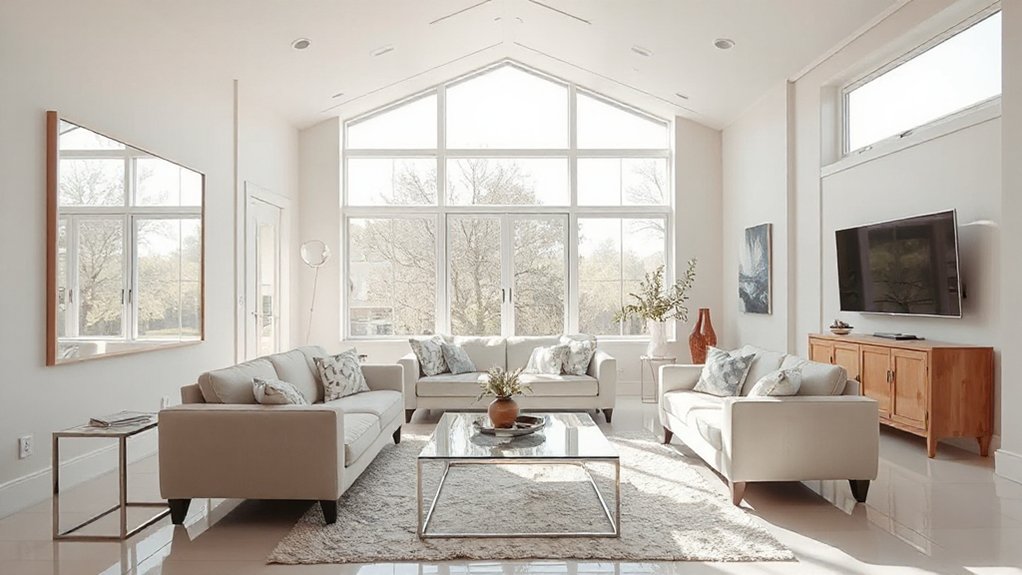
When you strategically place reflective surfaces and mirrors, you can double daylight without adding fixtures. To maximize impact, focus on placement, balance, and material quality.
- Reflective surfaces: choose high-gloss or satin finishes that bounce light without glare.
- Mirror placement: position mirrors opposite windows to redirect natural light deeper into rooms.
- Framing and scale: opt for appropriately sized panels that complement architecture, avoiding busy frames.
- Height and angles: mount at eye level or slightly higher to optimize reflections across walls and ceilings.
Create a Daylight-Centric Lighting Plan: Sun, Task, and Ambient
To create a daylight-centric lighting plan, start by aligning sun exposure, task needs, and ambient conditions across the day. You’ll map sun angles, window placement, and shading to maximize brightness where it’s needed most, while preserving comfort.
Then assign specific tasks to ideal times: work areas lit by natural light during peak hours, quiet corners shaded for reading later, and circulation paths kept bright with ambient layers.
Implement sun tracking to anticipate changing light and adjust blinds or louvers automatically. Integrate daylight harvesting by dimming artificial fixtures when daylight suffices, reducing energy use without sacrificing performance.
Document controls, respond to seasonal shifts, and verify consistency with building envelope changes. This disciplined approach fosters belonging, confidence, and a measured commitment to brighter, efficient living.
Budget-Smart Renovations That Maximize Natural Light
Maximize natural light without breaking the budget by prioritizing low-cost, high-impact changes. You’ll get more glow without overhauling rooms, by understanding architectural styles and historical influences that favor openness.
- Reassess window openings: enlarge or reframe where feasible, aligning with original architectural styles while preserving history.
- Use light-colored, reflective finishes: ceilings, walls, and floors bounce more daylight, creating a brighter atmosphere.
- Improve passive ventilation: strategically placed vents and operable transoms link indoors with daylight-rich exteriors.
- Optimize furniture placement and window treatments: low-profile pieces, sheer fabrics, and mirrors amplify daylight without clutter.
These practical choices respect historical influences while delivering a neighborly, inclusive feel. You’ll see clearer sightlines, timber warmth, and a brighter living rhythm.
Quick Fixes and Real-World Examples to Try This Weekend
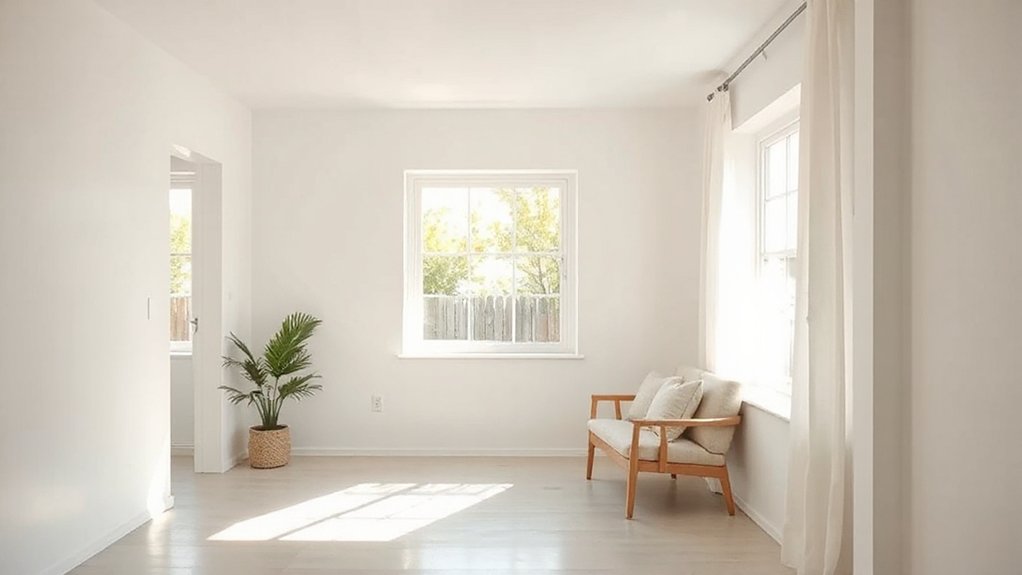
This weekend, put practical, rapid-light wins into action with a handful of real-world fixes you can implement in a day. You’ll choose focused, feasible tasks that honor historical preservation while boosting brightness.
Start by decluttering and rearranging furniture to reveal underused wall space and maximize window sightlines. Swap heavy drapes for sheer coverings or remove them altogether where appropriate, preserving character. Add a sunlit focal point, like a bright accent wall or a glass-backed cabinet, to bounce light deeper.
Consider quick structural reinforcement: tighten loose trim, seal gaps, and reinforce any weak sills to prevent drafts. Finally, install reflective surfaces—mirrors opposite windows and light-colored, low-sheen finishes—to amplify daylight without major renovations.
This approach reinforces belonging through practical, respectful improvements.
Frequently Asked Questions
How Can I Assess Current Daylight Levels Quickly?
You can assess daylight quickly by standing in key rooms at mid-morning and mid-afternoon, noting brightness, shadows, and glare; compare across seasons. Consider interior color and window placement to optimize perceived illumination and comfort for belonging.
Which Rooms Benefit Most From South-Facing Windows?
South-facing windows benefit main living spaces and kitchens most, maximizing daylight. You should prioritize Window placement for primary rooms and guarantee Room orientation supports sun exposure, circulation, and comfort, so you feel connected and confidently oriented in your home.
Do Skylights Require Structural Work or Permits?
Yes, skylights generally require structural modifications and building permits. You’ll assess load, supports, and flashing, then submit plans for approval. Expect inspections, professional installation, and compliance with local codes to guarantee safe, durable, space-enhancing results.
Can Door Placement Impact Daylight Flow Effectively?
Did you know homes with thoughtful door placement gain up to 20% more daylight? You’ll optimize window placement and interior layout to channel light deeper, improving brightness, mood, and cohesion throughout your space.
How Do I Balance Light With Privacy Concerns?
You balance light and privacy by choosing window treatments that soften glare while preserving views, and Landscaping strategies that screen sightlines without blocking daylight, enabling you to enjoy warmth and privacy simultaneously.
Conclusion
You’ll finish stronger by prioritizing light in every choice, from layout to finishes. Assess orientation, open sightlines, and window placements, then plan accordingly; plan to maximize daylight, minimize shading, and reflect it with strategic paints and mirrors. Choose affordable upgrades that boost brightness without busting your budget. Measure twice, install once; test ideas quickly with weekend fixes. Track progress, refine strategies, and repeat improvements. Shine through consistently thoughtful decisions, and your home will feel brighter, bigger, and more inviting.