
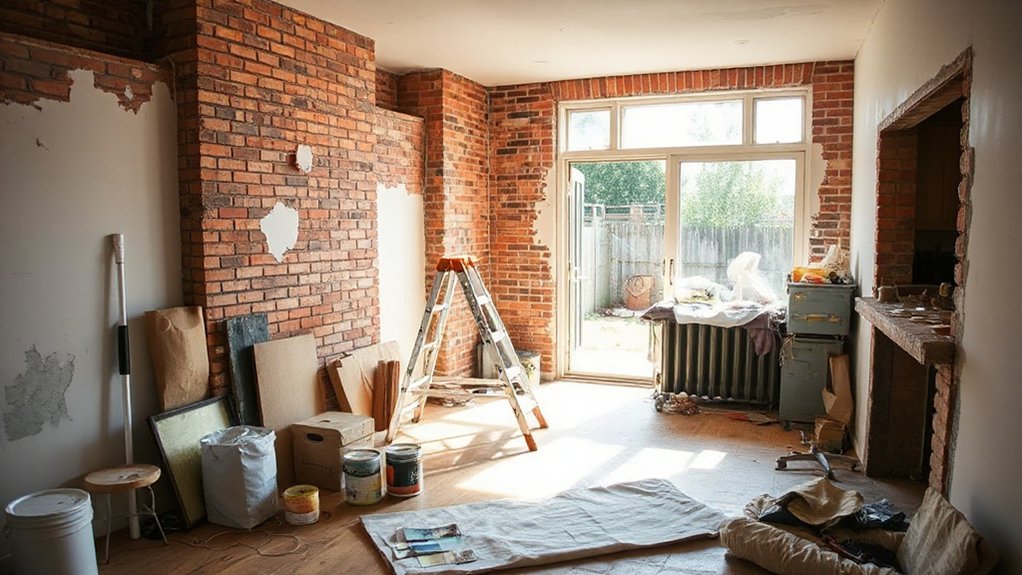
You’ll want a clear plan before you lift a wall, focusing on essentials like safety, electricity, and plumbing first. Set a low-disruption schedule that fits daily life, and lock in a honest budget with daily checks. Create clean, dust-free zones and simple ventilation to keep the home livable. Tackle high-impact tasks that improve comfort and safety, but stay flexible for surprises. Stay steady, track progress, and you’ll see where the next small win should come from.
Define Renovation Goals for Living-In Projects
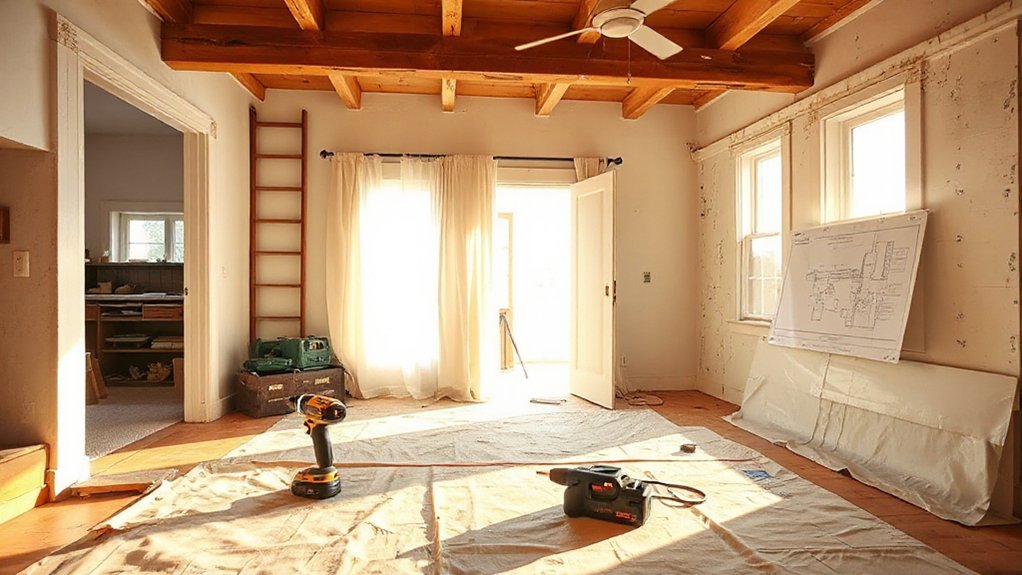
When you commence a living-in renovation, start by defining clear, priority-driven goals. You’ll map what must change, what can wait, and what’ll stay intact.
Begin with the core functions: safety, layout efficiency, and daily livability. Translate needs into measurable targets—room-by-room, budget caps, and a rough timeline.
Prioritize decisions that *unblock* the most value with the least disruption.
For Design inspiration, gather ideas that align with your budget and space constraints, then filter to practical options you can actually implement.
For Material selection, choose durable, low-maintenance options that fit your daily routines and cleanup limits.
Document decisions in a simple checklist, so you routinely verify alignment with goals before purchasing or scheduling work.
Refine goals as realities shift, and keep momentum.
Plan a Low-Disruption Timeline That Fits Daily Life
Now that you’ve set clear goals, shape a low-disruption timeline that fits your daily life. Break the project into small, nonoverlapping phases you can complete during weekends or evenings.
Prioritize tasks by impact: quick wins first, then noise-heavy work when you’re least needed at home. Map each phase to a realistic window, add buffers for delays, and lock in delivery windows with contractors.
Create a daily ritual: a 15-minute station-by-station sweep to keep clutter low and progress visible.
Use Design inspiration to guide order and finish without overhauling rooms repeatedly.
Schedule material sourcing for each phase to avoid bottlenecks; keep a preferred supplier list, and verify lead times before ordering.
Maintain a live calendar, share updates, and adjust as life shifts.
Budget Smartly and Track Costs Daily
Set a daily tracking habit by logging every purchase, no matter how small, so you see real-time costs at a glance.
Prioritize budget-conscious buys that meet function first, and pause on pricey add-ons that don’t move the project forward.
Review your numbers each evening and adjust your plans to stay on track.
Daily Cost Tracking
Track daily costs as you go to prevent budget creep. You’ll set up a simple ledger, log every receipt, and reconcile weekly.
Capture material sourcing details so you know unit prices, delivery fees, and waste. Track labor hours and subcontractor invoices to avoid surprise markups.
Use a single cost category for tasks like demolition, electrical, plumbing, and finishing, so you see where each area stands.
Compare estimates against actuals at project milestones, then adjust the plan accordingly.
Use a mobile app or spreadsheet with a current total, last week’s delta, and projected finish.
Maintain discipline: update after each purchase or service, verify quantities, and flag variances before they escalate.
Contractor selection and material sourcing decisions should stay aligned with the budget trajectory.
Budget-Conscious Purchases
To keep costs in check, buy only what you need and prioritize versatility: choose multi-use products, select standard sizes, and source affordable alternatives without compromising safety or quality. You’ll gain control by setting a simple budget, logging every purchase, and reviewing weekly to spot waste.
Focus on budget-conscious choices: opt for durable basics over flashy extras, and consider vintage finds that still meet safety standards. Before buying, compare prices, read reviews, and ask for weiß-boards or price-matching.
When possible, follow DIY tutorials to extend lifespans with smart repairs rather than full replacements. Track receipts, note units, and track usage to anticipate future needs.
Reevaluate your list after each room update, keeping essentials ready for the next phase and avoiding impulse buys.
Create Safe, Dust-Free Work Zones and Ventilation
Creating safe, dust-free work zones and proper ventilation starts with separating the renovation area from the rest of your home and setting up a dedicated, contained space. Set up plastic barriers to seal doors and vents, and use zip panels or temporary walls to minimize cross-traffic.
Close the main living area doors and post a clear entry protocol for workers. Use portable air purifiers with high-efficiency filters to support air filtration, and vent dust outside whenever possible.
Keep tools, buckets, and waste contained in the renovation zone, with a dedicated waste bin for debris. Wet-clean surfaces daily to accelerate dust control, and mop floors before you re-enter common areas.
Schedule work during times you’re least likely to be home for final passes.
Prioritize Tasks by Impact on Comfort and Safety
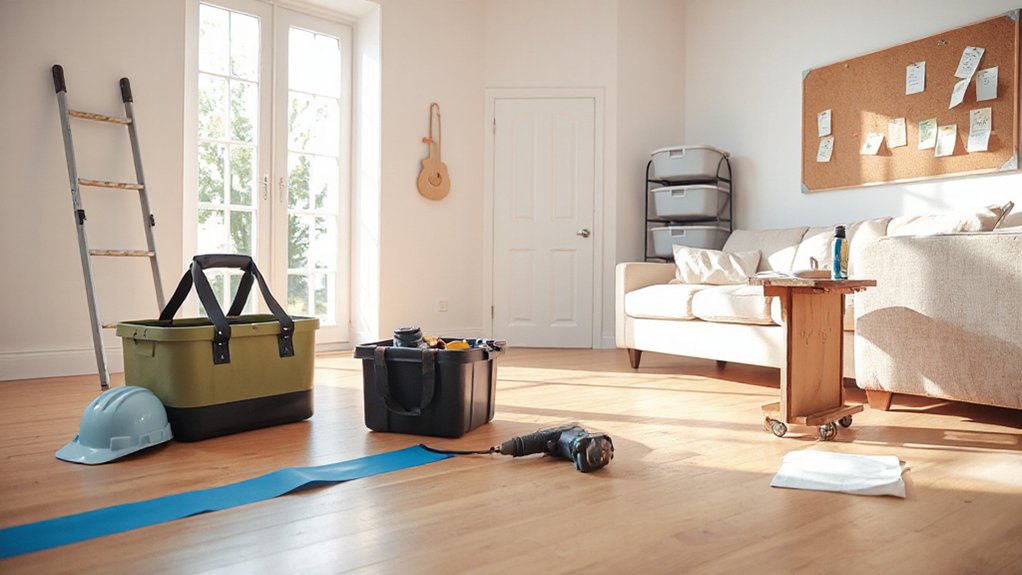
Start by listing everything that could disrupt daily life and safety, then rank tasks by how quickly they relieve discomfort or reduce risk.
You’ll boost comfort first by addressing essential utilities—electric, water, heating, and ventilation—then tackle structural and surface hazards. Prioritize drafty windows, uneven floors, loose wiring, and trip hazards to minimize immediate risk.
In parallel, plan for design aesthetic while choosing durable materials that withstand wear, so your spaces feel calm without frequent fixes.
Schedule tasks by impact: high-risk fixes first, then comfort-improving updates that cut noise, odors, and dust.
Keep access routes clear and guarantee fire, smoke, and carbon-monoxide detectors work.
Document progress, re-evaluate priorities weekly, and adjust for interruptions.
This approach balances safety with durable, comfortable living.
Shield Sleep, Food, and Storage Without Cluttering
You’ll keep your sleep, food, and storage zones calm and compact as you live in the home. Set up a dedicated, small sleep nook with blackout curtains, a rigid frame, and minimal textiles to reduce clutter.
Establish a simple lighting plan and routine to support sleep hygiene, even during renovations.
For food, create a compact prep space with a cooling station and labeled containers for easy access, practicing food preservation by using sealed jars and vacuum-sealed bags.
Store essentials in clearly defined bins on rolling shelves, so you move items as needed without chaos.
Group tools and nonperishables in a nearby, closed cabinet to keep them out of sight.
Maintain daily resets: tidy, rotate, and reassign zones when projects shift.
Troubleshoot and Adapt Quickly During Renovation
When you renovate while living there, stay flexible and adjust plans the moment you spot a blocker.
Troubleshoot on the fly by identifying the core issue, testing a quick fix, and documenting what works for next time.
Prioritize functional progress now, so you keep essential spaces usable while you steadily adapt the project scope.
Adapt Quickly When Renovating
Adapt quickly by embracing a live-in renovation mindset: expect surprises, and plan to adjust on the fly. You’ll save time by outlining a flexible schedule with daily priorities and a clear fallback plan for each space.
When a constraint appears, pivot to alternative layouts or finishes instead of doubling down on a stubborn option. Use short, decisive decisions to keep momentum and reduce downtime.
Leverage Creative design to reimagine spaces with existing elements, photo references, and modular pieces so upgrades feel intentional rather than rushed.
For Material sourcing, build a minimalist short list of trusted suppliers, confirm lead times, and stock essential items early to avoid delays.
Maintain transparent communication with contractors, and document changes to minimize rework and misinterpretations.
Troubleshoot On The Fly
When a snag pops up, move fast and stay calm: identify the problem, assess options, and pick the simplest workable fix that keeps the project moving. You’ll prioritize a practical path that advances your plan without overhauling timelines.
First, name the concrete issue and its impact on current tasks. Then list 2–3 viable fixes, weighing time, cost, and safety. Choose the option that restores momentum with the least risk.
If Unexpected delays occur, communicate clearly with any trades and reframe milestones to reflect reality.
If Material shortages arise, substitute with readily available materials that meet specs or adjust methods to reuse what you have.
Document changes, update checklists, and keep a compact progress log for quick reference.
Maintain flexibility, avoid overthinking, and press forward each day.
Prioritize Functional Progress Now
Prioritize functional progress now by troubleshooting and adapting on the fly. When a plan stalls, stop and identify the bottleneck quickly: timing, tools, or materials.
Map a 24-hour decision window and stick to it, so your project keeps moving. Use a simple aisle of priorities: essential utilities first, then finishes, then decorating aesthetics, so you see tangible gains without overcommitting.
Maintain a dynamic checklist that flags delays and pivots accordingly.
For material sourcing, keep two backup suppliers and sample swatches ready to verify compatibility with existing finishes.
Communicate changes to every tradesperson to avoid rework. Document decisions with photos and notes to prevent confusion later.
Treat setbacks as a cue to refine scope, not stall the entire project.
Frequently Asked Questions
How Can I Minimize Noise Disruption for Household Members?
Minimize noise disruption by scheduling tasks thoughtfully. Use soundproofing techniques like sealing gaps and adding mats, and install simple noise barriers around noisy zones. Communicate schedules, offer quiet hours, and rotate high-activity tasks to non-sleep periods.
What Rental or Temporary Storage Options Work Best?
Use storage units for long-term needs and portable containers for quick, flexible moves. Compare access, security, and delivery options, then schedule pickups during off-peak hours. Pack smart, label clearly, and keep essential items within easy reach.
How Do I Manage Pets Safely During Renovations?
Pet safety matters most: keep pets away from renovation zones, secure doors, and crate or leash them during chaotic work. Identify renovation hazards, block off dust zones, and schedule quiet tasks when they’re calm and sheltered. Stay vigilant.
What About Humidity Control to Prevent Mold and Dust?
Ventilate consistently with exhaust fans and window openings to control humidity and prevent mold. Use air purifiers, dehumidifiers, and moisture barriers. Implement routine checks for condensation; track humidity levels. Ventilation strategies support mold prevention and safer renovation environments.
How Can I Coordinate Permits Without Delaying Progress?
Coordinate permits early and stay organized to avoid delays. Create a calendar, assign responsibilities, and track approvals. Prioritize design budgeting and contractor selection upfront, then build in contingencies. Maintain open communication with inspectors and your team for smooth progress.
Conclusion
You’ll finish stronger than you started, because you treated chaos like a draft you could rewrite. When the dust settles, remember the quiet routines you protected—sleep, meals, safety—became your guideposts. Like steering a well-worn map, you leaned into practical steps, adapted fast, and kept momentum. In the end, your home isn’t just renovated; it’s proof you can live through change and still live well, with a space that works as hard as you do.