
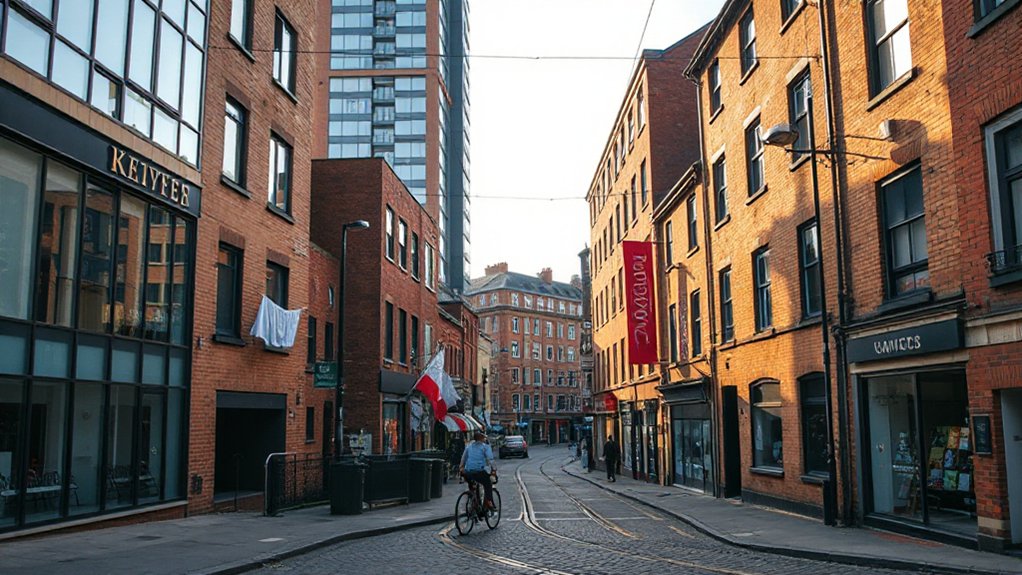
Belfast remains a growing rental market because tight supply meets steady demand from graduates and professionals, supported by a tech-driven economy. Rents rise as occupancy stays high, with limited new builds due to planning delays and zoning constraints. Neighborhood charm, transport links, and flexible, well-designed units attract renters seeking value and stability. Amenities, energy efficiency, and modern layouts further lift desirability, while seasonal factors and pricing discipline keep momentum intact. If you keep exploring, you’ll uncover how to navigate this dynamic market.
Belfast Rental Market Today: Key Context and Signals
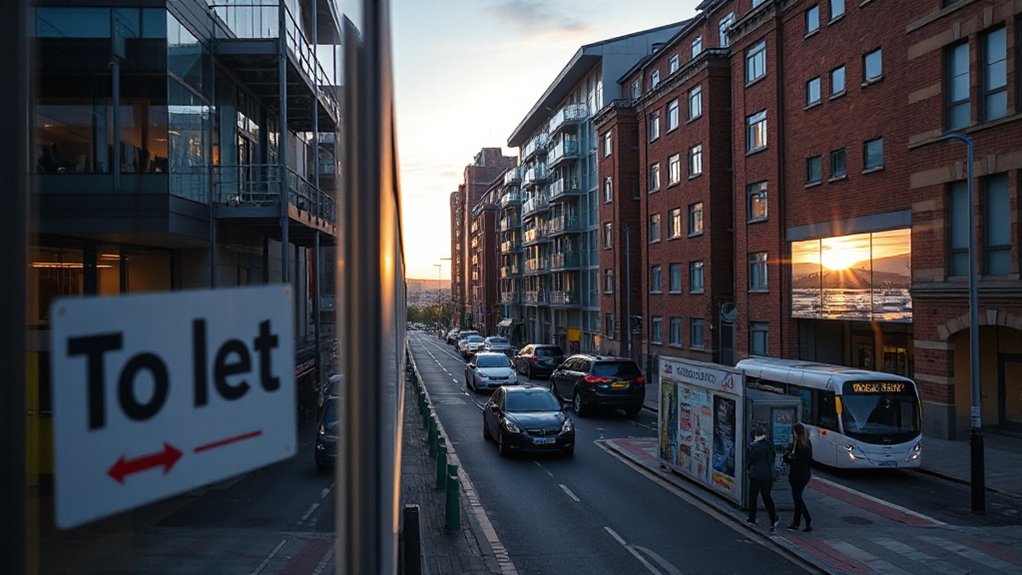
The Belfast rental market is tight but stabilizing, with vacancy rates hovering near historical lows and rents trending upward at a measured pace. You’ll notice that demand remains concentrated in well-connected districts, where historic stock blends with modern amenity expectations.
Historically high occupancy supports steady rent growth, yet price pressure is tempered by diverse supply entering the market and targeted redevelopment. In neighborhoods featuring Historical architecture, landlords leverage location quality and provenance to sustain premium positioning, while renters prioritize energy efficiency and access to transit.
Local festivals continue to catalyze short-term spikes in occupancy, then settle, reinforcing disciplined pricing habits. For you, this signals durable demand, measured competition, and an opportunity to align tenancy decisions with community identity and long-term value.
What Drives Belfast Rents Right Now
You’re seeing rent growth steered by tight market supply and steady population push, with demand rising faster in desirable neighborhoods.
Prices are also shaped by shifting lease terms and evolving employer footprints, which tighten or loosen the competition for quality stock.
In short, ongoing rent increases track visible drivers of Growth and Market Demand Trends, so the next data readout should confirm how tightly supply aligns with demand.
Rent Growth Drivers
Rent growth in Belfast is being propelled by a tight supply of rental stock paired with steady demand from both graduates and professionals, pushing rents higher even as new builds lag. You’ll notice a clear pull from tighter planning and permitting cycles that limit new homes, while sustained graduate intake and inward migration sustain tenancy churn.
Rental regulations shape affordability and landlord expectations, influencing turnover and compliance costs you’ll encounter in practice. Property taxes, alongside maintenance and utilities, compress usable yield if not reflected in rent reviews, nudging landlords toward incremental rent adjustments.
Data point to a steady occupancy rate near peak levels, with vacancy hovering low enough to constrain price relief. For you, market signals reward disciplined pricing, targeted investments, and timely lease renewals.
Market Demand Trends
Market demand in Belfast is being driven by steady graduate intake and steady inward migration, with renters prioritizing areas near transport links, universities, and employment hubs. You’ll notice a tight correlation between high-speed commuting options and rental desirability, pushing rents upward in well-connected districts.
Historical property values provide context for price trajectories, underscoring a durable demand base rather than fleeting spikes. Even as supply tightens, renters seek newer builds and refurbished units that offer efficiency and convenience, reinforcing market momentum.
Yet Rental affordability remains a practical constraint for many, shaping neighborhood choices toward value-rich corridors and emerging campuses. This balance—between rising demand signals and affordability pressures—defines today’s Belfast rental landscape, influencing investment, leasing timelines, and community feel.
Belonging grows where opportunities align with accessible housing.
How Demographics Shape Demand in Belfast
You’ll see how demographics drive rental demand in Belfast, with aging trends and student populations shaping renter profiles and turnover.
Population growth and migration patterns set the pace for occupancy and rent dynamics, while regional shifts influence where demand concentrates.
Demographic Drivers Shaping Demand
Demographic shifts are the primary engine behind Belfast’s rental demand: a growing student population, rising single-person and couple households, and an influx of young professionals shape where and what people are willing to rent.
You’ll notice demand concentrates in mixed-use corridors near universities, transit, and amenities, underscoring the value of location-led pricing and inventory.
Data shows heavier turnover among renters aged 18–34, coupled with sustained interest from mid-career professionals seeking work-life balance.
Developers respond with flexible floor plans, shorter lease options, and curated amenity packages that foster community.
Luxury apartments appeal to aspiration without sacrificing practicality, while pet friendly policies broaden applicant pools and reduce vacancy risk.
In this environment, tailored marketing that highlights belonging becomes as critical as unit quality.
Population Trends And Rents
Population trends are reshaping Belfast’s rental landscape, as shifting age structures, family formation, and migration patterns lift demand in specific segments and corridors. You’ll see how data reflects rising rental activity among young professionals, growing families, and long-term residents relocating within the city.
- Rental regulations influence where you stack supply and set expectations
- Tenant screening standards shape who moves in and how quickly
- Transit-oriented growth concentrates demand near hubs and new developments
- Household formation patterns push up family-sized units and affordable options
- Migration corridors determine price pressure and vacancy cycles across neighborhoods
Informed decisions hinge on these trends, balancing compliance with speed to rent, while buyers and tenants alike seek belonging in a city that pairs rigor with opportunity.
The Student Factor: Rents Near Campuses and Halls
What does proximity to campuses mean for rent dynamics in Belfast? You’ll notice sharper demand near universities and halls, where Campus proximity drives quicker leasing cycles and steadier occupancy.
Data shows higher yields in areas within walking distance to key campuses, even as overall rents trend upward with student intake.
You’ll see year-on-year stability in student housing, aided by purpose-built blocks and flexible leases that align with term times.
Shared facilities, fast internet, and secure bike storage become differentiators, reducing vacancy risk for landlords and improving experiences for tenants.
For students, proximity translates to convenience, social networks, and cost efficiency, while landlords gain predictable revenue streams.
In this niche, proximity translates into profitability and belonging.
Tech Growth and Rental Spillover in Belfast
Tech growth is reshaping Belfast’s rental landscape, with software firms, fintechs, and AI startups fueling demand beyond traditional student hotspots.
- Demand clusters around historic campuses and modern tech hubs, blending innovation with heritage.
- Rental stock shifts to flexible leases supporting project cycles and hybrid work patterns.
- Data shows higher occupancy in areas near historical architecture and cultural festivals, reinforcing value.
- New developments emphasize amenities that foster collaboration and belonging for teams and residents.
- Spillover effects include inward migration from other regions seeking tech opportunities and community vibrancy.
You benefit from a market where growth and culture intertwine, creating predictable, data-driven demand.
Strategic rents align with project calendars, supported by a narrative of belonging, accessibility, and continuous reinvestment in Belfast’s evolving tech ecosystem and its celebrated cultural rhythm.
Where Values Are Rising: Belfast Neighborhoods to Watch

Belfast’s neighborhood value map is shifting as demand concentrates near hybrid-tech hubs, historic cores, and refreshed riverfront districts. You’ll notice values rising most where proximity to innovation meets character, with neighborhoods blending strollable transit, local cafés, and creative employment clusters.
Data shows price momentum clustered around restored historic cores, where walkability and cultural amenities fuel steady rent growth. You gain insight by tracking new mixed-use developments that preserve Architectural charm while upgrading infrastructure.
Historical architecture remains a magnet for both residents and investors, signaling durable value in timeless streetscapes. Cultural festivals punctuate these areas, reinforcing occupancy and short- to mid-term rent resilience.
If you seek belonging, target zones that balance heritage with modern amenities, ensuring you’re near momentum and community.
Belfast Supply Constraints and Rent Implications
Limited new supply is tightening the market, nudging rents higher as vacancy rates compress. You’ll want to watch rent pressure indicators, which signal how quickly prices respond to demand shifts in real time.
Planning delays add another layer of friction, potentially extending time-on-market and elevating risk for new leases.
Limited New Supply
With tight project pipelines and planning delays, new housing supply in Belfast remains scarce even as demand strengthens, pressuring rents upward.
- Limited multiyear construction starts curb stock growth, widening gaps between demand and available homes.
- Historical rental data shows rents rising faster than wages in several districts, signaling affordability stress.
- Planning backlogs extend delivery timelines, dampening investor confidence and delaying fresh supply.
- Conversion of vacant stock to rentals offers only temporary relief, not long-term capacity.
- Rental market forecasts project modest near-term gains with upside risk if approvals accelerate.
You’ll feel the impact in neighborhoods you care about, as vacancy rates tighten and leasing cycles compress. This landscape reinforces belonging through stable, predictable housing pathways, guided by data-driven decisions and shared outcomes.
Rent Pressure Indicators
Rising rent pressure in Belfast isn’t just about price tags—it reflects tighter supply dynamics and slower delivery timelines. You feel rent pressure when vacancy rates stay low despite growing demand, signaling constrained options for movers and a longer path to market equilibrium.
Supply constraints ripple through every negotiation, pushing you toward informed lease negotiation to secure fair terms. Data indicate steadier rent growth in sought-after districts, with days on market compressing and renewal rates rising, suggesting a market where familiarity and timing matter.
Amid this, beware rental scams that exploit urgency; verify listings, owners, and allocations before committing. Ground yourself in transparent comparisons, credible brokers, and documented terms, so you remain part of a trusted community while pursuing secure, stable housing.
Planning Delays Impact
Planning delays can quietly reshape Belfast’s rental landscape, as slower project approvals extend construction timelines and tighten future supply.
- Planning delays push completion dates, narrowing available homes for next season.
- Zoning restrictions complicate site selection and elevate development risk.
- Extended timelines raise carrying costs, influencing rent trajectories and investor confidence.
- Delayed deliveries tighten near-term absorption, heightening competition for new units.
- Market collaboration with councils can facilitate pilot schemes and faster paths forward.
You’ll notice pricing sensitivity as approvals lag, with renters competing for a shrinking pipeline. Data shows that even modest delays correlate with modest rent uplifts, yet sustained holdups threaten long-term affordability and neighborhood vitality.
By engaging stakeholders, you gain more certainty, clearer timelines, and a sense of belonging as steady supply aligns with growing demand. Planning delays, when managed, become a governance signal rather than a hurdle.
Zoning restrictions remain a critical lever shaping Belfast’s rental future.
Rent Yields for Belfast Investors: Benchmarks and Expectations
In Belfast, rent yields for investors are broadly compressing as demand stabilizes and supply tightens, creating a clearer path to targeted returns. You’ll see benchmark ranges tightening across central and peripheral areas, with typical gross yields hovering around mid-to-high single digits depending on asset class and location.
Net yields improve where you optimize management costs and occupancy stability, reinforcing disciplined due diligence. Rental regulations continue to shape entry points; you’ll want clear visibility on licensing, safety standards, and tenancy rules to protect cash flow.
Investment strategies favor diversified portfolios that balance yield with risk, prioritizing asset quality, tenant mix, and long‑term capital expenditure plans. Grounded expectations align with data: steady occupancy, planned depreciation, and efficient operations support steady, repeatable performance.
Affordability Trends in Belfast Tenants’ View

What’re Belfast tenants really paying for, and how is affordability shifting under pressure from incomes and rents? You navigate a market where headline rents rise faster than wages, squeezing discretionary spending and forcing tough choices. You’ll notice pockets of stability where affordable housing options exist, yet demand remains high, shaping tenant satisfaction as a central metric.
Data show gradual scaling of rent-to-income ratios, with some relief in areas offering newer builds or mixed-tenure schemes. You feel the impact in budgeting, renewal decisions, and perceived value, driving conversations about long-term belonging in a city that values community.
- Affordable housing options influence perceived value and loyalty
- Rent growth versus wage growth guides personal planning
- Tenant satisfaction correlates with maintenance and communication
- Market segmentation reveals where affordability wins
- Submarket variation shapes neighborhood belonging and choice
Tenant Rights and Landlord Best Practices in Belfast
You’ll want clarity on Tenant Rights Essentials as you navigate Belfast’s rental landscape, where protections shape demand and price.
Landlord Best Practices drive vacancy risk and tenant satisfaction, anchored by timely repairs, transparent fees, and compliant leases.
This market‑driven lens highlights how strong rights and professional management correlate with lower turnover and more stable rents.
Tenant Rights Essentials
Tenant rights in Belfast are essential to navigate a competitive rental market, where clear legal protections and best-practice landlord conduct directly influence vacancy rates and tenant stability. You’ll find that understanding these rights helps you secure fair terms, prompt repairs, and transparent communication, supporting steady occupancy in a competitive landscape.
In today’s market, informed tenants form communities around high-quality properties like Luxury apartments and eco-conscious options tied to Green initiatives, where standards matter as much as price.
- Know your deposit protections and timelines for repayment
- Expect timely repairs and notice for entry
- Request written, itemized inventories and receipts
- Be aware of fair-housing practices and non-discrimination
- Demand transparent renewal terms and rent-change clarity
Landlord Best Practices
In Belfast’s tight rental market, effective landlord practices are as essential as tenant rights for sustaining occupancy and maximizing returns. You boost occupancy by transparent lease terms, prompt communications, and reliable maintenance—backed by data on repair response times and tenant satisfaction.
Implement clear policies on security deposits, renewals, and rent increases to reduce disputes and build trust. Luxury upgrades, strategically placed, attract desirable tenants and justify premium rates, especially in hot neighborhoods with high demand.
Pet policies, balanced by clear guidelines, expand your applicant pool without compounding risk. Regular market benchmarking helps you adjust pricing and incentives, while energy efficiency upgrades lower operating costs and appeal to eco-conscious renters.
Property Types Renters Actually Want in Belfast
Across Belfast, renters prioritize versatility and value: two-bedroom apartments with flexible layouts, modern kitchens, and reliable commute options top the wish lists. While studios and one-bed units typically demand strong affordability.
You seek properties that balance space, practicality, and a sense of belonging, often gravitating toward options that hint at historical architecture without sacrificing modern comfort. In market data, luxury apartments nearby signal quality finishes and dependable management, boosting long-term satisfaction and resale appeal.
- Flexible floor plans for work-from-home setups
- Modern, well-equipped kitchens with energy efficiency
- Strong transit access and pedestrian-friendly neighborhoods
- Buildings with preserved historic features and tasteful updates
- Consistent maintenance response and transparent pricing
These cues guide you toward durable value and community-centered living.
The Role of Amenities in Belfast Rental Demand
Amenities shape Belfast rental demand by directly affecting value, usability, and daily satisfaction. You’ll notice amenity-rich buildings command higher rents and faster turnover, since tenants seek efficiency, comfort, and shared purpose.
Data shows parking, high-speed connectivity, and robust security correlate with longer tenancies, while on-site gyms or lounges reduce churn by enhancing belonging.
Luxury amenities signal prestige and can provide access to premium segments, yet practical features often outperform novelty in steady demand.
Community features—like pet-friendly spaces, well-maintained communal areas, and responsive management—foster trust and retention, translating into higher lifetime value for landlords.
In a competitive market, purposeful amenity planning aligns with renter priorities, balancing cost with perceived worth, and supporting Belfast’s appeal to individuals seeking connected, lived-in neighborhoods.
Seasonal Patterns in Belfast Rents and Market Timing

Seasonal patterns shape Belfast rents and timing decisions, with demand surges and price cycles tied to school calendars, university terms, and tourism ebbs and flows. You’ll notice peaks when new terms start and housing demand aligns with student moves, while off-peak periods temper competition.
Seasonal fluctuations influence landlord pricing, vacancy risk, and negotiation leverage, so timing matters as much as unit quality. By tracking university calendars, you gain a clearer view of when rents rise, when promotions appear, and how longer lead times affect listing visibility.
Rental seasonality isn’t random—it’s predictable enough to plan. Align your expectations with these rhythms, and you’ll make smarter housing choices that sustain stability and a sense of belonging.
- Key demand shifts align with academic calendars
- Pricing tightens around term starts and graduations
- Off-peak months bring lower competition
- Tourism cycles subtly steer occupancy and rent
- Early listings outperform late-market entries
Practical Tips for Landlords to Sustain Growth in Belfast
To sustain growth in Belfast, landlords should couple demand insights with disciplined operations. You’ll maximize occupancy by aligning pricing with real-time data, seasonal trends, and local migration patterns, not guesses.
Track historical housing data to identify when supply tightens and tailor branding and incentives to target cohorts, such as students or professionals new to the city.
Embrace efficient property management routines—streamlined onboarding, rapid maintenance cycles, and digital rent collection—to boost reviews and referrals.
Leverage cultural influences by offering culturally aware welcome packets, flexible lease terms, and neighborhood partnerships that foster belonging.
Invest in property upgrades with clear ROI signals, prioritizing energy efficiency and durable finishes.
Finally, maintain compliance and transparent communication to build trust, reducing turnover and sustaining growth long-term.
Frequently Asked Questions
How Fast Are Rents Projected to Grow in Belfast Next Year?
Rents are projected to rise modestly next year, about 3-4%, and you’ll feel this through rental affordability pressures. You’ll benefit from thorough tenant screening and clear budgeting as you navigate hotter demand and steadier supply.
Which Neighborhoods Offer Best Long-Term Rental Stability?
You’ll find stable long-term pockets where neighborhood investment compounds; seek areas with solid rent-to-income ratios and infrastructure plans. These neighborhoods offer rental affordability, steady demand, and built-in belonging as you invest for the future.
What Regulatory Changes Could Impact Belfast Rents?
Regulatory changes could tighten landlord regulations and affect cash flow, potentially boosting rent control policies. You’ll see stricter vacancy rules, inspection standards, and disclosure requirements, shaping investment decisions while you seek stability and belonging in Belfast’s rental market.
How Do Visa/Immigration Trends Affect Demand in Belfast?
Like a magnet, visa trends pull demand into Belfast. You see that visa policies and migration patterns shape rental cycles, guiding investment and pricing. You’ll notice data-driven shifts that reinforce belonging as newcomers settle and households expand.
What Credit Requirements Do Belfast Landlords Typically Set?
Typically, Belfast landlords require strong credit scores and thorough tenant screening, often prioritizing scores around 700+, plus clean rental history, stable income, and verification to minimize risk for housing needs you depend on.
Conclusion
In Belfast, rents rise where demand meets opportunity, yet falter where returns stall. You feel the pulse of growth in tech hubs and student corridors, even as affordability murmurs warnings. The market rewards units that align with modern living—flexible spaces, fast connectivity, and well-timed amenities—while quiet neighborhoods steady the baseline. Juxtapose optimism with caution: data shows ascent, but shift happens when supply meets the right price, timing, and quality.