
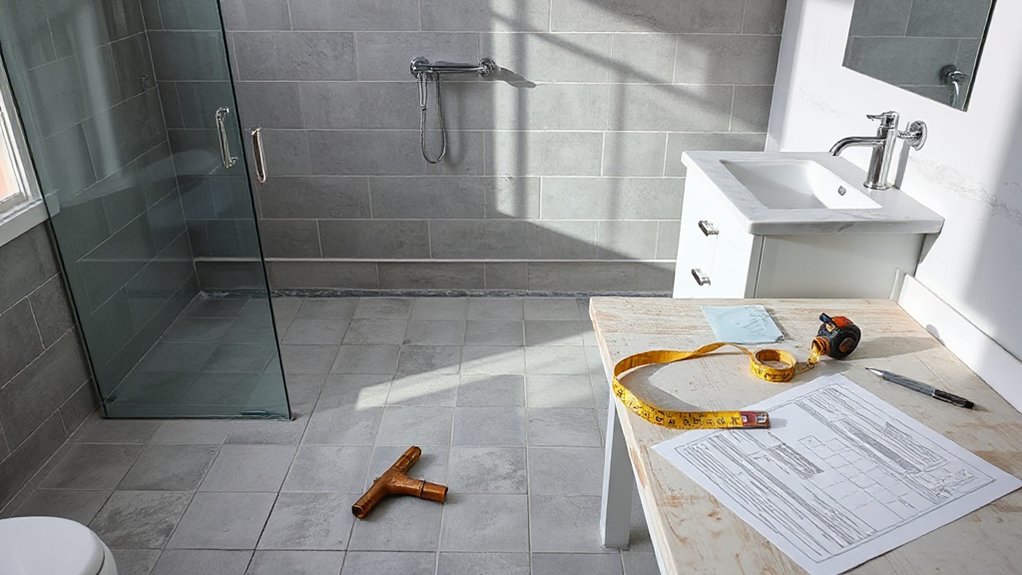
A complete bathroom renovation costs vary by scope: cosmetic updates, mid-range overhauls, or full rebuilds. Start by choosing your target, then map line items for fixtures, plumbing, permits, labor, and contingencies. Expect costs to break down into materials (cabinetry, tile, fixtures), core systems (plumbing, electrical), demolition, and labor. Plan for timelines, lead times, and a 10–20% contingency. Use phased budgeting to protect value and ROI. If you keep going, you’ll uncover practical budgets and concrete examples.
Define Your Bathroom Renovation Scope: Cosmetic, Mid-Range, or Full Overhaul
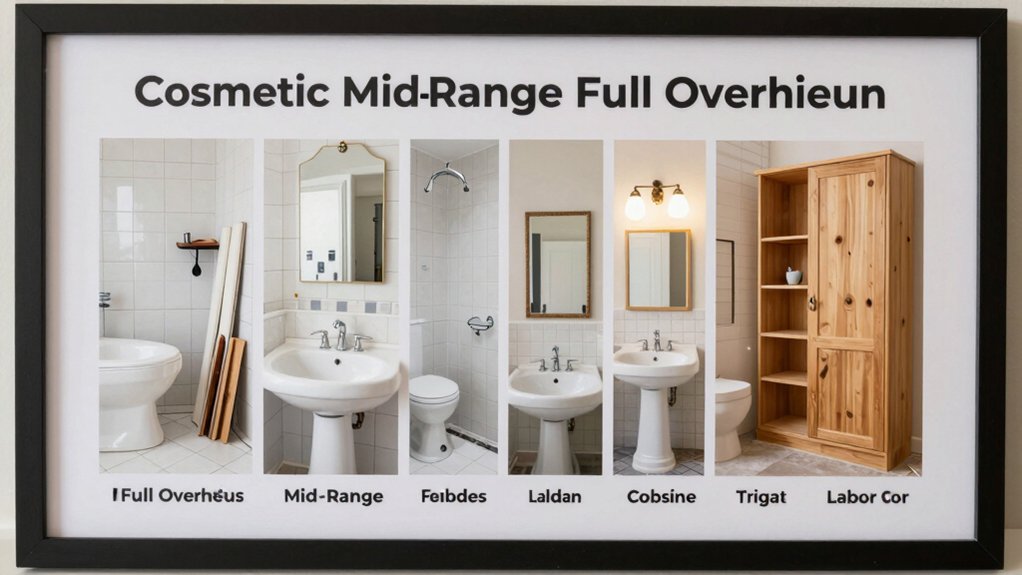
Decide how extensive your bathroom renovation will be: cosmetic updates, a mid-range overhaul, or a full demolition and rebuild. You determine scope by impact, cost, and disruption.
Cosmetic: focus on finishes, fixtures, and lighting while preserving the current footprint.
Mid-range: upgrade core systems, enhance storage, and improve flow with modest layout tweaks.
Full overhaul: reconfigure plumbing and plumbing aesthetics, reroute lines, and replace structural components to support long‑term performance.
Define success criteria: durability, water efficiency, and presentability.
For all scales, plan around essential plumbing upgrades, tile consistency, and fixture compatibility.
Prioritize high‑value choices that deliver lasting returns.
Document decisions, timelines, and risk mitigation.
Your authority grows as you map requirements, establish milestones, and validate selections against intended bathroom aesthetics and functional targets.
Budgeting Framework: Quick Rules for Your Project Size
You’ll use quick project scales to map your budget, starting with a small scope and moving up as needed. Apply simple budgeting rules of thumb—per-square-foot costs, fixture assumptions, and labor estimates—to keep expectations grounded.
This framework helps you size your plan, compare options, and anticipate trade-offs without overcomplicating the early stages.
Quick Project Scale
For quick project scale, you map your bathroom renovation to three size bands and apply simple cost multipliers: small, medium, and large. You define scope upfront, then classify tasks into these bands to forecast effort, duration, and cash flow.
In the small band, expect minimal fixes, limited fixture changes, and basic finishes.
The medium band multiplies activity, incorporating selective tile installation, modest plumbing upgrades, and midrange materials.
The large band consolidates high-impact choices, extensive tile selection, and significant plumbing upgrades, with tighter sequence control and risk mitigation.
Use this framework to align decisions with budget ceilings, not vice versa. Track variances by band, adjust orders, and communicate boundaries clearly.
This approach empowers you to optimize schedule, quality, and cost, without overreaching.
Budgeting Rules Of Thumb
Budgeting Rules Of Thumb: quick, scalable guidelines let you size costs against your project band and stay within budget ceilings. You determine your baseline by project scope, then map line items to bands: essential, mid, premium. You allocate caps per phase, reserving a contingency of 10–15%.
Track unit costs for fixtures, finishes, and labor, adjusting for local rates. Prioritize value engineering: compare luxury upgrades against performance gains, and pursue eco friendly options where feasible to reduce ongoing expenses. Create a decision tree to surface tradeoffs early, avoiding scope creep.
Use a staged procurement plan to lock prices before purchase windows close. Maintain a concise audit trail, reviewing variances monthly to preserve margin. This framework empowers you to steer decisions with data, not impulse.
Demolition, Prep, and Permits: What Goes Into Baseline Costs
Demolition, prep, and permits set the baseline expenses by defining what must be removed, stabilized, and authorized before any new work begins. You map scope precisely: identify walls, fixtures, and finishes slated for removal; establish structural or moisture stabilization steps; secure required permits and inspections.
This phase anchors the project timeline, risk, and budget, so you don’t drift into overages later. Itemize tasks: demolition methods, dust containment, debris disposal, and temporary supports.
Prep includes leveling, waterproofing, and substrate confirmation to prevent failures after install. Permits ensure code compliance, plan review, and scheduled inspections, reducing rework.
Expect early costs for plumbing upgrades and electrical rewiring embedded in future phases, but plan their impact here to avoid surprises. Clear documentation and approvals empower decisive, controlled execution.
Bathroom Materials and Fixtures: Balancing Quality and Price
When you weigh quality against price, you’ll find that higher upfront costs can pay off in durability and lower maintenance over time. Material longevity ties directly to resilience, so choosing reliable fixtures often reduces long-term replacement needs.
This balance—investing in durable components while avoiding excess—defines a cost-effective approach to bathroom renovations.
Quality vs Price
Quality and price should be weighed against each other by prioritizing durability and function over mere upfront cost. Choosing materials with proven longevity can save money in the long run.
You’ll evaluate value by performance, not just price tags, targeting fixtures that resist wear, corrosion, and daily abuse.
Prioritize compatibility with your system, ease of maintenance, and warranty terms to reduce future risk.
Compare cost per year of use, not just upfront spend, and insist on verifiable test data and brand reliability.
Consider luxury fixtures for proven quality, but also identify budget alternatives that meet the same standards of function and durability.
Strike a deliberate balance: premium options where payoff is clear, practical choices where savings are decisive, and avoid impulsive upgrades that don’t improve performance.
Material Longevity Ties
Material longevity directly informs cost decisions for bathroom fixtures and surfaces. You examine each component for expected life, failure rates, and maintenance needs before committing funds.
First, assess material longevity: durable options reduce replacement cycles and labor costs, boosting long‑term value.
Second, compare tile durability across finishes, sizes, and installation methods; larger, quality tiles with proper grout care minimize cracking and water intrusion.
Third, weigh warranties and serviceability—substantial warranties often reflect robust materials and confident manufacturer support.
Fourth, factor hidden costs like resurfacing, sealants, and reglazing when evaluating price spikes.
Fifth, align selections with usage patterns and moisture exposure to avoid premature wear.
Finally, prioritize impactful upgrades (e.g., water resistance, finish durability) that preserve resale value and reduce total ownership cost.
Labor, Timelines, and Scheduling: How Time Affects Price
Labor costs and scheduling are tightly linked: the longer a bathroom renovation drags on, the more you’ll pay in labor hours, subcontractor fees, and potential temporary plumbing or dust-control setups. You’ll see price changes driven by sequencing, crew availability, and permit delays, so you must lock in a tight, actionable plan.
Time management isn’t just a calendar entry—it’s a budget lever; each delay compounds labor hours and overtime. Prioritize critical path tasks, verify material lead times, and coordinate trades to avoid idle downtime. Track milestones, adjust buffers, and demand performance guarantees.
Labor efficiency rises when crews move with purpose, minimize change orders, and reuse existing structures where feasible. A disciplined schedule protects cash flow, alignment with objectives, and the overall project velocity.
Hidden Costs and Contingencies: Planning for the Unexpected
Hidden costs tend to surface when you least expect them, so you’ve got to plan for the unknown alongside your baseline budget. You’ll identify likely flags: permit delays, waterproofing missteps, and material grade changes. Allocate a dedicated contingency fund, commonly 10–20% of project cost, and justify every draw against a documented need.
Track change orders with timestamps, costs, and owner approvals to avoid spiraling overruns. Prioritize risk assessment by phase: demolition, plumbing, tiling, and finishes each carry unique uncertainties. Build in time reserves for inspection holdups and supplier backorders.
Document assumptions so unexpected expenses are isolated from core scope. Effective contingency planning preserves leverage, reduces negotiation friction, and keeps you in control when the project shifts direction.
Realistic Budgets by Size: Sample Scenarios You Can Use
Realistic budgets by project size provide a practical framework you can apply before you break ground. You compare small, medium, and large scopes to set ceilings, then allocate line items that drive value.
For lighting design, anticipate fixture tiers, trim options, and control systems, so you can quantify upfront and avoid mid-project drift.
Medium projects emphasize efficient layouts, durable materials, and systematic sequencing to protect timelines and costs.
Large renovations justify higher-percentage contingencies, professional coordination, and phased commissioning to maximize return on investment.
Plumbing upgrades should be itemized by fixture count, pipe material, and permit fees, with clear deltas for relocation versus reconfiguration.
Use scenario worksheets to stress-test each size, then tighten baselines.
Power comes from disciplined budgeting, precise cost drivers, and apples-to-apples comparisons.
Frequently Asked Questions
How Long Does a Bathroom Renovation Typically Take From Start to Finish?
You’ll typically finish in 2–4 weeks, depending on scope and gutting. You’ll plan around plumbing, electrical, and tiling milestones, track progress, and adjust. DIY tips and design trends help you stay efficient, informed, and powerfully in control.
What Permits Are Usually Required for a Full Bathroom Overhaul?
Audits whisper compliance: you’ll typically need building codes approvals and plumbing permits. You secure permits before work, verify inspections, and satisfy code requirements, avoiding costly rework. You’ll document changes, submit plans, and track approvals for a smooth upgrade.
How Should I Prioritize Savings Without Sacrificing Safety?
Prioritize budget planning and safety considerations by allocating funds to essential items first, then upgrades. You’ll save smartly, avoiding risky shortcuts, and maintain compliance. Track costs meticulously, compare options, and choose durable fixtures that minimize future maintenance.
Which Hidden Costs Commonly Surprise Homeowners During Installs?
Hidden costs commonly surprise you are hidden fees and unexpected expenses, arising from permit pulls, demolition debris, and plumbing upgrades. You’ll itemize, analyze, and budget proactively, avoiding shocks by documenting scope changes, contingency funds, and reliable contractor transparency.
Can I Retrofit Instead of Full Demolition to Save Money?
Yes, you can retrofit instead of full demolition. Retrofitting options exist, reducing waste and disruption. Demolition alternatives include modular components, surface-mounted fixtures, and reusing framing; assess load, moisture, and plumbing gaps to maximize savings and efficiency.
Conclusion
You’ve got the framework to price a bathroom renovation, from scope to contingencies. Stay sharp on materials, trades, and permits, and track costs against your plan every step of the way. Don’t skim the permits or hidden fees—they bite later. Let timelines guide decisions, not the other way around. If you’re surprised by a line item, revisit scope or suppliers now. In the end, you’ll finish prepared, with a budget you can actually defend. It’s a tight ship, and you’re steering.