
Choosing a rural UK county comes down to practical, data-informed decisions. Prioritize places with strong healthcare, schools, and safe, affordable housing, plus reliable transport and good digital connectivity. Look for communities with active amenities, local markets, and recognizable historical or cultural charm. Compare council tax, property trends, and wages to gauge long-term value. Visit representative towns and talk with residents to validate impressions. If you want more concrete pathways, you’ll discover a detailed framework as you continue.
Choosing a Rural UK County: Criteria to Compare
When choosing a rural UK county, start by identifying what matters most to you: access to essential services, job opportunities, housing affordability, transport links, and healthcare quality. You’ll compare areas with practical criteria that reflect daily life and belonging: school quality, GP access, broadband speed, commute options, and local governance responsiveness.
Data-informed decisions help you gauge service resilience, budget impact, and future growth. Historical landmarks and local culinary specialties become touchpoints for place attachments, shaping how you feel at home.
Prioritize counties offering reliable NHS access, scalable housing options, and varied transport connections without sacrificing community feel. Use consistent metrics, visit representative towns, and talk to residents to validate your impressions and cultivate confidence in your choice.
Affordability in Countryside Living
You’ll want to weigh cost of living differences across rural counties against what you actually spend, from groceries to utilities.
Property price trends matter for long‑term affordability, not just upfront costs, so track price trajectories alongside mortgage rates and local wages.
Don’t overlook hidden local fees, like council tax, waste services, and strata or maintenance charges, which can tilt the true monthly cost.
Cost of Living Variances
Rural living often costs less for certain expenses but can vary widely by region, so understanding local price drivers is essential. You’ll notice transport costs, utilities, and groceries shape affordability more than you expect, with rural communities showing pockets of savings alongside higher delivery charges.
Electricity and heating bills hinge on housing standards and insulation, while local markets can offset food costs through seasonal choices. Agricultural innovation keeps inputs efficient, and rural entrepreneurship fuels competitive pricing in services, attracting co-ops and direct-to-consumer options.
When you compare counties, look at council tax bands, broadband reliability, and access to healthcare alongside everyday purchases. This data-informed view helps you assess value, foster belonging, and plan a practical, sustainable relocation path.
Property Price Trends
Property prices in the countryside aren’t one-size-fits-all, but the trend lines are clear: counties with stronger transport links, stronger local economies, and better planning policies tend to hold steadier values and offer more affordable options than you might expect.
In this view, you’ll see converging patterns: agricultural development supports household demand without spiking prices, and selective property investment channels keep long-term value resilient.
Across regions, price trajectories reflect planning quality, market accessibility, and rural diversification, not just land size. You benefit from data-informed choices: focus on counties where infrastructure upgrades and viable land use schemes align with steady rental yields and sensible resale buffers.
This is about sustainable living, informed access, and belonging within a resilient countryside community.
Hidden Local Fees
Local councils may levy charges for waste, facilitate services, or permit renewals that aren’t obvious at purchase. Maintenance costs for rural homes—road access, street lighting, drainage—often sit outside typical budgets but affect monthly outgoings just as strongly as mortgage payments.
Consider utility tariffs, broadband surcharges, and parish or community fees that support amenities you value. To protect your budget, ask for transparent breakdowns, compare neighboring areas, and build a contingency for unexpected costs.
With due diligence, you preserve the belonging you seek while staying financially steady.
Rural Transport Links
How strong are a county’s transport links when you need to move goods and people across wide rural spaces? You assess the backbone: road quality, rail service frequency, and seasonal freight viability.
Transportation infrastructure shapes daily life, reducing detours and delays while boosting trust in local markets. In solid rural connectivity zones, you’ll notice reliable freight corridors, timely timetables, and accessible park-and-ride options that cut congestion.
Data-informed patterns show counties with integrated multimodal networks shorten travel times and lower operating costs for farms and small businesses. You’ll value maintained rural roads, arterial routes that bypass bottlenecks, and proactive maintenance funding.
Strong transport links foster belonging, enabling you to plan, invest, and stay connected without friction.
Housing Options for Families and Retirees
Are you choosing a county with housing that suits families and retirees, or risking mismatches between needs and availability? You’ll want options that balance space, affordability, and community. Look for towns with family-friendly layouts, single-floor homes, and reliable transport links to work and leisure.
Retirees benefit from stable property values, accessible amenities, and safe neighborhoods. Agricultural employment and nearby local event venues signal vibrant, practical economies that support daily life.
Prioritize properties with low maintenance costs, energy efficiency, and community ties.
- Grounded neighborhoods with parks and playgrounds
- Affordable, scalable housing for multi-generational living
- Proximity to farmers’ markets and coops
- Low-crime, walkable streets with clear aging-in-place features
- Accessible venues for gatherings and celebrations
Local Services: Healthcare, Schools, and Shops
Access to healthcare hinges on proximity and wait times, so you’ll want to weigh how far you’ll travel for GP and hospital services against local appointment access.
School quality and availability affect daily routines and long-term planning, including transport links and catchment areas.
Local shops and services determine shopping convenience and emergency supplies, so assess daytime hours, delivery options, and essential amenities nearby.
Healthcare Accessibility And Proximity
In rural areas, access to healthcare, schools, and shops shapes daily life far more than distant headlines suggest. You measure a county by healthcare accessibility and the proximity to clinics, not fancy promises.
Real value comes from timely GP visits, urgent care nearby, and reliable emergency access, especially for gezinnen and aging relatives. Data shows travel times under 20 minutes cut missed appointments and stress, while walkable hubs keep community ties strong.
Prioritize clusters where clinics offer extended hours and telehealth options, reducing unnecessary trips. Your choice should reflect consistent service, not sporadic outreach.
- Consistent clinic hours that fit your routine
- Short, predictable travel times to care
- Nearby emergency access and ambulatory services
- Reliable telehealth alongside in-person visits
- Connected, supportive care networks that foster belonging
School Quality And Availability
Quality education nearby is non-negotiable for rural families who value stability and opportunity. You’ll assess school quality by examining Ofsted ratings, pupil-teacher ratios, and progression metrics across nearby villages.
In practice, you’ll find counties with sustained improvements in GCSE outcomes and strong multi‑academy trust networks that support continuity for mobile families.
Access to primary and secondary provision matters as much as distance; you’ll prefer catchment clarity, predictable transport, and after‑school options that fit agricultural calendars.
Data-informed choices highlight schools partnering with agricultural practices and local traditions, enabling contextual learning and community engagement.
You’ll want stable staffing, continuing professional development, and local outreach that respects small‑town rhythms, ensuring your children feel known and supported within a familiar, values‑driven environment.
Local Shops And Services
- Local artisan markets anchor craft, food, and connection
- Flexible healthcare hubs with resident input
- School catchments that balance travel and quality
- Countryside dining as community glue
- Transparent pricing and accessible transport links
Community and Culture in Standout Counties
Across standout counties, communities fuse strong local identity with practical collaboration, keeping traditions alive while embracing modern amenities that support daily life and long-term relocation goals.
You’ll find rich local traditions woven into everyday life, from village fairs to seasonal markets, creating a sense of rooted belonging.
Community events anchor social ties, offering volunteer opportunities, local leadership visibility, and informal mentoring networks for newcomers.
In standout counties, governance and volunteer groups track outcomes, ensuring cultural importance aligns with housing, schools, and healthcare access.
You’ll notice a shared commitment to inclusivity, where newcomers aren’t peripheral but welcomed into decision-making circles.
This approach sustains heritage while inviting fresh ideas, enabling you to participate, connect, and settle with confidence.
Broadband and Digital Access for Remote Workers
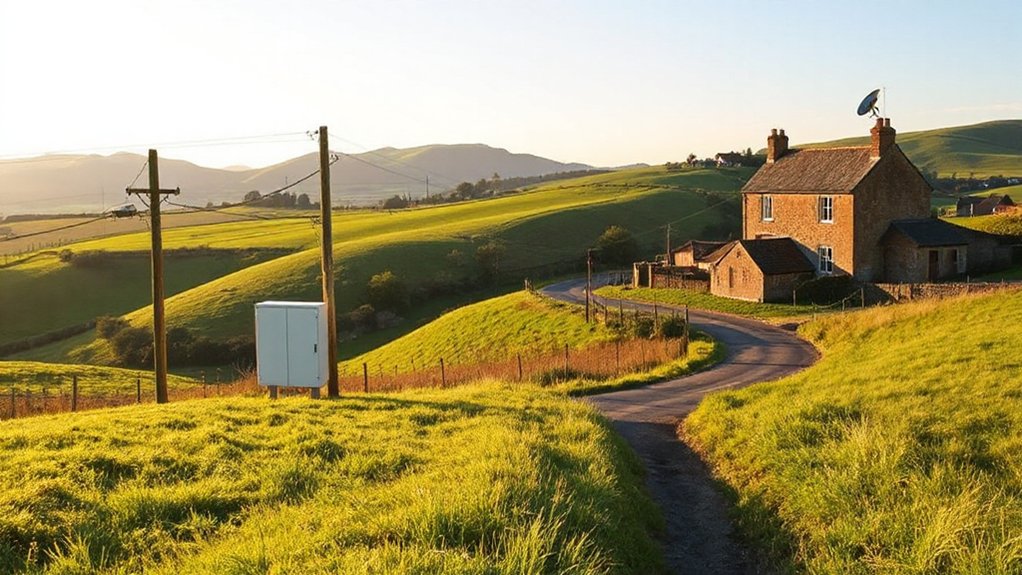
You’ll want reliable broadband and clear timelines for upgrades when considering remote-work viability, especially in regions with mixed rural coverage.
The discussion should weigh current broadband reliability in rural areas against planned digital infrastructure upgrades and their expected impact on daily work.
Use concrete data on speeds, uptime, and project schedules to guide decisions and compare counties.
Broadband Reliability in Rural Areas
Reliable broadband is essential for rural workers, yet reliability remains a common challenge across many counties. You’ll find that wireless connectivity varies by location, and sustained internet speed remains the deciding factor for daily routines, client calls, and remote tasks.
- Consistent service beats flashy promises
- Local providers, transparent outage alerts
- Real-world speeds align with needs
- Simple fixes reduce downtime quickly
- Community networks boost resilience
Across counties, you can expect practical strategies: choose plans with fixed IP options, invest in mesh where appropriate, and verify rural coverage maps before moving. Data-informed decisions matter for belonging, not guesswork.
Prioritize carriers with rural anchors, and schedule maintenance windows to minimize disruption. When you’re informed and prepared, reliability becomes your baseline, not a hurdle.
You’ll enjoy smoother collaboration, steady access to tools, and the confidence to build a thriving remote lifestyle.
Digital Infrastructure Upgrades
Prioritize areas with recent fibre rollout, 5G small cells, and demand-driven upgrades aligned to population clusters and business needs. Embrace networks that offer symmetric speeds, service-level guarantees, and clear restoration timelines after outages.
Upgrades facilitate practical uses in Smart farming and Digital tourism, extending viability for local entrepreneurs and visitors alike. You’ll notice shorter onboarding times for digital tools, easier remote monitoring, and better data security.
Climate, Scenery, and Lifestyle Trade-Offs
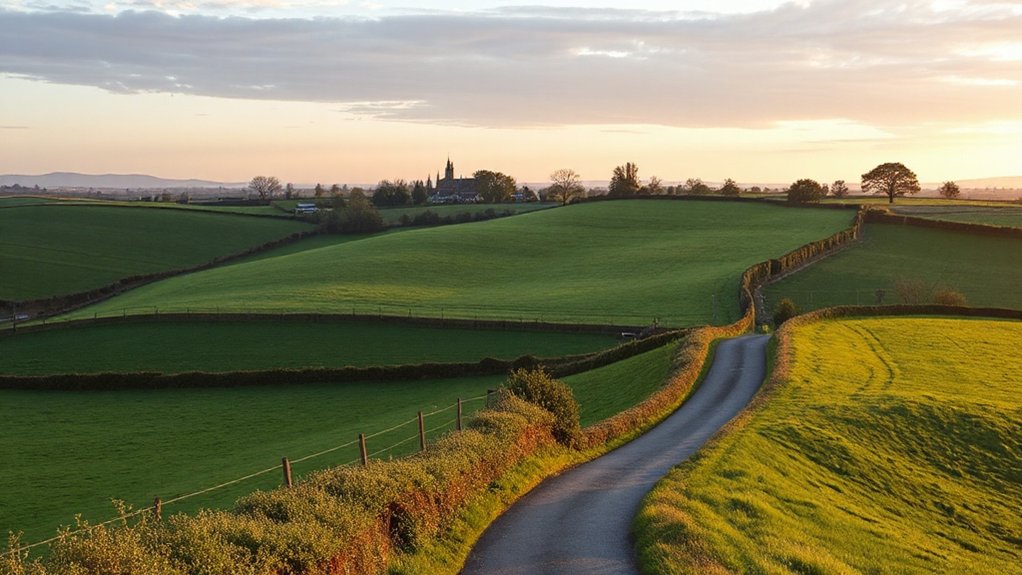
Moving to rural UK counties involves weighing climate, scenery, and lifestyle trade-offs, because weather patterns, landscape variety, and daily routines shape long-term satisfaction as much as distance to urban centers.
- You’ll notice climate patterns that push you toward predictable routines or seasonal adventures.
- You’ll relish scenery diversity that sparks daily awe and weekend exploration.
- You’ll trade urban convenience for quieter communities and authentic connections.
- You’ll balance growing seasons with chilly mornings and warmer evenings.
- You’ll align hobbies, work, and social life with local rhythms and events.
This lens guides practical choices, ensuring you feel you belong. Data shows milder, varied climates pair with diverse landscapes to support resilient, low-stress living, while proximity to towns quietly enhances access to services.
Counties Best for Families: Schooling and Safety
If you’re evaluating rural counties for family life, schooling and safety top the list of priorities because strong schools and low crime underpin long-term stability. In practice, look for primary and secondary performance data, and verify sustained OFSTED/Estyn ratings alongside pupil outcomes.
Counties with balanced demographics often show smaller class sizes, robust SEND support, and active school boards that welcome parent involvement.
Safety is also about community design: accessible police presence, well-lit routes, and neighborhood associations that reinforce trust.
Farm life and local traditions can reinforce stable routines for kids, strengthening sense of belonging without sacrificing modern standards.
Prioritize areas where local councils publish transparent crime and school appraisal metrics, ensuring your family grows through consistent, data-informed choices.
Counties Best for Retirees: Healthcare and Leisure
When evaluating counties for retirees, healthcare access and leisure options top the list because solid medical services and engaging activities underpin quality of life. You’ll find urban-adjacent care in some counties and dedicated rural clinics elsewhere, both supported by aging-friendly transport links and proactive GP networks.
Leisure thrives where farmers’ markets, nature trails, and cultural centers blend with accessible social clubs. Consider counties that balance robust NHS access with community-led events that celebrate heritage, craft, and a slower pace.
- Strong GP networks paired with proactive home-care options
- Local festivals and farmer’s markets fostering daily belonging
- Accessible leisure hubs: museums, gardens, and gentle sport
- Clear transport routes for routine appointments and outings
- Active aging programs rooted in farming traditions for continuity
Practical Relocation Checklist by County Type
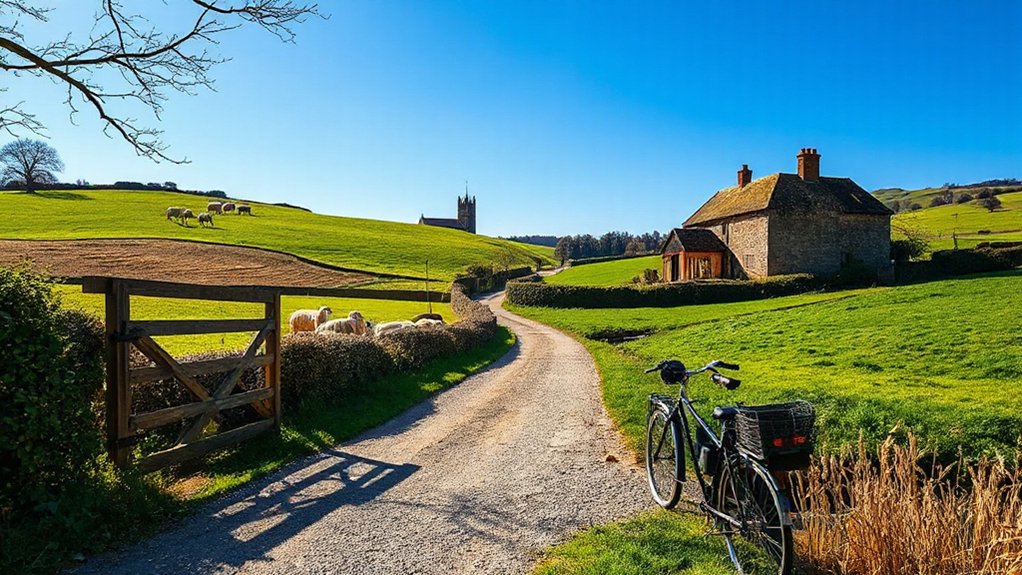
To choose the right county type for relocation, start with a focused, data-informed checklist that matches your priorities: healthcare access, cost of living, housing options, transport links, and community activities.
You’ll map each county type against these pillars, noting gaps and strengths with clear metrics.
For healthcare, compare GP-to-patient ratios, wait times, and proximity to hospitals.
Assess cost of living by housing price trends and council tax ranges.
Review housing options—availability, density, new-build versus period homes.
Inspect transport links—rail or bus connectivity, road congestion, and commute times.
Gauge community activities, clubs, and volunteer groups to foster belonging.
Don’t overlook local cuisine and outdoor activities as daily quality indicators, shaping enjoyable, sustainable rural life.
How to Choose Your Rural County Match
Choosing your rural county match starts with a clear, criteria-driven map of what matters most to you—health access, housing, cost of living, transport, and community life—and then testing how each county type stacks up against those pillars.
- Agricultural traditions that align with your lifestyle and work interests
- Local festivals that boost belonging and social connection
- Transparent data on health services, schools, and care options
- Housing opportunities, affordability, and planning timelines
- Transport links, commute realities, and village connectivity
Use these signals to compare counties, noting whether each aligns with your values, budget, and timeline. Trust data—then trust your sense of place.
Your ideal match supports enduring routines, shared purpose, and a durable sense of home.
Frequently Asked Questions
How Do Crime Rates Vary by Rural County Compared to National Averages?
You’ll find rural crime rates vary by county, but generally remain below national averages. Embrace Rural crime prevention and Community safety initiatives to stay informed, engaged, and secure; these data-informed measures foster belonging and practical, actionable protection.
What Are Typical Broadband Speed Ranges in Remote Areas?
Imagine this: you’re a lighthouse, Rural broadband guiding you home as internet connectivity steadies. Typical remote speeds range widely—often 10–30 Mbps, with occasional faster fiber; plan for 5–50 Mbps depending on location and provider.
Which Counties Offer the Best Night-Time Rural Stargazing?
You’ll find the best night-time rural stargazing in counties with dark skies and low light pollution, like Dorset, Cornwall, and Northumberland, where celestial events are clearer, more frequent, and invite you to belong under expansive dark skies.
How Do Local Council Tax Rates Differ Across Counties?
Property tax variations exist across counties, with council tax bands differing by valuation and local decisions. You’ll notice higher bands in some areas, while exceptions apply; compare band D-equivalents regionally to gauge your affordability and strengthen belonging.
What Are Common Seasonal Employment Opportunities in the Countryside?
You’ll find seasonal employment in the countryside through farmers’ markets and seasonal festivals, offering steady cash flow, flexible hours, and community ties, with data showing peak activity during harvests and tourist seasons to help you belong.
Conclusion
You weigh the dream against the drought—affordability against isolation, pace against access. Rural living offers quiet beauty and tight-knit communities, but it can mean longer journeys to work, schools, and care. Compare transport links with healthcare hubs; value school quality beside housing costs; hold safety beside leisure time. Use data, not myths, to guide your choice. When you balance needs with realities, the county that fits your life becomes less distant and finally within reach.