
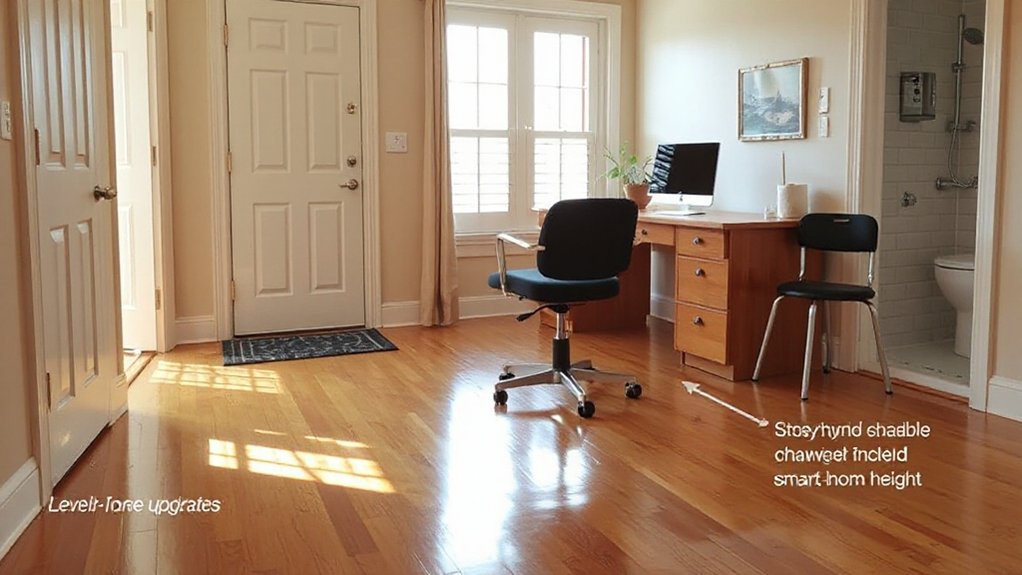
Best home upgrades for aging in place focus on safety, mobility, and independence. Start with ground-level entry, low-threshold doors, and slip-resistant, durable flooring that’s easy to clean and sounds-dampening. In bathrooms and kitchens, add grab bars, lever faucets, handheld showers, accessible storage, and universal design features with rounded edges. Improve lighting with warm, layered, motion-activated cues, and consider smart controls for thermostats and lighting. Flexible storage and durable, reconfigurable systems build confidence—and you’ll see how these upgrades adapt as needs evolve.
Assess Your Aging-In-Place Priorities (A Quick Home Survey)
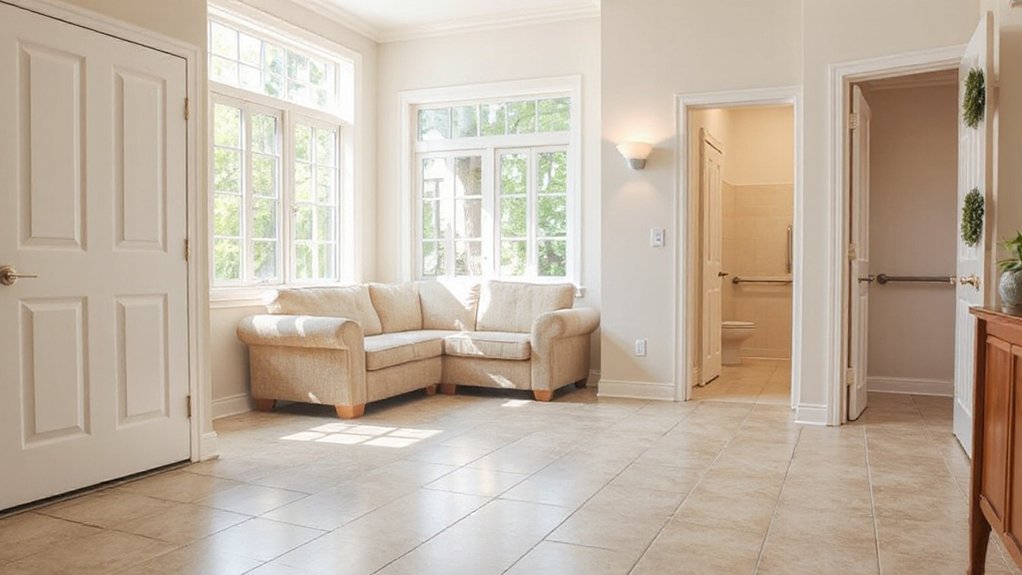
To assess your aging-in-place priorities quickly, start with a simple home survey that targets daily living tasks, safety, and long-term comfort. You’ll map what you already do confidently and where you hesitate, so you can prioritize improvements that matter most.
Focus on routine activities, like bathing, cooking, and mobility around the home, then check safety habits—lighting, clutter, trip hazards, and reachable storage. Consider long-term comfort: ease of maintenance, predictable routines, and consistent comfort levels.
Record gaps, then rank fixes by impact and effort. This practical approach supports aging friendly design while reinforcing your belonging in a safe, supportive environment. Use evidence-based notes to guide decisions, ensuring choices enhance home safety and daily independence without excess costs or complexity.
Fix Entryways: Ground-Level Access for Easy, Safe Come-and-Go
You’ve assessed daily tasks and safety needs; now you can guarantee every entry is as simple and secure as possible. Ground-level access matters for aging in place, reducing trips and winter hazards. Start with clear, non-slip surfaces and well-lit approaches that welcome you home without effort.
Strengthen entryway security with sturdy doors, reliable latches, and a visible address for emergency responders. Prioritize outdoor accessibility by trimming thresholds and adding a small, level landing or ramp where needed. Consider weather seals to minimize drafts and moisture intrusion.
Plan for easy maintenance and modular upgrades so upgrades stay reliable over time. By focusing on practical, evidence-based improvements, you reinforce belonging, ensuring every member feels confident entering and exiting safely.
Make Bathrooms Safer: Key Upgrades for Independence
If you want independence in the bathroom, start with practical, evidence-based upgrades that reduce fall risk and boost daily comfort. Prioritize non-slip mats, stable grab bars, and a shower seat to create predictable, supportive spaces where you move confidently.
Install a handheld showerhead at reachable height, plus a lever faucet for easy use with damp hands. Consider a raised toilet seat and accessible lighting to minimize surprises.
Choose a vanity with clear mirrors and knee clearance for easier navigation. Keep essentials within arm’s reach, reducing reach-and-stretch maneuvers.
These steps support bathroom safety and Independence enhancements, helping you maintain dignity and routine. With careful planning, you build reliable routines and a welcoming environment that reinforces belonging and lasting autonomy.
Create a Kitchen for Mobility and Convenience
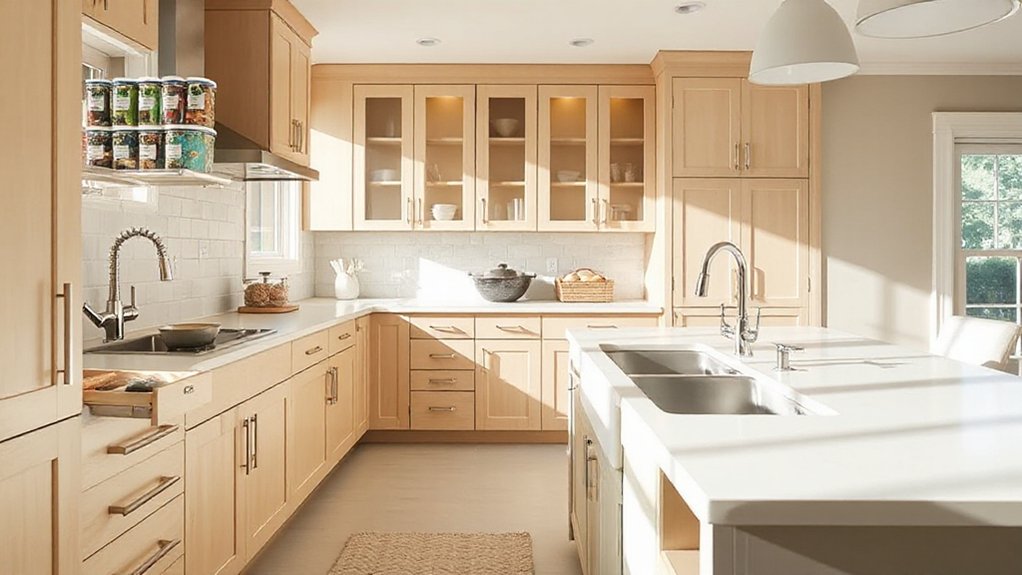
Think about an accessible kitchen layout that keeps you within reach of prep, cooking, and cleanup zones.
Prioritize easy-access storage, like pull-out shelves and anti-tip drawers, so you grab what you need without bending or reaching far.
Use low-threshold work areas and clear pathways to move safely and comfortably throughout the space.
Accessible Layout Planning
Designing an accessible kitchen starts with layout that supports smooth movement and quick access to essentials. You organize work zones to minimize steps: prep, cooking, cleaning, and storage in a logical sequence. Clear pathways and a turning radius help you maneuver with a walker or wheelchair without crowding others.
Counter heights adapt to your reach, with pull-out shelves and side-by-side appliances enhancing accessibility. Guarantee universal design features blend invisibly into style, so everyone feels at home here.
Use ergonomic principles to reduce strain—rounded corners, reachable controls, and ample lighting at work surfaces. Choose a compact, open layout that preserves social interaction in the cooking area.
This approach strengthens independence while inviting participation, fostering belonging through practical, evidence-based choices.
Easy-Access Storage Solutions
Building on a kitchen that supports smooth movement, focus on storage that you can reach without stretching or bending. Easy-access storage keeps essentials within arm’s reach, so you can cook confidently without unnecessary reaching.
Choose pull-out shelves, swing-out pantry doors, and labeled bins that stay stable on smooth tracks. Hidden compartments offer discreet spots for small items, reducing clutter while preserving a clean countertop.
Vertical stacking maximizes narrow cabinet faces, letting you store plates, bowls, and measuring cups in leverage-friendly rows. Use uniform heights and color-coded bins to quick-find what you need, cutting search time and trips.
Prioritize adjustable organizers so families of varying heights can enjoy the same flow, reinforcing belonging through predictable, reliable accessibility.
Low-Threshold Work Areas
Position counters at comfortable heights, and choose pull-out shelves that reduce bending and reaching. A center island with knee space invites you to sit briefly or stand with steady support, while ergonomic seating can sustain long tasks without fatigue.
Facilitate seamless floor transitions between zones, and keep edges rounded to minimize hazards. Lighting should be bright and shadow-free around work zones.
With practical layouts, you gain reliable efficiency, less strain, and a sense of belonging as you cook, clean, and move confidently.
Improve Lighting: Bright, Safe, and Visual Cues Throughout
Good lighting makes every room safer and easier to navigate, especially for aging in place. You’ll benefit from a plan that emphasizes both brightness and contrast, guiding your steps without glare.
Focus on lighting design that layers ambient, task, and night lighting to reduce shadows and missteps. Use warm, consistent color temperature to keep spaces calm, yet functional.
Implement motion-activated stair and hallway lights for quick visibility, and guarantee switches are easy to reach and labeled clearly.
Place brighter task lights where you read or prepare meals, with dimmable options to facilitate transitions at night.
Regularly inspect bulbs and calibration, replacing flickers promptly.
Smart-Home Tweaks That Boost Independence
Smart-home tweaks can considerably boost independence by simplifying daily routines and reducing the risk of falls, forgetfulness, or missed cues. You’ll gain steady, reliable support without constant reminders from others.
Smart thermostats let you schedule comfort levels and adjust remotely, helping you stay warm or cool on cue while saving energy.
Automated lighting provides immediate visibility at key moments, guiding you through hallways and stairs with minimal effort.
These tools act as subtle anchors, improving confidence and reducing anxiety about errands, bedtime, or morning routines.
Start small: install a programmable thermostat and a few motion-activated lights in high-traffic areas.
With consistent use, you’ll feel more autonomous, connected, and secure in your daily environment.
Choose Durable, Low-Threshold Flooring for Better Mobility
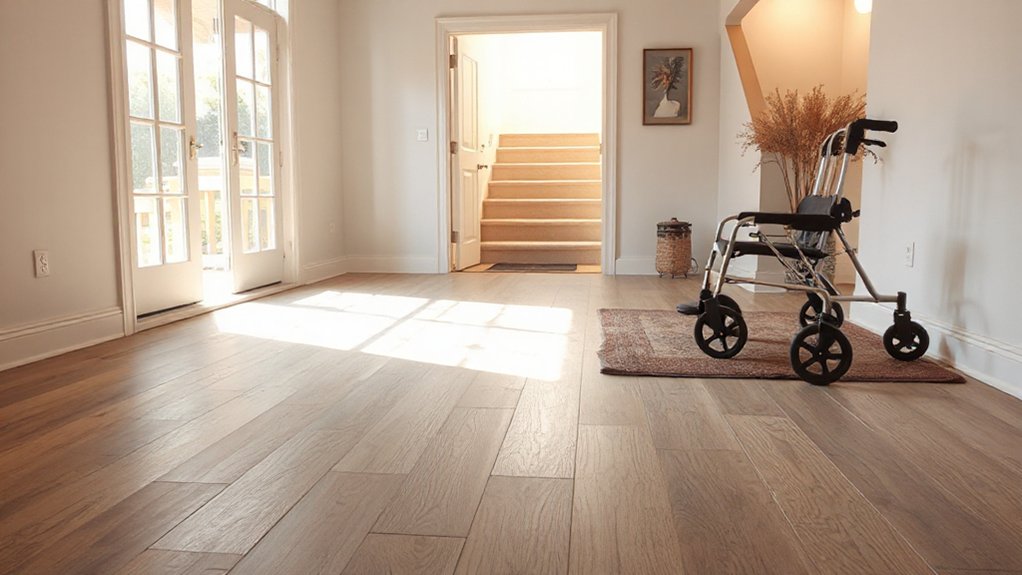
After boosting independence with smart-home tweaks, you’re ready to address mobility directly. Choosing durable, low-threshold flooring matters because it reduces tripping risk and simplifies daily moves.
Look for materials with solid wear ratings and proven slip resistance, even when wet. Durable flooring options include engineered wood, luxury vinyl planks, and porcelain tile with beveled edges, but prioritize consistency in color and texture to prevent missteps.
When comparing products, verify a low threshold at transitions and doorways, ideally under half an inch, to minimize elevation changes.
Consider underlayment that dampens sound and adds slight cushioning without compromising rigidity. Installation should be professional or well-scoped for a seamless surface.
With durable flooring and reliable low threshold options, you’ll move confidently through your space.
Flexible Storage Solutions for Changing Needs
Flexible storage adapts as needs change, so you can reconfigure cabinets, shelves, and zones without a full remodel.
Start with adjustable shelf systems and flexible cabinet configurations to keep essentials accessible and organized.
Use clear labeling and multipurpose zones to simplify daily tasks and support aging in place.
Flexible Cabinet Configurations
Think custom cabinet configurations that anchor frequent items at reachable heights, with pull-out drawers and easy-glide rails to minimize strain. Modular storage options let you reallocate space as routines evolve, whether you’re managing small kitchen tasks or caregiving supplies.
Prioritize drawers over shelves for clutter containment, and include adjustable dividers to keep utensils, medications, and tools organized. Favor rounded edges and soft-close mechanisms to reduce accidental bumps.
Choose units that align with your floor plan, offering seamless integration with existing counters. These flexible, adaptable choices foster belonging by supporting independent, confident daily living.
Adjustable Shelf Systems
Ever wonder how adjustable shelf systems can adapt as your needs change? You’ll find that these flexible setups provide lasting value, supporting safer, easier access and less clutter. With adjustable heights, shelves accommodate varying item sizes, from prescription jars to heavy books, without crowding.
Customizable storage lets you tailor zones for daily routines, promoting confidence and independence. Durability and simple installation mean you’ll rely on them for years, not just seasons.
- Maximized accessibility with adaptable spacing
- Secure, tool-free adjustments for reliability
- Customizable storage layouts for daily essentials
- Durable materials that resist wear while staying unobtrusive
This approach reinforces belonging, inviting you to personalize spaces while preserving functionality and peace of mind. Adjustable shelf systems empower ongoing, practical organization.
Multi-Purpose Storage Zones
Are you making the most of small spaces by creating multi-purpose storage zones that adapt as needs change? You can design flexible systems that grow with you, not against you. Use modular bins, stackable drawers, and wall-mounted panels to create zones for everyday items, seasonal gear, and future needs.
Prioritize clear labeling, accessible heights, and smooth glides to reduce strain and save time. For evidence-based reliability, choose durable materials and adjustable components that resist wear and reconfiguration.
Leverage vertical space with slim shelves, magnetic strips, and pegboards to keep creative storage visible yet unobtrusive. This approach supports space optimization while fostering belonging—you’ll feel confident and in control, knowing your home adapts to changing routines without clutter.
Budget, Install, and Maintenance: Practical Pitfalls to Avoid
To make aging-in-place upgrades reliable, start with a realistic budget that includes a contingency for unexpected costs and maintenance. Then map out a clear installation plan so you don’t squander time or materials on ad-hoc changes.
You’ll reduce stress by tying budget planning to real needs and deadlines, and you’ll protect reliability with disciplined installation timing.
- Identify essential upgrades and their costs upfront, then build a small reserve for surprises
- Phase work to align with contractor availability and seasonal constraints
- Track progress and adjust plans to prevent scope creep
- Set clear maintenance checks to sustain safety and function
This approach keeps you grounded, connected, and capable of responsive, evidence-based decisions.
Frequently Asked Questions
How Do I Prioritize Upgrades by Budget and Time?
Start by listing upgrades by impact on safety and daily use, then map costs and timelines.
Prioritize high-value items like smart technology and safety features first, choosing solutions with simple installation and broad compatibility.
Budget in phases: essential, recommended, optional.
Timebox each phase to a few weeks, tracking progress and adjusting as needed.
Use evidence-backed options, compare costs, and seek reviews.
You’ll feel a sense of belonging and confidence as you progress toward a safer, smarter home.
What Grants or Subsidies Support Aging-In-Place Upgrades?
Grants and subsidies vary by country and locality, so start online with your city, state, or national aging-well programs. You’ll find options like low-interest loans, tax credits, and vouchers targeted to aging-in-place upgrades.
Look for programs that cover Smart technology and Safety equipment, and gather documentation early. You’re not alone—apply broadly, track eligibility, and tailor choices to evidence of home safety improvements that support independence and practical reliability for daily living.
Can I Retrofit a Home Without Structural Changes?
Yes, you can retrofit a home without major structural changes. You’ll focus on noninvasive upgrades: smart technology that’s wireless and reusable, and safety features like grab bars, curb-free showers, and better lighting.
You implement temporary rails and removable ramps if needed. Prudent choices avoid altering load paths, so you preserve structure.
The result feels welcoming and practical, reinforcing belonging while you gain reliability, comfort, and peace of mind through evidence-based, user-friendly adaptations.
Which Contractors Specialize in Aging-In-Place Renovations?
You’ll want contractors who specialize in aging-in-place renovations, focusing on universal design and safety enhancements from the start. Seek teams with proven project portfolios, accessible-design certifications, and collaborative processes that include you and nearby specialists.
Ask for detailed timelines, budget buffers, and post-install support. Look for evidence-based approaches, like zero-threshold entries and lever-grade hardware.
You’ll feel a sense of belonging when the crew listens, explains choices plainly, and tailors solutions to your home and daily routines.
How Do I Assess Local Building Codes for Modifications?
One in three homeowners experience a permit delay, so start by checking your local building department’s website for permit requirements and code summaries. You should also contact plans examiners early to understand approval steps.
When evaluating modifications, verify accessible entrances and non-slip flooring meet current codes, inspection criteria, and accessibility standards. Document compliance with photos and contractor affidavits.
Stay connected with neighbors and tradespeople to foster practical, trusted guidance and a sense of belonging.
Conclusion
You’ve seen how small, deliberate upgrades can make aging in place safer and more independent. Trust evidence: ground-level access, non-slip, low-threshold flooring, bright lighting, and flexible storage cut fall risk and boost confidence. Do a quick home survey, pick practical fixes, and budget realistically. If you test a few changes and measure the impact on daily tasks, you’ll see a clear pattern: reliability compounds, and independence follows. Start with one priority, then build.