
You’ll want UK towns that are affordable, walkable, and well supplied, with reliable healthcare and strong community ties. Target places with lower entry prices, short, predictable commutes, and good transport links that cut costs and time. Prioritize towns offering social clubs, culture, green spaces, and practical downsizing options like single-floor homes and energy efficiency. Use transparent data, recent quality-of-life scores, and local incentives to shortlist 6–8 towns. Curious how to move from shortlist to plan? You’ll find guidance next.
What Downsizing in the UK Really Means for Your Lifestyle

Downsizing in the UK isn’t just shrinking your living space; it’s about trimming the costs, reducing maintenance, and reclaiming flexibility. You’ll notice lower bills, predictable budgeting, and fewer logistical headaches, all of which support a more intentional lifestyle.
You gain time for community engagement, travel, or hobbies, while preserving your chosen level of comfort. You’ll also see cultural festivals shaping social life, offering ongoing opportunities to connect with neighbors and newcomers alike.
This shift isn’t abandoning belongings; it’s reallocating value toward experiences and belonging. Your everyday rhythm becomes steadier, more purposeful, and better suited to a resilient, interconnected community.
In towns with strong urban renewal, your living space aligns with modern efficiency—smart storage, accessible transport, and safer streets.
How We Evaluate the Best Towns for Downsizers: Criteria You Can Trust
We evaluate downsizer-friendly towns with transparency, so you can see exactly what each choice means.
We compare practical living costs and affordability to guarantee consistent budgeting across options.
We also measure community fit with clear, data-backed metrics that reflect your priorities.
Criteria Transparency
To guarantee you can trust our rankings, we base them on transparent, rigorously defined criteria that are publicly disclosed and consistently applied. You’ll see how each town’s downsizing suitability hinges on measurable factors: size, housing turnover, accessibility, and community resources.
We weight safety, transport links, and healthcare proximity to reflect practical living. We also examine social cohesion, inclusion, and opportunities to connect with others seeking belonging.
We document data sources, update cycles, and scoring methods so you can audit the process. Criteria consider local traditions and historical landmarks as contextual signals of lasting appeal, not decorative fluff.
In short, our framework prioritizes clarity, reproducibility, and meaningful comparisons, ensuring you can make confident, well-informed choices about where you might settle.
Practical Living Costs
We quantify budgets, then translate them into attainable living standards, so you know what to expect. Our approach emphasizes stability, so you can plan with confidence, not guesswork.
We also consider discretionary costs that matter to downsizers: budget gardening options, affordable repair services, and access to low-cost groceries without sacrificing quality.
Local cuisine affordability and variety factor into weekly meal planning, helping you feel rooted and confident in your choice.
Bottom line: clear numbers, trustworthy comparisons, and a pathway to belonging.
Community Fit Metrics
Community fit matters just as much as cost, and we measure it with transparent, data-driven criteria you can trust. You’ll see how communities support belonging through access to services, safety, and social activity, all grounded in verifiable metrics.
We weigh factors like neighborhood cohesion, volunteer availability, and civic engagement, then pair them with practical indicators such as transport reliability and walkability. You’ll also notice how urban agriculture and preservation of historic landmarks shape daily life, offering continuity and local pride.
This isn’t guesswork; it’s a tight, evidence-based framework that helps you choose towns where you feel you belong.
- Social connectedness and timely services
- Civic engagement, safety, and walkable infrastructure
- Cultural continuity via urban agriculture and historic landmarks
Coastal Towns on a Budget With Culture and Community
Coastal towns on a budget prove you can enjoy culture, community, and affordability without sacrificing quality of life. You’ll find attractive property costs alongside strong rental yields, with averages clearly lower than city cores.
Seaside cuisine and seasonal markets anchor daily life, while local councils often cap living costs through targeted grants and tax relief for downsizers.
Population trends show steady inbound migrations for coastal living, driven by walkability, access to healthcare, and short commutes to regional employment hubs.
Cultural continuity remains robust: coastal festivals, gallery nights, and community-led workshops sustain social bonds without price gouging.
Data indicate high satisfaction among residents who engage in voluntary groups, coastal walks, and civic events, reinforcing belonging and steady community retention for budget-conscious downsizers.
Inland Towns That Feel Spacious and Easy to Live In
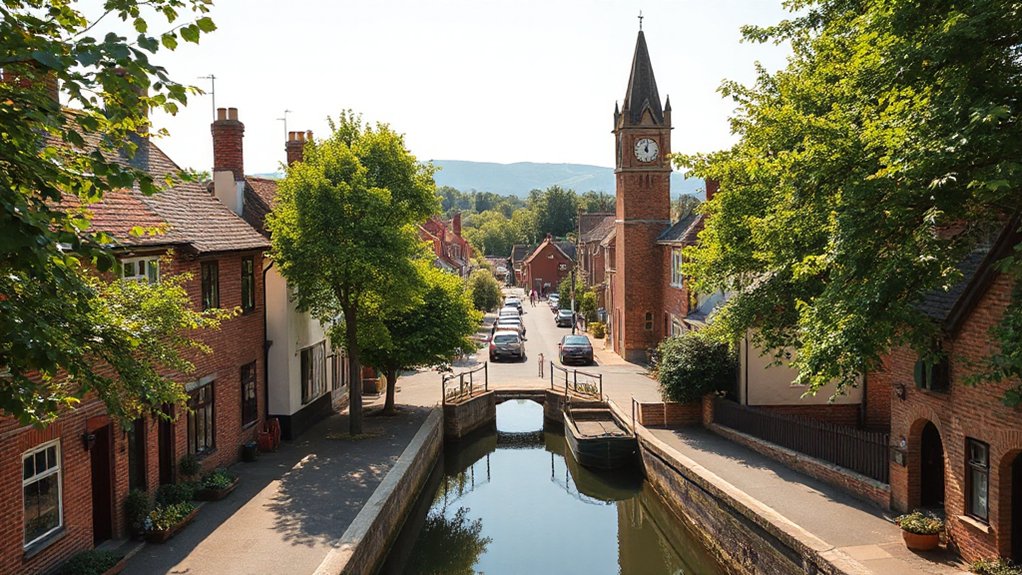
Inland towns can feel surprisingly spacious and easy to live in, thanks to lower density, green corridors, and shorter commutes that cut bottlenecks and stress. You’ll find communities with generous town centers and accessible services, reinforced by urban parks and historic landmarks that lend character without crowding.
Living inland often means quieter streets, predictable wait times, and a pace that supports daily routines, hobbies, and social circles. Data show affordable housing options relative to coastal markets, plus walkable neighborhoods linked by safe paths.
You’ll still access culture, nature, and collaboration opportunities, all within a compact footprint that suits downsizers seeking belonging and independence.
- Urban parks offer respite and recreation within easy reach
- Historic landmarks anchor local identity and pride
- Green corridors connect neighborhoods for safe, short trips
How Transport Links Support a Simpler, Livable Pace
Efficient transport links quietly shape a simpler, livable pace by reducing travel friction and time in motion. You’ll notice how frequent trains, reliable buses, and well-planned cycling routes keep daily routines predictable and less stressful.
When transport connectivity improves, residents spend less on fuel and parking, freeing budget for community activities, local shops, and shared spaces—factors that reinforce belonging.
Data show shorter, more predictable commutes correlate with higher life satisfaction and stronger social ties in downsizing towns.
You’ll value proximity to essential services without long drives, supporting Lifestyle simplification without sacrificing access.
A connected town also attracts diverse neighbours, fostering a supportive, cohesive community.
Prioritize places where transit quality, frequency, and pedestrian-friendly design align with your everyday needs.
Access to Healthcare: Hospitals, GP Networks, and Clinics Nearby
Access to healthcare in downsizing towns hinges on close, reliable access to hospitals, GP networks, and clinics. You’ll value streamlined pathways, transparent wait times, and accessible emergency services, all supported by robust medical facilities.
In practice, towns with bundled healthcare options reduce travel, support continuity of care, and foster peace of mind for aging residents and families alike.
Data shows that local hubs with primary care clusters and nearby specialists improve outcomes, especially for chronic conditions. You gain certainty when booking, quicker referrals, and equitable access across demographics.
Prioritise towns with integrated NHS services, community clinics, and telemedicine links, ensuring your healthcare access remains strong as you downsize and settle.
- Proximity to hospitals and GP networks
- Accessible clinics with extended hours
- Reliable referrals and telemedicine options
Social Life on a Smaller Footprint: Clubs, Activities, and Communities
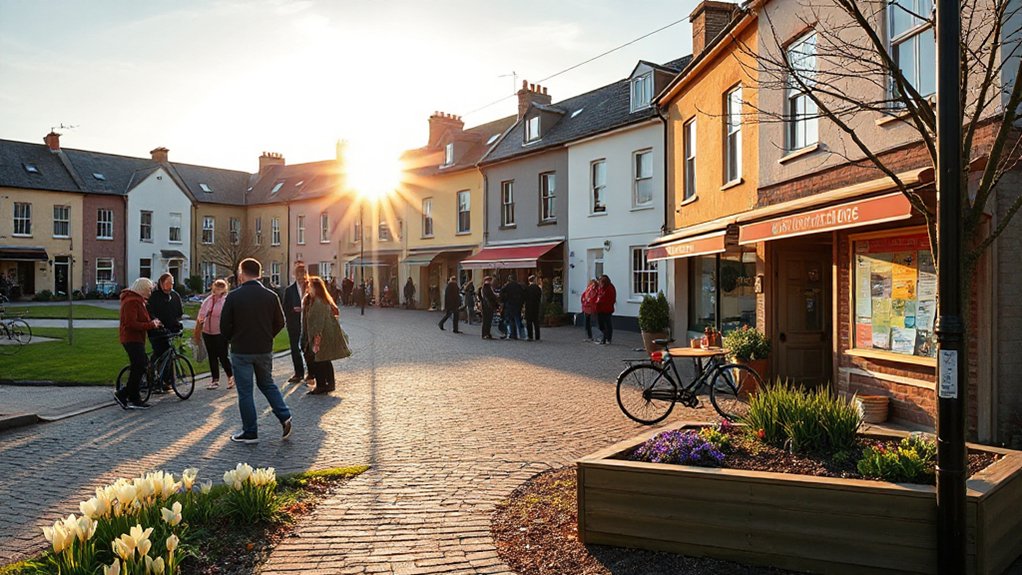
Moving to a smaller town doesn’t mean giving up social life; it means focusing on what truly sustains it—clubs, activities, and communities that fit your pace and interests.
In practical terms, you’ll find higher participation when there are structured options aligned with real needs. Community engagement rises where local groups publish clear schedules, accessible venues, and inclusive leadership.
Social activities cluster around hobby clubs, volunteering, fitness classes, and cultural gatherings, offering predictable routines you can count on. Data shows towns with consolidated calendars reduce friction and boost attendance by streamlining signup and communication.
Choose places with varied offerings, active neighborhood networks, and strong volunteer pipelines. Your belonging strengthens as you connect with peers who share purpose, values, and a commitment to shared spaces.
Housing Options That Fit Downsizing Goals (What to Look For)
When downsizing, prioritize housing that aligns with your daily routines and long-term needs, such as single-floor layouts, energy efficiency, and low-maintenance outdoor spaces. You want options that simplify life while maintaining a sense of belonging. Focus on units with accessible controls, reliable insulation, and community amenities that reduce errands.
Compare layouts for circulation, storage, and future adaptability, ensuring you can age in place without sacrificing community connection. Consider what supports social life, privacy, and safety within a compact footprint. Look for properties that balance autonomy and shared spaces.
Luxury apartments offer services and security; historic cottages provide charm with modernization potential, blending heritage with practicality.
- Updated common areas and on-site services
- Simple, scalable floor plans with storage
- Strong neighborhood ties and activity options
Price Anchors: Typical Property Prices by Town and What You Can Expect
Prices you’ll encounter vary by town, but grounding your downsizing plan in typical property prices helps you gauge what’s feasible and how far your budget can stretch. Across the UK, you can expect wide variation: coastal towns often offer lower entry prices, while cities with strong job markets command higher asks.
Look at median sale prices and recent trends rather than peak figures to set realistic anchors. In historical architecture-rich towns, you’ll find a premium for period features, but steadier appreciation over time.
If local cuisine and community are priorities, prioritize towns with consistent price growth and low vacancy rates. Use these anchors to shortlist options, then compare maintenance costs, energy efficiency, and potential for value growth to inform your final choice.
Schools, Services, and Age-Friendly Infrastructure Across Towns

Access to schools and their catchment areas varies by town, so you’ll want to compare travel times and results by local data.
Age-friendly infrastructure—things like pedestrian networks, accessible services, and healthcare access—shapes daily routines and long-term planning for downsizers.
We’ll examine how these factors differ across towns to identify where practical access aligns with resident needs.
Schools Proximity And Access
Are schools, services, and age-friendly infrastructure well within reach in the best UK towns for downsizing? You’ll find concise, data-driven evidence that proximity matters. School proximity and access to amenities correlate with higher resident satisfaction and stable community ties, especially for downsizers seeking continuity.
In top towns, primary and secondary options cluster within short walking or driving distances, supporting daily routines without long commutes. Amenities like GP practices, supermarkets, and leisure centers are integrated into compact town cores, reducing travel time and enhancing social belonging.
You’ll notice predictable patterns: strong primary feeder networks, good school catchment options, and rapid access to transport links.
- Proximity of schools within walkable distance
- Quick access to daily amenities and services
- Integrated town centers with reliable transit links
Age-Friendly Local Infrastructure
Age-friendly infrastructure across town centers matters for downsizers: it should blend walkable services, reliable transit, and accessible amenities into compact cores. You’ll measure towns by how local amenities sit within easy reach, not miles away, and how transit supports spontaneous trips or essential routines.
Data show higher retention of older residents where schools, clinics, and councils cluster near dense housing, while safe pedestrian routes reduce car dependence. Urban green spaces act as social hubs, offering safe seating, shade, and recreation, reinforcing belonging without inconvenience.
Look for towns with mixed-use zoning, age-friendly housing, and responsive services, delivering timely care and community programs. When these elements align, you gain confidence, connection, and long-term stability in your chosen place.
Perks That Matter Most to Downsizers (Safety, Walkability, Accessibility)
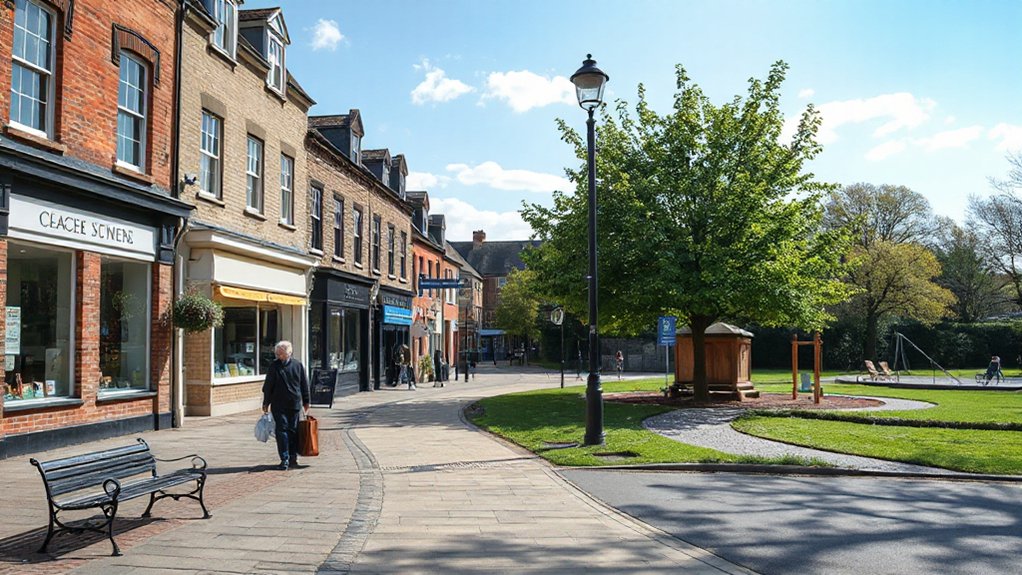
Many downsizers prioritize safety, walkability, and accessibility because these factors directly affect daily convenience and long-term wellbeing. You’ll value neighborhoods that minimize risk and maximize independence, with clear safety metrics and reliable services.
Focus on walkability features that shorten trips, encourage activity, and support social connection. In practice, towns with well-lit sidewalks, curb cuts, and safe crossings boost confidence for everyday errands and visits from family.
- Safety concerns: well-lit streets, community policing, and easy access to healthcare
- Walkability features: dense, mixed-use cores, short blocks, and protected sidewalks
- Accessibility: step-free entrances, elevator access, and adjustable public amenities
Choose places where data backs up lived experience, so you belong with certainty, not compromise.
Real-Life Downsizing Wins: Case Studies From UK Towns
You’ll see real-life downsizing wins across UK towns, underscoring how compact living translates to tangible benefits. Case studies highlight households trimming space while boosting efficiency, affordability, and mobility.
These UK town examples frame a data-driven narrative on compact living successes you can apply to your own downsizing journey.
Real-Life Downsizing Wins
- Targeted property swaps support budget flexibility without sacrificing charm.
- Efficient layouts reduce energy and upkeep while preserving comfort.
- Proximity to cultural hubs strengthens community belonging and enjoyment.
UK Town Case Studies
Across the UK, real-life downsizing wins show how targeted property swaps and compact, efficient layouts reveal budget flexibility without sacrificing charm. In town case studies, you’ll see data-backed results: households reclaim space, lower running costs, and preserve community ties.
Urban agriculture features in several towns, where small plots and shared allotments boost resilience, improve air quality, and create social bonds beyond the front door.
Property tax implications are clear: reform in local valuation supports reinvestment in accessible housing, lowering barriers for downsizers while sustaining town services.
Case studies highlight streamlined renovations, multi-use spaces, and community hubs that reinforce belonging. You’ll notice consistent outcomes—higher satisfaction, stronger neighbor networks, and smarter utilization of limited urban footprint.
Compact Living Successes
- Compact conversions near transit boost value and accessibility.
- Heritage-friendly designs preserve historic landmarks while improving efficiency.
- Community hubs in dense quarters strengthen belonging and shared resources.
Quick-Start Moves: 6 Steps to Shortlist Your Town Matches
To quickly shortlist your town matches, start by defining your non-negotiables—cost of living, commute time, and access to healthcare—then map these against a shortlist of UK towns with recent quality-of-life scores and housing trends.
You’ll compare data from official statistics, local council reports, and independent indices to create a tight filter. Prioritize towns showing stable or rising Urban renewal and where Agricultural development signals opportunity, not risk.
Create a short list of 6–8 contenders, noting each town’s score, median house price, and travel times to key employment hubs.
Then, assess social cohesion indicators—parks, libraries, community networks—to ensure belonging.
Use these insights to pursue targeted, data-backed conversations with local agents and planners. Your shortlist becomes a confident decision-making tool.
What to Test During a Visit: How to Evaluate a Town on the Ground
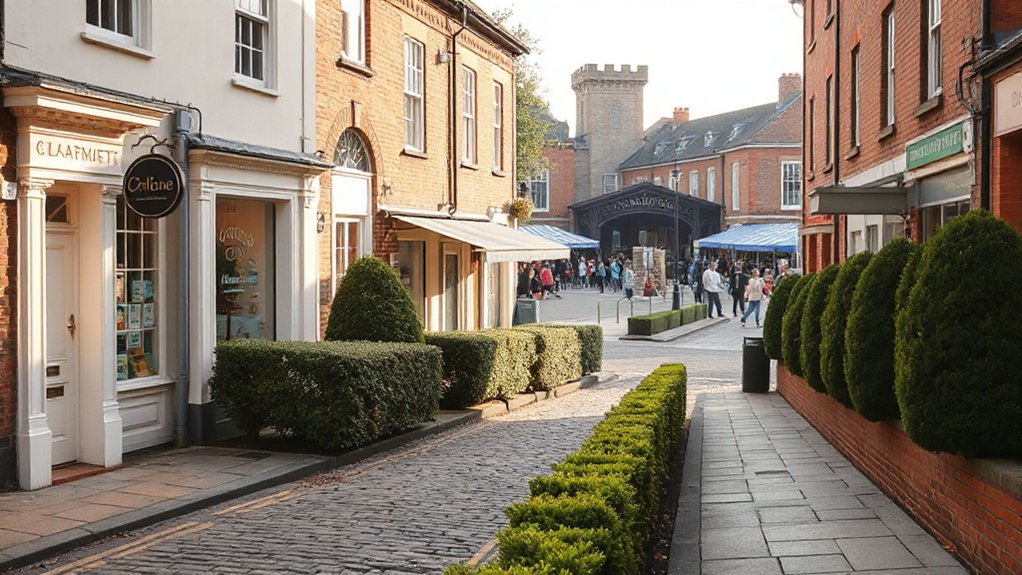
When you’re on the ground, test demands, not vibes: verify by walking key routes at different times, timing commutes from your potential home to work hubs, and noting real-world noise, air quality, and street-level safety.
During visits, document practical signals: transit reliability, grocery access, healthcare proximity, and park space for daily routines. Observe street life, maintenance, signage, and curb appeal as indicators of long-term livability.
Seek local cuisine and cultural festivals as signs of belonging, not novelty. Compare data against a shortlist of towns to see where everyday life aligns with your cadence and values.
- Assess commute variability and public transit reliability
- Check everyday services and safety cues on foot
- Note local cuisine and cultural festivals as belonging signals
Financing and Incentives for Downsizers in the UK
Financing a downsizing move in the UK hinges on understanding the options that maximize value and minimize costs. You’ll weigh equity release, mortgages on smaller homes, and pre-move savings to shape a clear budget.
Government programs and lenders increasingly bundle benefits, creating predictable monthly outlays rather than surprises. Financial incentives vary by region, property value, and eligibility, so you should compare timing, interest rates, and any caps.
Some schemes target specific communities or ages, providing relief on stamp duty or council tax as you shift. Downsizing grants exist in limited forms, often tied to local initiatives or energy-efficiency upgrades.
Document your circumstances now to position yourself for ideal grants or incentives, while preserving liquidity for moving costs and immediate housing needs.
From Shortlist to Move Plan: Next Steps and Checklists
Once you’ve shortlisted options, map concrete steps from shortlist to move plan by establishing a realistic timeline, task owners, and measurable checkpoints to keep momentum and avoid delays. You’ll align priorities with your new community, ensuring decisions are data-driven and timely.
Build a calendar that marks deposit deadlines, removals, and utility transfers, then assign owners—you, your partner, and a trusted agent—to maintain accountability. Use checkpoints to validate housing fit, neighborhood fit, and budget adherence, including historical landmarks and local cuisine as cultural anchors to guide your choice.
- Create a move countdown with key dates and owners
- Tie milestones to budget, inspections, and commitments
- Schedule visits to cultural touchpoints like historical landmarks and local cuisine hotspots
Frequently Asked Questions
How Soon Can I Move After Downsizing in the UK?
You can move as soon as you’ve secured a sale or chain-free purchase, typically 4–8 weeks. Consider property prices and moving logistics; efficient planning minimizes delays, helping you feel settled and belonging sooner.
What Are Hidden Costs of Small-Town Living?
Hidden expenses can creep in, but you’ll stay ahead by budgeting for council tax, utilities, and maintenance. You’ll also value Local amenities, yet watch for commute costs and service fees; belonging grows as you compare prices and options.
Can I Maintain Hobbies in a Smaller Area?
Yes, you can maintain hobbies in a smaller area. You’ll benefit from parallel routines: join clubs, leverage community engagement, and optimize hobby storage; you’ll stay connected, organized, and inspired, turning smaller spaces into vibrant hubs.
How Do Council Tax Rates Vary Town to Town?
Council tax rates vary by town due to local bandings and charges; you’ll see differences even among neighboring areas, reflecting property prices and local amenities. Look up your council’s banding, because affordability depends on both rates and prices.
What to Do if Family Wants to Visit?
If family wants to visit, plan ahead and coordinate dates, travel, and accommodations. Visiting family benefits from clear schedules, flexible options, and local tips. Planning reunions helps you feel connected, supported, and part of a trusted community network.
Conclusion
Downsizing isn’t sacrifice—it’s a smarter balance of space, costs, and pace. By prioritizing trusted criteria, you can compare towns with real data on affordability, transport, and services. Coastal towns offer culture on a budget; inland places deliver breathing room and walkable centers. Use quick checks, then test visits to confirm fit. Start with your 6 shortlist steps, map your move plan, and treat every data point like a compass in a 21st‑century rail timetable—anachronisms welcome, decisions grounded.