
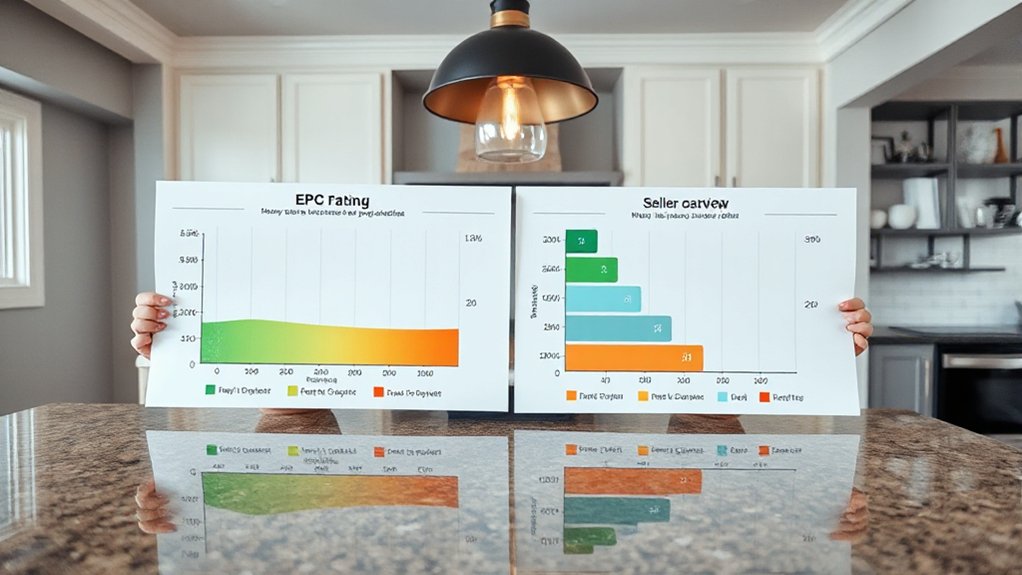
EPC ratings matter to you as a buyer and seller because they reveal ongoing costs, comfort, and long-term reliability, shaping price, speed of sale, and negotiation leverage. A higher grade or lower numeric heat-loss score typically signals lower bills, better comfort, and stronger resale appeal, while disclosures and upgrades can boost confidence and speed up offers. Compare labels to actual bills, verify insulation and appliances, and track improvements with clear metrics. If you keep exploring, you’ll uncover practical actions to maximize value.
Why EPCs Matter for Buyers and Sellers Right Now
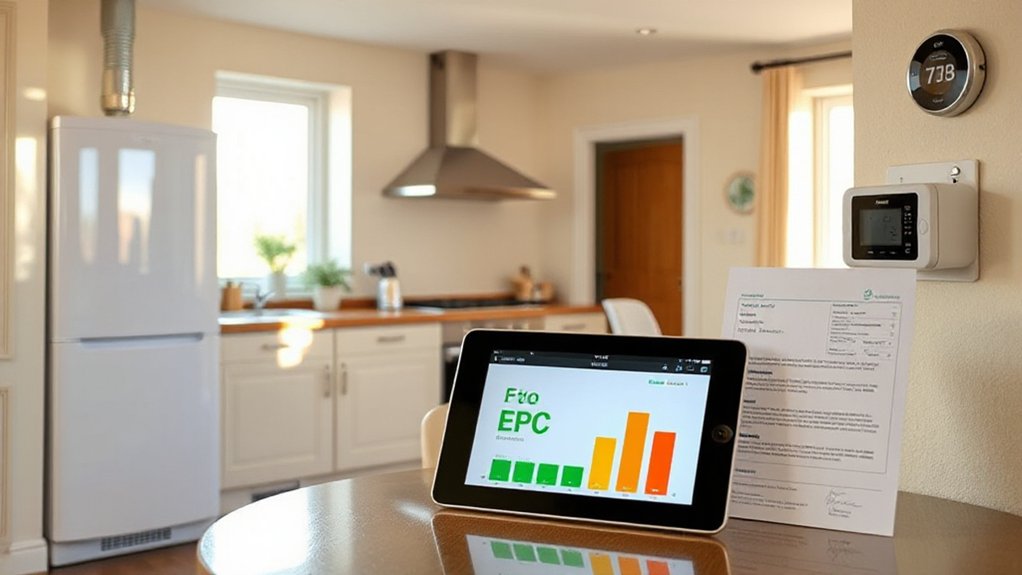
EPCs matter now because they directly influence buyer decisions and seller results. If you’re evaluating a property, you’ll see how energy conservation shapes comfort, costs, and long-term reliability. You want clarity, not mystery, so an EPC becomes a trusted, objective gauge you can compare across options.
For sellers, it’s a signal of market readiness and credibility, signaling responsible stewardship and future savings to potential buyers. You’ll benefit from understanding how certification signals quality and efficiency, reducing negotiation friction and widening appeal in a competitive market.
This isn’t just compliance; it’s practical guidance that aligns with belonging to a forward-thinking community. Property certification matters because it elevates confidence, anchors expectations, and supports smarter decisions about energy use and investment.
How EPCs Affect Price, Sale Speed, and Long-Term Costs
When a home earns a strong EPC, you’ll see a tangible impact on price, sale speed, and ongoing costs. Buyers prize lower operating expenses and faster closings, so high ratings can translate to higher offers and quicker negotiations.
Sellers benefit from reduced days on market, while lenders weigh the long-term reliability of a property with energy resilience in mind. In practical terms, expect incremental price support from energy efficiency features rather than dramatic jumps.
Prioritize durable costs you’ll manage after moving in, such as Energy efficient appliances and insulation upgrades, which tend to stabilize monthly bills and appeal to eco-conscious buyers.
Your strategy should emphasize verifiable savings, clear maintenance paths, and measurable upgrades that reinforce value over time.
Decode the EPC: What the Grades and Numbers Mean
Your EPC grade isn’t just a letter; it’s a quick snapshot of efficiency, costs, and future-proofing. We’ll unpack what the grades mean, how numeric scores translate to performance, and why small differences can affect overall value.
Understanding these elements helps you assess impact on property value and make smarter buyer or seller decisions.
EPC Grade Demystified
So, what do those EPC grades and numbers actually signify for buyers and sellers? You’re looking at a concise signal: how energy efficient a home is and how it affects running costs, comfort, and value. The grades (A to G) reflect performance, while numbers provide nuance on heat loss and efficiency potential. This isn’t mysticism; it’s a practical gauge of property sustainability that informs decisions, negotiation power, and long-term planning.
Use it to compare homes, estimate bills, and prioritize energy improvements.
- A higher grade signals lower energy costs and a more comfortable, healthier living space.
- Mid to low grades highlight upgrade opportunities, payback timelines, and resale impact.
- Your choice should align with long-term belonging, sustainability goals, and budget realities.
Understanding Numeric Scores
Numeric scores on an EPC aren’t just a letter; they quantify heat loss and efficiency potential, translating complex building physics into actionable numbers. You’ll see a scale that combines energy efficiency with seasonable performance, not just a grade.
The numeric component reveals kilowatt-hour targets, baseline improvements, and the practical impact of upgrades. Interpret scores as a roadmap: higher numbers indicate lower energy use and better insulation effectiveness, while lower numbers flag care points.
Understanding these numbers helps you prioritize fixes that deliver real comfort, lower bills, and sustainable living. Energy efficiency hinges on a mix of improved home insulation and system tuning.
Use the scores to benchmark your current setup, track progress, and align decisions with a shared goal of efficient, affordable housing.
Impact On Property Value
Property value can improve with a solid EPC, as buyers and lenders increasingly weigh energy performance alongside price. When you decode the EPC, you see how Energy conservation influences desirability and risk, not just operating costs. Certification standards provide a clear framework, helping buyers feel confident in long-term affordability and comfort.
A strong EPC signals disciplined maintenance and future-proofing, which can support higher perceived value and smoother negotiations.
- You gain leverage in offers as energy-efficient features reduce future bills and appeals to sustainability-minded buyers.
- You reduce financing uncertainty, since lenders weigh long-term savings alongside purchase price.
- You foster market belonging, showing you’re aligned with evolving standards and responsible property stewardship.
Red Flags in EPCs: Costly Upgrades to Flag Early
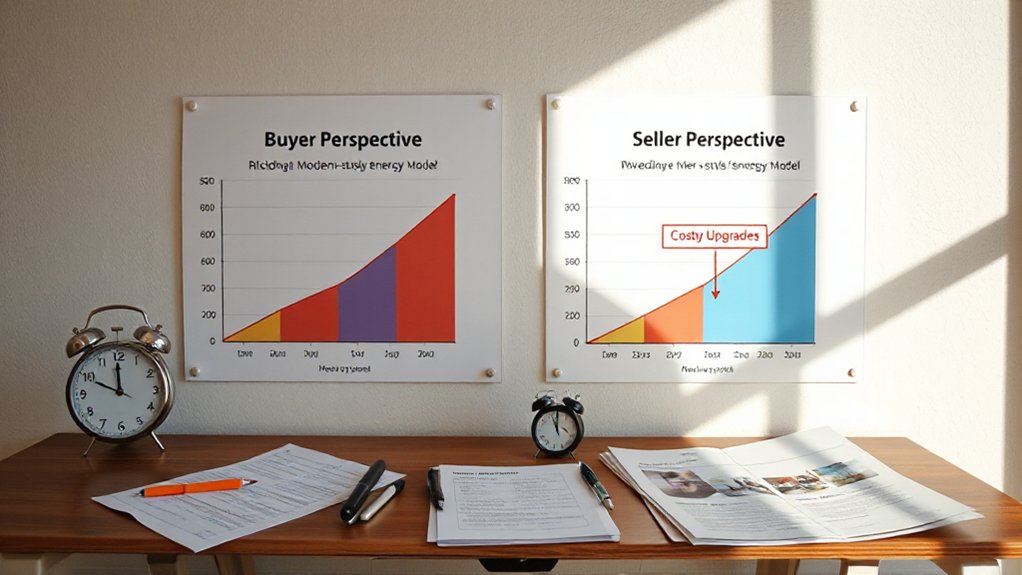
Red flags in EPCs often surface when early upgrades look costly but offer questionable value. You evaluate recommendations by testing certainty, not hype, so you don’t overpay for uncertain gains.
Be wary of screens that prioritize brand-new, high-cost components over proven, essential efficiency. If an assessor flags multiple costly measures without clear payoff timelines, pause and request a breakdown of impact and alternatives.
Energy efficient appliances can matter, but only when their efficiency match justifies the upgrade price and local energy costs.
Insulation upgrades should be weighed for climate, existing gaps, and overall comfort, not just sticker ratings.
You belong in a decision group that requires transparent, actionable data, minimizing regret and aligning upgrades with realistic, short- and medium-term needs.
Short-Term Costs vs Long-Term Savings of Energy Upgrades
You’ll weigh the Short-Term Costs Realities against the Long-Term Savings Impact to see how upfront investments translate over time.
The Upgrade ROI Timeline frames when benefits accrue and how quickly equity or energy bills improve.
This sets the stage for a grounded, data-driven discussion on total value for buyers and sellers.
Short-Term Costs Realities
Short-term costs for energy upgrades are real, but they should be weighed against tangible near-term benefits rather than vague long-term promises. You’ll see upfront investment, but also immediate gains in comfort, reliability, and predictable bills.
In this moment, Energy conservation isn’t only ethics—it’s budgeting discipline, and Cost analysis becomes your tool for clarity, not guesswork. Your decision rests on concrete data, not feelings.
1) Immediate bill reductions after completion, creating early relief and cash flow stability.
2) Faster resale appeal as EPCs improve, boosting buyer confidence and market momentum.
3) Mitigated risk from price volatility, delivering short-term resilience and planning certainty.
Long-Term Savings Impact
Long-term savings from energy upgrades hinge on balancing upfront costs with enduring reductions in energy use and maintenance. You’ll see how smart investments compound: initial spend lowers ongoing bills and minimizes outlays for repairs, replacements, and downtime.
Energy efficient appliances reduce consumption without sacrificing performance, creating predictable operating costs and cleaner billable receipts for buyers and sellers alike.
Smart home technology optimizes usage—thermostats, sensors, and automation cut waste while preserving comfort, reinforcing resale appeal.
The payoff isn’t instant; it’s a measured, long-horizon return built on reliability and lower maintenance needs. Consider total cost of ownership, not just purchase price.
When upgrades align with home quality and utility bill trends, you foster a sense of lasting belonging—investment credibility that resonates with informed buyers and confident sellers.
Upgrade ROI Timeline
Because upfront costs can weigh on decisions, the Upgrade ROI timeline compares initial expenditures against the speed and magnitude of future savings, helping you judge when energy upgrades pay for themselves.
- You’ll feel more confident knowing Energy efficient lighting cuts utility bills quickly, delivering visible returns.
- Insulation upgrades reduce seasonal swings, preserving comfort while extending every dollar’s value.
- Short payback periods create a sense of momentum, reinforcing the belonging of a responsible, future‑facing home.
This framework keeps claims grounded in data, showing how rapid savings compound with longer‑term benefits. You gain clarity on whether to pursue upgrades now or phase them, aligning your EPC goals with your household identity and long‑term budget.
Low-Cost Wins That Lift EPC Scores
Low-cost improvements can deliver noticeable EPC gains without breaking the bank. You’ll find small, practical tweaks can move the needle without major overhauls.
Prioritize airtight doors and windows, improved insulation in attics, and efficient lighting—these deliver tangible results quickly. In practice, you’ll measure impact by bill tracking and simple energy audits, then adjust focus where you see the biggest return.
Incorporating renewable energy options, even modest, signals commitment to efficiency and can lift scores modestly without large capex.
For property management, streamline maintenance schedules to prevent energy waste and maintain consistent comfort. Communicate these gains transparently to buyers and tenants alike, reinforcing a reputation for value, reliability, and responsible stewardship.
Your EPC progress becomes a competitive differentiator rather than a chore.
Major Upgrades That Move the EPC Needle
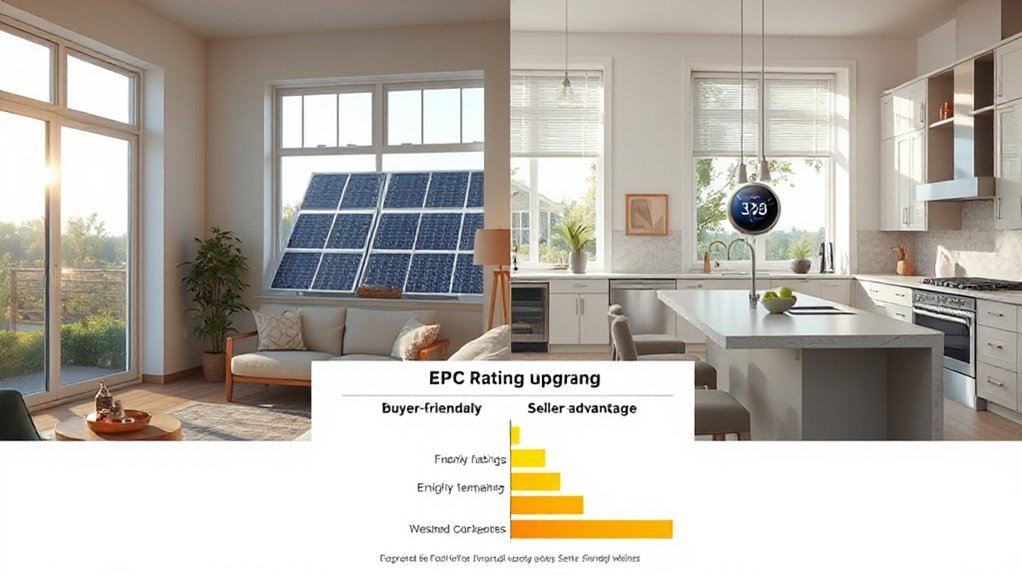
Major upgrades have the greatest potential to move the EPC needle, delivering meaningful score shifts even when upfront costs are higher. You’ll see notable impact when you prioritize high‑return improvements that align with energy efficiency and home insulation improvements, maximizing comfort and long‑term savings.
Precision planning matters: focus on changes that sustainably reduce energy use, not quick fixes.
- Invest in enhanced insulation and airtightness to curb heat loss and stabilize interior temperatures, boosting energy efficiency and EPC results.
- Upgrade HVAC systems and include smart zoning to optimize performance, minimizing energy waste and elevating overall ratings.
- Install efficient windows and doors with proper seals to protect against drafts, improving comfort and measurable EPC gains.
Regional Climate and Housing Mix: What It Means for EPC Impact
Regional climate and housing stock shape how EPC plans play out in real-world terms. You’ll see regional trends influence which improvements deliver the strongest value, and where upgrades meet practical constraints.
In milder climates, insulation gains and airtightness may be less dramatic, yet heat pumps and smart controls still enhance comfort and efficiency.
In harsher regions, climate adaptation shifts cost-benefit calculations toward robust envelope upgrades, thermal bridging fixes, and resilient heating systems.
Housing mix matters: older, solid-wall homes often require different retrofit sequences than new-builds or lightweight constructions.
Access to skilled trades and local incentives further colors the impact, guiding you toward feasible, high-return choices.
Recognize that EPC outcomes depend on region, stock type, and your adaptation priorities.
Buyers’ EPC Verification Checklist
Have you verified a property’s EPC before making an offer? This checklist helps you assess credibility and risk, not just numbers. You’ll want a focused, practical approach that supports confident decisions.
- Compare energy labels to actual bills to spot discrepancies and guarantee the listing reflects current usage and efficiency.
- Confirm presence of Energy efficient appliances and adequate Home insulation, and request documentation or invoices where possible.
- Verify any mitigating features (solar, heat pumps) and assess potential impact on running costs and resale value.
Sellers’ Playbook: Positioning an EPC-Friendly Home
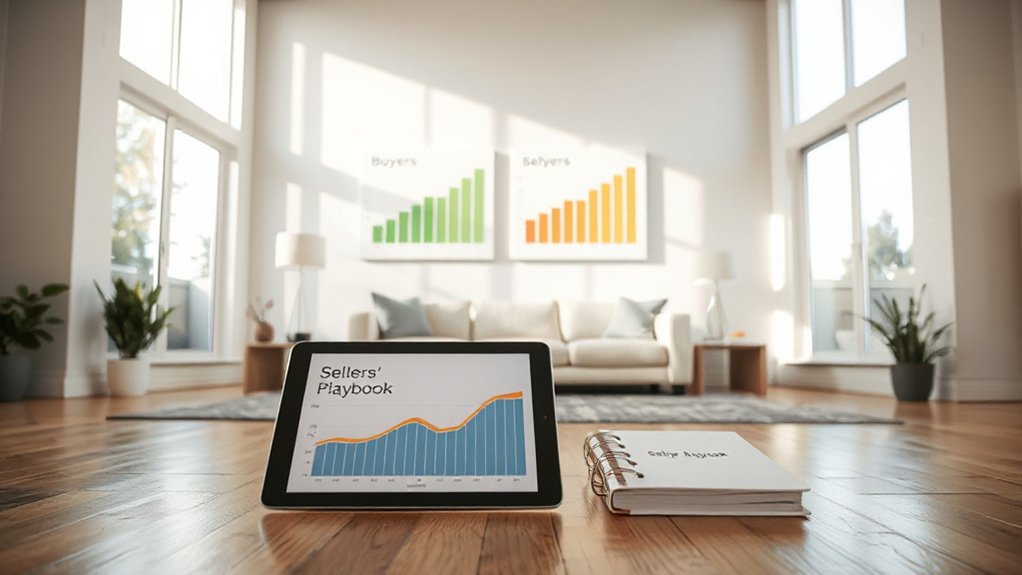
Sellers, now that you’ve verified an EPC, shape your listing to highlight efficiency and future savings. You frame the home as a lower-risk asset, emphasizing predictable costs and resilience.
Highlight airtight insulation, efficient heating, and smart controls as selling points that translate into lower utility bills and stable monthly expenses. When discussing value, anchor it to tangible outcomes: reduced energy spend, faster occupancy, and fewer post-sale maintenance surprises.
Be precise about how improvements influence ongoing costs, not just initial price. Tie the EPC to practical benefits for buyers who seek belonging and certainty in their next home.
Mention how lower energy demands can affect insurance perceptions and potential premium adjustments. Also note that steady property taxes may reflect regional efficiency incentives and longer-term affordability.
Comparing EPCs Across Listings: A Practical Framework
To compare EPCs across listings effectively, start with a standardized lens: convert ratings, ranges, and potential energy-cost ranges into comparable metrics like annual energy spend, projected monthly bills, and estimated savings under typical usage.
- Energy efficient appliances and insulation improvements aren’t just buzzwords; they translate into tangible, relatable savings.
- A consistent frame helps buyers feel they belong to a community that values precision over hype.
- Clear, comparable figures reduce ambiguity, empowering quicker, more confident decisions.
This framework emphasizes data integrity, not marketing fluff. You’ll compare apples to apples, assess long-term cost implications, and spot true value across listings, ensuring you act with authority and clarity in every negotiation.
Financing Energy Upgrades: Grants, Loans, and Incentives
Financing energy upgrades is about turning plans into action, quickly and cost-effectively. You’ll find grants, loans, and incentives that align with your energy goals and budget, helping you convert intent into measurable gains.
Explore program eligibility, payment terms, and impact on resale value, then map options to your timeline. Renewable energy projects often qualify for subsidies that reduce upfront costs while boosting long-term efficiency.
For insulation upgrades, targeted loans and tax credits can lower barriers and accelerate payoff periods. Compare offers not just on interest rates, but on repayment flexibility, required commitments, and overlap with other programs.
Negotiation Angles: How EPCs Influence Price and Incentives
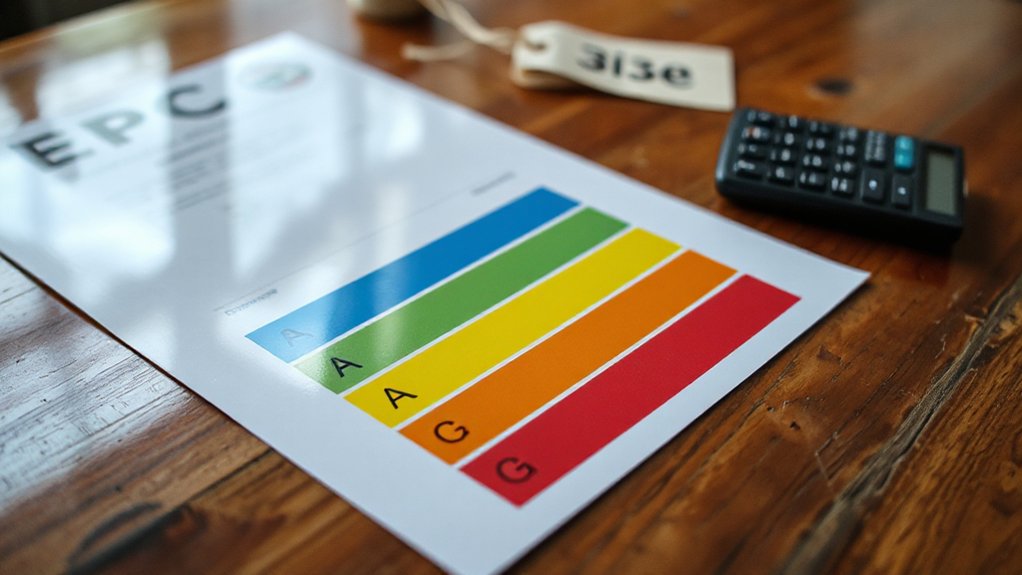
EPCs shift price and incentives by making energy performance a tangible asset in negotiation. You’ll see buyers and sellers calibrate value around efficiency metrics, not just footprint, which changes leverage and risk perception.
When you highlight energy performance, you signal long‑term savings and predictable costs, strengthening bargaining position. Your aim is to frame upgrades as value drivers, not expenses, so incentives become investment signals rather than concessions.
- You gain confidence by quantifying annual savings from energy efficient appliances and renewables, turning maintenance into a strategic priority.
- You unlock faster traction with buyers who crave predictable bills, reducing price resistance and closing timelines.
- You reinforce belonging by aligning home performance with shared sustainability goals, creating a collaborative negotiation dynamic that favors mutual outcomes.
Case Studies: Real-World EPC Outcomes
Case studies show how real-world EPC outcomes play out in buyer and seller decisions. You’ll see that historical trends shape expectations: buyers use improving ratings as a signal of reliability, while sellers time upgrades to maximize appeal and reduce days on market.
In these cases, certification processes provide credibility, turning abstract scores into tangible value for negotiation. You observe how a higher EPC often translates to quicker offers and stronger terms, whereas marginal gains can redefine cost-benefit judgments.
Yet you’ll also encounter scenarios where renovations outpace rating improvements, underscoring that certifications alone don’t guarantee a sale.
Across these real-world outcomes, you gain a clearer sense of what to prioritize: documented improvements, transparent certification steps, and how the rating influences buyer confidence without sacrificing your market position.
Common EPC Mistakes Buyers and Sellers Make
Common EPC mistakes can undermine even strong real estate plans. When you overlook EPC certification requirements, you risk misjudging value and missing energy-performance opportunities that buyers and sellers care about. You’ll often see underestimations of energy efficiency potential, leading to hidden costs and stalled negotiations.
By addressing these errors early, you align expectations with market realities and safeguard your position.
- Ignoring EPC details during negotiations, which masks true value and buyer appeal.
- Delaying updates to improve energy efficiency, sacrificing time and price.
- Treating EPC criteria as optional rather than essential to compliance and confidence.
Focus on accurate ratings, transparent disclosures, and timely improvements. A clear EPC narrative strengthens trust, supports faster closings, and demonstrates responsible ownership—benefits that resonate with buyers and sellers alike.
Tools to Assess and Improve EPCs Quickly
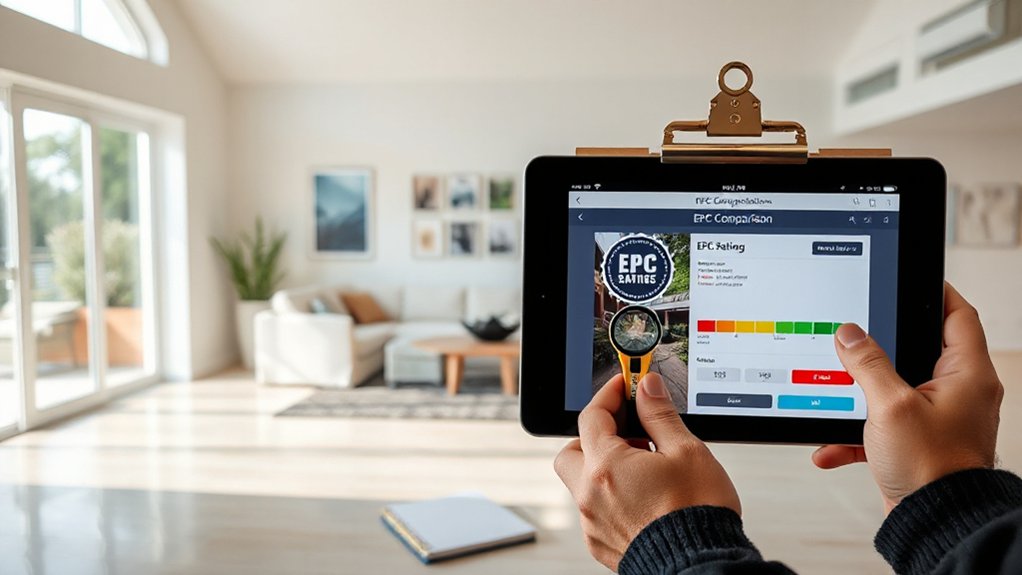
To quickly gauge and boost energy performance, use a focused toolkit that blends quick diagnostics with actionable improvements. You’ll prioritize low-cost, high-impact changes you can implement now, while keeping long-term gains in view.
Start with a practical energy baseline: review recent EPC components, insulation gaps, lighting efficiency, and appliance runtimes.
Embrace home automation to optimize scheduling, standby power, and zone control, which yields immediate consumption reductions.
Pair this with renewable energy considerations—assess solar potential and on-site storage options to enhance overall ratings.
Track progress with simple dashboards, noting before-and-after metrics to validate impact.
This approach builds confidence in decisions, fosters a sense of belonging within sustainable households, and aligns buyer and seller goals.
The result is faster improvements without disruption, supported by data-driven, executable steps.
Next Steps: Turning an EPC Reading Into a Confident Decision
You’ll translate your EPC reading into actions that boost confidence and outcomes. Focus on making smart moves and turning reading certainty into tangible decisions, from pricing to improvement choices.
This streamlined approach keeps you analytical, decisive, and oriented toward measurable results.
Make Smart EPC Moves
Turning an EPC reading into a confident decision starts with a clear interpretation of the score and its implications for value, risk, and timing. You’ll translate the rating into practical steps that protect your investment and speed negotiations, focusing on impact and cost–benefit.
1) Prioritize actions with the strongest return on energy efficiency, especially improvements to property insulation and smart upgrades, to lift future resale appeal.
2) Align timing with market windows where energy-conscious buyers or tenants drive premium pricing.
3) Build a concise, evidence-based narrative for buyers or sellers that links score improvements to predictable cash flow and comfort gains.
These moves reinforce belonging through informed choice, reduce uncertainty, and set a competitive standard in negotiations.
Translate Reading Confidence
Confirming what an EPC reading means isn’t just about the score; it’s about translating the data into a clear action plan. You want reading confidence that sticks, not mere numbers.
Start by parsing the core rating and the implications for daily living, resale, and energy costs. Focus on translation accuracy: convert technical terms into concrete steps, like upgrade priorities, roommate scenarios, or seasonal usage tweaks.
Compare scenarios side by side, noting which improvements yield the strongest ROI and fastest gains in comfort. Use the EPC narrative to justify choices to buyers or sellers, illustrating risks and opportunities with quantified projections.
This approach builds belonging through informed dialogue, trust, and shared goals, ensuring decisions feel deliberate, practical, and aligned with your long-term value.
Frequently Asked Questions
Do EPCS Differ by Country or Region?
Yes, EPCs differ by country or region. You’ll see regional standards and certification differences, so you’ll need to compare local metrics. Regional standards shape ratings, and Certification differences can affect how you interpret your property’s energy performance.
Can EPCS Change After Renovations Are Completed?
Yes, renovations can raise or lower your EPC after completion. You’ll notice renovation impact as upgrades boost energy efficiency, lowering energy use and improving rating. Actively track improvements, compare before/after, and secure better long-term comfort and savings.
How Reliable Are Short-Term EPC Changes From Minor Upgrades?
Short-term EPC changes from minor upgrades are often unreliable; you should question their energy efficiency impact, as Certification accuracy can vary. You’ll want robust evidence, not quick spikes, to feel confident about the rating’s value.
Do EPC Ratings Affect Mortgage Eligibility or Rates?
Yes, EPC ratings can influence mortgage terms, especially if energy efficiency improves risk assessment; lenders weigh Certification standards and potential savings. You’ll gain access to better options when your score strengthens, signaling responsible efficiency and affordable future costs.
Are There EPCS for Rental Properties vs. Owner-Occupied Homes?
Yes, there are EPC distinctions: rental property typically carries different standards than owner-occupied homes, influencing obligations, incentives, and reporting. You’ll compare codes, requirements, and potential exemptions to guarantee compliance for both rental property and owner occupied scenarios.
Conclusion
In the end, your EPC is a compass, not a verdict—think of it as a hint from the house itself, like a lighthouse guiding a wary sailor to safer shores. You’ll weigh short-term costs against long-term savings, much as a chess player weighs a risky gambit against steady endgames. Use the data, spot the red flags, and act with intent. With clarity and preparation, you turn energy insights into confident, strategic decisions.