
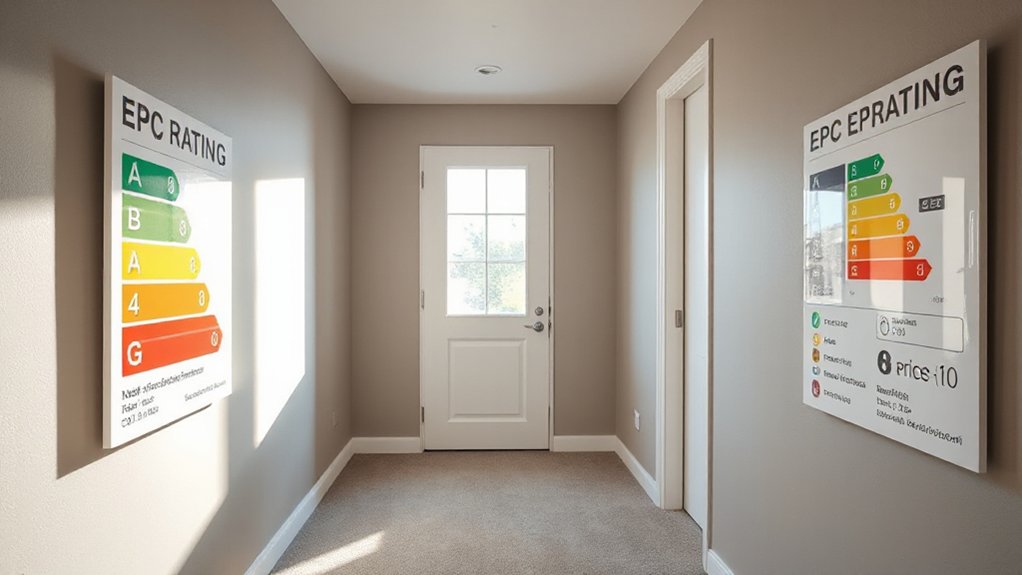
When you compare EPC ratings for rental properties, treat them like a cost-efficiency map that ties energy performance to income, operating costs, and tenant comfort. Start by aligning assessment dates, methods, and boundaries, then normalize for size, layout, and occupancy. Factor in system age and maintenance history, and document all assumptions. Translate bands into expected monthly costs and potential savings from upgrades. If you keep digging, you’ll see how regulatory shifts and upgrades can boost value and curb risk.
EPC Ratings Explained for Landlords and Tenants

EPC ratings classify a property’s energy efficiency on a scale from A to G, with A being the most efficient and G the least. You’ll use this framework to set expectations for both landlords and tenants. Your focus is on how ratings influence costs, maintenance, and suitability for occupancy, not on vague impressions.
Energy efficient improvements, when implemented, tend to raise a property’s score and reduce operating expenses, a win for everyone involved. You should document how improvements are verified and how post-project ratings are communicated to tenants.
In lease negotiations, consider including Lease agreement clauses that reflect energy performance, cost-sharing for upgrades, and observable benchmarking. Clear, data-backed language helps communities feel confident, connected, and mutually responsible for sustainable housing outcomes.
How to Compare EPC Bands Across Properties Fairly
To compare EPC bands fairly across properties, start by aligning the assessment date, method, and boundary conditions. Then adjust for comparable factors like size, occupancy, and system age. You’ll create a level playing field that supports credible Energy efficiency assessments and protects Property valuation instincts.
This approach emphasizes transparent benchmarks, reducing bias and variance in comparisons.
1) Align data sources and appraisal dates to ensure apples-to-apples comparisons.
2) Normalize by size, layout, and occupancy to reflect operational realities.
3) Adjust for system age, technology, and maintenance history.
4) Document assumptions and sensitivity checks to support repeatability and trust.
Adopt these steps to enhance comparability, bolster decision confidence, and foster belonging among stakeholders who rely on precise EPC insights.
From Bands to Bills: Translating EPC Into Monthly Costs
If EPC bands improve, you can translate that efficiency directly into monthly costs by mapping energy use to typical household bills. In practice, energy efficiency translates into predictable, comparable outlays rather than opaque variances.
You’ll see bands align with costs for heating, hot water, and lighting, making budgeting simpler for tenants and landlords alike. By estimating a property’s annual energy consumption and applying current unit rates, you translate a label into a tangible monthly figure.
This clarity supports investment decisions and risk assessment, while also highlighting Rental incentives that reward improvements. When you communicate these projections, you reinforce a value proposition grounded in data: better EPCs reduce variability, attract responsible tenants, and emphasize responsible stewardship of energy resources.
This is how bands become monthly reality.
Budget Upgrades That Raise Your EPC Rating
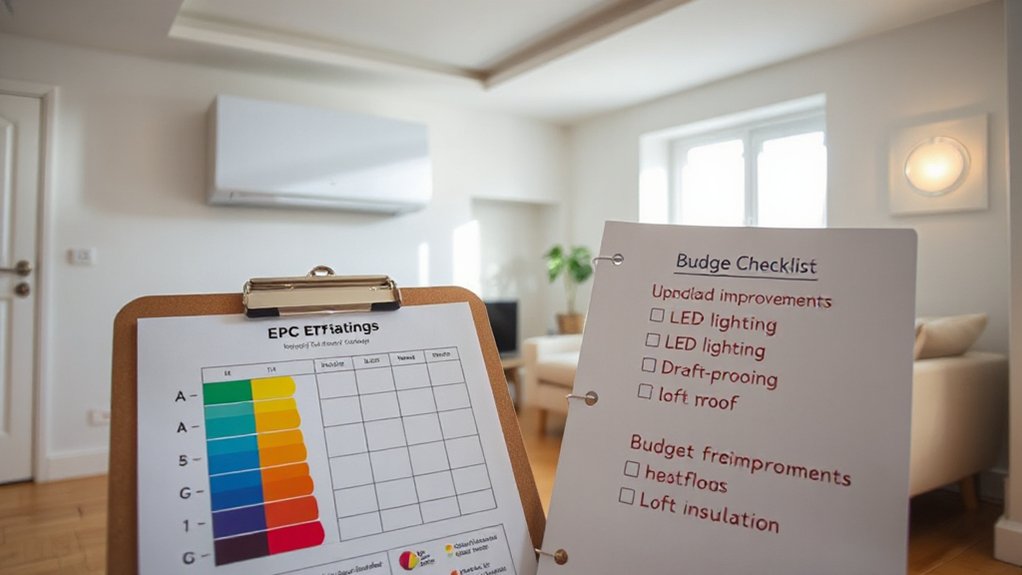
Upgrading on a budget can meaningfully raise your EPC rating by targeting the biggest energy drains first. You’ll see faster gains by prioritizing efficiency, then layering improvements that compound savings over time.
- Energy efficient gadgets: switch to smart thermostats and LED lighting to trim baseline consumption without costly retrofits.
- Insulation upgrades: seal gaps, add attic or wall insulation where appropriate, and boost drafts’ resistance to reduce heat loss.
- Heating system tuning: service boilers, balance radiators, and install programmable controls to match occupancy.
- Air leakage reduction: install door sweeps and sealant to cut night-and-day heat leakage.
These steps deliver measurable impact, align with resident comfort, and support a stronger EPC without disruptive overhauls.
Staying Compliant in a Changing Regulatory Landscape
Managing regulatory changes will require you to stay proactive rather than reactive. You’ll monitor policy shifts, deadlines, and regional nuances, so you don’t miss critical compliance dates.
Stay aligned with energy efficiency targets, because audits increasingly feature granular performance benchmarks and exemptions narrow over time.
Regularly review EPC-related guidance, case law, and local licensing rules to guarantee legal compliance across all properties.
Use a centralized tracker to map requirements to each asset, reducing blind spots and creating a unified standards culture for your team.
Invest in data-driven risk assessment, forecast future mandates, and communicate changes transparently to tenants and lenders.
Frequently Asked Questions
How Often Can EPC Ratings Legally Change for a Property?
EPC ratings can legally change only when a valid assessment is performed, and certification updates reflect new energy efficiency data. You’ll see updates after improvements or new inspections, typically aligned with the certifier’s guidelines and regulatory cycles.
Do EPC Ratings Affect Mortgage Eligibility for Landlords?
Yes, energy efficiency influences mortgage eligibility for landlords; lenders consider EPC ratings alongside rental regulations, cash flow, and risk. You’ll improve access by boosting efficiency, meeting standards, and documenting compliance to align with lender criteria.
Can Tenants Request a Re-Inspection After Upgrades?
Yes, you can request a re-inspection after upgrades. You’ll coordinate inspection scheduling promptly, ensuring tenant privacy is respected throughout. If needed, provide upgrade records and photos to support the request and accelerate evaluation.
Are There Regional Variations in EPC Enforcement Timelines?
Regional enforcement timelines do vary by region, but you can expect consistent standards across most jurisdictions. You’ll see regional compliance benchmarks published, helping you plan upgrades and align practices with data-driven expectations and shared responsibilities.
What Costs Are Typically Involved in EPC Re-Certification?
Cost factors cluster around certification costs, assessor fees, and potential rework, you’ll cover during the certification process. You’ll know upfront, you’ll compare quotes, and you’ll budget confidently for compliant, cost-conscious property improvements.
Conclusion
To protect your bottom line, use EPCs as a practical scorecard, not a moral verdict. You’ll compare bands fairly, translate ratings into monthly costs, and target affordable upgrades that lift resale value and tenancy appeal. Track regulatory shifts so compliance becomes routine, not reactive. Think of each improvement as a data point that reframes risk and cost. In the end, the pattern matters more than the peak: consistency turns EPC insight into steady, marketable advantage. Meticulous planning wins, always.