
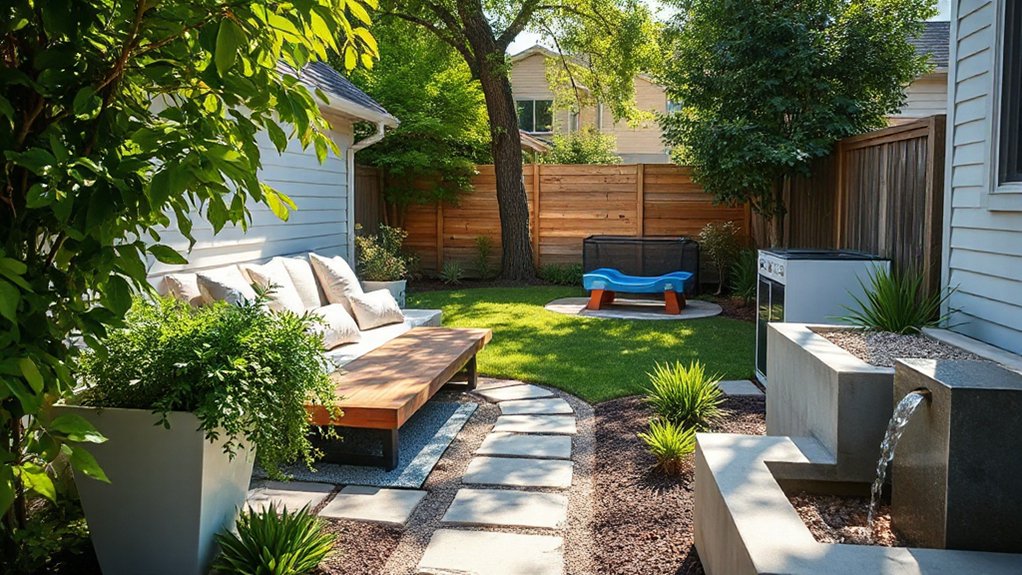
Design a family-friendly garden by starting with a central gathering area and kid-friendly paths, ensuring stroller and wheelchair access. Create knee- to shoulder-height planting beds, rounded planters, and durable, low-maintenance hardscapes. Add built-in storage, easy-to-clean zones, and seasonal lighting for safety. Include edible beds, pollinator corners, and layered plant heights for biodiversity. Establish routines and shared care, with clear labels and quick-grab zones. With practical steps and real-life examples, you’ll reveal simple, lasting improvements that engage everyone. You’ll discover more practical tips ahead.
Define Family-Friendly Garden Goals: Safety, Access, and Joy
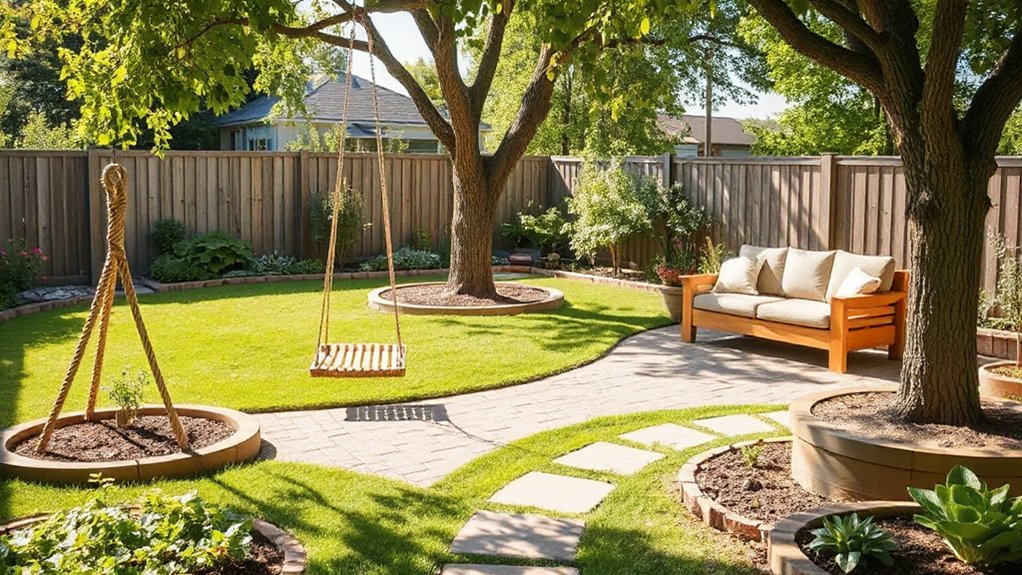
Creating family-friendly garden goals starts with safety, access, and joy guiding every decision. You’ll map zones where kids can explore under supervision, and you’ll choose paths wide enough for strollers and wheelchairs.
Prioritize easy maintenance by selecting raised beds and accessible tool storage, so gardening tools are within reach and sessions stay short and focused. Consider soil types early: test your soil, amend with compost, and pick plants suited to your site’s pH and drainage.
Establish clear safety standards—no sharp tools in play areas, secure fencing, and shade where needed. Design for inclusivity: seating for caregivers, benches at kid-friendly heights, and signage that invites questions.
With these foundations, your family gains belonging, while you build confidence to grow together.
Plan Kid-Safe Planting Beds the Whole Family Can Use
To plan kid-safe planting beds that the whole family can use, start with height, access, and safety in mind. Design accessible beds at shoulder height for adults and knee height for kids, with clear paths and stable edges. Choose rounded corner troughs or wide, shallow planters to reduce lifting.
Use labeled, low-maintenance tools and place garden tool storage within easy reach, so everyone can help without clutter. Implement a simple watering system and clearly defined zones to minimize stepping on roots or soil compaction.
Position a compost bin placement away from play areas, with a sturdy lid and easy access for kids to learn about responsible waste. Involve everyone in planning, rotating tasks, and celebrating small, shared achievements.
Create Pollinator Corners That Boost Wildlife
Pollinator corners not only beautify your yard but also sustain local wildlife by providing nectar, pollen, and shelter. You’ll design small-centered patches with native flowering perennials, grasses, and a shallow water source to invite bees, butterflies, and beneficial insects.
Choose pollinator habitats that bloom across seasons, ensuring a steady food supply from spring through fall. Group plants by sun exposure and water needs, which makes maintenance simpler and preserves your family’s sense of belonging to a thriving outdoor space.
Integrate layered heights—groundcovers, low perennials, and pillar plants—to create inviting wildlife corridors across borders and fences. This approach boosts biodiversity, supports pollination, and reinforces your garden as a shared, resilient refuge for neighbors and nature alike.
Choose Low-Maintenance Hardscapes for Busy Lifestyles
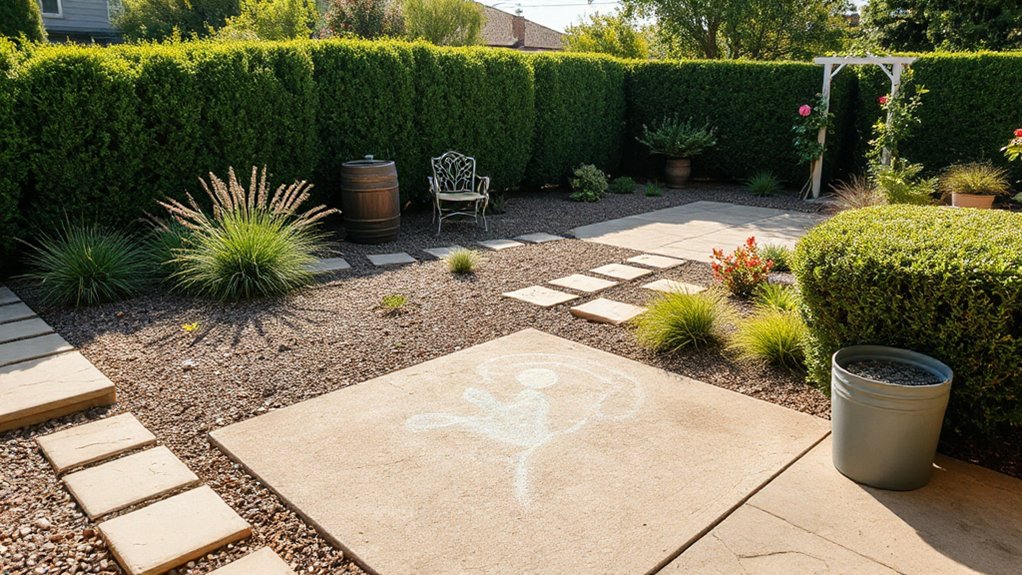
If you’re juggling a busy schedule, choosing hardscapes that require little upkeep can save time without sacrificing style. You’ll want surfaces and layouts that resist wear and stay neat with minimal effort. Opt for durable, low-maintenance materials like pavers, décor grade concrete, or compact gravel that limits weed growth and staining.
Design with clean lines, modular components, and accessible pathways to keep daily routines flowing smoothly. Integrate a rock garden as a focal point; it adds texture and requires little watering or clipping, staying serene through seasons.
Complement with outdoor art to personalize corners without demanding upkeep. Plan zones for seating, play, and entry, ensuring easy cleaning and movement. This approach creates belonging, practicality, and reassurance for busy families.
Build Built-In Storage for Tools, Toys, and Turf Care
With a well-planned built-in storage system, you’ll keep tools, toys, and turf-care gear organized, accessible, and out of sight. A cabinet-based footprint along a wall creates immediate order, while adjustable shelves accommodate growth and shifting needs.
Divide the space with labeled bins for small parts and a dedicated hook zone for hoses, rakes, and seasonal gear. Incorporate a tall, narrow cabinet for tall items and a pull-out shoebox for screws, fasteners, and batteries.
Prioritize durable materials and moisture control to extend longevity. Designate a “quick grab” area for frequently used items to boost daily efficiency.
This approach delivers Creative storage and Tool organization, reinforcing belonging by making family projects smoother and more inclusive. You’ll feel confident inviting neighbors to share ideas and maintenance tasks.
Plan a Weather-Ready Layout That Works in All Seasons
A weather-ready layout starts with a single goal: keep your yard usable and inviting, no matter what the forecast shows. You design with Weather resilience in mind, choosing durable materials and low-maintenance plants that endure sun, rain, and wind.
Prioritize Seasonal adaptability by grouping zones for sun and shade, so you can rotate activities as conditions shift. Build sheltered seating, rain-friendly pathways, and a simple drainage plan to prevent puddles after storms.
Select versatile furniture that survives wet days and stays comfy when the sun returns. Use a modular layout: paths, beds, and open spaces that flex with weather, not against it.
Maintain clear sightlines for safety and supervision, renewing mulch and edging yearly to preserve a welcoming, family-friendly feel.
Zone the Yard for Play, Food, and Foliage
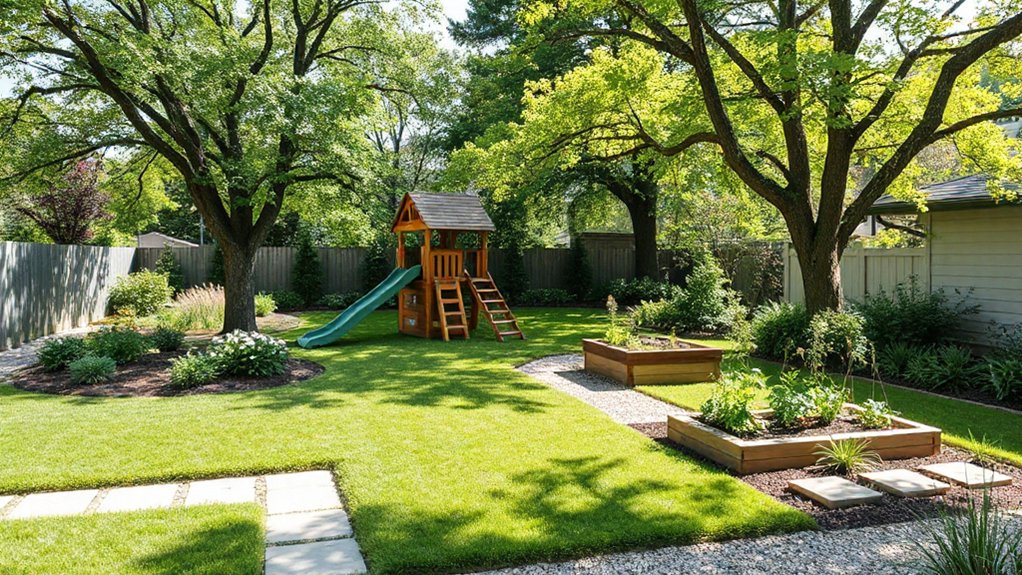
To maximize usability and joy, divide your yard into distinct zones for play, food, and foliage, then connect them with easy shifts and sightlines. You’ll design each area for purpose and flow, so kids can sprint from a veggie patch to a swing without crossing muddy paths.
Place the edible zone near the kitchen entry for quick harvests, and tuck a shaded play nook beside durable, low-maintenance turf.
For foliage, choose layered plantings that frame views, reduce noise, and create intimate moments. Prioritize native plantings to support local pollinators and reduce maintenance.
Incorporate wildflower diversity to season the yard with color and texture.
Keep paths clear, borders tidy, and sightlines open, so everyone feels welcomed, included, and able to contribute to the space’s care.
Add Safe, Edible Landscaping for Little Hands
Start with Safe, Edible Elements that kids can enjoy year-round, like berries, herbs, and compact veggies you can reach from a low bed.
Create Child-Friendly Planting zones with paths, labels, and edges that protect little hands while they learn to care for plants.
Use Easy-To-Explore Beds that are shallow, well-mulched, and organized by harvest options to keep participation active and rewarding.
Safe, Edible Elements
Safe, edible landscaping for little hands means selecting plants that are tasty, resilient, and easy to grow in family yards. You’ll choose low-maintenance varieties that tolerate variable weather and differing soil types, so everyone can participate.
Focus on edible perennials and annuals that offer steady harvests and quick rewards, like berries, herbs, and leafy greens, while avoiding thorny or overly invasive options.
Plan with safety in mind: clearly define paths, store tools out of reach, and teach kids proper handling.
Incorporate garden pests and wildlife corridors considerations, using physical barriers and native planting strategies that deter trouble while inviting beneficial creatures.
Regular timing, simple maintenance routines, and inclusive tasks keep all family members involved, fostering belonging and shared pride in a thriving, safe edible space.
Child-Friendly Planting
Curious about getting kids involved in the garden? You can guide hands-on learning with safe, edible planting that invites collaboration and pride. Start with intentional plant selection that tolerates varied skills and a busy schedule, choosing herbs, berries, and quick-growing greens.
Prioritize height-friendly beds, low-maintenance crops, and visible rewards to sustain attention. For child safety, avoid thorny varieties and toxic ornamentals; label every plant and establish simple rules about tasting only what you plant together.
Create sensory stations—smell, touch, taste—to build confidence and belonging. Use companion planting to reduce pests without chemicals, and enlist kids in watering and weeding rounds.
Clear, concise goals empower participation, while steady routines reinforce responsible care and shared achievement in your family garden.
Easy-To-Explore Beds
If you want kids to explore without worry, design beds that are close to eye level and clearly defined by low, accessible borders. Easy-to-explore beds invite safe, hands-on learning, blending garden bed design with edible curiosity.
Plan paths that reduce stepping on soil and focus on kid-friendly tools. Start with soil preparation: loosen, compost, and test moisture so roots thrive. Choose herbs and vegetables that tolerate quick, interactive harvests.
Keep colors bright and textures varied to invite touch and smell. Teach routines—watering, weeding, and observation—to foster belonging and responsibility.
- Clear borders that stay sturdy and child-safe
- Raised, shallow beds for easy reach
- Edible accents: lettuce, carrots, berries
- Mulch to suppress weeds and protect soil
- Simple labeling and color cues for learning
Tap Smart Irrigation to Save Water and Time
Smart irrigation taps can dramatically cut water waste and save you time on maintenance. You’ll program schedules that align with seasonal needs, so your lawn and beds drink what they require without overdoing it.
By connecting sensors and weather data, you’ll avoid watering during rain or high humidity, boosting water conservation with minimal effort.
Install inline valves and drip lines close to roots to maximize efficiency and minimize runoff.
Set zones for different plant groups, and review monthly usage to spot leaks or overwatering quickly.
Regularly test sprinkler heads for uniform spray, ensuring every corner gets coverage without waste.
With smart irrigation, you create a reliable, welcoming garden that respects resources and strengthens your sense of belonging.
Use Color and Texture to Tie the Space Together
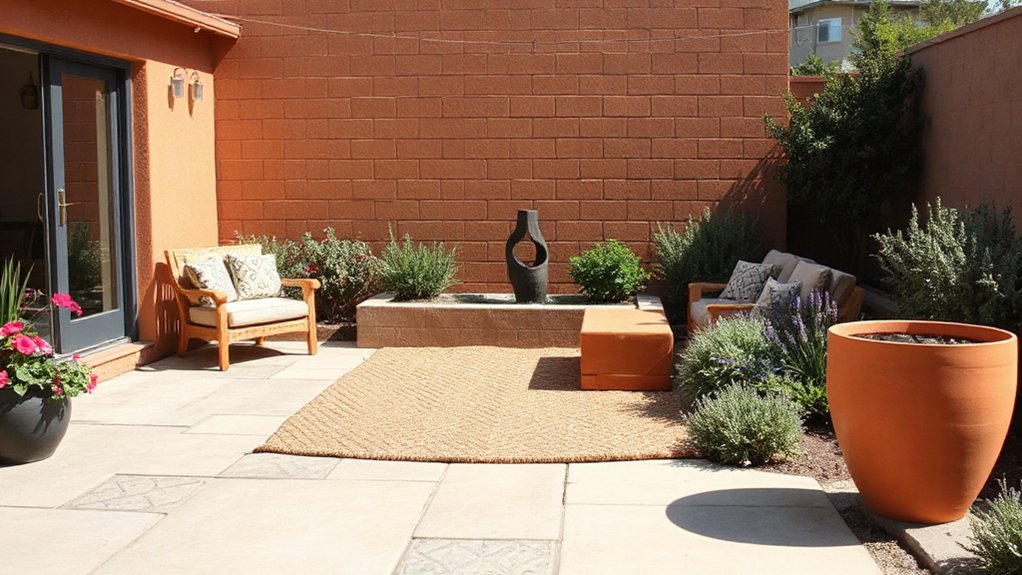
Color and texture are your tools for unifying the space, guiding the eye from one area to the next and making a garden feel cohesive. You’ll use color psychology to select hues that evoke calm, energy, or warmth, then repeat those tones across furniture, planting, and accents.
Texture contrast adds tactile interest; pair smooth surfaces with rougher materials to create depth and invitation.
Consistent material families help different zones feel related, even when functions shift. Elevate cohesion by balancing scale, rhythm, and alignment in borders, planters, and paths.
Use lighting to reinforce color and texture in the evening, ensuring a welcoming atmosphere.
- Establish a color-family palette that repeats across furniture, cushions, and pots
- Mix textures: stone, wood, woven fabrics for tactile contrast
- Align borders and pathways for visual continuity
- Highlight focal plants with consistent color accents
- Use lighting to extend texture and color into night
Design a Play Zone That Doubles as a Relaxing Retreat
A well-designed play zone can double as a relaxing retreat by pairing kid-friendly features with calming elements for adults. You’ll shape a space that invites daily use without feeling cluttered, prioritizing flow and purpose.
Start with a durable, low-maintenance surface, then add a quiet seating nook tucked near a light, accessible garden bed. Integrate outdoor art at child level for discovery, while adults enjoy a shaded alcove for conversation.
Use soft insets of color, natural textures, and hidden storage to reduce visual noise. Include composting tips as a family practice, demonstrating stewardship and responsibility.
Keep paths clear and progression gentle so both play and rest feel seamless. This approach builds belonging through shared routines, creativity, and space that respects every family member’s pace.
Maintain Privacy and Safety Without Blocking Light
As you scale back clutter from the play zone, you can protect privacy and safety without blocking light by choosing thin, permeable screening and strategic planting. Practical, light-filtering solutions keep air and visibility intact, while defining edges for family security. Use Privacy screens that blur activity from the street yet remain transparent to sunlight.
Layer plants with varied heights to create subtle barriers without casting heavy shadows. Opt for materials and colors that blend with your yard, so the space feels welcoming and inclusive. Regular trimming maintains sightlines and safety, especially around play areas.
Focus on accessibility and comfort, so everyone feels at home and connected.
- Privacy screens that filter light without blocking it
- Strategic, low-profile planting near boundaries
- Fast-growing, non-toxic options for kids
- Permeable fencing with soft textures
- Clear sightlines from active zones to seating areas
Budget-Smart Makeovers: Big Impact on a Small Budget
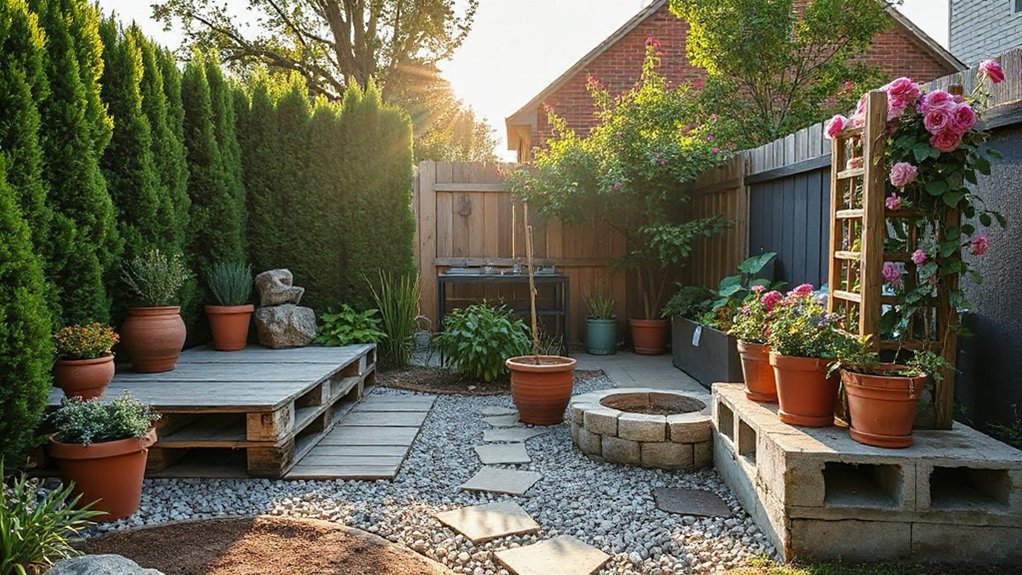
Budget-smart makeovers prove you don’t need a big budget to transform your outdoor space. You’ll see real impact by prioritizing essentials, choosing versatile elements, and using smart placement.
Focus on low-cost improvements that boost curb appeal and usability, such as repainting fences, revitalizing containers, and adding durable, plant-friendly surfaces.
Budget hacks include repurposing found materials, selecting multi-use furnishings, and optimizing lighting with solar options.
You’ll get more value from a cohesive plant strategy, so pair plants thoughtfully for color, texture, and repeated motifs.
Plant pairing saves space and supports healthier growth, while grouping in threes creates confident, welcoming pockets.
Keep your plan simple, measurable, and time-bound, so progress feels achievable and inclusive for the whole family.
Step-by-Step Planner to Map Your Garden Makeover
To map your garden makeover efficiently, start with a practical, room-by-room plan that builds on the budget-smart ideas you already embraced. You’ll define zones, note sunlight and shade, and align plant selection with each space. This planner keeps you focused, helping you avoid overreach while preserving cohesion in garden aesthetics.
You’ll pair durable materials with inviting textures, ensuring family-friendly flow and durable appeal. Prioritize essential improvements, then layer accents that reinforce your sense of belonging and pride in the space.
- Identify zones and functions for every area
- Map sun exposure and irrigation needs
- Choose plant selections that fit soil and climate
- Align colors and textures with garden aesthetics
- Schedule quick wins and long-term upgrades
Seasonal Maintenance Routines for a Family-Ready Garden
Seasonal maintenance keeps a family-ready garden safe, inviting, and low-stress throughout the year. You’ll establish routines that fit real schedules, not fantasy timelines. Start by mapping critical tasks for each season, then lock them into a simple calendar.
Inspect soil health, irrigation, and mulch monthly to prevent surprises. When you spot garden pests, address them promptly with targeted, non-disruptive methods that protect kids and pets.
Seasonal pruning keeps growth strong and reduces disease risk, especially on fruit trees and shrubs your family enjoys.
Maintain tools properly so they’re ready when you need them, saving time and effort.
Communicate expectations with your household, assign small responsibilities, and review results seasonally to reinforce belonging and shared care.
Real-Life Family Garden Makeovers: Lessons, Case Studies, and Takeaways
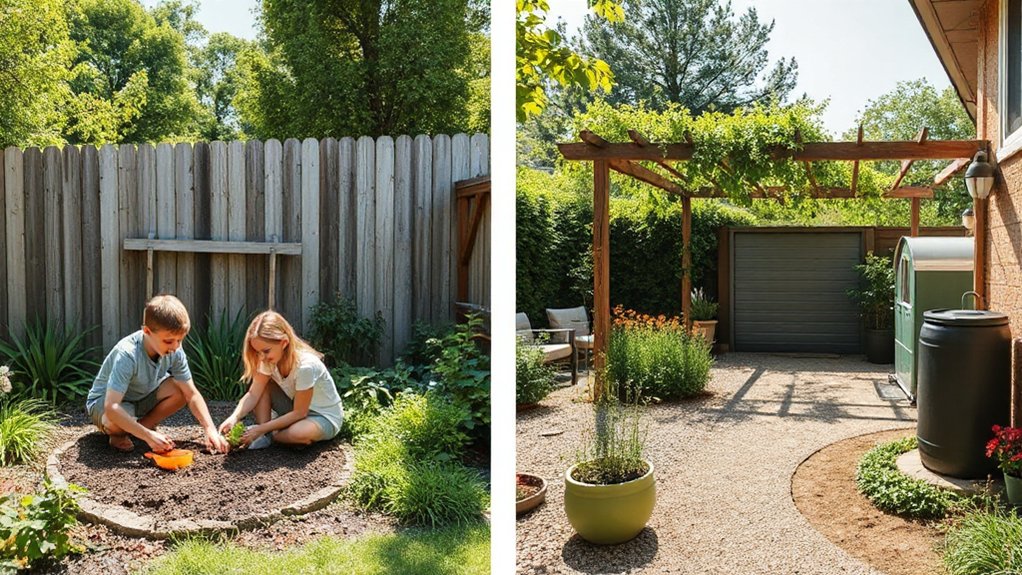
Real-life family garden makeovers show how planning, choices, and simple tweaks payoff over time. You’ll see practical outcomes from real households, with lessons you can apply tonight.
Case studies reveal how targeted changes—like kid-friendly zones, durable materials, and shared responsibilities—build confidence and belonging. Takeaways emphasize consistency, patience, and clear goals.
Garden art and outdoor lighting aren’t vanity moves; they anchor safety, mood, and use across seasons. You’ll notice how small budget wins compound into lasting value, inviting everyone to participate.
Below, quick highlights translate cases into action you can customize for your own space and family rhythm.
- Start with a central gathering area and kid-friendly pathways
- Invest in durable, low-maintenance materials
- Integrate garden art to tell your story
- Use outdoor lighting for safety and ambiance
- Establish routines that rotate care and decorate together
Frequently Asked Questions
How to Balance Safety With Adventurous Play in Design?
You balance safety with adventurous play by defining clear Safety zones and vibrant Play zones, then connect them with visible sightlines, soft surfaces, and supervised challenges, so you feel secure while your family explores, learns, and belongs outdoors together.
What Quick-Start Plants Are Best for Kids’ Beds?
Child friendly plants and Easy garden starters are ideal for kid beds. You’ll pick sturdy, low-maintenance varieties, keep them within reach, and involve youngsters in simple tasks, creating belonging while they learn. Start with herbs, sunflowers, and cherry tomatoes.
Which Low-Cost Changes Yield the Biggest Family Impact?
You should start with simple, budget-friendly upgrades like repainting fences and adding permeable mulch paths; these low-cost changes yield the biggest family impact. They boost garden aesthetic, invite kids outdoors, and foster belonging through shared, affordable pride.
How to Plan Year-Round Garden Usability for All Ages?
You’ll plan year-round usability by choosing accessible paths and durable garden furniture, plus seasonal planting rotations. You’ll schedule child-safe zones, shade, and seating for all ages, ensuring belonging; you’ll adapt with practical maintenance and consistent safety checks.
What Maintenance Tasks Should Families Rotate Monthly?
Do monthly tasks like inspecting beds, pruning lightly, and cleaning tools; you’ll reduce garden pests and keep soil healthy. Rotate chores, rotate composting tips, and stay consistent, so your family feels belonging, capable, and confidently maintaining a thriving space.
Conclusion
So, is the old garden-theory about “if you build it, they’ll enjoy it” true? Not on its own. Your family’s delight comes from safety, accessibility, and hands-on involvement. When you design kid-friendly beds, add pollinator hotspots, choose low-maintenance hardscapes, and create built-in storage, you invite everyday joy. A practical plan, consistent routines, and real-life tweaks turn ideas into a lasting family oasis. Do the work, adapt, and you’ll see the garden become the heart of your home.