
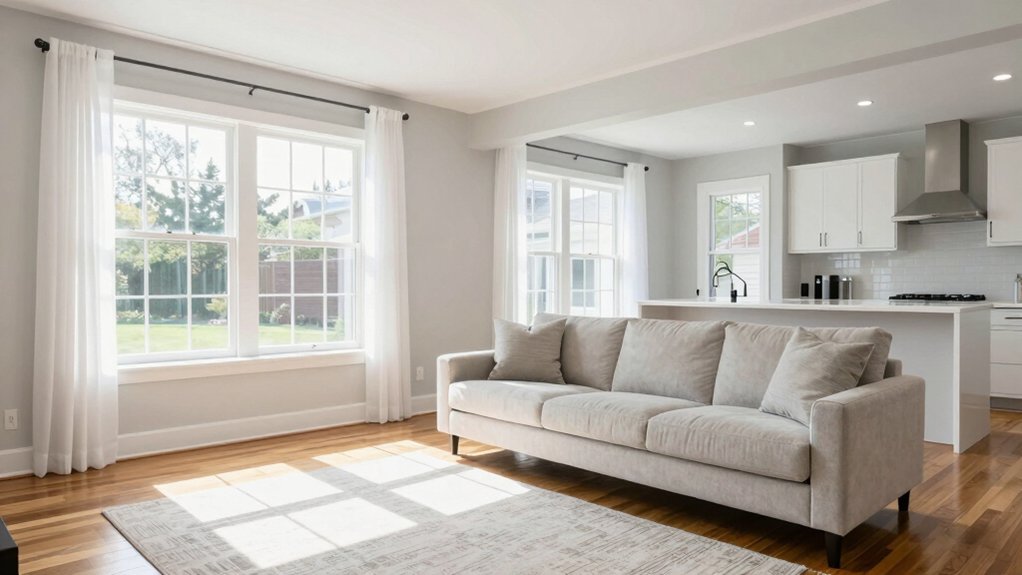
To prep your home for sale, start with ROI-driven renovations that boost sale price without overspending. Prioritize quick kitchen upgrades, fresh neutral paint, and efficient fixtures, then tackle curb appeal with a tidy exterior, updated lighting, and cohesive landscaping. Address critical repairs—leaks, leaks, seals, and safety upgrades—to prevent stalls. Create a move-in ready backdrop with minimal, well-placed furniture and neutral decor. These steps sharpen perceived value and speed offers; continue to learn how to maximize momentum.
Start With ROI Criteria: Prioritize Renovations by Impact and Budget
To maximize your ROI, start by ranking renovations by impact and cost. You’ll map each option to buyer appeal and budget, prioritizing high returns with sensible spend.
Begin with practical upgrades that modernize without overinvesting: fresh paint in neutral tones, updated lighting, efficient fixtures, and smart storage solutions.
Then gauge luxury features that yield standout value, balancing cost against perceived prestige rather than simply chasing trendiness.
Seasonal renovations can deliver incremental gains when timed to demand, such as exterior curb appeal in spring or energy updates before winter showings.
Apply a simple scoring system: impact on sale price, time to complete, and disruption to you.
Keep your plan lean, evidence-based, and focused on maximizing belonging and confidence in your investment.
ROI-First Renovations You Should Tackle Now
Focus first on ROI-strong upgrades like quick kitchen tweaks, fresh paint, and curb appeal, which buyers notice on first glance. You’ll boost perceived value without overhauling layouts, making these moves fast and cost-effective.
Start here to set a competitive pace for your home’s market-ready appeal.
Quick Kitchen Upgrades
If you’re aiming for a fast payoff, prioritize kitchen upgrades that deliver big ROI with minimal disruption. Quick upgrades focus on perception and function: swap dated fixtures, update hardware, and brighten with fresh lighting. You’ll gain impact without a full remodel.
Consider luxury appliances as a visual anchor that signals modernity and quality, even if you don’t overhaul every element. Pair this with custom cabinetry where feasible to maximize storage and cohesiveness, especially in compact spaces.
Paint choices should be neutral and glossy surfaces reflective to amplify space. Improve workflow by simplifying layouts and decluttering countertops.
Budget-conscious buyers respond to clean lines, efficiency, and a cohesive feel. These strategic, low-friction changes create a buyer-ready kitchen that feels premium yet approachable.
Paint and Curb Appeal Boosts
With paint and curb appeal, you’re extending the same ROI logic from the kitchen to the exterior and entry—maximum impact with minimal effort. You’ll boost first impressions, attract buyers, and signal well-maintained living.
Focus on fresh exterior paint, clean siding, and a tidy entryway. Integrate garden landscaping to frame the house, and add smart lighting to extend curb appeal after dark. These upgrades create a welcoming feel and distinguish your home in a crowded market.
- Refresh walls and trim with durable, neutral tones
- Edge beds, mulch, and low-maintenance plants for cohesion
- Install smart lighting to highlight architecture and paths
- Optimize the entry with a focal plant and clean walkway glow
Boost Curb Appeal on a Budget: Quick, Buy-Win Exterior Fixes
A few simple, budget-friendly fixes can dramatically boost your home’s curb appeal and attract more buyers the moment they pull up. You’ll zero in on quick, buy-win exterior upgrades that deliver noticeable impact without breaking the bank.
Start with clean, well-defined entryways: a fresh doormat, potted greenery, and a tidy path set. Improve first impressions with strategic landscaping tips that emphasize symmetry and color harmony, using low-maintenance plants suited to your climate.
Enhance outdoor lighting to extend curb appeal into evenings—motion-activated sconces, pathway lights, and a softly illuminated door create safety and warmth.
Repaint shutters or doors in a modern, timeless hue and swap worn hardware for updates that feel premium. Small changes compound into greater perceived value and a welcoming, belonging-driven image.
Refresh Key Interior Spaces to Accelerate Offers
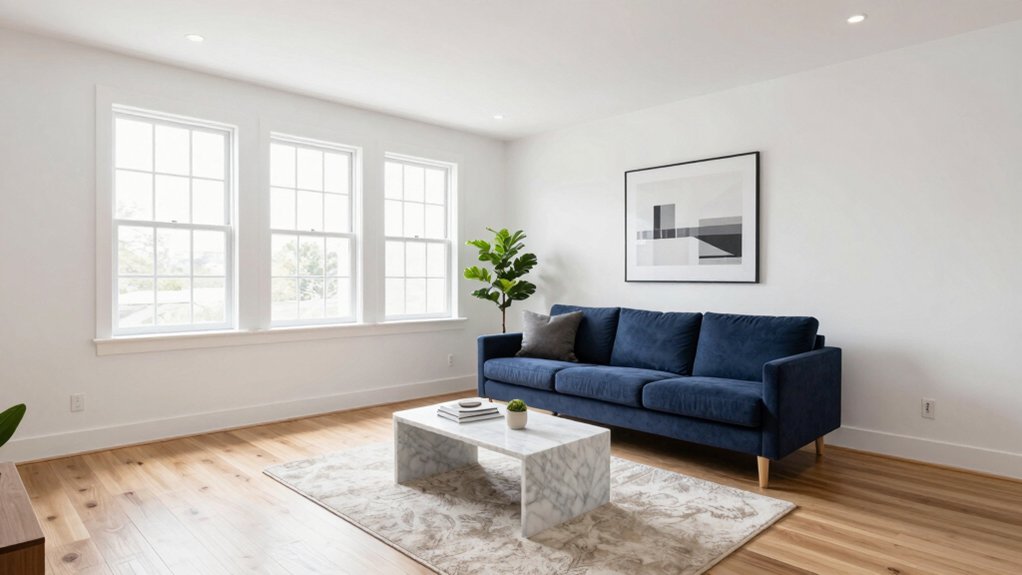
Decluttering brings clarity and helps buyers envision themselves in the space. So start by removing excess items from living areas and rooms that show best.
Neutral tones and simplified decor reduce distractions and widen appeal, making your interiors feel more move-in ready.
Focus on these two points to accelerate offers: declutter for clarity, and neutralize to appeal.
Declutter for Clarity
Declutter for clarity by streamlining key interior spaces, so buyers can picture themselves living in your home. You’ll create room to breathe, showcase flow, and reveal every room’s purpose.
Focus on essential items, then group the rest into storage solutions that feel intentional, not sparse. This signals efficiency and care, qualities buyers prize.
- Define each area with purpose, using minimal furniture and clean lines
- Hide excess belongings in attractive storage solutions to free visual space
- Add light, neutral decorative accents that highlight architecture rather than clutter
- Align personal items with a cohesive, inviting mood that invites belonging
Neutralize to Appeal
Neutralize to appeal by creating calm, universal spaces that let buyers imagine themselves in the home. You’ll refresh key rooms with a restrained palette, removing bold statements that divide perception. Light, neutral color schemes broaden appeal and reduce distractions, while clean lines keep spaces feeling open and ready for personalization.
Incorporate decorative accents sparingly—think texture and craft rather than personality—so rooms feel cohesive, not cluttered. Focus on consistent finishes across floors, walls, and cabinetry to reinforce flow. Test lighting to ensure warmth without harsh shadows, and fix visible wear that signals ongoing maintenance.
Fix the Essentials: Critical Repairs That Move Deals Forward
Even before you list, focus on the essentials: fix the critical repairs that buyers notice first and that often stall deals. You want a smooth showing that signals reliability, not risk. Prioritize safety, structure, and function—no mystery issues in disclosures.
When you repair, think to enable confident moves, not just spark curiosity. Include a plan for quick fixes that support home staging and curb trust through clear, legal considerations.
- Patch leaks and water damage to preserve integrity
- Update lighting and outlets for safety and ambiance
- Tighten doors, windows, and entry seals for efficiency
- Clarify disclosures and warranties to prevent post-list delays
Smart Upgrades for Kitchens and Baths That Pay Off
Smart upgrades in the kitchen and baths deliver the most payoff for buyers, so prioritize high-impact choices that are visible, durable, and affordable. You want results fast, so select improvements that clearly elevate everyday use and perceived value.
Focus on modern, energy-efficient updates that don’t require invasive work. In kitchens, think smart appliances and streamlined storage that feel premium without overhauling the layout. In baths, opt for luxury fixtures with durable finishes and easy maintenance.
Prioritize high-contrast countertops, clean lines, and updated hardware that signals quality at first glance. Refinish rather than replace where possible to maximize ROI.
Smart upgrades should feel cohesive across the home, enhancing flow and perceived care. You’ll attract buyers who value practicality, efficiency, and a polished, move-in ready experience.
Create a Move-In Ready Neutral Backdrop for Buyers
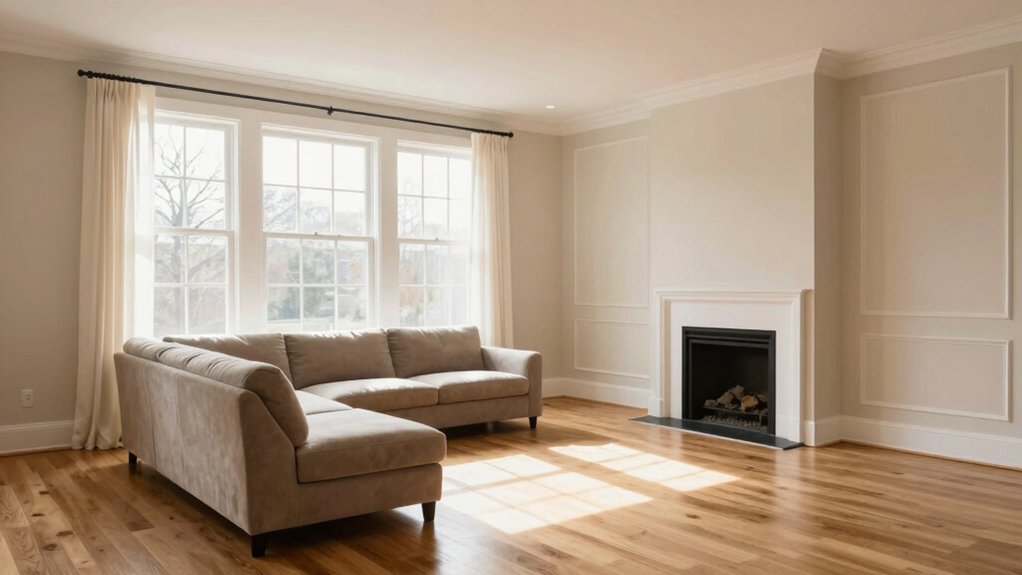
To appeal to the broadest pool of buyers, establish a move-in ready neutral backdrop that feels fresh and timeless. You want spaces that feel calm, livable, and easy to envision as their own. A neutral palette sets the stage for any furniture and décor, while thoughtful landscaping ideas boost curb appeal and signal care.
Focus on clean lines, balanced lighting, and uncluttered surfaces to create a sense of flow. Plan furniture placement to maximize sightlines, define rooms, and maintain scale. Elevate textures with natural materials that resist buyer fatigue.
When buyers imagine living there, they’ll stay longer and offer stronger to stay.
- Landscaping ideas that enhance curb appeal without overpowering the home
- Furniture placement that creates logical, welcoming pathways
- Subtle texture and light to maintain a timeless feel
- Clear, low-maintenance zones for living and entertaining
Frequently Asked Questions
What Is the Typical Timeline for Renovations Before Listing?
The typical renovation timeline spans 4–12 weeks, depending on scope. You should plan timeline planning early and start renovation scheduling promptly, so you can coordinate permits, contractor availability, and staging, maximizing appeal and selling window for buyers seeking belonging.
How Do I Estimate Renovation Costs Accurately?
Picture budgeting as a compass; you estimate with honesty, then adjust. You’ll refine costs through budget planning, compare bids, and select a contractor, ensuring you feel confident, connected, and ready to maximize value before listing.
Which Renovations Add the Most Resale Value per Dollar?
You’ll get the most resale value from luxury upgrades paired with energy efficiency, delivering standout appeal and lower operating costs for buyers who crave belonging, while maximizing impact per dollar you invest in kitchens, baths, and insulation enhancements.
Should I Hire Contractors or DIY Certain Projects?
Trust your instincts: you should hire contractors for big jobs, DIY smaller tasks. Prioritize DIY safety, and when selecting a contractor, compare portfolios, warranties, and clear timelines to guarantee you feel confident and belong in the process.
How Can I Stage a Home After Renovations for Showings?
Yes, you stage after renovations by highlighting space and flow; declutter, depersonalize, and add neutral decor. Focus on home staging and curb appeal to help buyers imagine belonging, feel confident, and see value during showings.