
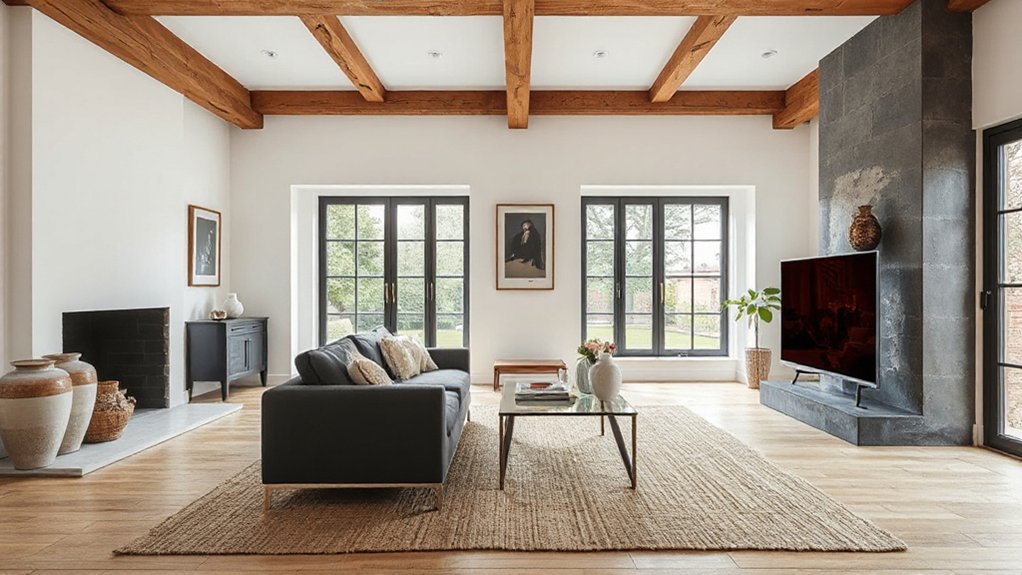
Blending modern and traditional styles in UK properties starts with grounding your design in era-accurate cues—then layering contemporary comfort and efficiency. Identify key features, proportions, and sightlines, and reconfigure spaces with open plans that respect arches, chimneys, and masonry. Use bridge-era materials like timber, brick, and stone in thoughtful contrast, and pair warm lighting with discreet tech for functionality. Maintain durable finishes and documentary records to honor heritage; if you keep exploring, you’ll uncover practical, scalable strategies.
How Modern and Traditional Styles Merge in UK Homes
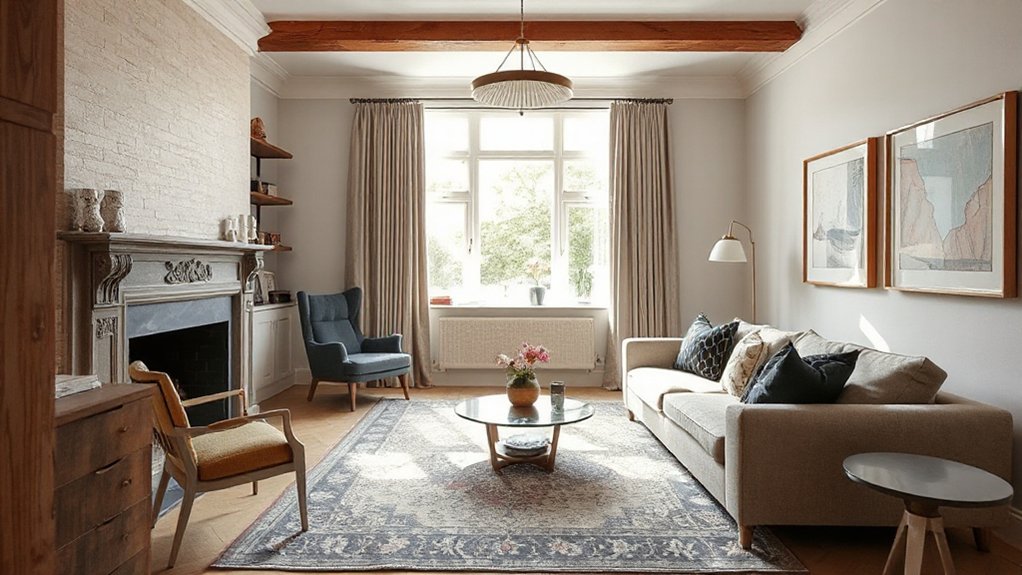
Blending modern and traditional styles in UK homes hinges on thoughtful balance, where contemporary practicality meets timeless character. You create cohesion by prioritising architectural contrast and material harmony.
Start with a streamlined silhouette for modern elements, then integrate period details—think cornices, timber, or masonry accents—to anchor character without overwhelming space. Choose a restrained color palette that echoes heritage while allowing contemporary furniture to breathe.
When mixing textures, let a single material thread through both eras to unify rooms, such as brick, oak, or polished concrete. Lighting should be functional yet warm, reinforcing a sense of belonging rather than showroom polish.
Plan layouts that respect flow and function, ensuring vintage charm coexists with current needs. This approach cultivates confident, comfortable living where styles converse rather than compete.
Assessing a Property’s Era Without Losing Comfort
Evaluating a property’s era without sacrificing comfort starts with a clear diagnostic: identify core architectural cues—ceiling profiles, window detailing, masonry, and doorways—and weigh how they affect daily living. You’ll map how these elements influence warmth, acoustics, flow, and usability, then translate them into a cohesive living experience.
Architectural symbolism and cultural significance aren’t ornament; they guide your comfort priorities, aligning historic character with practical needs. Prioritize tactile quality and daylight penetration that support mood and productivity, and assess insulation, glazing, and thermal breaks without eroding charm.
You’ll distinguish authentic era markers from cosmetic edits, ensuring every adjustment respects proportion and scale. The aim is a confident, inclusive home where traditional cues feel purposeful, not nostalgic distance, letting you belong while preserving structural integrity and character.
How to Balance Scale, Proportion, and Sightlines
To balance scale, proportion, and sightlines, start with a clear framework: identify the dominant architectural axes, primary room hierarchies, and how sightlines connect spaces.
You’ll achieve scale harmony by aligning ceiling heights, furniture silhouettes, and door widths with the building’s proportion system, avoiding abrupt jumps.
Prioritize sightline clarity by cleaning converging lines: reduce clutter, position focal points along long views, and calibrate openings to frame meaningful vistas.
In mixed styles, mirror proportions from heritage ceilings or Georgian rhythms in contemporary fixtures to maintain cohesion.
Use lighting and materials strategically to reinforce hierarchy without overwhelming either era.
This approach invites belonging: your home communicates deliberate balance, inviting guests to feel confident moving through transitions while appreciating both modern and traditional cues.
Bridge-Era Materials: Timber, Brick, Stone, and Sleek Surfaces
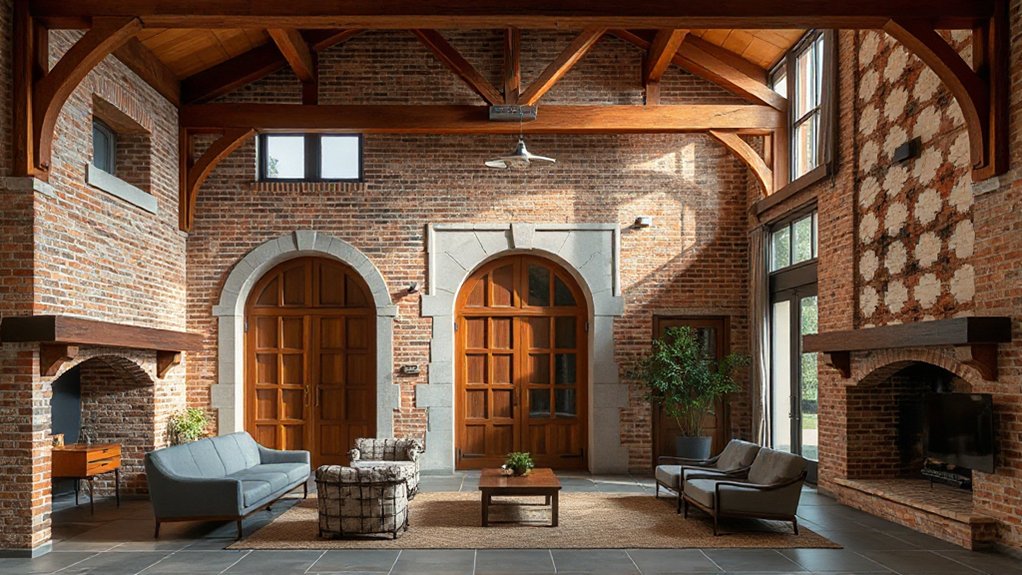
Bridge-era materials anchor interim spaces between old and new. You’ll fuse timber, brick, stone, and sleek surfaces to create tactile dialogue across eras.
Timber revival signals respectful lineage; you’ll feel warmth without retreating from modern performance. Brick grounds elevations with texture, while stone offers permanence and quiet gravitas.
Sleek surfaces introduce light refractions and contemporary ease, yet never overpower the heritage core. You pursue balanced contrasts that read as intentional, not accidental, ensuring dwelling becomes a place of belonging.
Embrace traditional craftsmanship in detailing, from timber joints to masonry reveals, while shaping clean lines and refined proportions.
The outcome isn’t nostalgia; it’s an integrated environment where material honesty supports contemporary living, inviting occupants to inhabit and steward the space with confidence.
Reconfiguring Victorian Plans for Open Living
How can you transform a Victorian layout into fluid, open-plan living without erasing its character? You reconfigure foundational walls thoughtfully, preserve decorative details, and connect zones with sightlines rather than solid barriers. The aim is Victorian architecture that breathes in today’s rhythms, delivering open plan flow while safeguarding heritage cues.
- Map primary sightlines and create visual continuity between reception rooms and kitchen.
- Replace rigid partitions with partial screens or glazed passages that respect proportion and scale.
- Reinforce structural openings with engineered support, maintaining arch or chimney-line accents where possible.
- Blend floor finishes and ceiling heights to unify spaces without erasing the mansion’s character.
This approach delivers belonging, confidence, and modern usability within traditional form.
Fireplaces, Storage, and Heating With Modern Tech
You can modernize a traditional hearth with smart fireplaces that balance ambiance and efficiency, while maintaining period-appropriate aesthetics.
Hidden storage solutions maximize space without disrupting lines or coatings, keeping a seamless, uncluttered look.
Integrating these technologies lets you control heat, timing, and mood from a single device, aligning comfort with your design intent.
Smart Fireplaces Integration
Smart fireplaces are transforming UK homes by combining efficiency with sleek, space-saving design. You’ll experience modern integration that respects heritage while delivering precise heat control and ambience.
- Evaluate heat output and fuel type to match room size and lifestyle.
- Choose discreet wiring and venting that preserve period features.
- Pair smart controls with zoning to maximize comfort and energy savings.
- Integrate with home assistants for seamless routines and accessibility.
With smart fireplaces, you gain reliable warmth without compromising aesthetics. This approach blends contemporary tech with traditional charm, helping you feel rooted yet forward-thinking.
Focus on compatibility with existing media, lighting, and storage schemes to maintain balance. Prioritize reputable brands offering robust update cycles, secure connectivity, and straightforward maintenance.
You’ll appreciate intuitive apps, voice control, and energy insights as you refine your space into a welcoming, inclusive haven. Smart fireplaces, modern integration reinforce belonging while elevating performance.
Hidden Storage Solutions
Hidden storage isn’t an afterthought in modern heating design; it’s a core efficiency lever. You’ll gain control over clutter and heat distribution by prioritising hidden storage within integrated systems.
Opt for hidden compartments that tuck away cables, controls, and seasonal items without breaking the line of a traditional mantle or timber alcove. Concealed shelves behind cabinetry deliver accessible, debris-free surfaces for daily essentials while preserving visual calm.
In living spaces, align hidden storage with your heating strategy: recessed units can house thermostats, smarter sensors, and small changes to airflow, improving performance without visible hardware.
Choose engineers’ precision over showmanship, but ensure materials and finishes echo your property’s character. The result: streamlined function, effortless belonging, and a refined, cohesive aesthetic.
Color and Texture That Unite Old and New
Color and texture are the threads that fuse historic character with contemporary flair in UK properties; choosing materials that echo the past while embracing modern finishes creates a cohesive, layered look.
You’ll balance color palettes and texture contrasts to unify spaces without erasing identity.
- Pair warm timber with cool stone to ground traditional vibes in modern rooms.
- Use matte finishes for walls with glossy accents through fixtures to create depth.
- Introduce tactile materials—brick, plaster, or linen—to invite touch and belonging.
- Vary scale, mixing large blocks with intimate details for rhythm and cohesion.
Kitchens and Bathrooms: Period Shapes With Contemporary Systems

You explore kitchens and bathrooms where period shapes meet modern systems to balance heritage with efficiency.
Expect vintage layouts accentuated by contemporary fixtures, timber details, and sleek surfaces that read cohesively yet feel fresh.
This approach emphasizes how classic silhouettes can house up-to-date functionality without compromising character.
Period Shapes, Modern Systems
Period shapes define the character of period kitchens and bathrooms, but today they’re paired with modern systems for superior function. You’ll balance architectural symmetry with contemporary performance, ensuring spaces feel authentic yet effortless. Cultural influences subtly guide material choices, color palettes, and fittings, forging a shared heritage rather than a pastiche.
- Implement appliances that respect scale and proportion, preserving symmetry while boosting efficiency.
- Choose finishes that echo traditional motifs but employ modern durability and ease of maintenance.
- Integrate hidden plumbing and micro-updates to retain clean lines and timeless silhouettes.
- Use clever storage that respects the room’s rhythm, avoiding clutter while enhancing daily rituals.
This approach invites belonging, communicates confidence, and delivers practical, stylish living.
Vintage Layout, Contemporary Fixtures
Vintage layouts in kitchens and bathrooms pair period shapes with contemporary fixtures to deliver both charm and efficiency. You’ll optimize space by placing freestanding, farmhouse-inspired sinks and range hoods alongside streamlined, energy-efficient appliances.
Choose tactile materials—porcelain, brass, matte black—that nod to tradition while supporting modern performance. Layouts should respect flow: prepare, cook, and clean in a sequence that feels intuitive, with clear sightlines from entrance to work zones.
For bathrooms, blend clawfoot-inspired basins or roll-top baths with water-saving valves and smart lighting. Prioritize storage that remains visible yet uncluttered, using cabinetry with vintage details but soft-close mechanisms.
This approach delivers vintage charm and contemporary comfort, ensuring every room feels timeless yet instantly usable, inclusive, and proudly connected to your home’s history.
Timber Details, Sleek Surfaces
Timber details layered with sleek surfaces define kitchens and bathrooms that feel both timeless and forward-looking. You’ll balance warmth with precision, ensuring timber accents read like heirloom touches within a modern framework. Sleek countertops anchor the space, reflecting light and elevating daily tasks.
1) Select timber accents that contrast softly with high-gloss or matte surfaces to avoid heaviness.
2) Pair traditional silhouettes with integrated appliances to preserve period charm while boosting practicality.
3) Use concealed hardware and clean lines to emphasize contemporary systems without erasing character.
4) Choose finishes and seams that celebrate natural grain while delivering durable, low-maintenance performance.
This approach invites belonging, communicates expertise, and keeps edges sharp yet inviting.
Lighting That Highlights Character and Saves Energy
Smart lighting can accentuate a property’s character while cutting energy use, so start by pairing warm, dimmable LEDs with fixtures that reflect the building’s era and detailing. You shape spaces by choosing lighting design that highlights features—glazing, moldings, timber—and avoids harsh glare.
Use layered lighting: wall sconces to echo tradition, discreet downlights for tasks, and ambient cove lighting to soften shifts. Prioritize energy efficiency without sacrificing atmosphere; opt for smart controls, occupancy sensors, and daylight-responsive dimming to reduce waste.
Match color temperature to room mood and architectural period, staying consistent across schemes. This approach fosters belonging, inviting guests to notice craft and cohesion.
Maintain practicality with maintenance-friendly fixtures and simple repairs, ensuring lasting charm and ongoing energy savings.
Soft Furnishings That Read Timeless, Not Dated
Soft furnishings anchor a room’s timeless feel by balancing texture, pattern, and color in a way that doesn’t shout era. You curate restraint, letting textiles layer depth without competing with architectural details. Textile layering creates warmth and cohesion, while thoughtful Vintage accessories reinforce character without feeling dated.
- Embrace natural fabrics: linen, wool, cotton blends for longevity and tactility.
- Mix scale and pattern subtly: solids with restrained prints to avoid busy fatigue.
- Choose timeless colors: warm neutrals punctuated by muted pigments for longevity.
- Layer thoughtfully: rugs, cushions, throws in complementary tones to unify spaces.
Keep a refined approach: avoid trends, favor quality over quantity, and let light play across textures. This approach invites belonging and confidence in a room that feels both current and enduring.
Integrating Tech: Invisible Wiring and Smart Controls
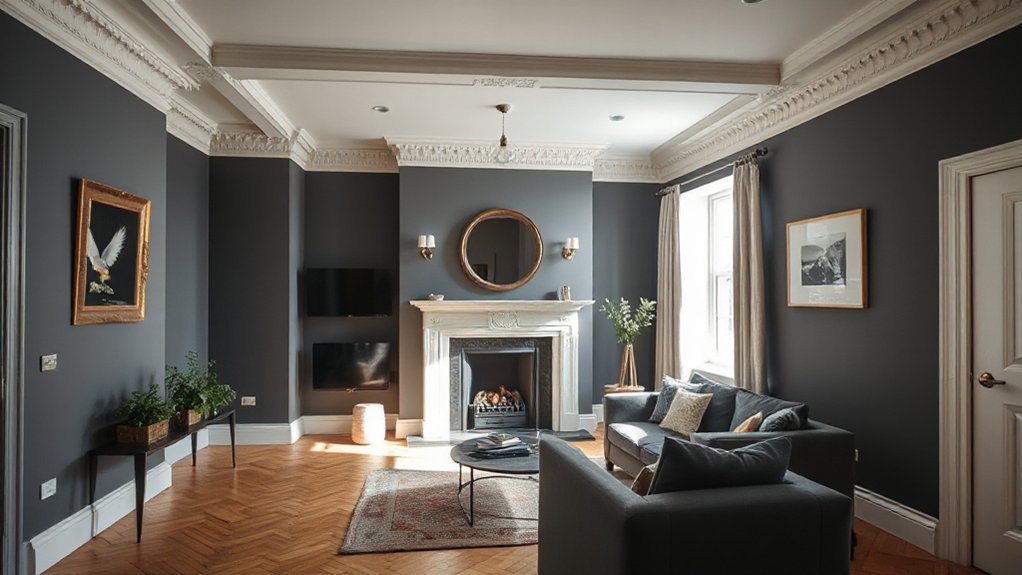
Invisible wiring and smart controls can transform a UK home without sacrificing its character. You’ll integrate discreet cabling and hidden conduits to power lighting, climate, and media without disrupting period details.
Start with a centralized hub that manages scenes and energy use, reducing waste while elevating comfort. Embrace wireless connectivity to minimize visible ports; choose robust, retrofit-friendly devices that pair seamlessly with your existing infrastructure.
Prioritize energy efficiency by selecting dimmable LEDs, smart thermostats, and occupancy sensors that learn your rhythms. Use concealed channels and modular panels to keep surfaces clean and authentic.
Align tech with budget and aesthetics by opting for matte finishes and understated tones. You’ll gain convenience and cohesion, feeling connected without compromising provenance or home values.
Renovation Ethics: Preserving Historic Fabric While Upgrading
You should anchor upgrades in respect for historic fabric, balancing preservation with practical modernization. Approach renovations with sensitivity, selecting materials and methods that honor original work while improving safety and usability.
Document decisions and maintain transparency so future owners understand the choices and trade-offs.
Respect Historic Fabric
Respecting historic fabric isn’t optional in renovations; it’s the foundation of authentic, durable gains. You protect historical preservation and uphold architectural integrity while integrating modern comforts.
1) Audit originals: map significant materials, crafts, and joinery to guide respectful upgrades.
2) Prioritize compatibility: select sympathetic replacements that echo scale, texture, and patina, not mimicry.
3) Sustain integrity: retain key features, fixing rather than replacing where feasible, to preserve provenance.
4) Document decisions: record methods, materials, and rationale to support future stewardship.
Your approach blends sensitivity with rigor, ensuring contemporary living aligns with the building’s story. By centering respect for fabric, you foster belonging—owners sense rightful ownership, guests perceive continuity, and the property gains lasting character.
Historical preservation isn’t nostalgia; it’s a practical framework for durable, elegant updates that honour the past while serving today’s needs.
Upgrade With Sensitivity
Balancing renewal with reverence means upgrades must honor the building’s fabric while improving daily comfort. You approach changes with intent, not impulse, prioritizing the original structure as a living record.
Focus on materials, methods, and finishes that align with historic preservation standards, avoiding visible mismatches that erode character. You assess systems—heating, ventilation, electrical—in ways that upgrade performance while protecting historic fabric.
Embrace cultural sensitivity by engaging with local contexts, craftsmen, and traditions, ensuring adaptations respect evolving community values.
Document decisions transparently for future stewardship, yet without overexplanation that disrupts the space’s essence. You choose discreet interventions, reversible where possible, and clearly labeled interventions where not.
The result is improved livability that remains faithful to the past, inviting belonging through responsible renovation.
Documentation and Transparency
1) Establish property documentation practices that record floor plans, fabric condition, and any alterations, creating a verifiable trail.
2) Define transparency standards for sourcing, budgets, and scheduling, so clients and contractors share a clear, accountable timeline.
3) Vet materials for historic compatibility and longevity, prioritizing reversible interventions that respect original fabric and future adaptability.
4) Maintain accessible records, including photographic archives and preservation reports, to support audits, future work, and provenance.
This disciplined approach reinforces belonging, signals professional rigor, and upholds ethical renovation throughout the project lifecycle.
Case Study: Turning a Period Shell Into a Hybrid Home
You’ll see the shell of a period property transformed into a practical, sun-lit hybrid home by prioritizing structural integrity, clever daylighting, and a restrained modern palette that respects its history.
In this case study, you observe how strategic strengthening preserves historic preservation while enabling generous, usable spaces. Repaired framing supports new layouts without erasing character, while large, well-proportioned glazing brings light into preserved and modernized zones alike.
Material compatibility guides the selection of finishes, where traditional brick and lime plaster meet contemporary cladding and robust, low-maintenance surfaces. Circulation, acoustics, and thermal performance are tuned to feel cohesive, not competing.
The result is a confident blend you can inhabit with ease, where heritage informs contemporary comfort, and thoughtful detailing fosters belonging through respectful adaptation.
Practical Checklist: Common Pitfalls to Avoid
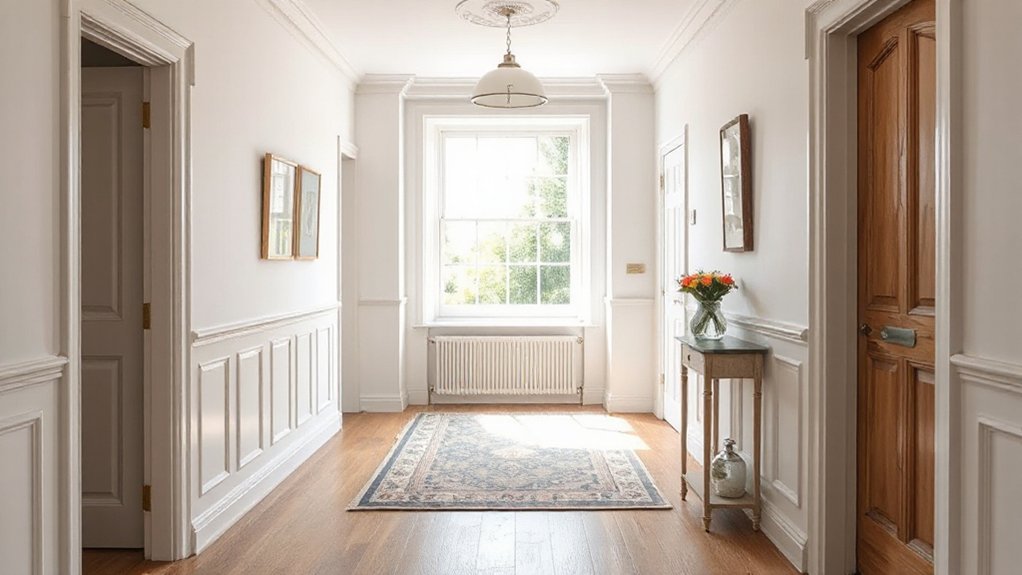
After shaping a sun-lit hybrid home that respects its history, you’re ready to spot and avert common missteps before they derail the project. Prioritize cohesive design trends and avoid mismatched eras by validating decisions against a clear brief. Stay vigilant on material sourcing to prevent quality gaps, price creep, or supply delays. Keep structures, finishes, and fittings aligned with your overarching vision, not fleeting fads.
- Ignore a single-room focus; ensure harmony across interiors and exteriors.
- Overlook budget buffers; forecast contingencies for materials and labour.
- Rush approvals on historic details; secure permissions before procurement.
- Neglect durability and maintenance; choose timeless, low-care finishes.
Frequently Asked Questions
How to Cost-Effectively Blend Modern and Traditional UK Interiors?
To cost-effectively blend modern and traditional UK interiors, start with a neutral base and layer key pieces. You’ll optimize furniture placement to create cohesive sightlines, balancing sleek modern forms with classic textures.
Use color coordination to tie eras together—pick a unifying palette and repeat hues across fabrics and finishes. Prioritize quality over quantity, thrift-store finds with refinished surfaces, and statement accents.
You’ll achieve timeless harmony that feels inviting, belonging, and distinctly yours.
Which Eras Tolerate Contemporary Upgrades Without Aesthetic Clash?
Contemporary upgrades work best with eras that prize clean lines and restrained ornament, like mid-century modern and certain Edwardian-inspired schemes.
You’ll find architectural harmony when you respect proportions, scale, and light.
For cultural authenticity, blend textures rather than clash colors, and let period details guide placement.
You belong in spaces that balance glare-free surfaces with warmth.
Aim for restraint, then layer with art and furniture.
You’ll create enduring appeal that feels intentional, inclusive, and expertly curated.
Can Period Elements Be Updated Without Compromising Heritage Value?
Yes—period elements can be updated without compromising heritage value. Think of a grand oak clock in a weathered hall: you update the hands, not the face. You preserve the core, maintain proportions, and document changes for heritage conservation.
You retain Design authenticity by selecting sympathetic materials and detailing. You’ll feel you belong, guiding choices with respect, precision, and intent.
Together, you balance modern life with history, keeping the story legible for future generations.
What Are Subtle Ways to Introduce Modern Tech in Older Homes?
You can introduce modern tech subtly by prioritizing smart lighting that blends with architectural lines and expresses intent, not fuss. Use wireless charging discreetly—built into desks, side tables, or kitchen islands—so everyday tasks feel seamless.
Keep automation understated: timed scenes and occupancy triggers that respect heritage aesthetics. You’ll sense belonging as spaces become intuitive, efficient, and cohesive, while preserving character.
Your home feels confident, forward‑looking, and comfortable without shouting technology.
How to Preserve Daylight and Views in Mixed-Style Spaces?
You’ll preserve daylight and views by prioritizing large, unobstructed windows and strategic sightlines. Then use reflective surfaces to bounce light deeper.
Anticipated objection: you think you’ll lose privacy—opt for sheer or lightly tinted window treatments that soften glare without closing the view.
Natural lighting stays strong with minimal heavy drapery. Choose window treatments that frame scenes, not hide them.
Design around mixed styles to foster belonging while keeping spaces bright and connected.
Conclusion
Blending modern and traditional styles in UK homes isn’t a crush, it’s a careful seam: you weave contemporary comforts into heritage fabric without tearing its story. You assess era and proportions, then choose materials that speak in one voice. You’ll reimagine Victorian plans for open flow, conceal tech, and preserve historic textures. The result is a living timeline, bold yet respectful—a river that finds new channels while keeping its old banks intact.